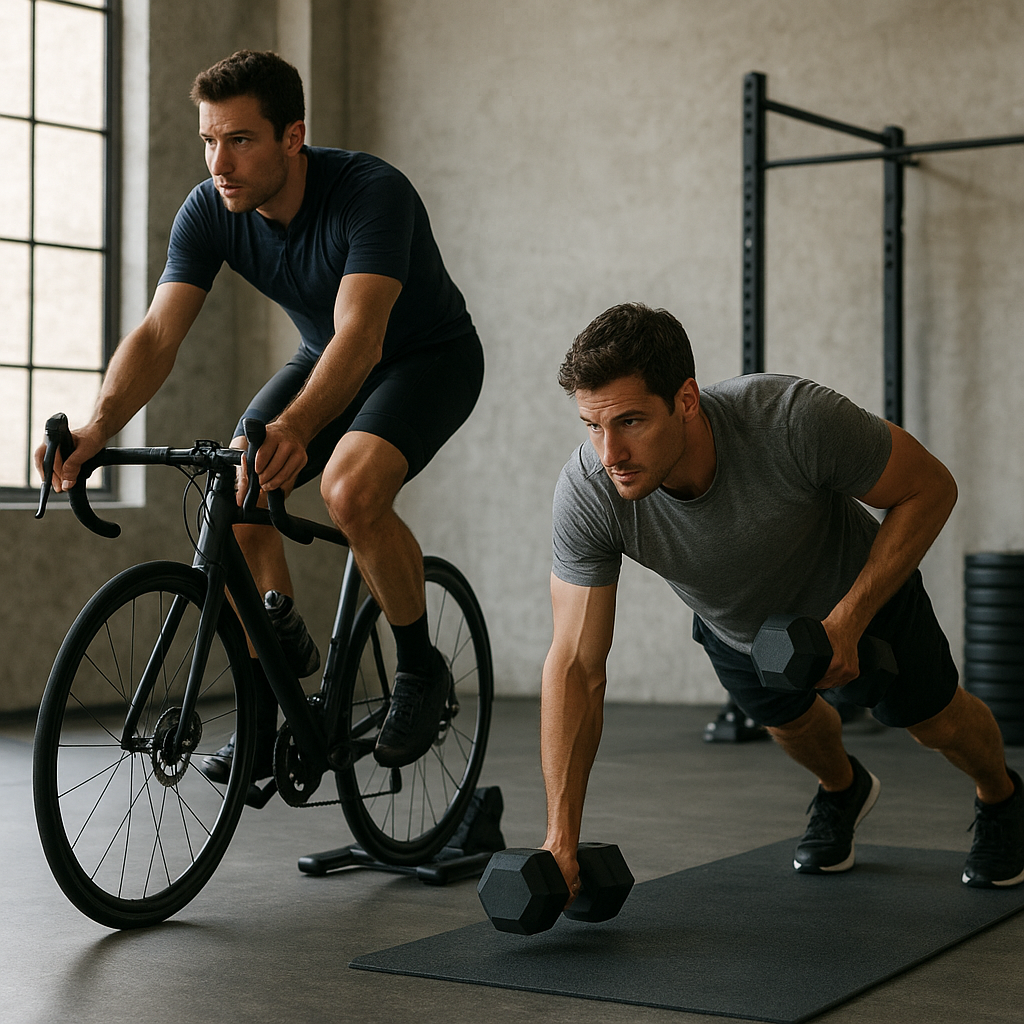
Effective cycling demands a well-rounded approach that goes beyond logging miles on the road. Incorporating targeted cross-training routines can significantly boost your stamina, power, and overall riding experience. By emphasizing exercises that enhance strength, flexibility, and core stability, cyclists can prepare their bodies for the rigors of varied terrain and long-distance challenges.
The Benefits of Cross-Training for Cyclists
While logging kilometers on two wheels is essential, neglecting other forms of exercise can leave critical muscle groups underdeveloped. Integrating cross-training into your plan brings multiple advantages:
- Enhanced endurance: Cardiovascular workouts like swimming or rowing help build aerobic capacity without the repetitive impact of cycling.
- Improved strength: Resistance exercises target muscles used in climbing, sprinting, and maintaining posture on the bike.
- Greater flexibility: Stretching and mobility routines reduce stiffness, allowing a more efficient pedaling motion and decreasing injury risk.
- Better balance: Stability drills strengthen small, supporting muscles around the ankles, knees, and hips—key for technical trails and uneven roads.
- Accelerated recovery: Low-impact activities like yoga or light swimming promote blood flow and help eliminate metabolic waste.
- Injury prevention: A varied routine reduces overuse strains by distributing load across different muscle groups.
Key Cross-Training Exercises to Improve Performance
Strength Training
Building lower-body power is vital for acceleration and sustained climbs. Focus on compound movements:
- Squats: Front or back variants enhance quad and glute drive.
- Lunges: Forward, reverse, and walking lunges strengthen each leg independently, improving muscular balance.
- Deadlifts: Conventional or Romanian styles develop hamstrings and lower back, supporting a stable riding posture.
- Step-Ups: Mimic pedal stroke mechanics while challenging hip flexors and stabilizers.
- Leg Press: Controlled movement to isolate quads and glutes under varying resistance.
Core Stability and Flexibility
A strong, flexible midsection translates to better power transfer and reduced back fatigue. Incorporate:
- Plank variations: Front, side, and dynamic planks for total core stability.
- Russian twists: Enhance oblique engagement, critical for maintaining posture on climbs and sprints.
- Yoga flows: Poses like Downward Dog and Pigeon open hips and hamstrings, improving hip extension during pedaling.
- Pilates roll-ups: Promote spinal articulation and deep core recruitment.
- Hamstring stretches: Prevent tightness that can limit pedal stroke efficiency.
Cardiovascular Cross-Training
Supplementing bike miles with diverse cardio modalities prevents burnout and targets different muscle fibers:
- Swimming: Low-impact full-body exercise that builds endurance while giving joints a break.
- Running: Enhances aerobic capacity and leg turnover; keep sessions short to avoid overuse.
- Rowing: Combines upper- and lower-body effort, boosting VO2 max.
- Elliptical or ski ergometer: Maintains cardiovascular fitness during off-season or bad-weather days.
- High-Intensity Interval Training (HIIT): Short bursts at maximum effort followed by rest periods accelerate metabolic adaptation.
Balance and Coordination Drills
Technical rides and fast descents demand stability and agility:
- Single-Leg Stands: Stand on one foot with eyes closed to challenge proprioception.
- Bosu Ball Exercises: Perform squats or lunges on an unstable surface to recruit stabilizer muscles.
- Slackline Practice: Improves foot placement and overall balance.
- Agility Ladders: Boost foot speed and neuromuscular coordination, aiding quick pedal strokes.
Integrating Cross-Training into Your Cycling Routine
Effective scheduling ensures you reap the full advantages of cross-training without compromising on-bike progress. Consider these guidelines:
- Plan 2–3 cross-training sessions per week, alternating focus areas (strength, flexibility, cardio).
- Use interval training on non-consecutive days to avoid overtaxing the same energy systems.
- Schedule heavy strength days when you have lighter rides or rest the next day, allowing muscles to adapt.
- Incorporate active recovery sessions—light yoga, easy swimming, or foam rolling—after intense rides to promote recovery.
- Monitor workload: Track volume and intensity across disciplines to maintain a proper training load.
- Nutrition: Fuel strength sessions with balanced macros and hydrate adequately to support muscle repair.
- Rest: Ensure at least one full rest day per week to prevent burnout and foster adaptation.
Tracking Progress and Avoiding Common Pitfalls
Regular assessment and mindful practice keep training on course and injury-free:
- Maintain a training journal: Record workouts, perceived effort, and recovery markers.
- Use wearable tech: Heart rate monitors and power meters help quantify improvements in endurance and strength.
- Listen to your body: Early signs of overuse—persistent soreness, fatigue, or mood changes—signal the need for extra rest.
- Gradual progression: Increase weights, duration, or intensity by no more than 10% per week to avoid strains.
- Professional guidance: A certified coach or physiotherapist can tailor exercises to your unique biomechanics and goals.
- Cross-train seasonally: Focus on high-volume riding in peak season, then ramp up strength and mobility in the off-season.
- Equipment check: Ensure bike fit and training gear support your expanded workout regimen to prevent discomfort.