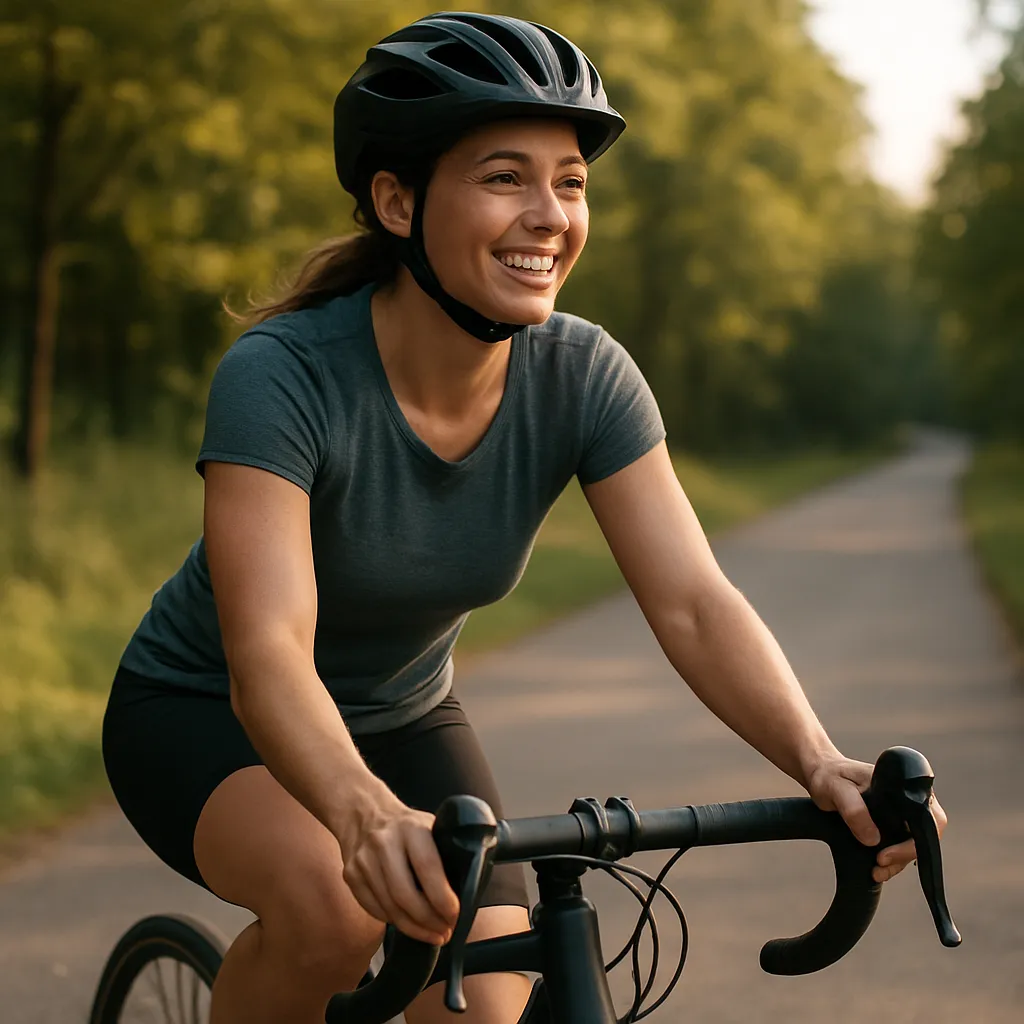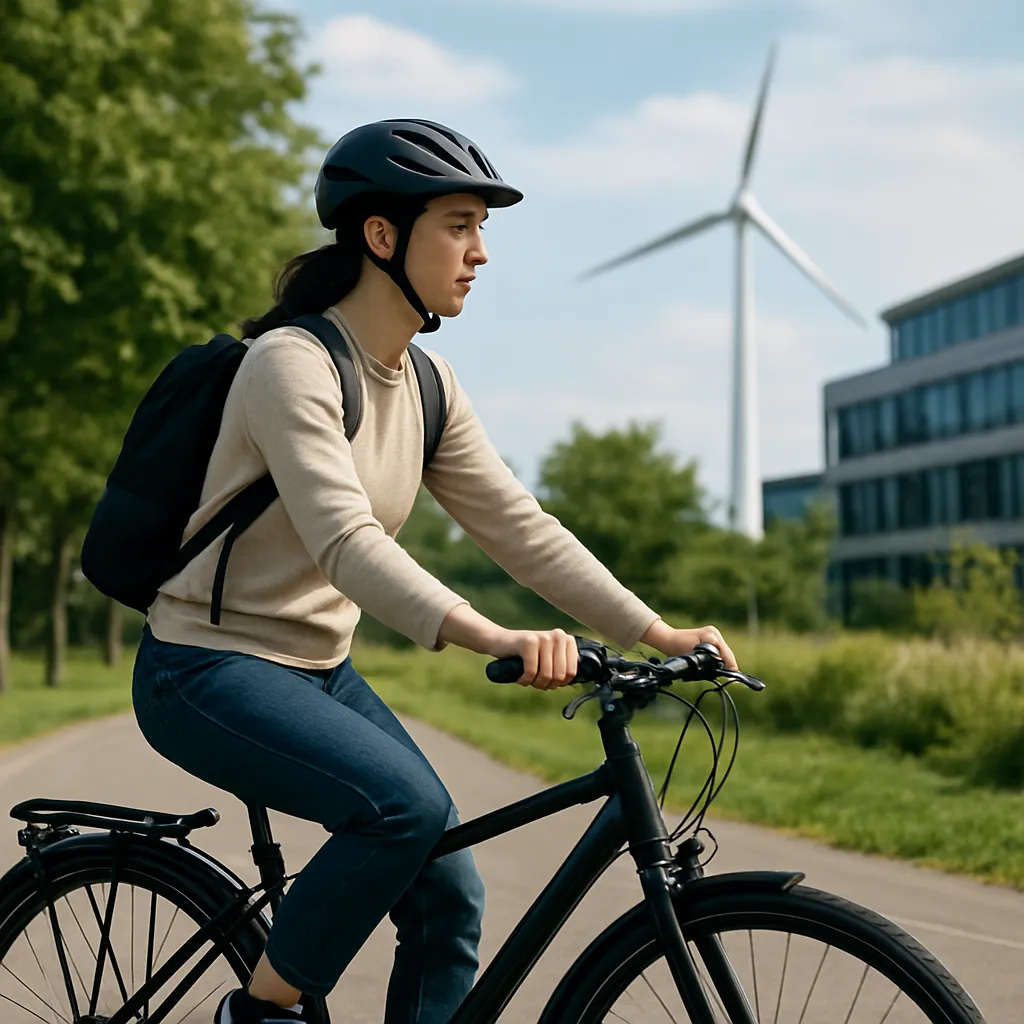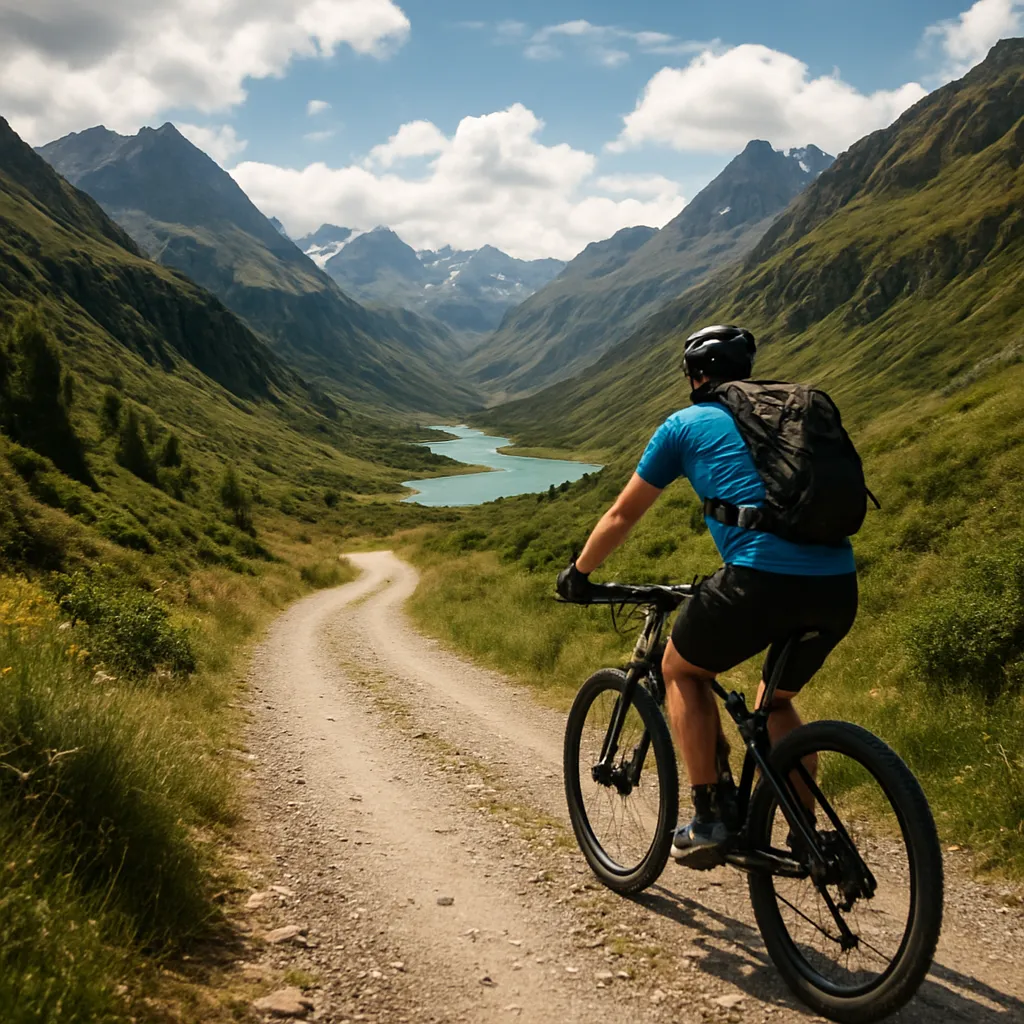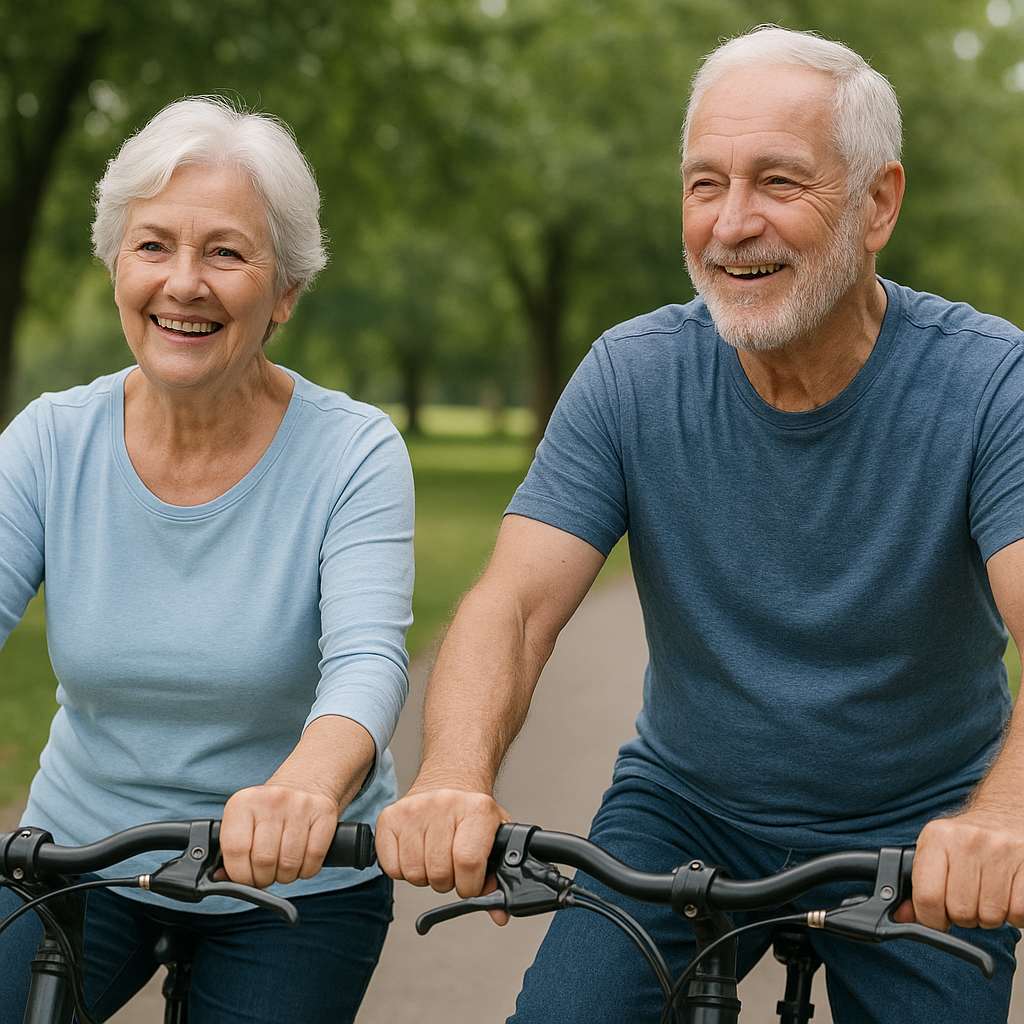
Cycling offers older adults an engaging way to boost overall health while enjoying the fresh air and scenic routes. By incorporating regular rides into daily routines, seniors can experience improvements in physical strength, mental clarity, and social connections. This article explores key aspects of cycling for older riders, covering health benefits, equipment selection, safety measures, and strategies for staying motivated.
Physical Health and Cardiovascular Gains
Regular cycling leads to significant improvements in heart and lung function. As you pedal, your cardiovascular system works harder, which helps lower resting heart rate and blood pressure. Research shows that moderate-intensity cycling for 30 minutes five times per week can reduce the risk of heart disease by up to 50 percent. For older adults, this gentle, low-impact activity preserves joint integrity compared to high-impact exercises like running. Muscles in the legs, hips, and core grow stronger through repeated motion, while calorie burn supports healthy weight management. Over time, riders notice enhanced endurance on longer trips, allowing them to tackle rolling hills or bike paths with greater ease. Consistent pedaling also stimulates circulation, aiding in vascular health and reducing the risk of peripheral artery disease, a condition that often affects seniors.
Improving Balance, Flexibility, and Resilience
Balance and flexibility decline naturally with age, but cycling helps counter these effects. As you lean into turns and shift your weight to maintain stability, tiny muscles and nerve pathways reinforce coordination. Over weeks of riding, your core and leg muscles adapt, offering a sturdier posture and reducing fall risk. Gentle stretching before and after rides enhances joint mobility, preventing stiffness that can limit daily activities. These improvements build resilience—the ability to recover quickly from setbacks. Whether getting back in the saddle after a brief illness or navigating uneven paths, seasoned cyclists find their bodies better equipped to respond to stress. This protective benefit extends beyond the bike: improved flexibility eases tasks like bending to tie shoes or reaching for items on high shelves.
Safety Considerations and Equipment
Ensuring safety is crucial for older cyclists. Choosing the right gear and following best practices keeps rides enjoyable and risk-free.
- Helmet: Always select a properly fitted helmet that meets impact standards. Replace it every five years or after any significant fall.
- Reflective Clothing: Bright jackets or vests with reflective strips make you more visible in low-light conditions.
- Comfortable Saddle: A well-padded seat reduces pressure points. Consider models designed for wider hips or use gel covers.
- Handlebar Grips: Ergonomic grips relieve hand and wrist strain, which is essential for longer rides.
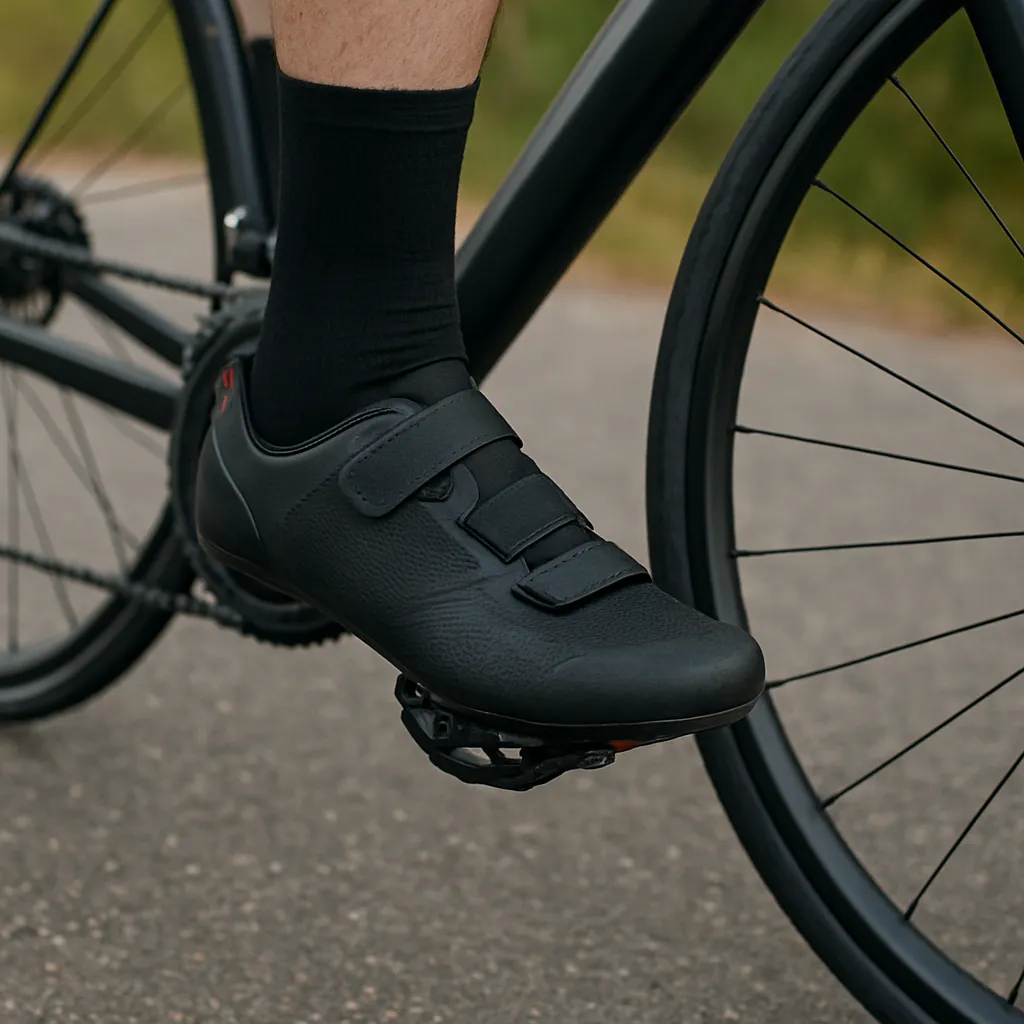
- Footwear: Sturdy shoes with firm soles and grippy tread improve pedal efficiency and foot stability.
- Lighting: Front and rear lights ensure you can see obstacles and be seen by motorists after dusk.
- Hydration Pack: Staying hydrated prevents fatigue and muscle cramps. Small backpacks with water reservoirs are ideal.
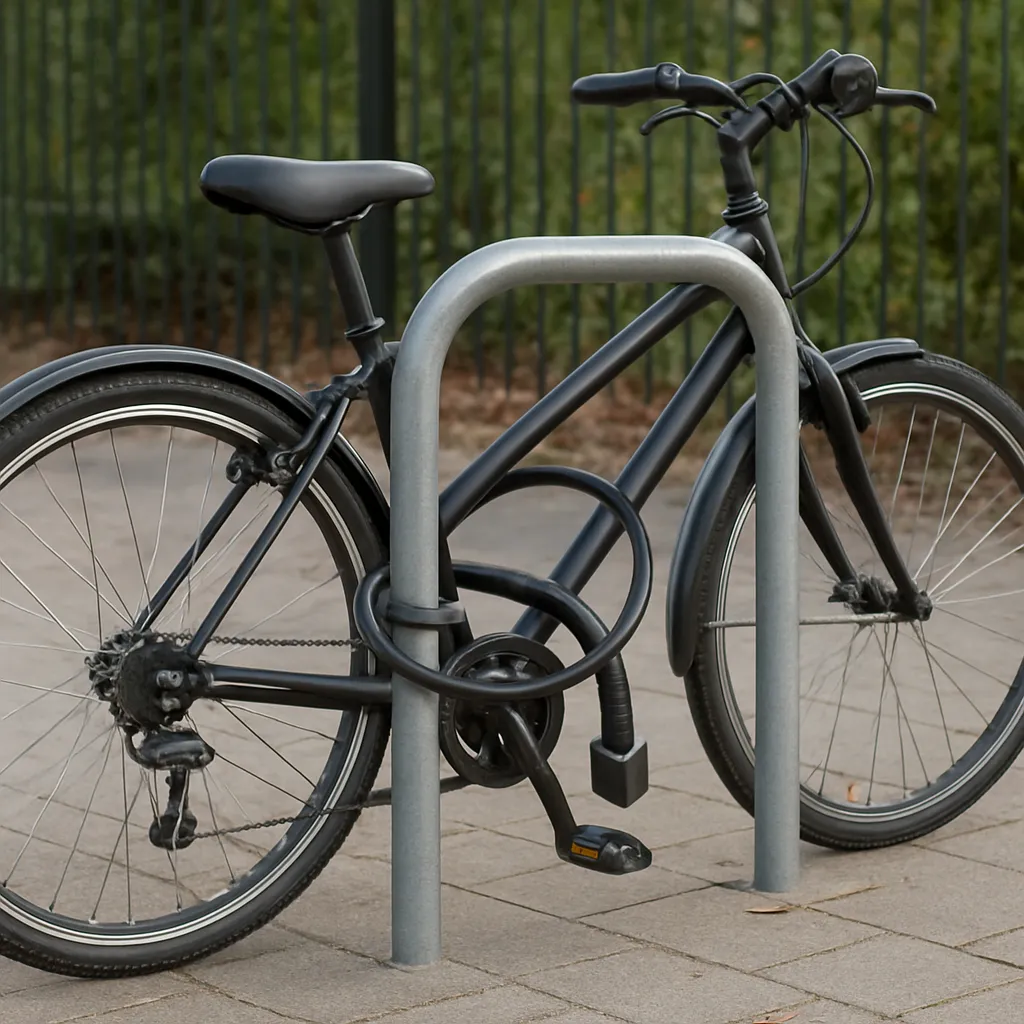
Before heading out, conduct a quick bike check: tires inflated to the proper pressure, brakes fully functional, and chain lubricated. Use local cycling maps or apps to plan routes with moderate traffic and smooth surfaces. If you’re new to group rides, start with shorter loops and join community-led outings to learn safe riding practices.
Social Engagement and Mental Well-Being
Joining a cycling club or pairing up with a friend transforms a simple ride into a shared adventure. Group rides offer camaraderie, mutual encouragement, and a sense of community. Engaging in conversation while riding not only breaks monotony but also sharpens cognitive skills, as riders remain alert to traffic signals, route changes, and group dynamics. Studies link regular social activity to lower rates of depression and anxiety, especially among retirees who might miss workplace interactions. Cycling also triggers the release of endorphins, natural mood lifters that combat stress. Over time, you’ll notice a clearer mind, improved memory recall, and a brighter outlook on daily life. The sense of independence gained from mastering new trails or completing longer distances further boosts self-esteem and motivation to explore beyond familiar routes.
Goal Setting and Establishing a Routine
Creating achievable targets keeps your cycling journey progressive and rewarding. Start by tracking daily ride durations or distances using a simple bike computer or smartphone app. Celebrate when you hit milestones like your first 10-mile loop or riding twice a week for a month. Gradually increase intensity by adding gentle hill intervals or experimenting with higher cadence drills. Scheduling rides at the same time each day helps form lasting habits—early morning or late afternoon slots avoid peak heat and traffic. Consider cross-training with swimming or yoga to enhance flexibility and muscle balance. Rest days are equally important: they allow muscles to recover and adapt, reducing the chance of overuse injuries. Pairing short walks on non-cycling days can maintain blood flow without overtaxing your joints.