Cycling enthusiasts know that selecting the right pair of eyewear can transform every ride into a safer, more comfortable, and stylish experience. From sun-drenched mountain trails to early-morning urban commutes, your eyes are exposed to a range of hazards that can compromise both safety and performance. This guide will walk you through essential considerations, helping you find the best cycling sunglasses to suit your unique needs and riding style.
The Importance of Eye Protection in Cycling
Sensitive eyes face multiple threats on the road or trail. Dust, wind, and debris can cause irritation or injury, while harmful sun rays can lead to long-term vision issues. Understanding how the right eyewear enhances both safety and comfort is the first step toward making an informed decision.
Shielding Against Debris and Insects
At high speeds, even the smallest stone can become a serious hazard. A robust pair of cycling glasses provides a physical barrier, preventing particles from reaching your eyes and causing abrasions or infections.
Guarding Against UV Damage
Ultraviolet radiation is invisible but relentless. Prolonged exposure can accelerate cataract formation and damage the retina. Investing in sunglasses with 100% UV protection is non-negotiable for any rider who values eye health over the long term.
Key Features to Consider
Not all cycling sunglasses are created equal. Here are the critical attributes to evaluate before making your purchase:
- Lens Quality: Look for optical-grade materials that minimize distortion and provide a crisp, clear view.
- Polarization: Essential for reducing glare from reflective surfaces like roads or water, polarization can reduce eye strain and improve visual comfort.
- Impact Resistance: Choose polycarbonate or Trivex lenses, which are lightweight yet exceptionally strong.
- Ventilation: Proper airflow prevents fogging when temperature and humidity change during intense efforts.
- Adjustability: Features such as adjustable nose pads and temple arms ensure a secure, customized fit.
- Frame Material: Frames made from nylon or flexible composites absorb shocks and resist breakage.
- Interchangeable Lenses: Swappable lenses allow you to adapt to varying light conditions without purchasing multiple pairs.
Choosing the Right Lens Type for Your Rides
Lens selection is perhaps the most critical decision you’ll make. Your environment, typical weather conditions, and riding style all influence which tint and technology will serve you best.
Lens Tints and Their Uses
- Clear Lenses: Ideal for low-light, dawn, dusk, or night rides. They offer protection without altering color perception.
- Yellow and Amber: Enhance contrast in overcast or foggy conditions, making terrain features pop.
- Gray and Smoke: Neutral tints that reduce overall light intensity without distorting colors—perfect for bright, sunny days.
- Brown and Copper: Increase contrast and depth perception, suitable for partly cloudy days or variable light.
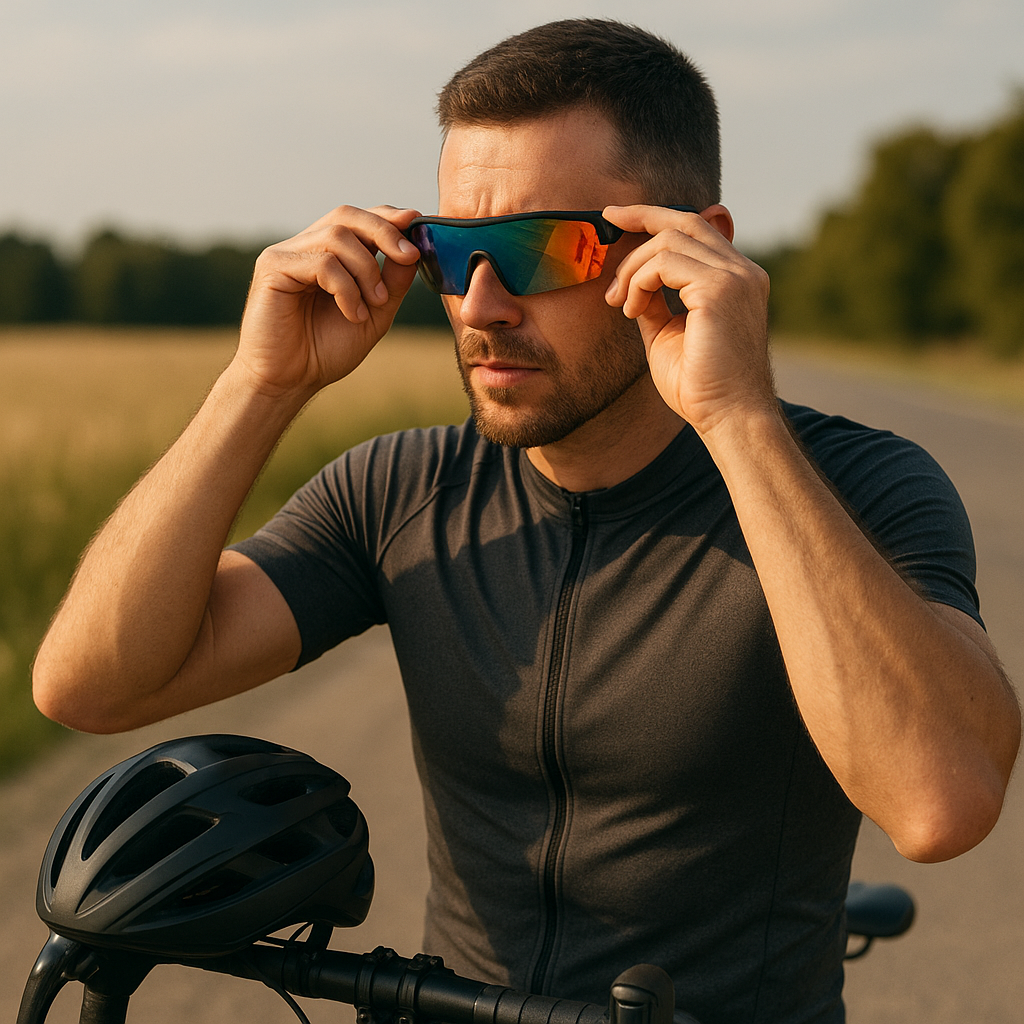
- Mirrored Coatings: Reflect more light away, reducing glare in very bright conditions; they also add a sleek, fashionable look.
Advanced Lens Technologies
- Photochromic Lenses: Automatically darken or lighten in response to changing UV levels, providing seamless transition across different environments.
- Hydrophobic and Oleophobic Coatings: Repel water, sweat, and oil, keeping your lens clear even when conditions are wet or sweaty.
- Anti-Fog Treatments: Essential for uphill climbs or high-intensity intervals when body heat and humidity spike.
- Polarized vs. Non-Polarized: While polarization reduces glare effectively, some cyclists report difficulty seeing digital screens (GPS devices) through polarized lenses. Decide based on your reliance on on-bike electronics.
Frame Design, Fit, and Comfort
A stunning lens means little if the frame doesn’t fit correctly. Poorly fitting sunglasses can slide, pinch, or cause pressure points that distract from your ride. Here’s what to look for:
Secure, Sweat-Resistant Fit
Look for frames with rubberized temple tips and nose pads. These features grip your face securely, even when you’re sweating profusely or tackling dirt roads at high speed. Proper fit prevents sliding and ensures consistent protection.
Coverage and Field of Vision
Wraparound designs offer maximum peripheral coverage, keeping out wind and particles. However, if you often ride in tight, technical terrain, ensure the frame curvature doesn’t obstruct your downward or side vision.
Weight and Balance
Lighter frames reduce neck fatigue on long rides. Pay attention to the weight distribution—an ideal pair balances weight across the bridge of your nose and the temples.
Compatibility with Helmets and Caps
Test how the sunglasses sit under your cycling helmet and cap. An ergonomic frame will nestle comfortably against the brow pad without noticeable gaps or pressure points.
Maintenance and Care Tips
To extend the lifespan of your investment, proper care is vital. Follow these simple guidelines to keep your sunglasses in top condition:
- Always rinse lenses with clean water before wiping to remove abrasive grit.
- Use a microfiber cloth or a lens-specific wipe—never paper or clothing that can scratch the surface.
- Store your eyewear in a padded case when not in use to prevent accidental damage.
- Avoid exposing lenses to high heat (e.g., leaving them on a car dashboard) which can degrade coatings and warp the frame.
- Periodically tighten screws on the hinges with a precision screwdriver to maintain proper alignment and fit.
Choosing the perfect pair of cycling sunglasses involves balancing style and performance while ensuring uncompromised protection and comfort. By considering each feature carefully—from lens technology to frame ergonomics—you can invest in eyewear that enhances every aspect of your ride, season after season.