After a challenging ride through thick, sloppy trails, your two-wheeled companion deserves some TLC. A thorough cleaning session not only restores the appearance of your bike but also extends its lifespan, ensures smooth performance, and prevents costly repairs. Follow this step-by-step guide to remove stubborn mud, protect delicate components, and get back on the road or trail with confidence.
Preparing Your Workspace
Before you grab a hose or brush, set up an organized station that allows you to tackle every corner of your ride. A cluttered or poorly lit area can make the process frustrating and increase the risk of damage.
- Clean surface: Lay down a tarp or old towels to catch runoff and protect your flooring.
- Tools and supplies: Gather brushes, rags, degreaser, chain cleaner, bucket, and bike stand.
- Water source: Have a gentle sprayer or low-pressure hose ready to avoid forcing water into bearings.
- Protective gear: Wear gloves and old clothes to keep grease and grit off your skin.
- Lighting: Ensure adequate illumination to spot hidden dirt in nooks and crannies.
Removing Excess Mud and Debris
Initial Rinse
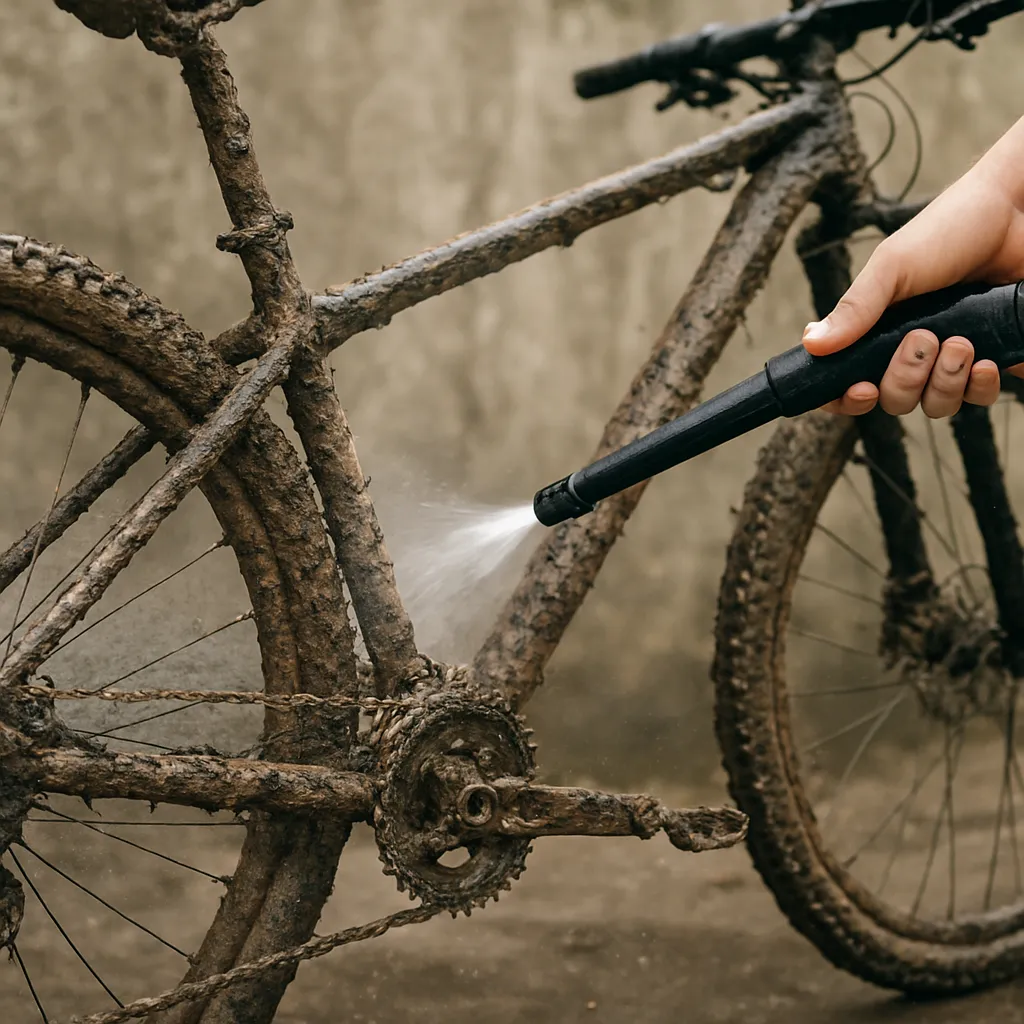
Start with a gentle spray to dislodge loose dirt. Keep the nozzle at a 45-degree angle about 30 cm away to avoid stripping grease from bearings and pivots. Focus on wheels, forks, and the underside of the frame.
Softening Stubborn Clumps
If you’re facing caked-on debris, let a mild soap solution sit for a few minutes. A few squirts of biodegradable bike-specific cleaner in a bucket of warm water work wonders to soften dried layers of grime.
- Soak wheels and frame sections for 5–10 minutes.
- Use a nylon brush to scrub away softened grit.
- A toothpick or soft-bristled brush can get into tight spots like brake calipers and cable guides.
Detailed Frame and Component Cleaning
Now that the bulk of the mud is gone, focus on a full-body wash to protect paint, stickers, and metal surfaces. Aggressive scrubbing can damage finishes, so always opt for gentle strokes.
- Frame: Use a soft sponge dipped in soapy water and wipe along the tubes, seat stays, and chainstays.
- Forks and shock: Pay attention to seals and stanchions—clean them thoroughly to prevent sand from scratching the legs.
- Wheel rims: Scrub with a medium-stiff brush to remove brake dust and embedded particles.
- Handlebars and saddle: Clean padding and grips to remove sweat residue and bacteria.
Cleaning the Drivetrain
The chain, cassette, chainrings, and derailleur suffer the most wear when riding through mud. A neglected drivetrain can lead to poor shifting, increased wear, and early replacement costs.
- Chain cleaner tool: Clip it on, fill with degreaser, and pedal backward to spin the chain through rotating brushes.
- Degreaser application: For stubborn grime, apply a brush-on degreaser and let it penetrate for a couple of minutes.
- Scrub cassette and chainrings: Use a narrow gear brush or an old toothbrush to access individual teeth.
- Rinse thoroughly: Avoid leaving any chemical residues that could attract dirt.
Inspecting and Protecting Braking Surfaces
Whether you have disc brakes or rim brakes, proper cleaning of brake surfaces is crucial for safe stopping power.
- Disc rotors: Wipe with isopropyl alcohol and a lint-free cloth to remove grease.
- Brake pads: Check for embedded metal fragments and replace if contaminated.
- Rim brake tracks: Use a fine scouring pad to remove glazing and deposits.
- Caliper and lever pivots: Lightly lubricate after cleaning to maintain smooth operation.
Drying and Lubrication
Moisture left on metal parts invites rust. After washing, carefully dry every surface before applying lubrication to avoid trapping water.
- Air drying: Let the bike sit in a warm, dry area for at least 30 minutes.
- Compressed air: Blow moisture out of hard-to-reach pivot points and bearing housings.
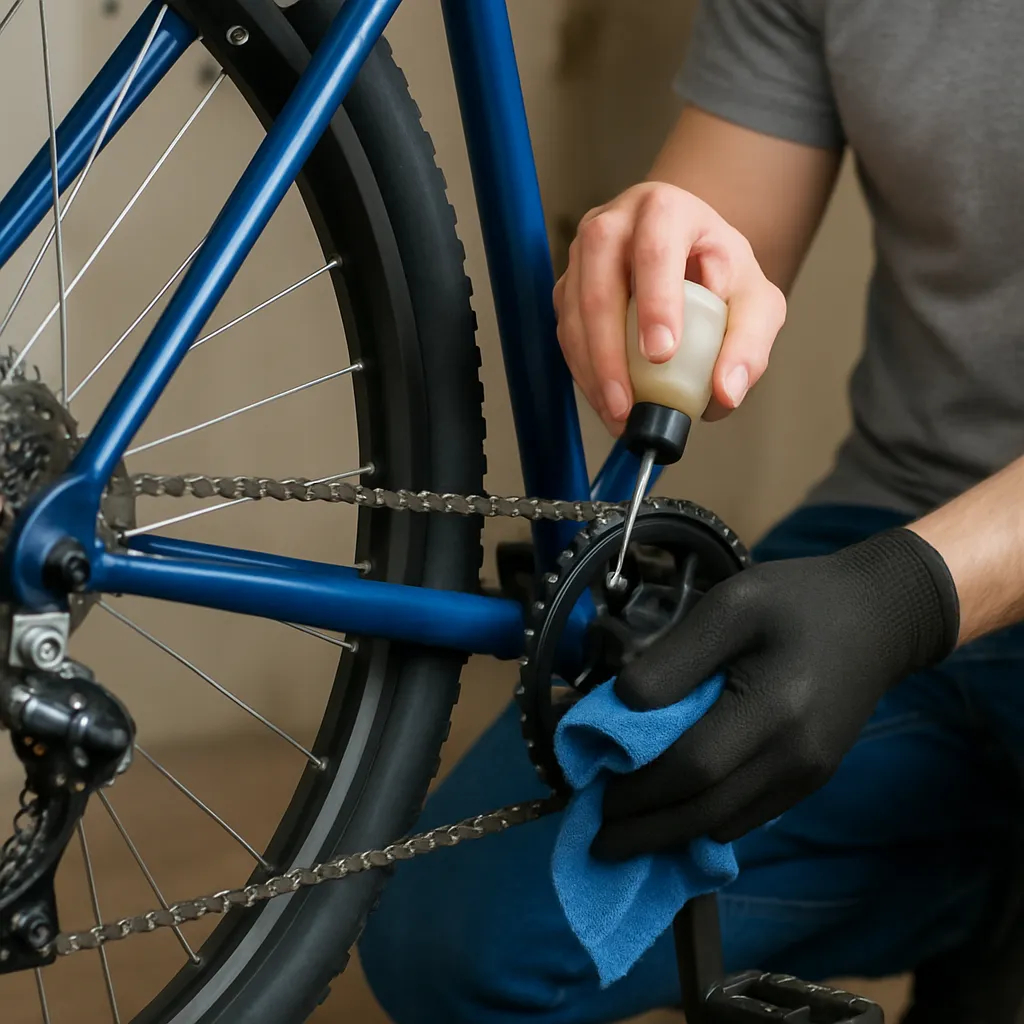
- Chain lubrication: Use a quality wax-based or light oil lube to coat each link, then wipe off excess.
- Pivot and cable lubrication: Apply a drop of light oil to derailleur pivots, brake pivots, and cable housings.
Final Inspection and Maintenance Tips
Once your ride sparkles again, perform a quick check to ensure everything is in perfect working order before your next adventure.
- Bolts and fasteners: Tighten quick-release levers, stem cap bolt, and seatpost clamp to recommended torque.
- Tire pressure: Inflate to the optimal PSI based on rider weight and terrain.
- Wheel alignment: Spin each wheel to check for wobbles or rubbing against brake pads.
- Suspension setup: Confirm that fork and shock air pressures match manufacturer guidelines.
- Test ride: A short spin around the block helps you detect any unusual noises or shifting issues.
With these steps complete, your bicycle is ready for the next muddy expedition. Regular cleaning and proactive care will keep every ride smooth, safe, and enjoyable.