Choosing the perfect cycling jersey is more than a matter of style; it’s a decision that can directly influence your comfort, efficiency, and overall riding enjoyment. A well-selected top not only regulates temperature but also enhances aerodynamics and safeguards against the elements. Whether you are a weekend enthusiast exploring local trails or a competitive racer chasing personal records, understanding the key features of a quality jersey will help you make an informed choice. This guide breaks down the essential factors—from fabric selection to maintenance—so you can invest in gear that truly elevates your ride.
Design and Fabric Selection
When scouting jerseys, the first aspect to consider is the material. Modern cycling tops utilize advanced textiles that optimize breathability and moisture-wicking properties to keep you dry and cool. Fabrics often blend synthetic fibers like polyester with elastane or Lycra for stretch. Some premium models feature a lightweight mesh front panel for increased airflow during intense efforts.
A key performance indicator is how quickly the material moves sweat from your skin to the garment’s exterior, where it evaporates. Jerseys labeled with “pro-level” or “race fit” typically use high-twist yarns and specialized weaves to accelerate this process. Additionally, these fabrics offer exceptional durability, resisting snags and abrasion even after thousands of miles in the saddle.
Fabric Weight and Climate
Lightweight jerseys (120–140 g/m²) excel in hot weather by maximizing ventilation, while heavier options (160–200 g/m²) provide some insulation on cooler days. If you ride through varying seasons, consider a mid-weight jersey with a full-length zipper, allowing you to regulate airflow on the go. Solar-friendly fabrics often come treated with UV-blocking finishes, offering up to 50+ SPF protection against harsh rays.
- Performance fabrics: engineered for racing and high-intensity rides.
- All-rounder jerseys: balanced in weight, suitable for most conditions.
- Thermal versions: brushed interior for improved warmth in cold weather.
Fit, Sizing and Comfort
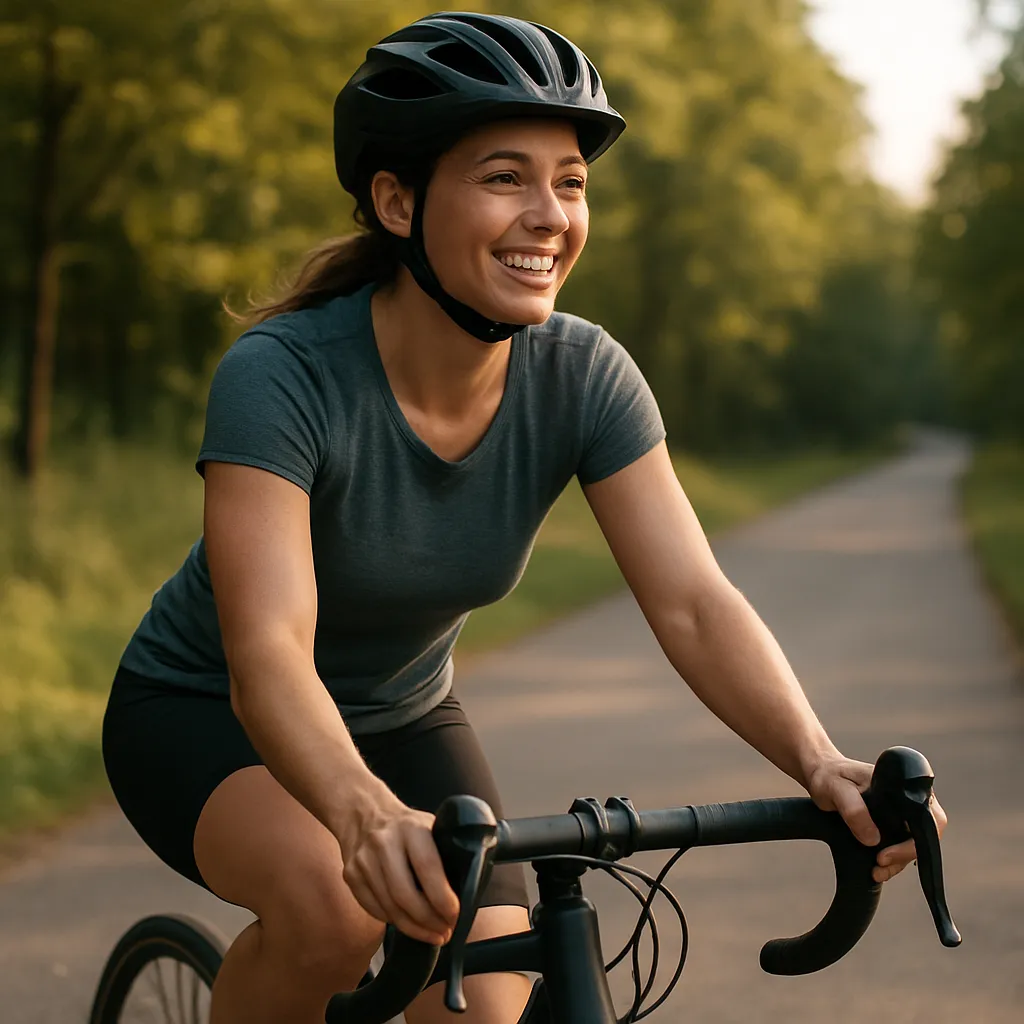
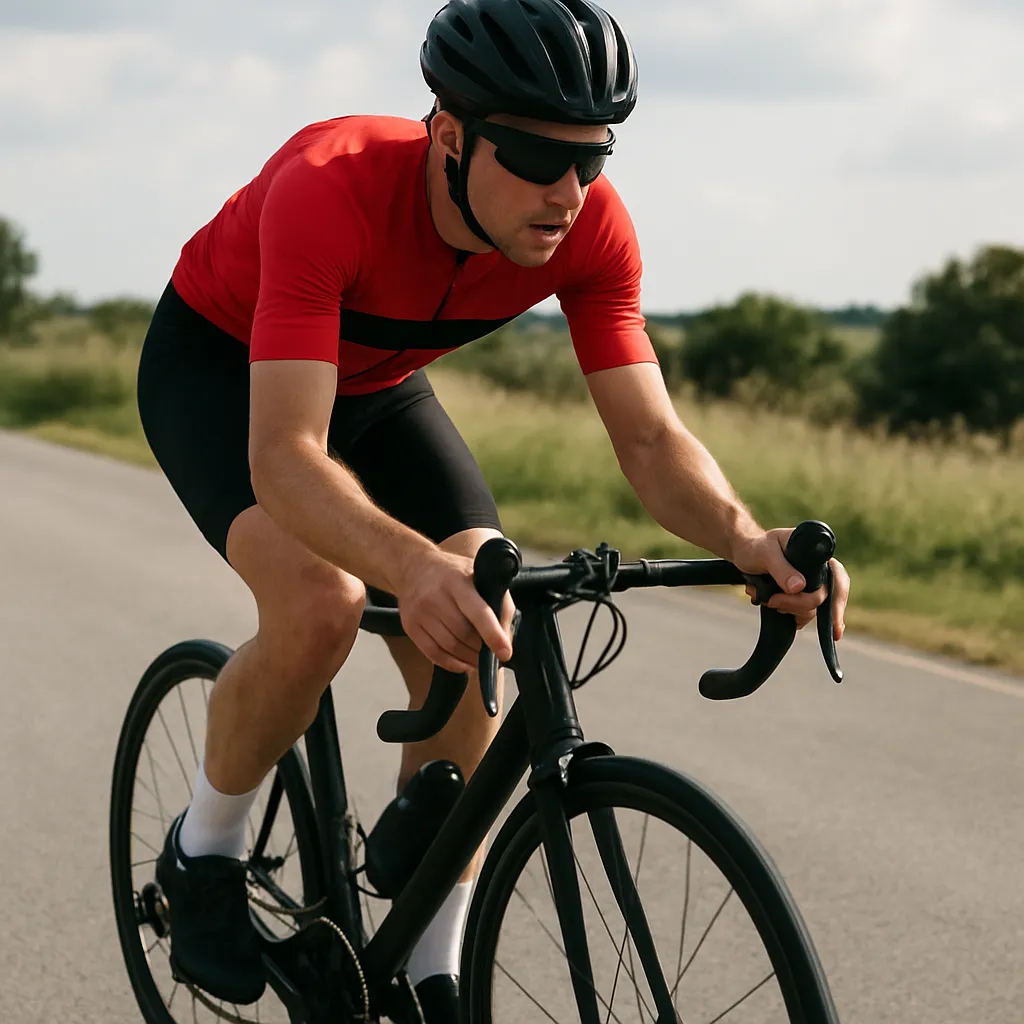
A jersey’s fit influences both aerodynamics and ease of movement. Race-cut designs hug the body to reduce drag, while club or relaxed fits allow a bit more room for casual comfort. Regardless of style, look for flatlock seams that prevent chafing during long hours in the saddle.
Compression and Mobility
Some cyclists prefer mild compression panels that support muscle groups, reducing fatigue and enhancing blood circulation. Elastane content ranging from 8% to 15% typically provides a snug yet flexible fit. Ensure the sleeves sit mid-bicep, and the torso length covers your lower back when leaning forward on the drops.
Chamois compatibility is another critical factor: many jerseys feature open-weave lower back panels that pair well with padded shorts. Pockets should rest at a comfortable height—low enough to access energy gels but high enough to prevent sagging when loaded.
Features and Practical Considerations
Beyond material and cut, practical features can make or break your riding experience. Standard attributes include three rear pockets for essentials, a secure zippered pocket for valuables, and reflective elements for low-light safety. Reflective stripes or logos ensure you stay visible to motorists during dawn or dusk spins.
Full vs. Partial Zipper
A full-length zipper offers maximum ventilation control, especially helpful on climbs or steep descents. Partial zips are lighter and often found on minimalist designs, but they may limit airflow when exhaustion sets in. Look for quality zippers that glide smoothly and lock in position to avoid unwanted flap.
Additional extras such as silicone grippers at the hem prevent the jersey from riding up, preserving a clean aerodynamic line. Some jerseys integrate discreet mesh inserts under the arms or along side panels to boost ventilation without adding bulk.
- UV-treated fabric for sunscreen effect on hot rides.
- Water-resistant coatings to shield against light rain or road spray.
- High-visibility colors and reflective accents for safety.
Maintenance and Care Tips
Proper care extends the life of your cycling jersey and maintains its technical properties. Always wash jerseys inside out on a gentle cycle with cold water to protect the fabric’s finish. Avoid fabric softeners and bleach, as they can clog the fibers and reduce the garment’s ability to wick moisture.
Hang dry or lay flat—never tumble dry, since heat can damage elastic fibers and degrade any water-repellent or UV coatings. If your jersey develops stubborn odours, soak it in a mixture of water and specialized gear detergent before washing. Store jerseys in a cool, dry place away from direct sunlight to preserve color vibrancy and material integrity.
Inspect zippers and seams periodically for wear. Small tears can often be repaired with a needle and matching thread or via a fabric patch kit. By following these care guidelines, you ensure your jersey continues to deliver top performance season after season.