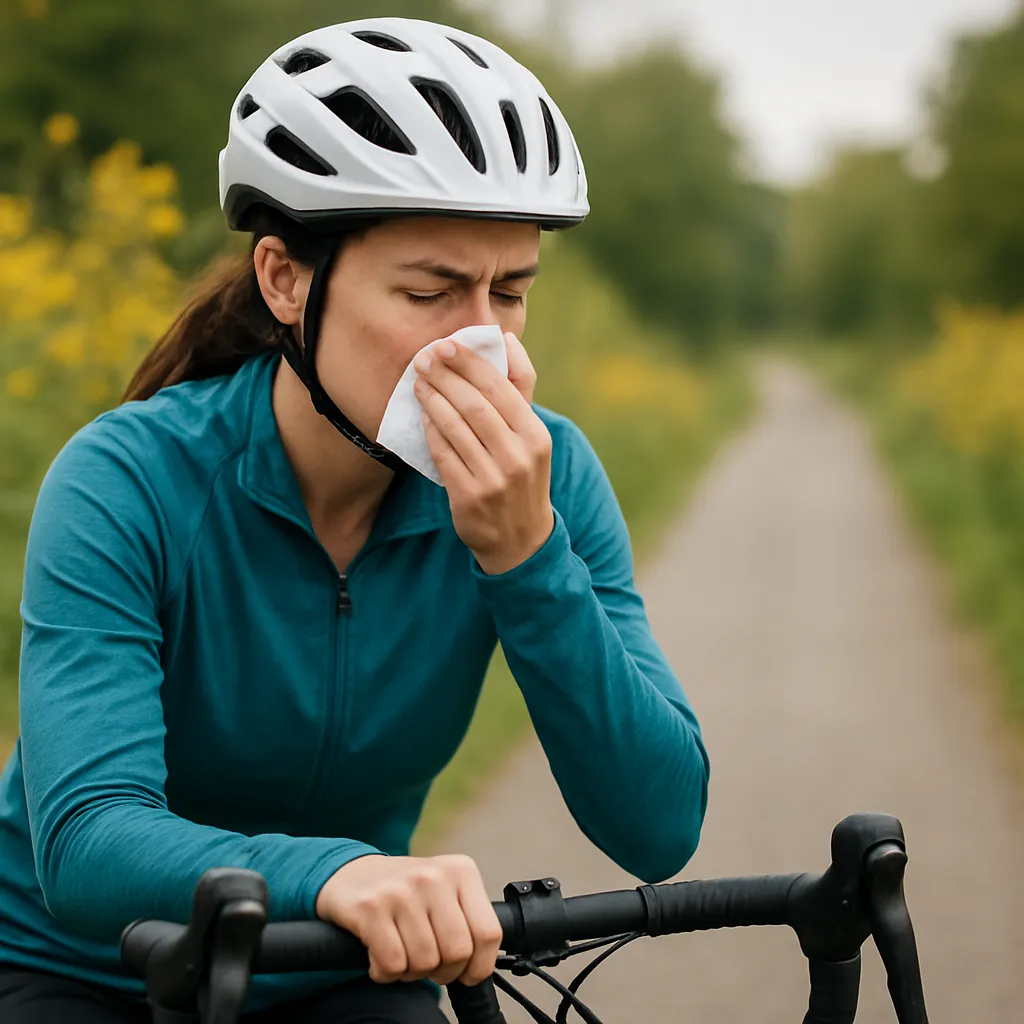
Cycling enthusiasts often face a unique challenge when spring arrives: the surge of pollen and airborne irritants can turn an invigorating ride into a sneeze-filled struggle. Addressing the intersection of two passions—bicycles and fresh air—with the reality of seasonal allergies requires thoughtful planning and practical adjustments. This article explores effective strategies to maintain peak performance and enjoy every pedal stroke even when allergens are at their highest.
Preparing Your Rides Around Pollen Peaks
Understanding the rhythm of the pollen count is the foundation for any allergy-smart cycling plan. By aligning your rides with lower allergen periods and choosing routes that minimize exposure, you protect your respiratory health and keep your performance consistent.
- Monitor Local Forecasts: Use smartphone apps or websites that track daily pollen levels. When counts spike, opt for a lighter recovery ride or indoor training session.
- Choose Cleaner Paths: Urban parks with mixed tree species often have lower allergen dispersion than agricultural zones dominated by blooming crops. Riverside trails may carry moisture that settles pollen.
- Time Your Effort: Early mornings before dawn can mean fewer airborne particles, but beware of dew settling on vegetation—it can irritate nasal passages on contact.
- Plan Route Variety: Rotate your favorite loops to avoid repeatedly breathing concentrated pollen in the same location. Alternating between forested canopies and open roads limits cumulative exposure.
Optimizing Gear and Apparel for Sensitive Cyclists
Appropriate equipment can make a dramatic difference when combating seasonal allergies. Investing in the right protective tools ensures you maintain clear airways and reduce the need for medication during long rides.
Face Protection
Simple modifications like attaching a fine-mesh cycling mask or buff can filter out larger pollen particles. Choose designs with breathable fabrics and replace them regularly to prevent buildup.
Eye Shielding
Wraparound sunglasses or clear protective lenses guard against eye irritation. Models with anti-fog coatings keep vision sharp, even during high-intensity efforts or sudden humidity changes.
Hydration and Skin Care
Keeping your airway and skin barrier functional is vital. Apply a light layer of moisturizing balm under the nostrils to trap allergens before they enter. Use sweat-resistant sunscreen that’s hydrophilic for added comfort on sunny allergy days.
Training Strategies to Minimize Allergy Impact
Adapting your training routine during allergy season preserves energy and reduces inflammation. Implementing targeted adjustments helps you progress without sacrificing health or comfort.
- Structured Interval Sessions: High-intensity intervals indoors on a trainer or rollers can replace long outdoor rides on high-pollen days. You maintain fitness gains without overloading airways.
- Gradual Volume Increases: If allergy symptoms flare, scale back overall mileage by 10–20% and focus on quality efforts rather than quantity. This prevents chronic stress on your immune system.
- Active Recovery Choices: Swap an evening road spin for gentle yoga or foam rolling to promote recovery and support sinus drainage without heavy pollen exposure.
- Breathing Drills: Practice nasal-only breathing drills in a clean indoor environment to strengthen diaphragmatic control. Enhanced breath management can reduce reliance on mouth breathing, which draws more allergens deep into your lungs.
Nutrition and Supplements to Support Allergy Resilience
While no diet can completely eliminate pollen sensitivity, certain foods and nutrients can bolster your body’s defenses. Incorporate these elements into your daily meals to counteract inflammation and boost overall well-being.
- Omega-3 Fatty Acids: Found in flaxseed, walnuts, and fatty fish, these anti-inflammatory fats help reduce histamine response.
- Quercetin-Rich Foods: Apples, citrus fruits, and onions contain quercetin, a natural bioflavonoid known to stabilize mast cells and ease allergy symptoms.
- Vitamin C: Regular servings of bell peppers, strawberries, and kiwi strengthen your immune system and support nasal passages with natural antioxidant protection.
- Probiotics: Yogurt, kefir, and fermented vegetables promote balanced gut flora, which may indirectly reduce allergic inflammation in the lungs.
- Hydration Strategy: Maintain consistent water intake before, during, and after rides to keep mucous membranes fluid and facilitate toxin elimination.
Maintenance and Post-Ride Rituals
An effective post-ride routine clears any lingering pollen and helps your body transition from exercise mode to recovery. Simple steps can make the difference between a minor sniffle and a full-blown allergy attack.
- Rinse your gear—helmets, masks, jerseys—with a gentle detergent immediately after use to wash away pollen particles.
- Shower within 30 minutes of finishing your ride to remove allergens from hair and skin.
- Perform self-massage or foam rolling on the chest and back to open airways and encourage toxin release.
- Use a saline nasal spray or gentle irrigation system to flush nasal cavities and soothe inflamed membranes.
- Apply a lightweight balm or ointment around nostrils to create a protective barrier against residual irritants.
Planning for Long-Term Success
Seasonal allergies need not derail your cycling goals. By integrating environmental awareness, specialized gear, adjusted training, and targeted nutrition, you build a resilient strategy that evolves with changing pollen patterns. Embrace these principles, and each ride can remain an opportunity to connect with the outdoors—confident, comfortable, and allergy-ready.