Embarking on a cycling adventure with friends can transform a simple workout into an unforgettable social experience. By combining exercise with camaraderie, riders not only build endurance but also strengthen bonds through shared challenges and victories. Below, discover practical advice on how to plan, execute, and enjoy a ride that is both entertaining and secure.
Planning Your Route and Logistics
An effective outing starts long before you clip in. Proper preparation sets the stage for a memorable and hassle-free day on two wheels.
Choosing the Ideal route
- Scout terrain options—flat, rolling hills, or mountainous—to match the group’s fitness levels.
- Verify surface conditions: paved roads, gravel tracks, or mixed trails will affect required gear.
- Map out rest stops and potential emergency exit points if the pace becomes too intense.
Coordinating Group Dynamics
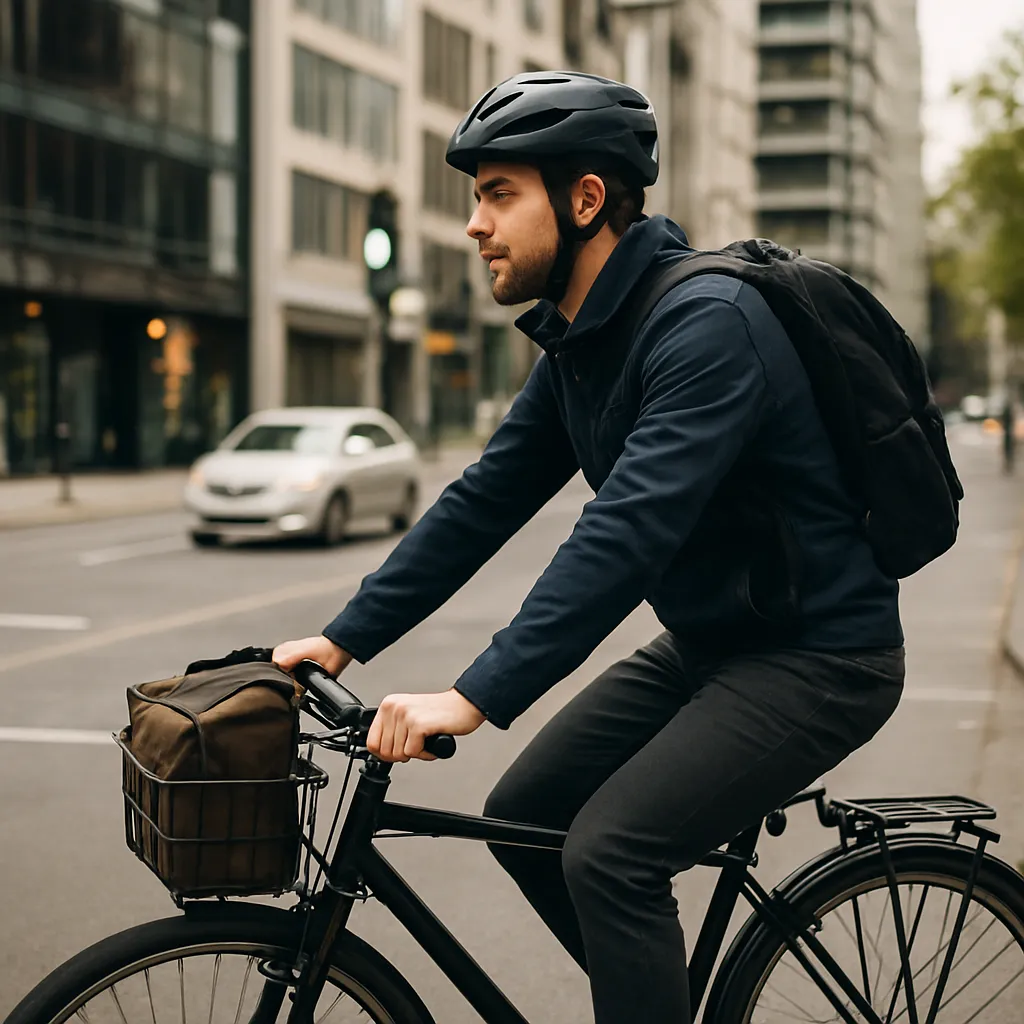
- Assign a designated leader to set pace and follow official traffic regulations.
- Establish clear communication methods—hand signals, verbal cues, or walkie-talkies—to maintain safety.
- Discuss goals in advance: Is this a steady-distance challenge, a scenic tour, or a timed effort?
Essential equipment Checklist
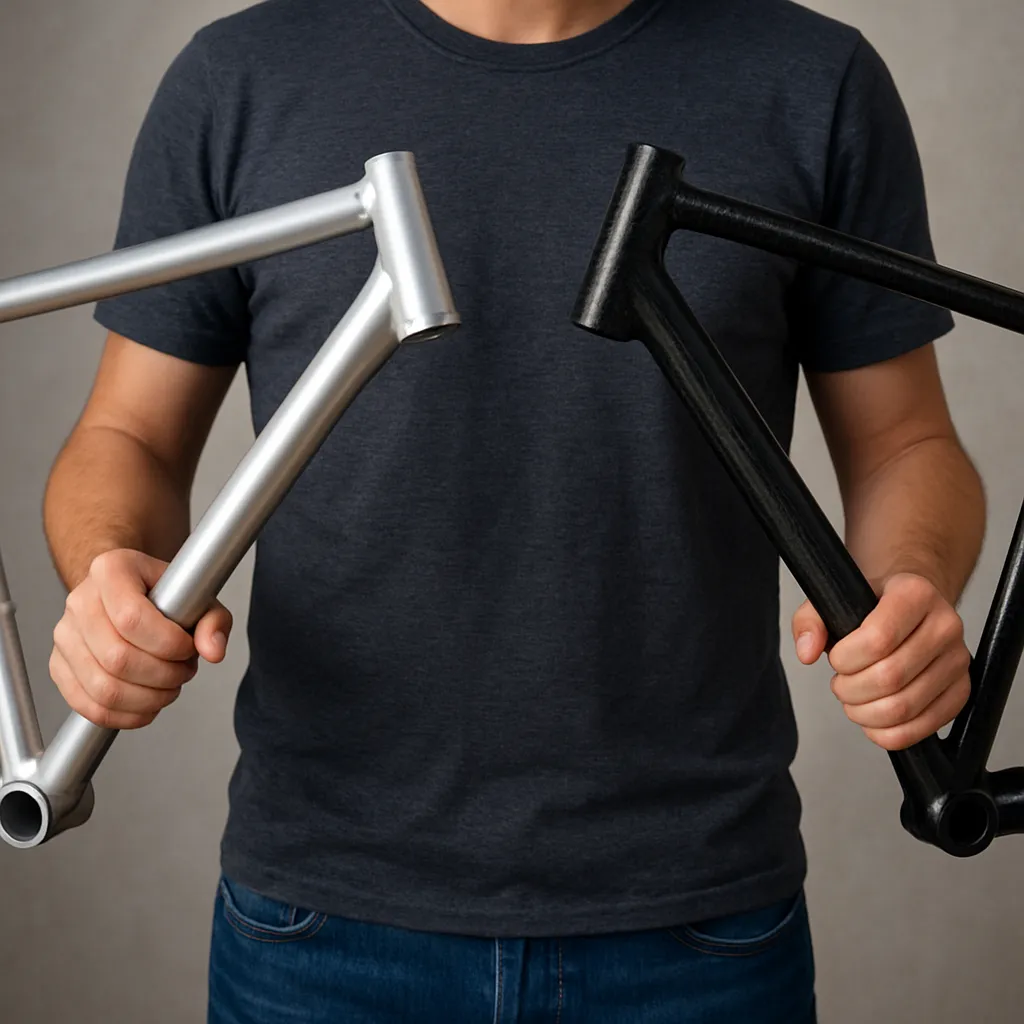
- Bike fit and saddle comfort are critical to avoid fatigue and discomfort.
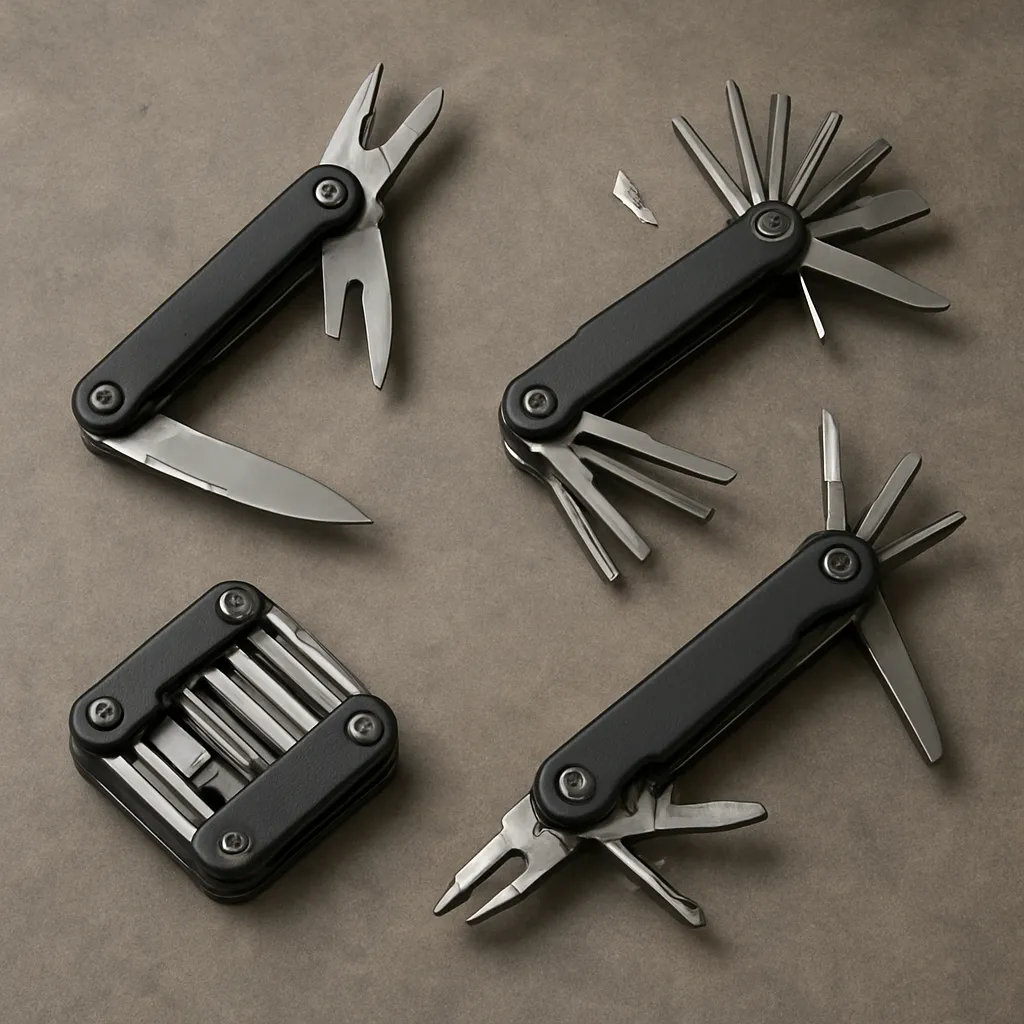
- Pack spare tubes, a pump, tire levers, and any specific tool for your drivetrain.
- Don’t forget personal items: ID, insurance card, cash or card for emergencies.
Ensuring safety on the Open Road
Riding together amplifies the importance of vigilance. Minimizing risks leads to a more enjoyable journey for everyone involved.
Visibility and Protective Gear
- Wear bright jerseys and apply reflective tape on helmets and frames.
- Install front and rear lights; flashing modes grab attention in low-light conditions.
- Always don a certified helmet and consider gloves with palm padding for improved comfort.
Pre-Ride maintenance Procedures
- Inspect brake pads, cables, and chain tension before departure.
- Check tire pressure against manufacturer recommendations to avoid flats.
- Lubricate the chain and pivot points lightly to ensure smooth shifting.
On-Ride Protocols
- Ride in a staggered formation to maintain space and reaction time.
- Use standardized hand signals for turning, slowing, and stopping.
- Call out obstacles—potholes, debris, parked cars—to protect riders behind you.
Maintaining Energy and hydration
Fueling a prolonged cycling session requires forethought and ongoing diligence.
Meal and Snack Strategies
- Consume a balanced breakfast rich in complex carbohydrates and moderate protein.
- Carry energy bars, gels, or dried fruit for quick boosts during the ride.
- Plan a café or picnic stop halfway through to refill and regroup.
Fluid Management
- Aim for 500–750 ml of fluids per hour, adjusting for climate and effort level.
- Electrolyte mixes can prevent cramping during hotter days or intense sections.
- Encourage regular sips rather than waiting until you feel parched.
Fostering camaraderie and Fun
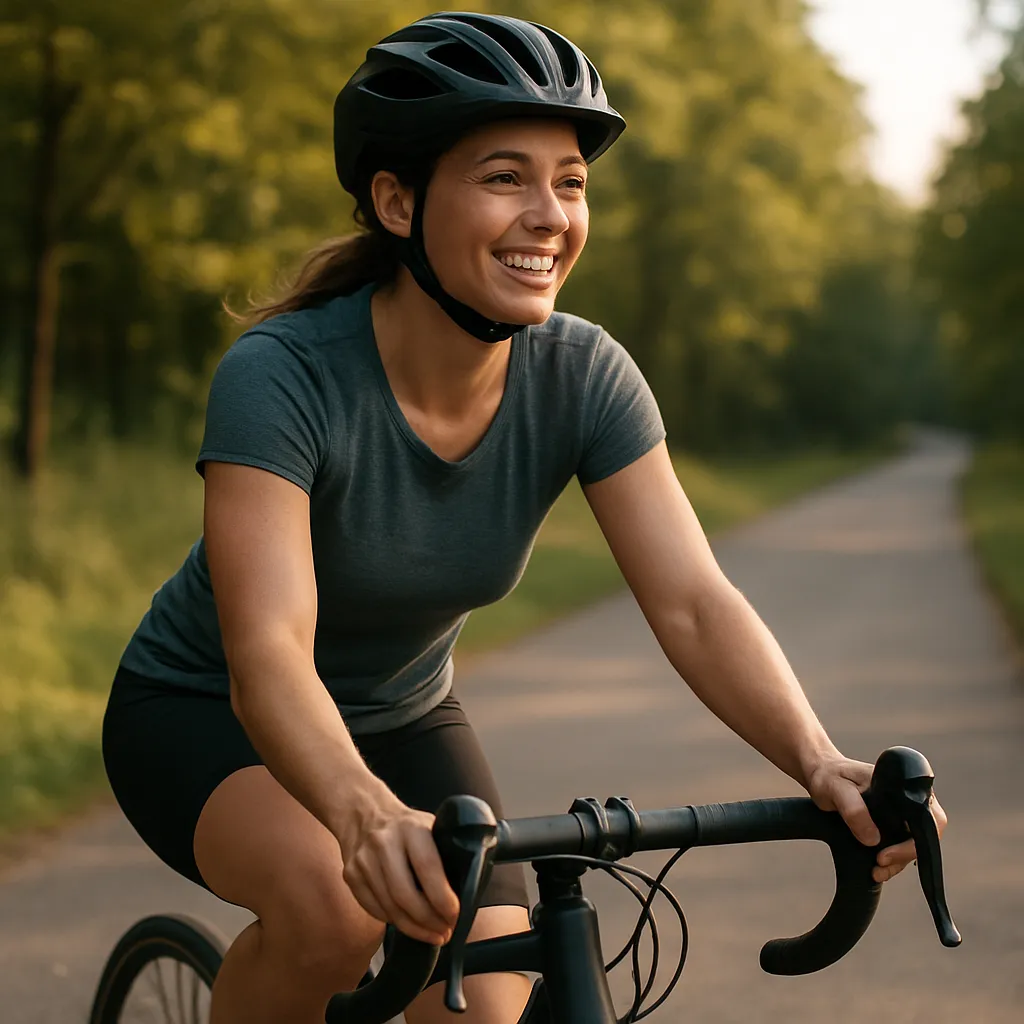
Beyond the mechanical and logistical considerations, the heart of group cycling lies in shared joy and mutual encouragement.
Setting Milestones and checkpoints
- Divide long rides into segments with photo opportunities or quick games.
- Reward milestones—first hill summit or halfway mark—with celebratory snacks.
- Use small prizes (stickers, treats) to motivate participants on challenging sections.
Themed Rides and Social Elements
- Host costume rides—vintage attire, superheroes, color-coordinated squads—to boost morale.
- Incorporate charity elements: pledge donations per kilometer to a local cause.
- Share a post-ride meal at a café or park to recap highlights and strengthen bonds.
Handling Emergencies and Unexpected Challenges
Even the best-laid plans can encounter hiccups. Stay calm and prepared for swift responses.
- Designate a trained first-aider or ensure someone carries a basic kit with bandages and antiseptic.
- Maintain a list of emergency contacts and nearest hospitals along the route.
- Agree on regroup points if the group scatters—lost riders can catch up without panic.
- For mechanical failures, assign a “sweeper” to stay behind until the issue is resolved.