Cycling enjoyment hinges on finding the right saddle that balances support, pressure relief, and long-term comfort. Whether you’re tackling daily commutes or epic weekend rides, an ill-fitting seat can turn your journey into a painful experience. This guide dives into saddle anatomy, rider profiling, and practical testing methods to help you select the optimal bicycle saddle.
Understanding Saddle Anatomy
Every saddle combines several key components engineered to deliver ergonomics and stability. Familiarizing yourself with saddle construction helps you identify which features align with your personal needs and riding style.
Shell Shape and Flex
- Shell: The base structure, often made of nylon or carbon, determines flex and overall support. A stiffer shell suits performance-oriented riders seeking maximum power transfer, while a more flexible shell offers shock absorption for endurance cycling.
- Curvature: Flat shells favor those who shift position frequently and require freedom of movement. Rounded shells conform to the sit bones, providing consistent contact and reduced hotspots.
Padding and Comfort Zones
- Foam vs. Gel: Foam offers lightweight cushioning with quicker rebound, ideal for aggressive riding. Gel inserts conform to your anatomy, distributing pressure evenly, but can add weight.
- Layering: Some high-end saddles blend multiple foam densities, creating zones that support the sit bones while relieving soft tissue compression.
Cutouts and Relief Channels
Central cutouts or relief channels aim to reduce perineal pressure, preserving blood flow and minimizing numbness. Full-length channels suit longer tours, whereas shallow notches work for shorter efforts.
Rails and Mounting Systems
- Steel Rails: Durable and budget-friendly, but slightly heavier.
- Titanium or Carbon Rails: Offer weight savings and vibration damping, though at a premium price.
- Integrated Mounts: Some designs incorporate proprietary clamps or inserts, requiring compatible seatposts.
Matching Saddle to Riding Style
Different cycling disciplines place unique demands on your saddle. Understanding your primary use case narrows your options and ensures the right blend of support and mobility.
Road and Racing
Road cyclists benefit from sleek, minimal saddles that reduce weight and friction. A narrower width allows for a more aerodynamic tuck, while firmer padding ensures stable power transfer in the drops.
Mountain Biking
Off-road terrain calls for durable shells with extra padding and a slightly wider profile. Look for saddles offering additional grip zones and impact-resistant rails to handle rough trails.
Touring and Commuting
Long-distance riders prioritize shock absorption and perineal relief. Saddles with pronounced cutouts, extra gel layers, and a wider sit-bone bearing area help maintain comfort through extended hours in the saddle.
Cyclocross and Gravel
A blend of road and off-road characteristics, gravel riding demands a saddle that manages vibration and allows for agile position changes. Medium-width options with moderate padding and flexible shells are optimal.
Fit Procedures and Real-World Testing
Even the most advanced saddle can feel wrong if improperly adjusted. A systematic fitting procedure and on-bike testing will reveal the perfect match.
Measuring Sit-Bone Width
- Use a foam wedge or tape method to record your sit-bone spacing.
- Select a saddle width that closely mirrors this measurement to ensure even load distribution.
Saddle Height and Tilt
- Height: Aim for a slight bend in the knee at the bottom of the pedal stroke. Too low height increases pressure on soft tissue; too high causes rocking.
- Tilt: A level saddle is starting point. Minor nose-up or nose-down adjustments can relieve blockages or sliding issues.
Short-Term Assessment
Begin with 10–15 minute rides to gauge initial feedback. Focus on:
- Saddle slide – Are you shifting forward or backward?
- Pressure spots – Any hotspots or tingling?
- Hip stability – Is your pelvis level or tilting?
Long-Distance Validation
Once the short test passes, transition to 1–2 hour rides on mixed terrain. Pay attention to:
- Endurance – Does soreness develop over time?
- Chafing – Are your shorts exhibiting unusual wear patterns?
- Comfort consistency – Does the saddle maintain support through fatigue?
Material Selection and Longevity
Saddle materials influence weight, durability, and interaction with your shorts. Choosing the right composition extends saddle life and maintains performance over thousands of kilometers.
Cover Materials
- Microfiber: Lightweight, weather-resistant, and grippy.
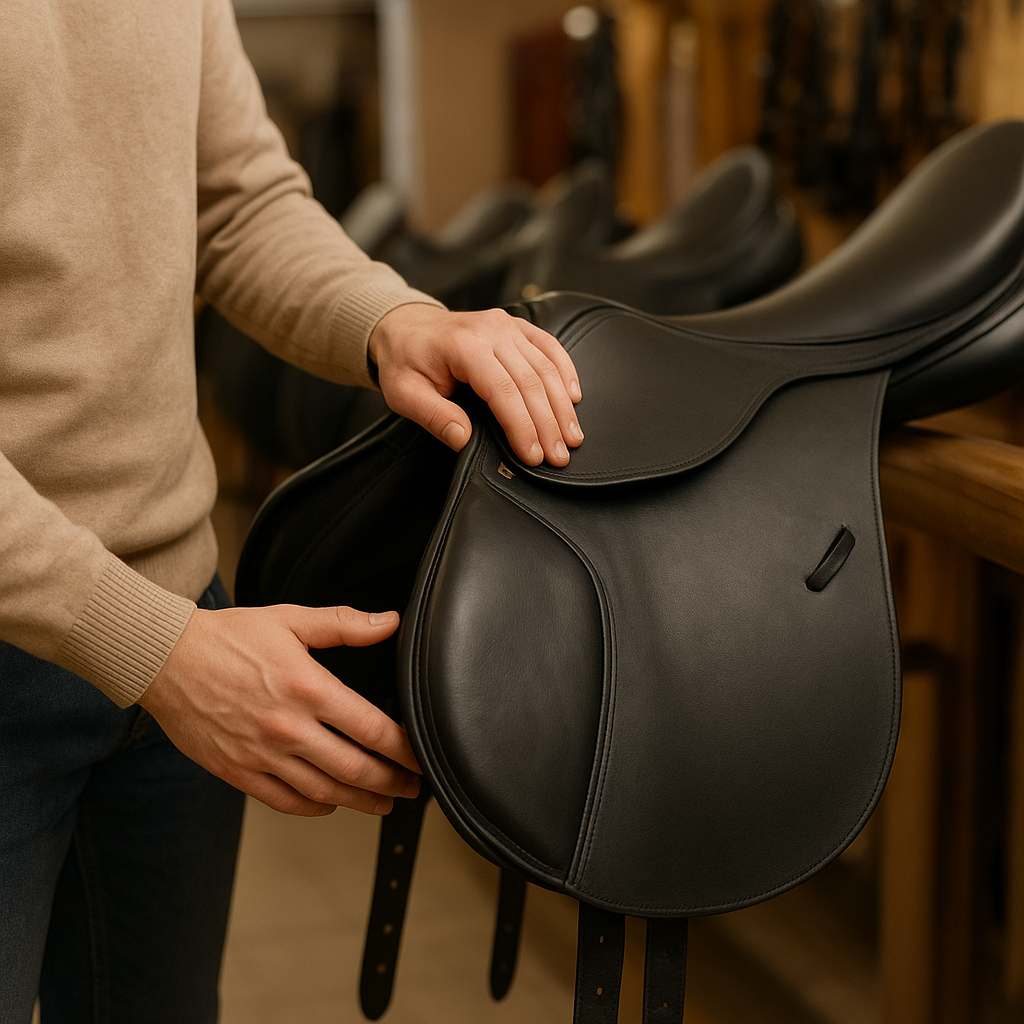
- Leather: Natural break-in and durability, but requires maintenance.
Padding Degradation
Quality foam retains shape longer; budget options may compress, leading to bottoming out. Inspect your saddle every 2,000–3,000 km for signs of deformation.
Rail Fatigue and Cracks
Regularly check rails at the clamp points. Composite rails can fracture under stress, so replace any saddle showing hairline cracks to avoid sudden failure.
Fine-Tuning and Accessories
Small adjustments and add-ons can enhance saddle comfort without a complete swap. Experimenting with these tweaks can make a world of difference.
- Seatpost Suspension: Air or elastomer-based posts absorb trail chatter and reduce impact.
- Gel or Foam Covers: Slide-on covers offer immediate cushioning but may shift under load.
- Chamois Selection: High-quality shorts with multi-density padding work synergistically with your saddle.
- Anti-Slip Sprays: Provide extra grip on waterproof saddles, preventing unwanted slides.
Conclusion of Selection Strategy
Choosing a saddle is a personal journey shaped by your anatomy, discipline, and riding goals. By understanding the critical elements of anatomy, conducting objective fit procedures, and testing various models, you can secure a saddle that transforms every ride into a pleasurable experience. Prioritize gradual adjustments and continuous feedback to discover the ideal seat for endless cycling adventures.