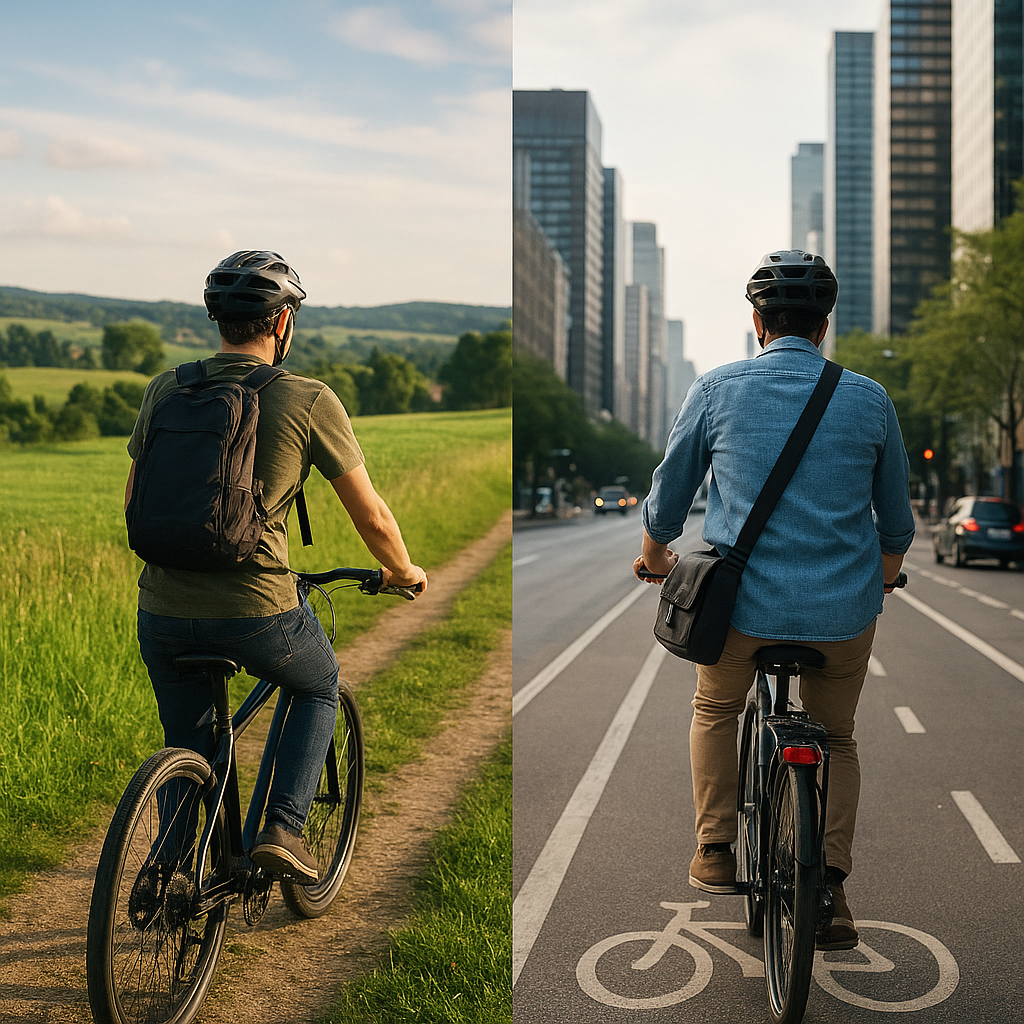
Cycling has the potential to transform urban life by promoting healthier lifestyles, reducing traffic congestion, and cutting greenhouse gas emissions. This article explores practical strategies to create a truly bike-friendly environment, focusing on core areas from built infrastructure to community involvement. Each section presents actionable ideas city planners, cyclists, and advocates can adopt to foster a culture of two-wheeled mobility and enhance overall urban efficiency.
Infrastructure Upgrades for Seamless Cycling
Expanding Protected Networks
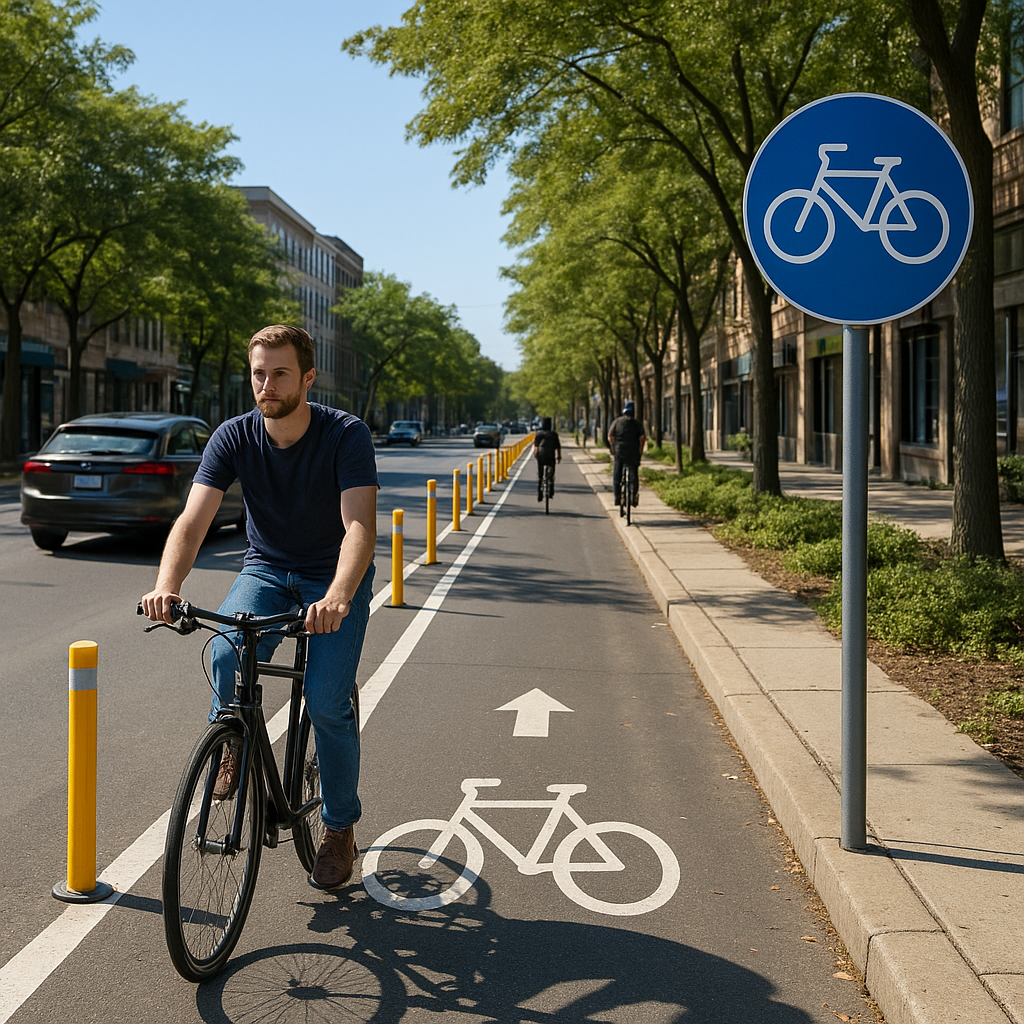
Well-designed cycling lanes form the backbone of a safe and appealing biking experience. Instead of retrofitting busy roads with painted lanes, cities should prioritize building protected bike paths. These physically separated lanes shield cyclists from vehicular traffic, boosting confidence among riders of all ages.
- Install infrastructure such as bollards, curbs, or planters to create distinct corridors for cyclists
- Connect residential areas directly to business districts, schools, and parks
- Ensure consistent lane width of at least 1.5 meters for one-way protected cycling
Integrating Bike Share and Micromobility
Shared bikes and e-scooters can extend the reach of public transport systems and encourage spontaneous trips. Strategically place docking stations near transit hubs, shopping centers, and cultural venues to facilitate easy transfers between modes.
- Encourage public-private partnerships for sustainable innovation and maintenance
- Offer flexible pricing tiers, including free initial minutes to promote trial rides
- Provide real-time availability data through mobile apps and digital kiosks
Secure Parking and End-of-Trip Facilities
Often overlooked, safe and convenient bike parking can make or break a rider’s decision to cycle. Implement multi-level rack systems in high-demand zones and offer secure indoor storage for commuters.
- Deploy galvanized steel racks spaced to prevent handlebar collisions
- Install surveillance cameras and lighting in enclosed bike rooms
- Integrate lockers, changing rooms, and repair stations at major offices and transit stations
Policy Measures and Financial Incentives
Encouraging Multi-Modal Travel
Successful cities recognize cycling as an integral part of the transport ecosystem. Introducing policies that permit bikes on trains, trams, and buses during off-peak hours can greatly improve accessibility and network resilience.
Subsidies and Tax Benefits
Financial incentives play a crucial role in convincing individuals to leave their cars at home. Offer:
- Tax credits for purchasing commuter bicycles and safety gear
- Employer-sponsored health programs that reimburse a monthly cycling allowance
- Discounted insurance premiums for those with verified cycling commutes
Low-Emission and Car-Reduction Zones
Designating areas where cars face restrictions or higher fees can shift travel patterns toward cycling. By integrating sustainability goals into zoning regulations, cities can create vibrant, low-traffic districts ideal for walking and biking.
- Implement congestion charges in central districts
- Provide exemptions or reduced rates for electric cargo bikes
- Offer small business grants to upgrade storefronts in car-free zones
Community Engagement and Cultural Shift
Building a Cycling Culture
Infrastructure alone isn’t sufficient. Cultivating a positive perception of cycling fosters long-term behavioral change. Host community rides, open streets festivals, and neighborhood challenges to celebrate bike-centric living.
Partnerships with Local Organizations
Engage NGOs, schools, and advocacy groups in co-creating programs that resonate with diverse populations. Collaborative workshops can produce tailored solutions for parents, seniors, and newcomers, ensuring inclusivity and mutual learning.
- Set up mentorship programs pairing experienced cyclists with beginners
- Run bike maintenance classes at community centers
- Coordinate bike-to-work days with local employers and transit agencies
Leveraging Digital Platforms
Modern engagement relies on digital tools. Use interactive maps, social media challenges, and mobile alerts to keep citizens informed about new routes, events, and safety updates. A well-designed app can track progress, reward frequent rides, and facilitate instant feedback.
Education and Safety Campaigns
Comprehensive Rider Training
To reduce collisions and instill confidence, offer structured classes covering urban traffic rules, defensive riding techniques, and basic bike repair. Collaborate with local law enforcement and cycling clubs to certify instructors and standardize curricula.
Public Awareness Initiatives
Visibility campaigns that remind motorists and cyclists to share the road are vital. Deploy roadside banners, bus adverts, and digital billboards with clear messages like Share the Lane and Stop for Cyclists. Highlight success stories featuring everyday riders to humanize the cause.
Data-Driven Safety Enhancements
Utilize crash and near-miss data to pinpoint hazardous intersections and corridors. Integrate this information into planning processes to:
- Install traffic-calming measures such as raised crosswalks and curb extensions
- Optimize signal timings to give cyclists dedicated green phases
- Implement smart lighting that adapts to cyclist presence for enhanced night-time visibility
Designing the Future of Urban Cycling
The journey toward a bike-friendly city demands sustained effort across multiple fronts. By combining robust physical networks, supportive policies, active public engagement, and targeted safety programs, urban centers can unlock the full potential of two-wheeled travel. Encouraging everyday cycling not only promotes physical wellbeing but also nurtures a resilient, collaboration-driven community focused on environmental stewardship and long-term urban vitality.