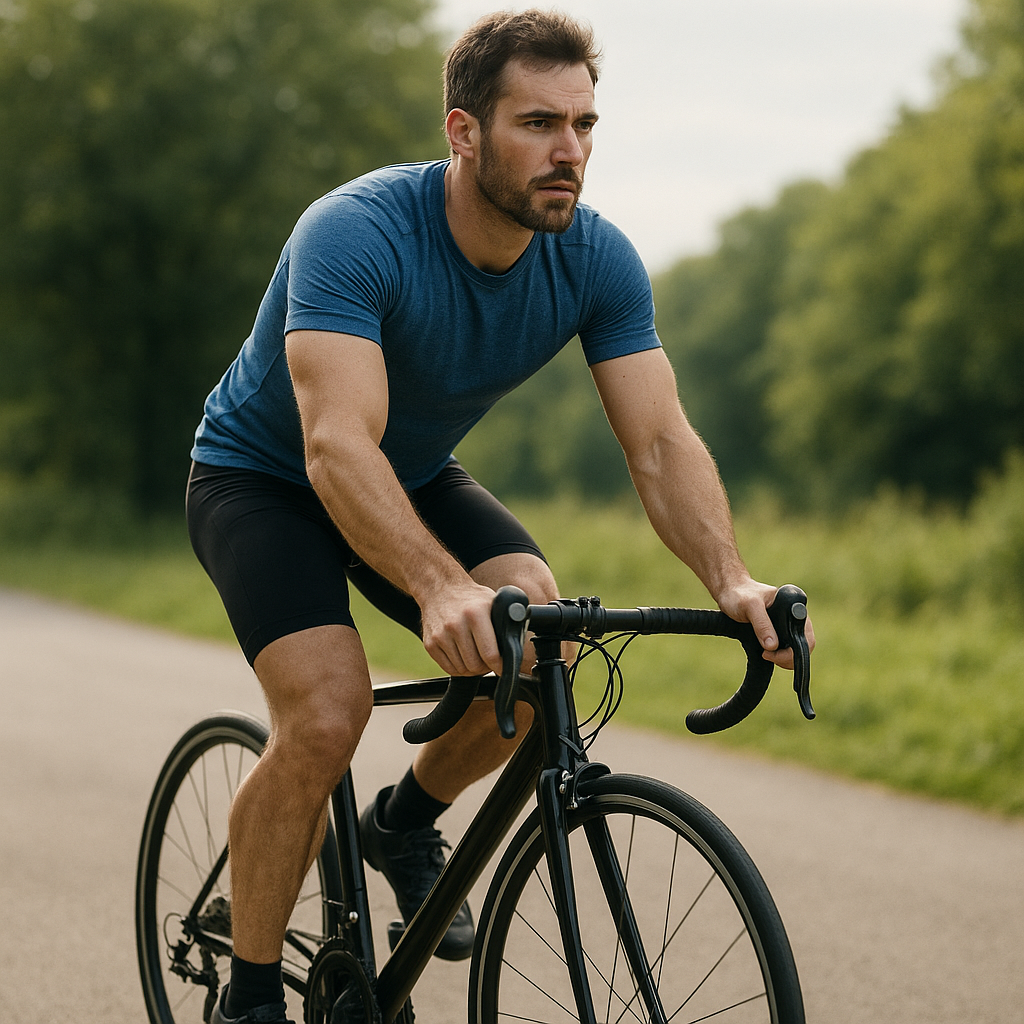
Embarking on a cycling journey that spans an entire nation is a thrilling challenge that combines adventure, endurance, and discovery. Careful preparation and thoughtful decision-making will turn a demanding expedition into an unforgettable experience. This guide outlines the essential steps to plan a successful cross-country ride, covering route selection, equipment, training, and logistics.
Selecting the Ideal Route
Choosing the right corridor across a country is the foundation of any great cycling adventure. Whether you prefer coastal roads, mountain valleys, or rural backroads, the route should match your goals, skill level, and timeframe.
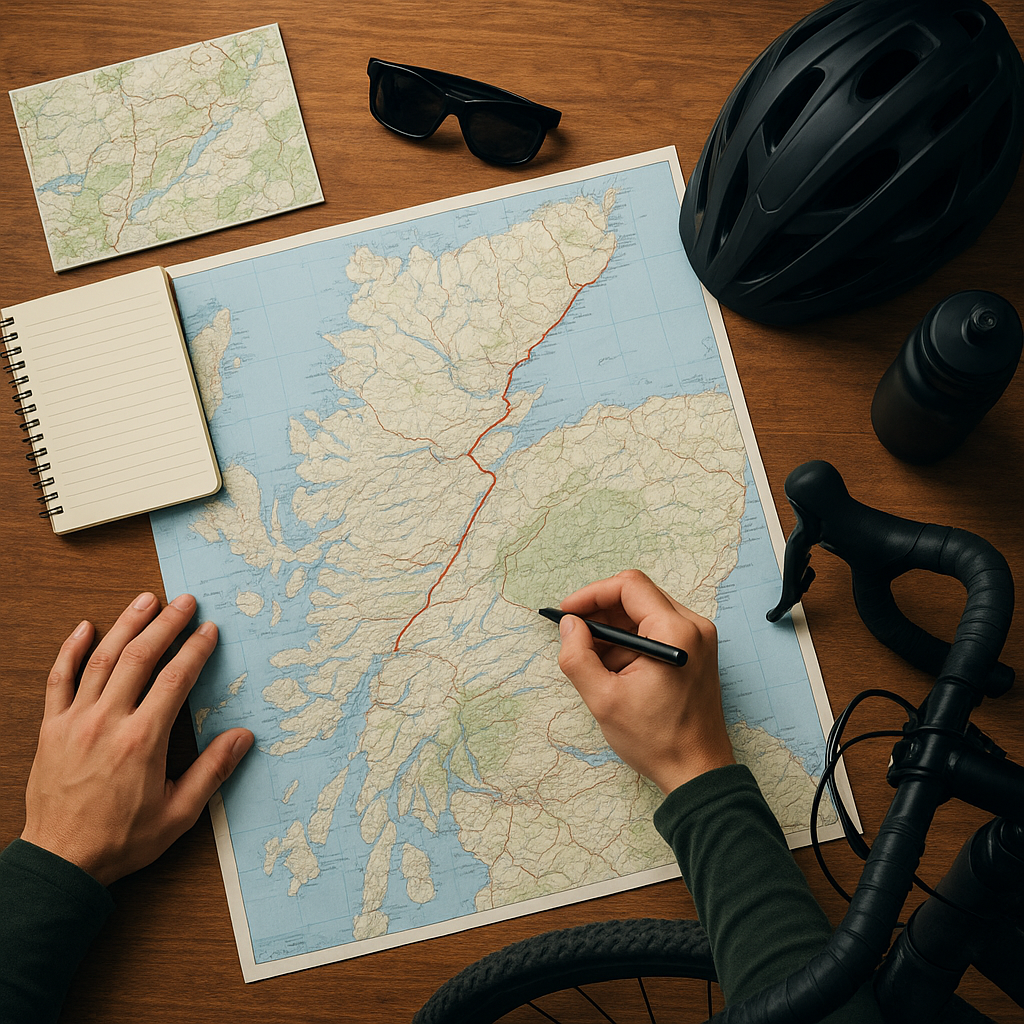
Mapping Out Distances and Daily Goals
- Divide the total mileage into manageable daily segments, accounting for rest days.
- Consider average speeds based on terrain; a hilly course will slow you down compared to flat plains.
- Factor in daylight hours and seasonal weather conditions to avoid extreme heat or early dusk.
Evaluating Terrain and Road Conditions
Research the surface quality of roads: paved highways, gravel tracks, or mixed trails. Steep climbs demand more effort, so pinpoint major passes and estimate the time required. Use satellite imagery and cycling forums to read firsthand reports on terrain challenges.
Scenic and Cultural Highlights
Identify points of interest such as national parks, historic towns, and local markets. These stops nourish the spirit and offer rich cultural immersion. Plan buffer days for unexpected sights or photographic opportunities.
Preparing Bike and Essential Gear
Your bicycle is both vehicle and companion. Ensuring its reliability and comfort is critical for covering long distances day after day.
Choosing the Right Bicycle
- Touring bikes with stable frames, durable wheels, and multiple mounting points for racks.
- Gravel bikes if you expect mixed surfaces; they offer a balance of speed and shock absorption.
- Proper frame fit to minimize fatigue—consider a professional bike fit before departure.
Packing Effective Luggage
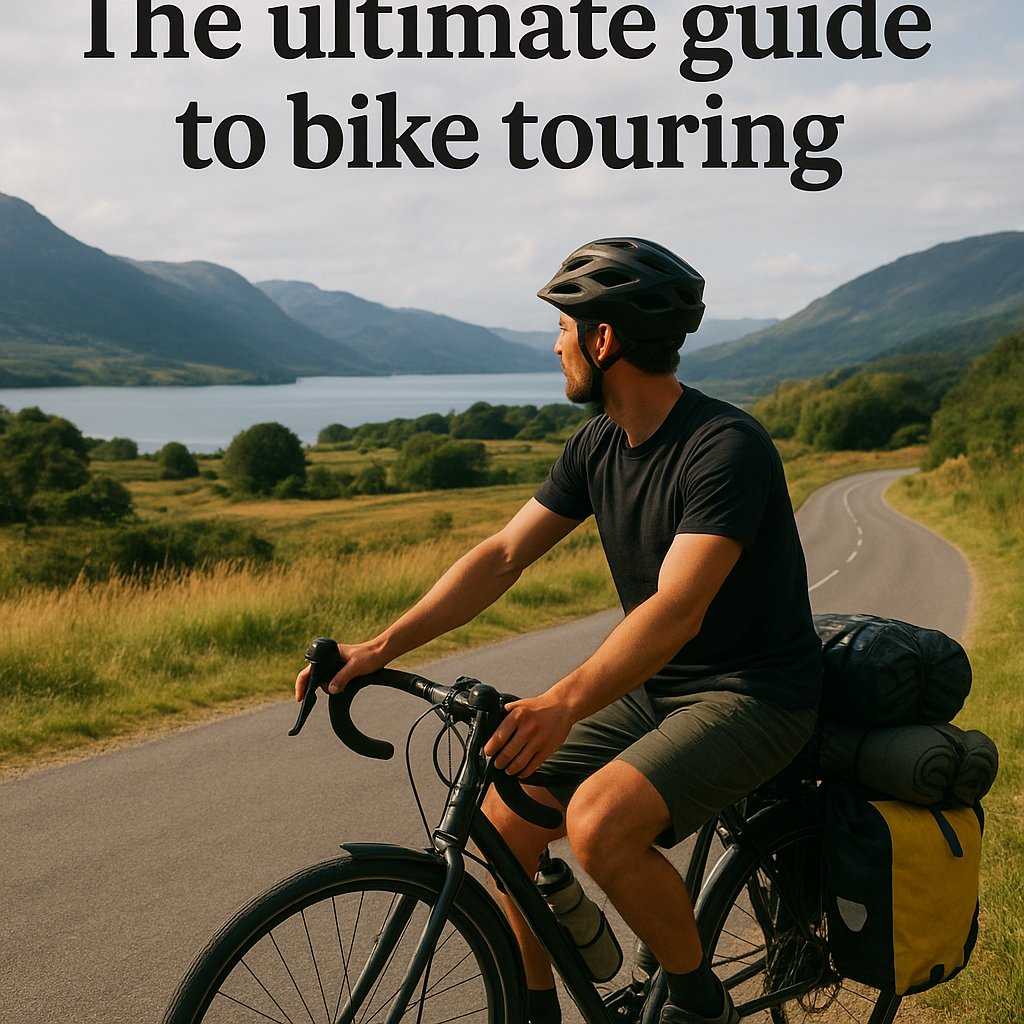
Use lightweight panniers or bikepacking bags to distribute weight evenly. Essential items include:
- Multi-tool, spare tubes, patch kit, and maintenance supplies.
- Compact pump or CO₂ inflator and chain lubricant.
- Layered clothing for variable weather, waterproof jacket, and reflective gear.
Hydration and Nutrition Gear
Install enough bottle cages or hydration reservoirs to carry at least 2–3 liters of water. Consider a hydration pack for hot stretches. For food, use resealable bags and compact containers to store energy gels, nuts, and other quick snacks.
Building Endurance and Physical Readiness
Long-distance cycling tests both mind and body. Developing a structured training plan ensures you can handle daily rides of 80–150 km (50–90 miles).
Structured Training Phases
- Base Phase: Focus on building moderate mileage at conversational pace.
- Intensity Phase: Incorporate hill repeats and interval workouts to boost endurance.
- Taper Phase: Reduce volume before departure to arrive fresh and injury-free.
Cross-Training and Recovery
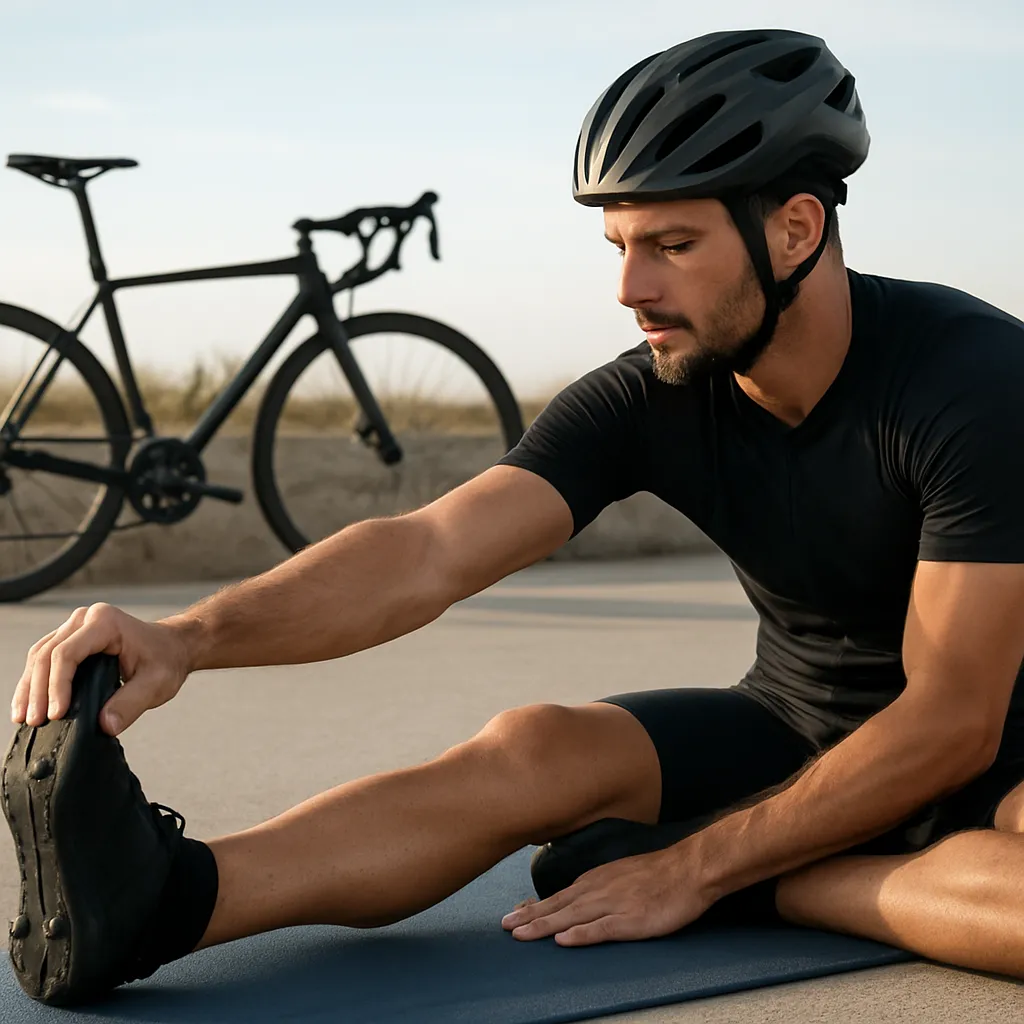
Include strength workouts, yoga, or swimming to support muscle balance and flexibility. Prioritize rest days and adequate sleep to prevent overtraining. Pay attention to minor aches and address them early with stretching or massage.
Navigation, Communication, and Safety
Navigating unknown roads and staying safe are paramount when far from home. Blend technology with traditional methods for the best results.
Digital Tools and Paper Maps
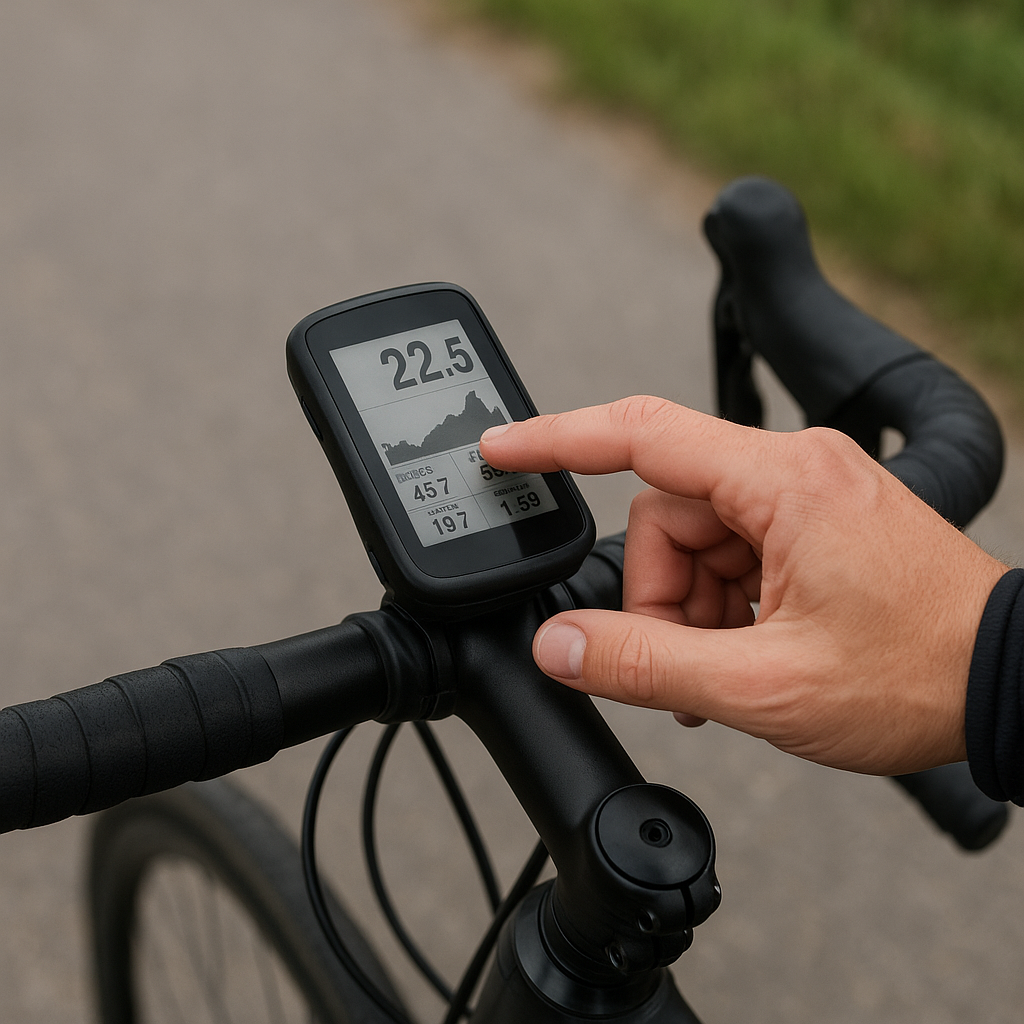
- GPS devices or smartphone apps with offline maps. Download regions ahead of time.
- Paper maps as a backup, especially in areas with weak satellite signals.
- Compass and basic cartography skills for quick orientation.
Emergency Preparedness
Carry a first-aid kit stocked with bandages, antiseptic, blister pads, and any personal medications. Share your daily plan with a trusted contact and schedule regular check-ins. Consider a personal locator beacon (PLB) or satellite messenger for remote regions.
Riding Etiquette and Local Regulations
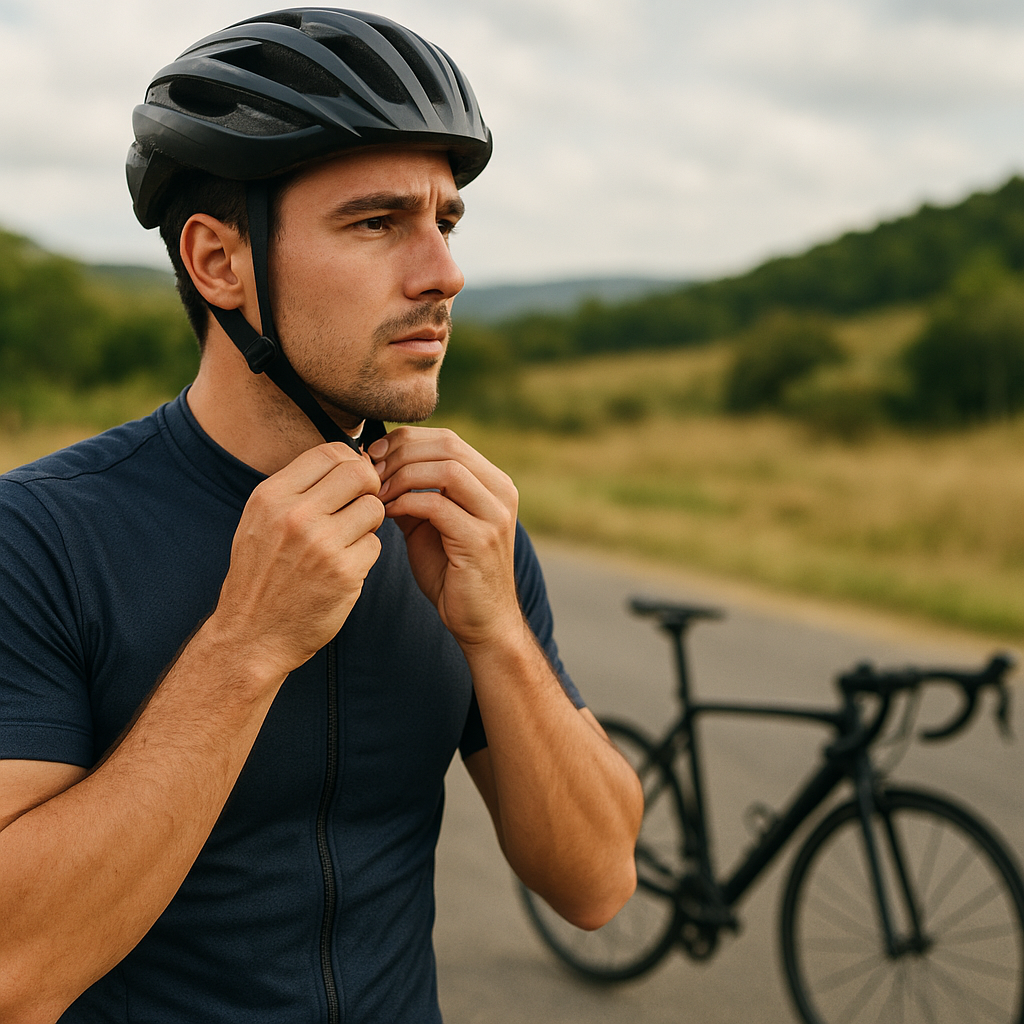
Follow traffic rules, respect trail closures, and yield to pedestrians and livestock. In some countries, cyclists must wear helmets or reflective clothing. Research local laws to avoid fines or legal complications.
Accommodation and Meal Planning
Finding safe places to rest and refuel is a key logistical challenge. Options range from camping to small inns or local hospitality networks.
Camping vs. Lodging
- Wild camping offers flexibility but requires Leave No Trace practice.
- Hostels, guesthouses, and bed-and-breakfasts provide showers and a warm bed.
- Pre-book hotels in high-season regions to secure your room.
Nutritional Strategies
Aim for balanced meals with carbohydrates for energy, protein for muscle repair, and fats for sustained burn. Pack non-perishable items like dehydrated meals for nights in the wilderness. In towns, sample local cuisine to replenish electrolytes and vitamins.
On-The-Road Bicycle Maintenance
Minor mechanical issues can stop your journey if unaddressed. Learning basic repairs will keep you moving between towns or service shops.
Flat Tire Repair
- Practice removing wheels and replacing tubes before the trip.
- Carry two spare tubes and a patch kit in case of multiple punctures.
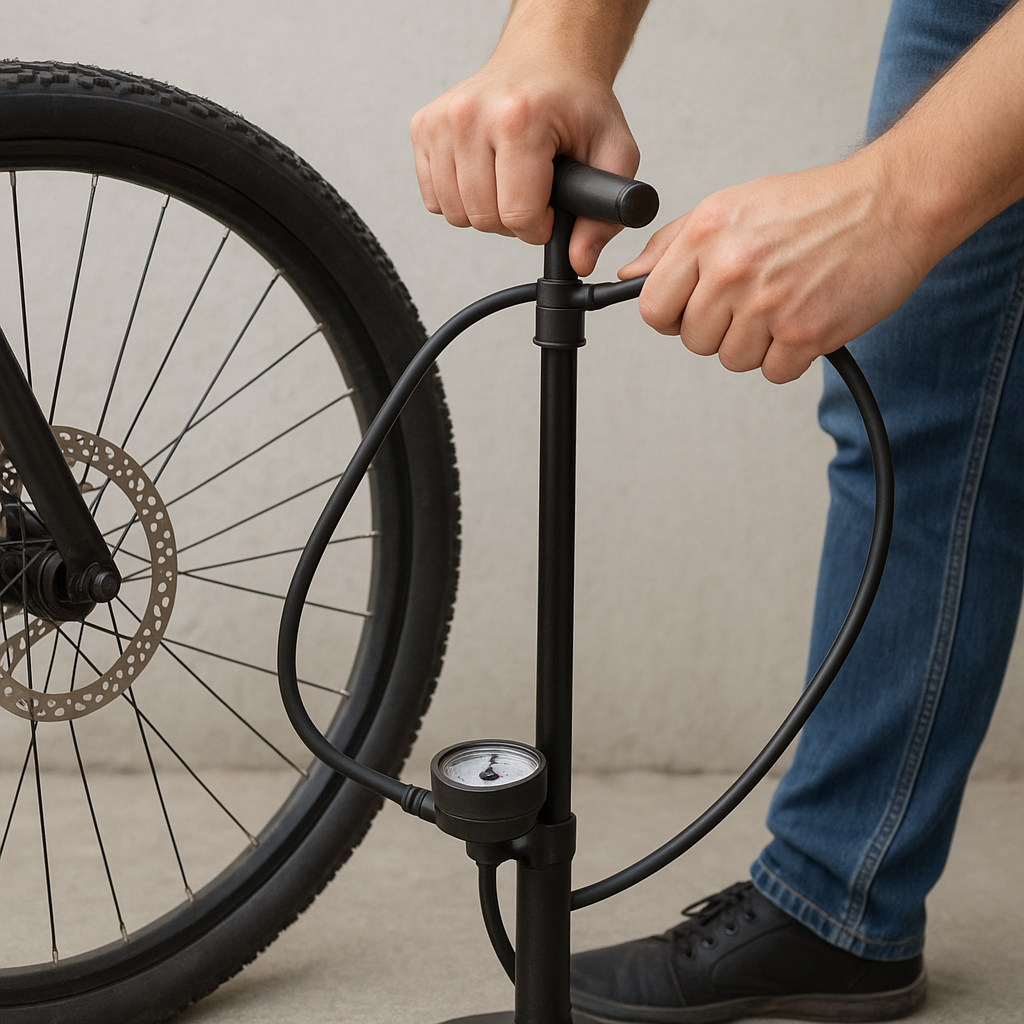
- Check tire pressure nightly to detect slow leaks early.
Chain and Drivetrain Care
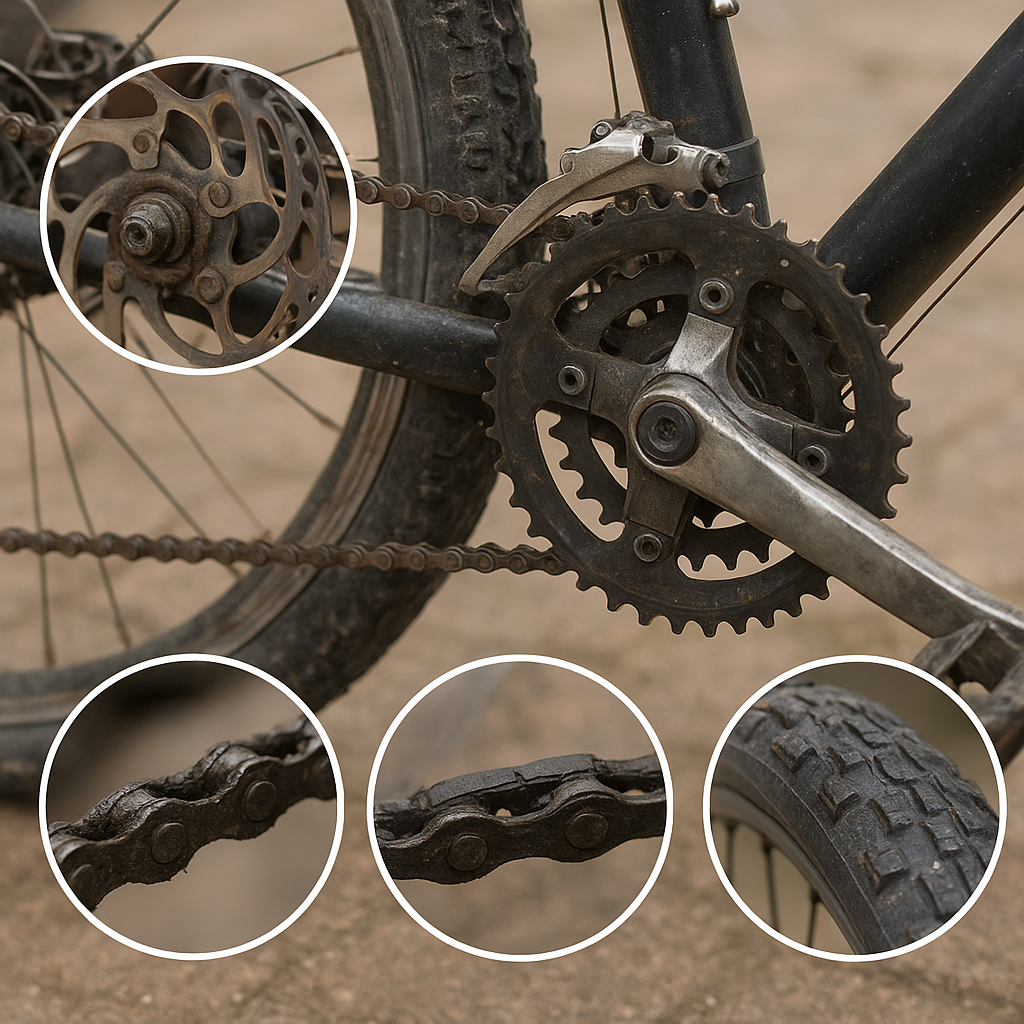
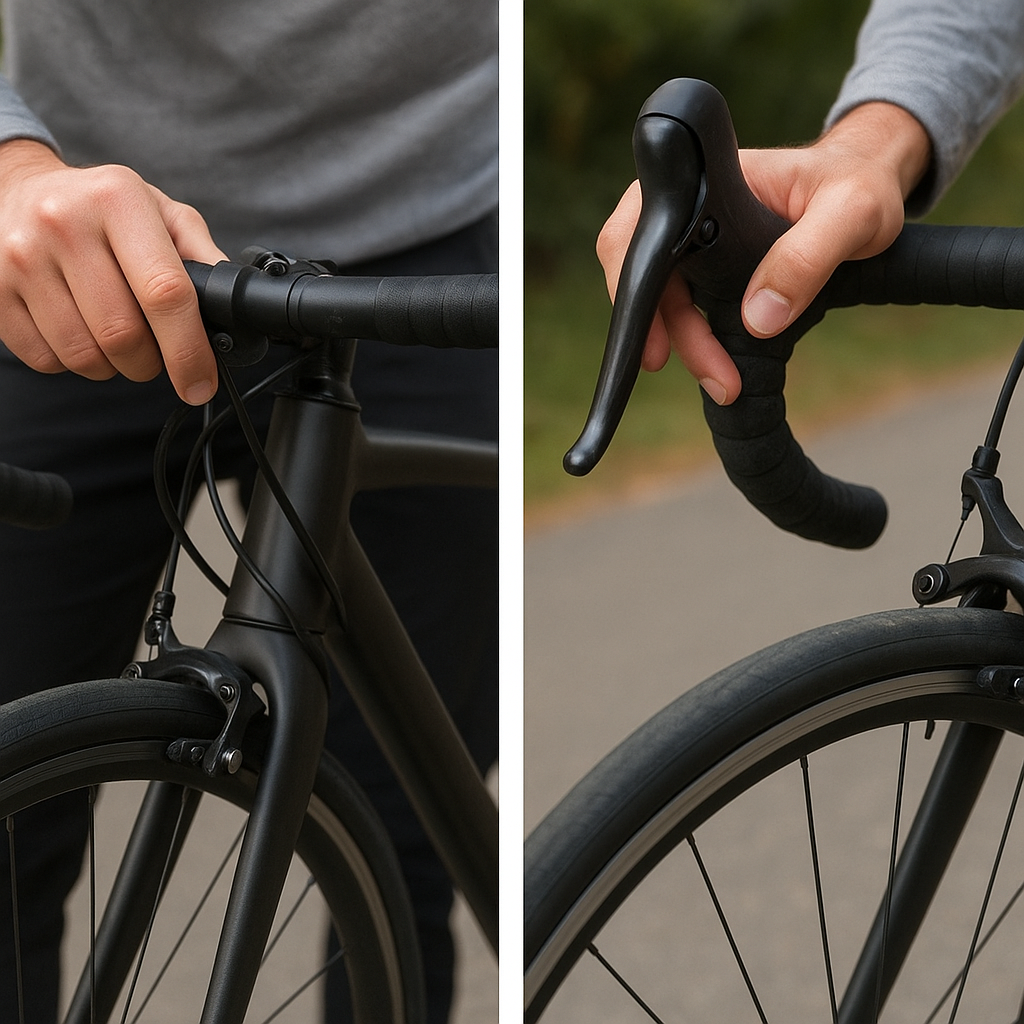
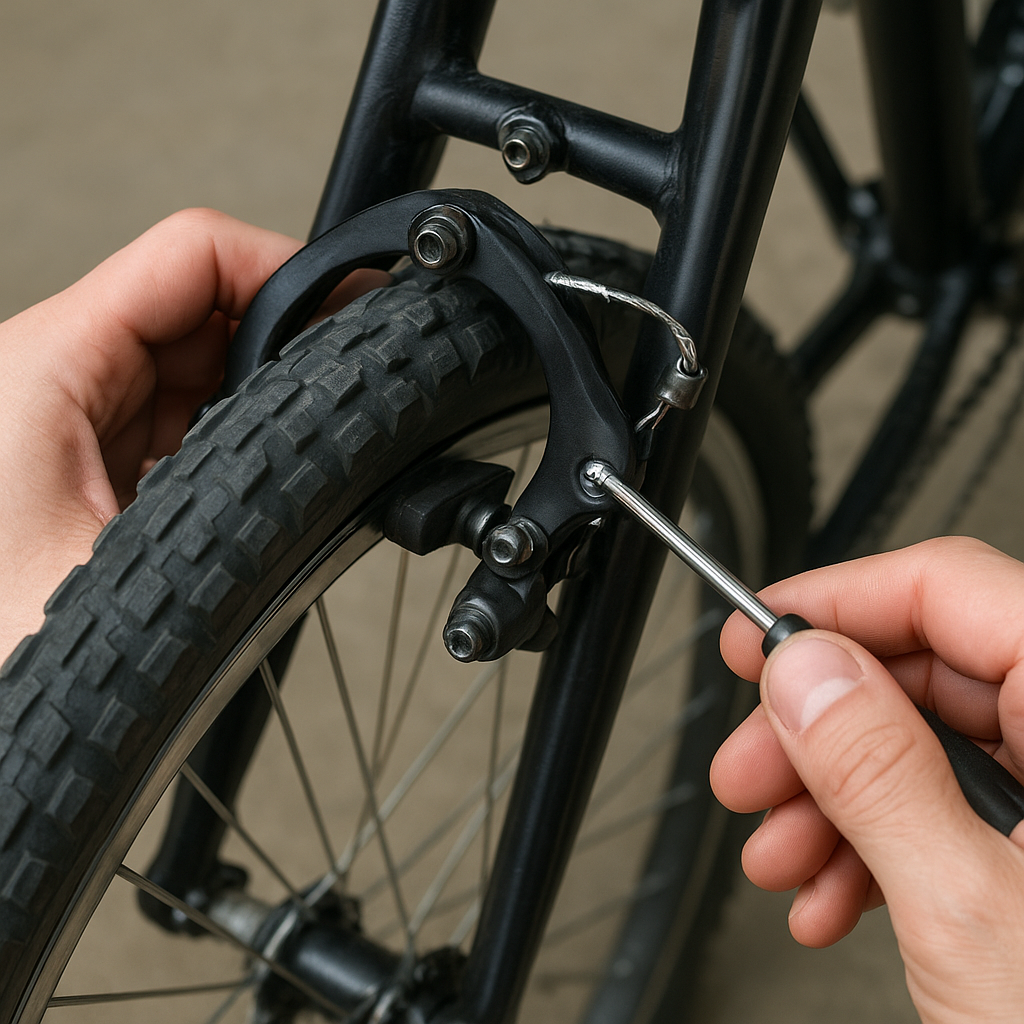
Clean and lubricate the chain every few hundred kilometers. Inspect for wear and replace the chain if elongation exceeds recommended limits. Keep an eye on shifting performance; loose cables or bent derailleurs can be adjusted with simple tools.
Emergency Frame and Wheel Fixes
Lightweight zip ties, duct tape, and a spoke wrench can help stabilize broken racks or straighten bent spokes. While these are temporary fixes, they often carry you to the next town for a permanent repair.
Adapting to Unexpected Challenges
No matter how detailed your plan, surprises will arise: sudden weather fronts, route closures, or health hiccups. Cultivating mental resilience and adaptability helps you pivot smoothly.
Flexible Itinerary
Build in buffer days and alternate paths. If a mountain pass is snowbound, a detour along lower roads might extend your distance but keep you safe. Embrace detours as new adventures rather than setbacks.
Local Insights and Community
Engage with fellow cyclists, local mechanics, or hostel owners. Their recommendations on scenic detours, hidden campsites, or reliable water sources can transform a difficult stretch into a highlight. Social media and cycling forums often connect you with a supportive network on the go.