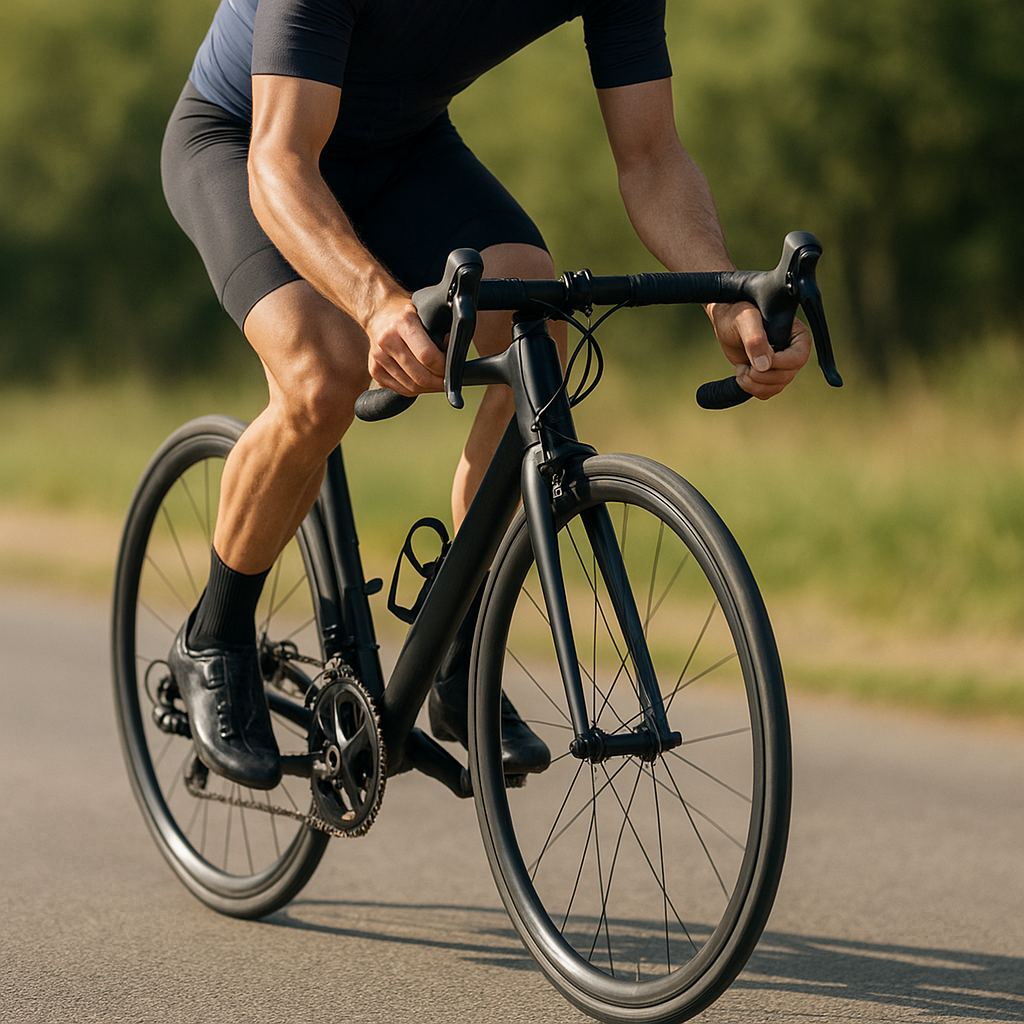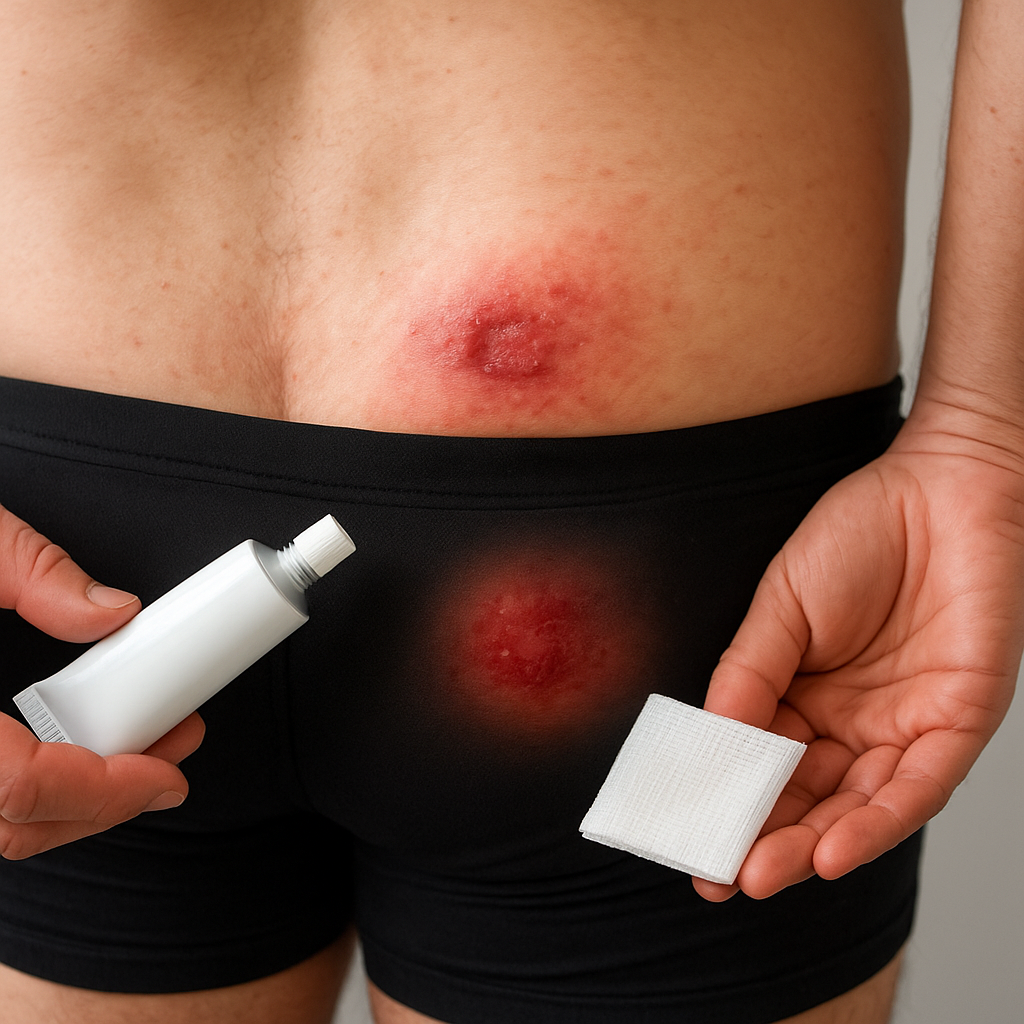
Cyclists of all levels can encounter discomfort known as saddle sores, a common issue that arises from prolonged contact with the bike saddle. These skin irritations range from mild redness to painful lesions that can derail training schedules and leisure rides. By understanding the root causes, adopting proactive measures, and applying effective remedies, riders can maintain optimal comfort and continue enjoying their time on two wheels.
Understanding Saddle Sores
What Are Saddle Sores?
Saddle sores develop due to repeated friction and pressure between the cyclist’s body and the bicycle saddle. Over time, this constant rubbing can damage the skin, leading to inflammation, chafing, and in severe cases, open sores. Both new riders and seasoned veterans may experience sore spots, but the risk increases with long-distance rides, inadequate equipment, and poor riding posture.
Common Causes
- Excessive moisture: Sweat accumulation softens the skin, making it more susceptible to abrasion.
- Improper saddle fit: A saddle that is too narrow, too wide, or tilted wrongly concentrates pressure on sensitive areas.
- Lack of padding: Worn-out or low-quality cycling shorts fail to cushion the rider effectively.
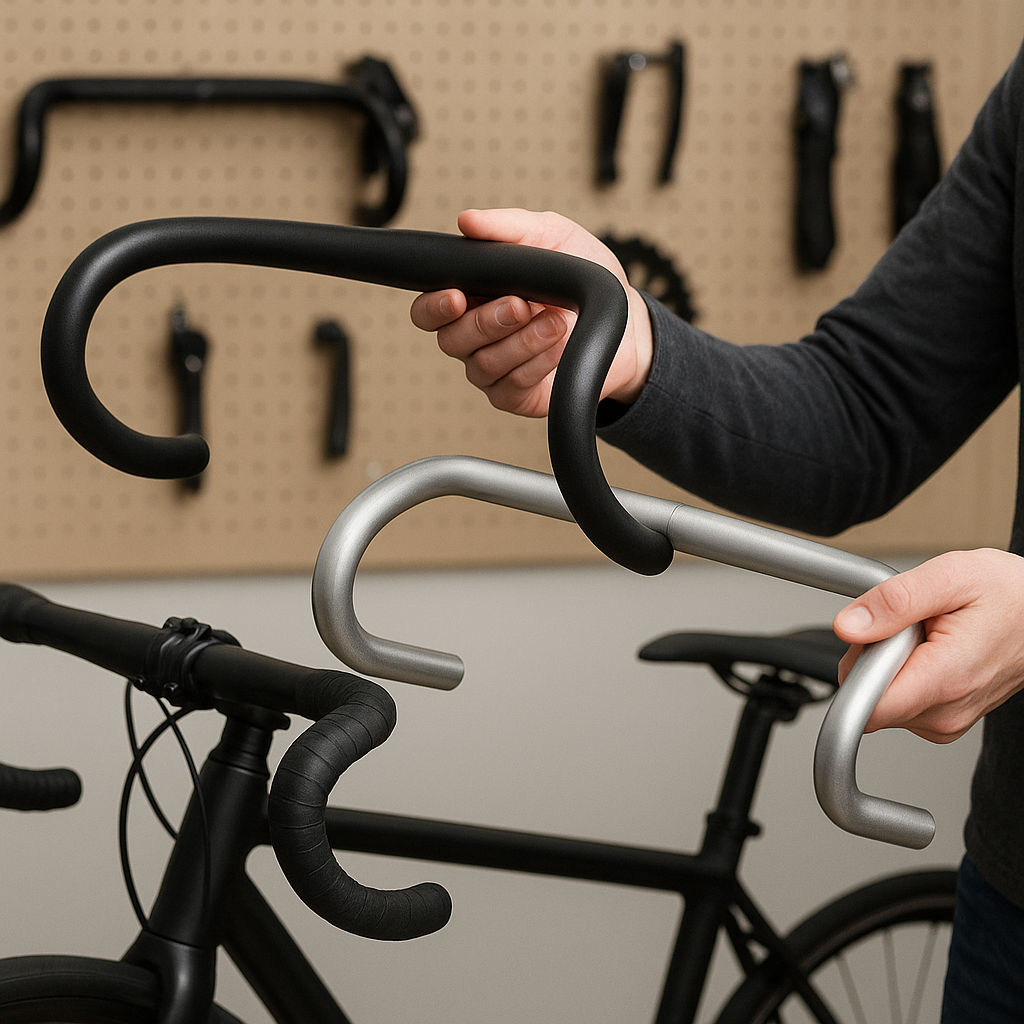
- Poor bike setup: Incorrect handlebar height or saddle position forces unnatural hip and spine alignment.
- Overtraining: Insufficient recovery time between rides prevents the skin from healing minor irritations.
Key Risk Factors
- High mileage: Century rides, stage races, and back-to-back outings increase exposure to repetitive motion.
- Inadequate hygiene: Bacteria thrive in warm, wet environments, exacerbating inflammation.
- Individual anatomy: Pelvis shape, body weight, and skin sensitivity vary among riders.
- Clothing choices: Seams, tags, and subpar fabrics can create hotspots.
Prevention Strategies
Optimizing Bike Fit
Achieving an ergonomic setup is the first line of defense against saddle sores. A professional bike fitting can align saddle height, fore-aft position, and handlebar reach to distribute weight evenly across the sit bones. When the pelvis is level, chafing decreases, and the rider maintains a more efficient pedaling motion.
Choosing the Right Saddle and Shorts
- Saddle selection: Test saddles with different widths, shapes, and padding levels. Look for models designed for endurance riding or cut-out features to relieve perineal pressure.
- Cycling shorts: Invest in high-quality bib shorts with multi-density chamois padding. Ensure the chamois lies flat against the skin without wrinkles.
- Material matters: Moisture-wicking fabrics keep the skin dry, while flatlock seams reduce the risk of irritation.
Maintaining Proper Hygiene
Daily cleaning of shorts and timely laundering of chamois products removes sweat, bacteria, and grime. Post-ride showers with gentle, fragrance-free soap help prevent skin breakdown. After washing, allow gear to air-dry completely before the next use.
Riding Technique and Breaks
- Alter your position: Shift weight forward, backward, and side-to-side periodically to relieve pressure points.
- Micro-breaks: Stand on the pedals every 10–15 minutes on long rides to restore blood flow and stretch the hamstrings.
- Pacing: Gradually build mileage to toughen the skin and reduce shock from sudden high-intensity efforts.
Treatment Methods
Immediate Care
At the first sign of redness or discomfort, take action. Clean the affected area with warm water and an antimicrobial soap. Pat dry with a soft towel, avoiding harsh rubbing that could aggravate the skin. Next, apply a thin layer of antibiotic ointment or specialized cycling cream containing zinc oxide or calendula to soothe inflammation.
Topical Remedies
- Anti-chafe balms: Products with dimethicone or lanolin provide a protective barrier against further friction.
- Healing sprays: Antiseptic sprays help disinfect and reduce bacterial load without manual rubbing.
- Cortizone creams: Use sparingly to alleviate severe itching and swelling, but consult a healthcare professional for prolonged use.
Dressings and Bandages
For open or oozing sores, consider non-stick dressings that absorb exudate while minimizing adherence to the wound. Hydrocolloid patches can create a moist healing environment and accelerate tissue regeneration. Change dressings daily or whenever they become saturated.
Rest and Recovery
Reducing ride duration and intensity allows the skin to repair itself. Cross-training options such as swimming or upper-body strength sessions provide fitness benefits without stressing the saddle area. When you resume cycling, pay close attention to any recurring tenderness.
When to Seek Medical Attention
- Signs of infection: Increased warmth, spreading redness, pus, or fever.
- Persistent pain: If discomfort persists beyond a week despite home care.
- Deep tissue involvement: Necrotic skin or abscess formation requires professional drainage.
Long-term Skin Health
Regular exfoliation and moisturizing keep the skin supple and more resistant to abrasion. Products containing aloe vera or oatmeal can provide ongoing relief and fortify the epidermal barrier. Monitor skin changes after each ride and adapt preventive measures accordingly, ensuring that comfort remains a priority throughout your cycling journey.