Bicycling on busy roads can be exhilarating, but staying seen by motorists is crucial for every rider’s safety. When headlights sweep past you in low light or heavy traffic, your visibility can make the difference between a carefree ride and a serious accident. By combining the right gear, smart lighting, thoughtful road positioning, and proper planning, you’ll ensure that other road users spot you from afar. This guide explores practical tips and techniques to keep you visible day or night, no matter the conditions.
Choosing the Right Gear
Your apparel and equipment form the foundation of on-road visibility. Investing in well-designed items not only boosts your confidence but also sends clear signals to drivers.
High-Visibility Clothing
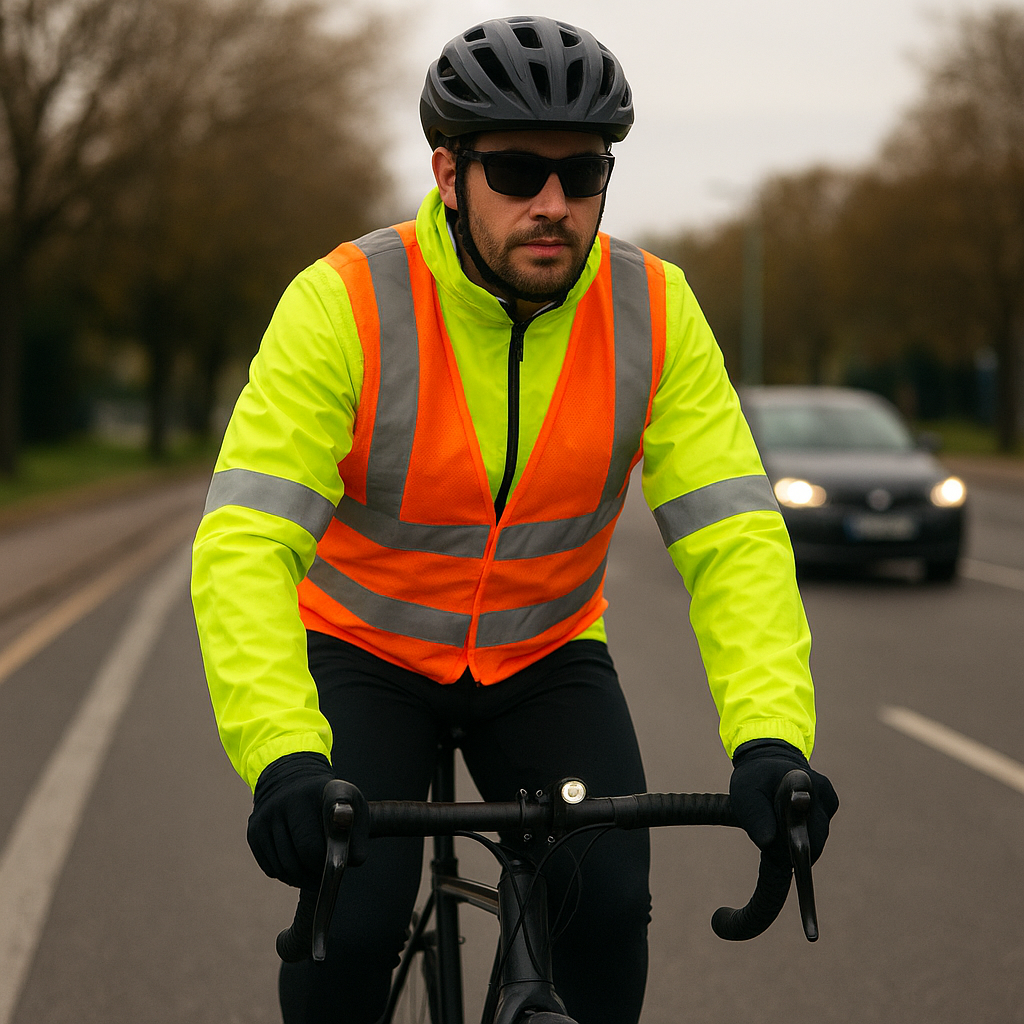
- Fluorescent jerseys or jackets in neon yellow, lime green, or orange dramatically increase daytime visibility.
- Use retroreflective strips on sleeves, backs, and pant legs to bounce headlight beams back to drivers after dark.
- Layer strategically—a bright vest over a darker base layer can be removed as temperatures rise without sacrificing recognition.
Helmet and Accessories
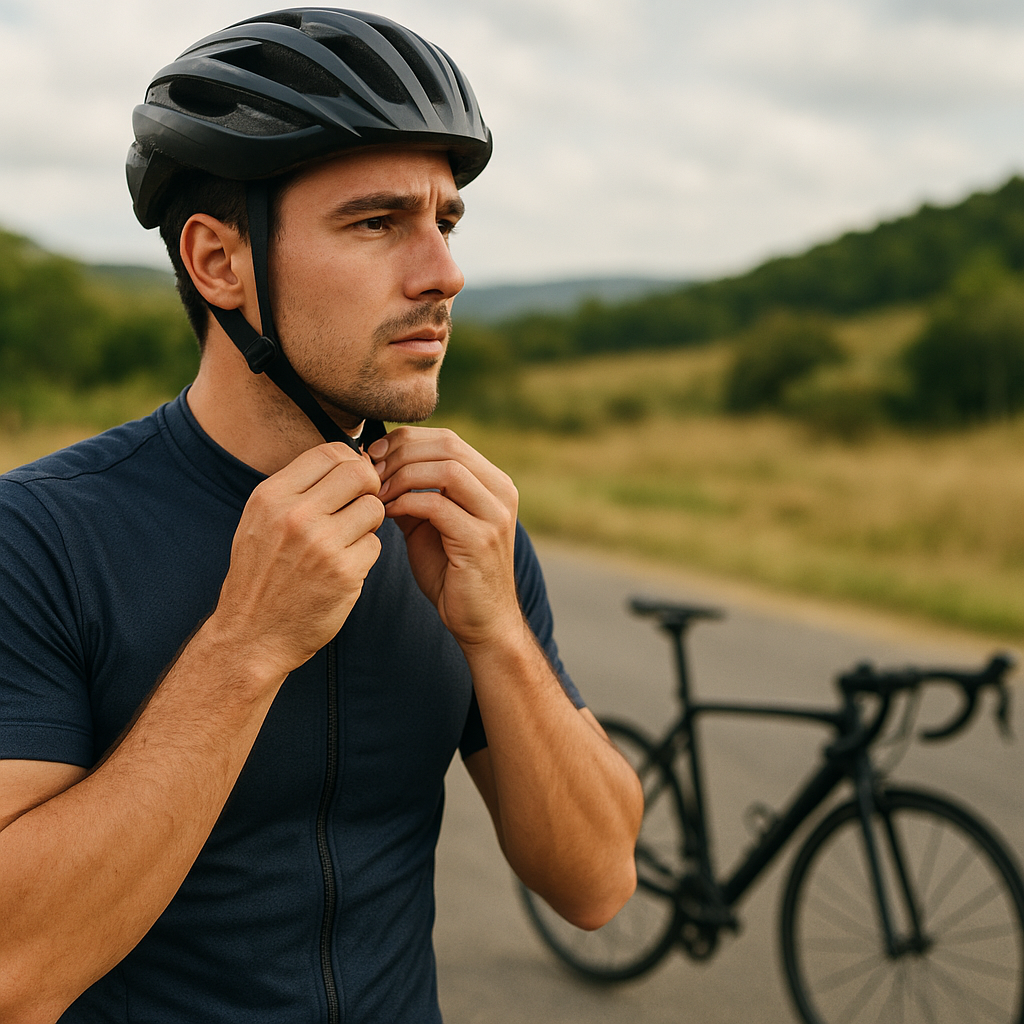
- Choose a helmet with built-in light mounts or integrated reflectors. Many modern designs include bright rear reflectors.
- Reflective spokes or wheel stickers underline your presence in a driver’s side mirror, especially when turning corners.
- Add a visible backpack or saddlebag cover in contrasting colors. The moving silhouette captures attention more effectively than static shapes.
Strategic Lighting and Reflectors
Lights aren’t just for illuminating your path; they signal your presence. A combination of front, rear, and side lights ensures you’re seen from every angle.
Front and Rear Lights
- Pare down to at least one white front light and one red rear light. Both should have steady and flashing modes to adapt as needed.
- Select high-lumen outputs—200 lumens or more up front and 20 lumens or higher at the back are good starting points.
- Use a tilt-adjustable mount so your beam level stays consistent, preventing blind spots or sun glare for oncoming drivers.
Side Visibility
- Avoid relying solely on reflectors. Add clip-on LED lights to your wheels or pedals for dynamic side illumination.
- Reflective tape applied to the frame tubes can widen your visual profile from any angle.
- Consider spoke lights—patterns of moving lights around rotating wheels are unmistakable and draw attention in urban traffic.
Road Positioning and Riding Practices
How you place yourself on the road directly affects how well drivers can predict your path. Confidence and consistency in positioning will reinforce your visibility.
Ride Predictably
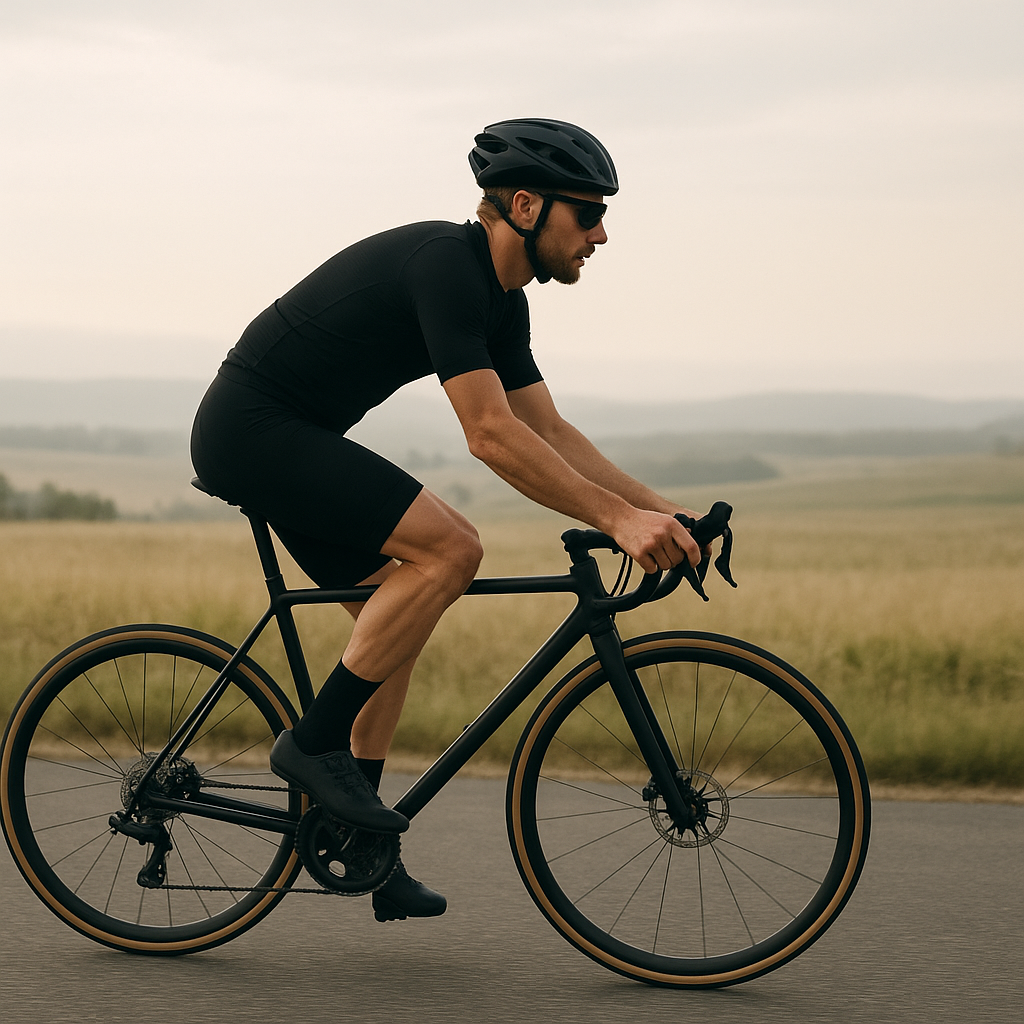
- Maintain a straight line and avoid weaving. Drivers have an easier time gauging your speed and trajectory when you don’t swerve.
- Use clear hand signals well in advance of turns—this gives motorists time to react.
- Keep a safe distance from parked cars to avoid the door zone and make yourself more visible to passing vehicles.
Optimal Lane Placement
- “Own the lane” when approaching intersections or narrow roads prone to overtaking without room. Riding farther from the curb makes you more noticeable.
- In multi-lane settings, use the center of the right-hand lane when necessary to avoid hazardous conditions or to discourage unsafe passing.
- Shift slightly left of the gutter on busy streets—riding at the very edge can hide you behind debris or parked vehicles.
Additional Visibility Techniques
Innovative accessories and pre-ride preparation can further enhance your roadside presence. Think beyond basic lights and clothing to maximize your conspicuity.
Daytime Running Lights and Supplements
- Amber or white DRLs mounted low on your frame create a car-like signature that motorists instinctively notice.
- Small LED strips on your handlebars or shoes can add flashing accents to further distinguish your silhouette.
Route Planning and Timing
- Avoid peak traffic hours on high-speed roads. Less congestion means drivers have more reaction time should unexpected maneuvers occur.
- Plan well-lit or bike-friendly corridors where streetlamps and designated lanes reduce visibility concerns.
- Monitor weather forecasts—rain and fog drastically reduce sightlines. Postpone rides or take alternate paths when conditions deteriorate.
Awareness and Communication
- Make eye contact with drivers at intersections whenever possible; a nod or wave confirms they see you.
- Use a bell or horn to alert pedestrians and cyclists in blind corners or on shared paths.
- Join local cycling groups to share insights on high-risk zones and effective visibility strategies in your area.
By equipping yourself with bright, reflective gear, leveraging powerful lighting setups, adopting confident road positioning, and planning rides thoughtfully, you’ll dramatically improve your chances of being noticed. Each investment in visibility not only safeguards your well-being but also contributes to a safer environment for everyone sharing the roads.