Gravel biking has surged from a niche pastime into a global phenomenon that draws riders seeking fresh experiences beyond the beaten path. This two-wheeled pursuit blends the excitement of mountain biking with the endurance of road cycling, creating a unique avenue for enthusiasts to embrace outdoor exploration. As more cyclists discover the allure of versatility and the untamed beauty of unpaved terrain, gravel riding cements its place as a transformative adventure in the world of bicycles.
The Rise of Gravel Biking
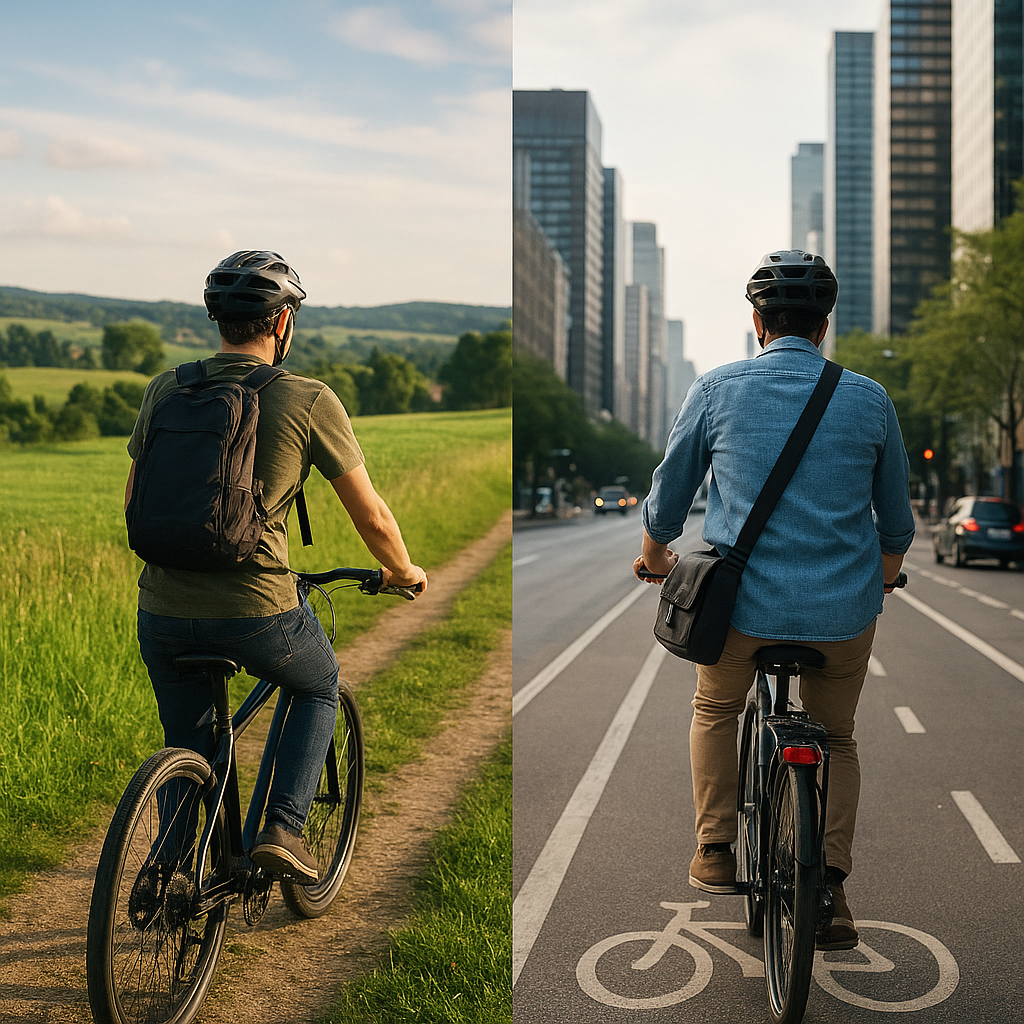
Over the past decade, cycling communities have witnessed a dramatic shift. Riders once content on asphalt now crave the unpredictable nature of gravel roads and forest tracks. This movement emerged partly from the desire to escape congested city streets and organized traffic events. Gravel bikes answer this call by offering the perfect balance of performance and stability, leading to booming interest in mixed-surface competition and leisure rides.
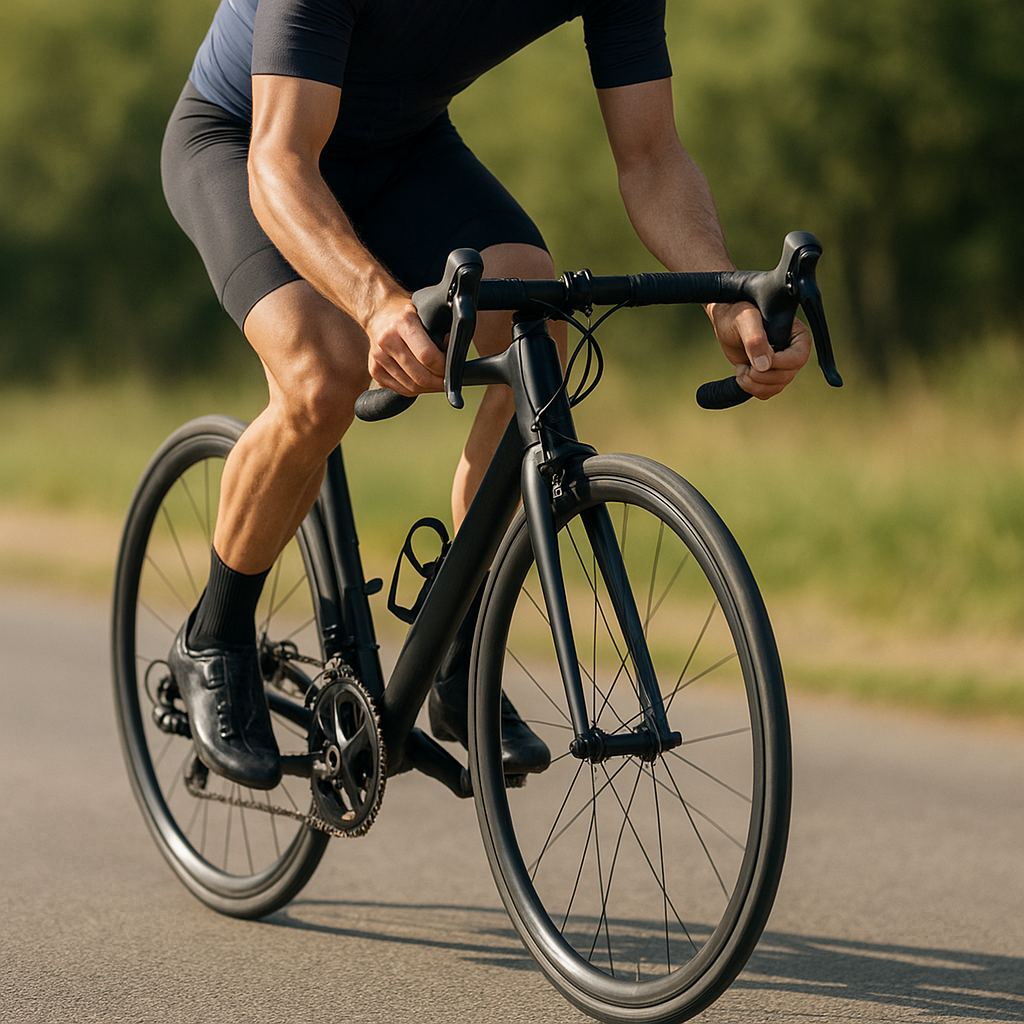
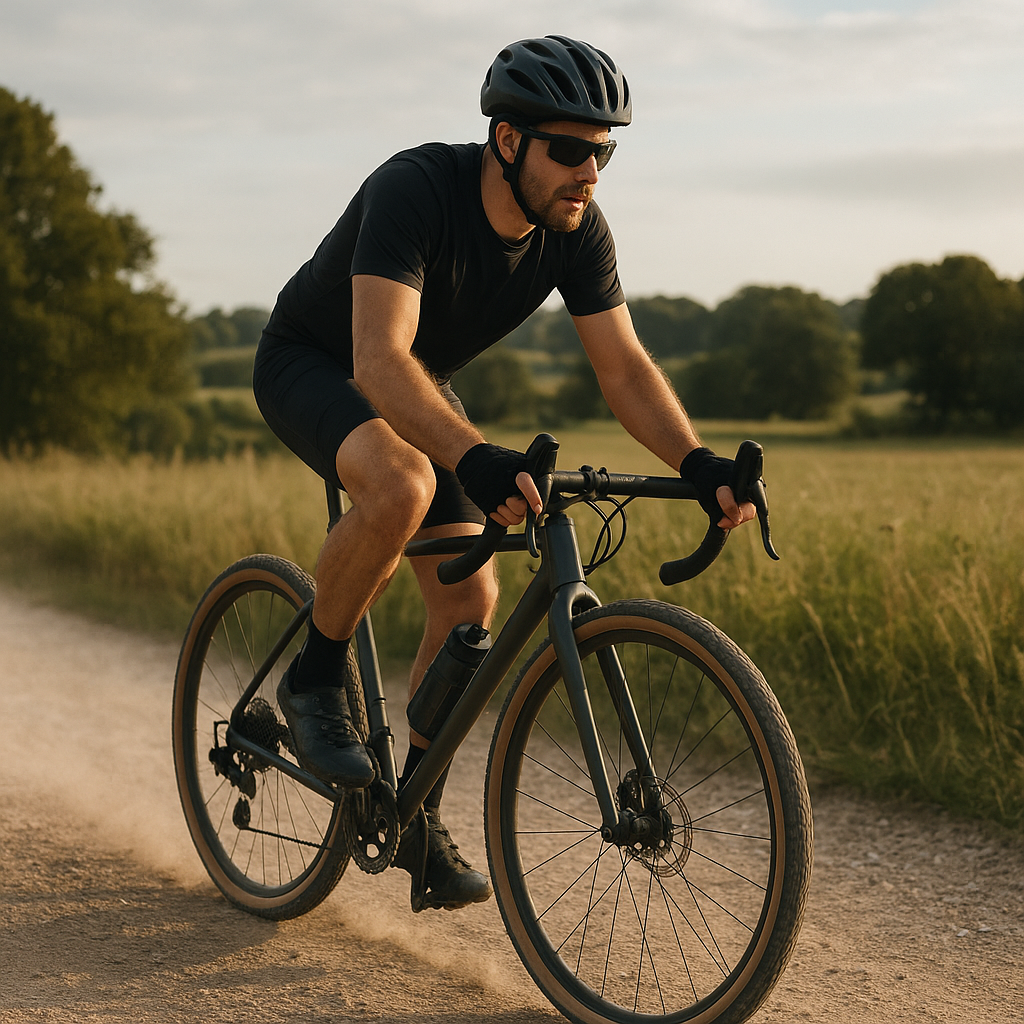
Manufacturers quickly adapted, launching models with dropped handlebars, wider tires, and robust frames designed to handle rocky descents and sandy trails. Magazine coverage, social media posts showcasing epic wild rides, and high-profile gravel races have all contributed to the discipline’s growth. With entries in marquee events like Unbound Gravel attracting thousands of participants, no cyclist wants to miss out on the sport that celebrates both solitude and camaraderie.
The Allure of Unpaved Trails
Gravel biking invites riders to step away from monotony and embrace the unexpected. Whether meandering across ancient farm lanes or powering through dusty fire roads, cyclists find a new level of adventure as they pedal across varied landscapes. The sensory engagement—wind rustling through trees, the crunch of stones beneath tires, the sun-dappled vistas—deepens every ride.
Key attractions include:
- Exploration: Discover hidden valleys, abandoned railway routes, and countryside heritage.
- Challenge: Technical descents demand skill, while long gravel stretches test endurance and mental grit.
- Access: Remote areas often have minimal vehicle traffic, offering peace and immersive nature encounters.
- Flexibility: Routes can be tailored to individual skill levels, ranging from smooth jeep tracks to rocky ascents.
Each ride becomes a story in itself, a narrative shaped by the terrain’s unpredictability and the rider’s adaptability. As cyclists navigate washes, creek crossings, and rolling hills, the sense of freedom becomes palpable.
Community and Culture
More than just a solo endeavor, gravel biking fosters a welcoming tribe of like-minded people. Weekend group rides, gravel festivals, and charity races bring together amateurs and seasoned athletes alike. Within these gatherings, riders share route tips, fix flats side by side, and celebrate personal milestones.
Community events often feature:
- Guided rides for newcomers to learn essential bike handling and route planning.
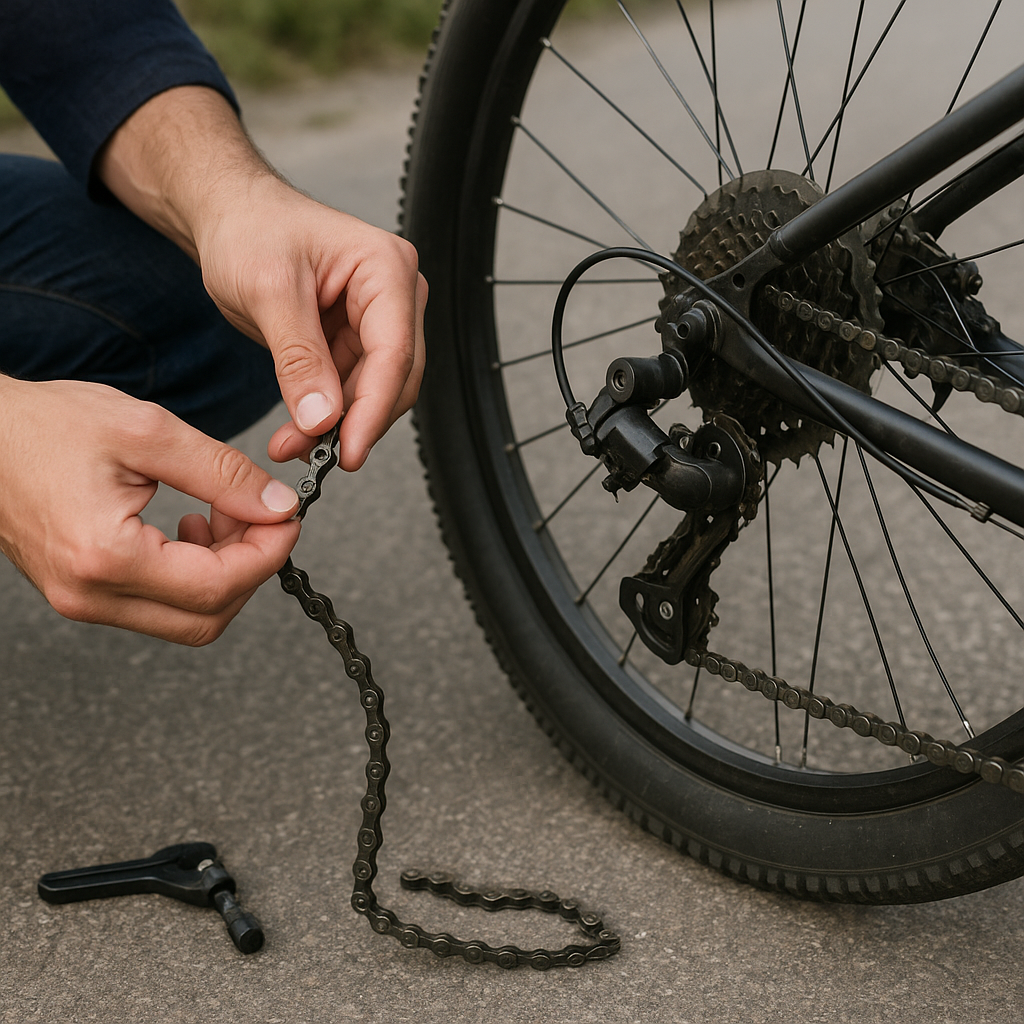
- Mechanical workshops that educate on tire choice, tubeless setups, and gear repair.
- Campouts and overnight tours providing a multi-day immersive experience.
- Food stops highlighting local artisans and farm-to-table producers along the route.
Participation transcends competition. Many are drawn by a desire to connect with nature and each other, forging bonds through shared miles and mutual support. This inclusive atmosphere, centered on respect for the environment and a spirit of community, underpins the sport’s appeal.
Gear and Technology
Frame and Wheel Innovations
Modern gravel bikes combine lightweight materials with robust geometry. Frames often utilize carbon fiber or aluminum alloys engineered to absorb shocks from uneven surfaces. Wider tire clearances—ranging from 35 mm to over 50 mm—allow riders to tune rolling resistance against traction demands. Disc brakes ensure reliable stopping power in mud, dust, and steep descents, while through-axles improve stiffness and handling precision.
Components and Accessories
Beyond the core bike, accessories play a crucial role. Favored upgrades include:
- Dropper seatposts enabling rapid position changes on technical sections.
- Handlebar bags and framepacks designed for multi-day self-supported tours.
- High-lumen lights for dawn, dusk, or fully nocturnal adventures.
- GPS computers with offline mapping and route-sharing capabilities.
Manufacturers also innovate in tire compounds to balance puncture protection and rolling efficiency. Tubeless setups have become the norm, reducing flats and allowing lower pressures for greater comfort and grip. The synergy of frame design, wheels, and component choices underscores the sport’s focus on sustainability and long-term enjoyment.
Health Benefits and Personal Growth
Gravel biking offers a comprehensive workout, engaging cardiovascular endurance and full-body strength. Cyclists strengthen core muscles while navigating rough terrain, and the varied pacing—alternating between seated climbs and high-speed descents—promotes metabolic flexibility.
Beyond physical gains, riders often report improved mental well-being. The solitary stretches petition focus, mindfulness, and stress relief, while communal events bolster social connectivity and motivation. The discipline cultivates resilience, perseverance, and a deeper appreciation for natural surroundings.
Furthermore, gravel riding aligns with eco-friendly recreation. Low-impact trail use, respect for wildlife corridors, and leave-no-trace principles help preserve routes for future generations. As cyclists champion sustainable practices, they become ambassadors for conservation, merging personal fitness with environmental stewardship.
Future Directions
As gravel biking continues its upward trajectory, expect expanded race calendars, more diverse terrain offerings, and cutting-edge bike designs catering to every budget. Regional governments and land managers may collaborate with cycling organizations to develop dedicated multi-use trails, ensuring rider access while protecting sensitive habitats.
Innovations in digital mapping and community-driven route databases will further empower cyclists to design bespoke adventures. Virtual gravel platforms could blend augmented reality with real-time group rides, connecting global enthusiasts regardless of geographic distance.
The journey ahead promises fresh challenges and evolving landscapes. With its blend of challenge, exploration, and camaraderie, gravel biking remains at the frontier of modern cycling, beckoning riders to chart new paths under open skies.