Cycling vs running often sparks debates among fitness enthusiasts, as both activities offer unique advantages and cater to different training preferences. Whether you’re aiming to boost endurance, shed extra pounds, or improve overall well-being, understanding how each sport influences your body can help you make an informed decision. This article explores the key benefits, drawbacks, and practical considerations of cycling and running to assist you in choosing the right pursuit for your personal fitness journey.
Health Benefits of Cycling
Cycling is renowned for its combination of cardiovascular conditioning and low-impact joint movement. Because your body weight is supported by the bike saddle, it places minimal stress on ankles, knees, and hips. Many professionals recommend cycling for individuals recovering from injuries or those seeking to reduce chronic strain on their lower extremities.
Key advantages include:
- Cardiovascular Improvements: Regular cycling sessions elevate heart rate and promote efficient blood flow, strengthening the heart muscle over time.
- Fat Loss and Calories Burned: Depending on speed and terrain, cyclists can burn between 400 and 1,000 calories per hour. Uphill climbs or interval training intensify this effect.
- Muscle Strength and Endurance: A well-adjusted bicycle setup engages glutes, quads, hamstrings, and calves, building lean muscle and boosting metabolic rate.
- Low Impact: Suitable for individuals of all ages, cycling reduces the risk of overuse injuries common in high-impact sports.
- Psychological Well-Being: Outdoor rides combine physical exertion with exposure to nature, contributing to stress reduction and improved mood.
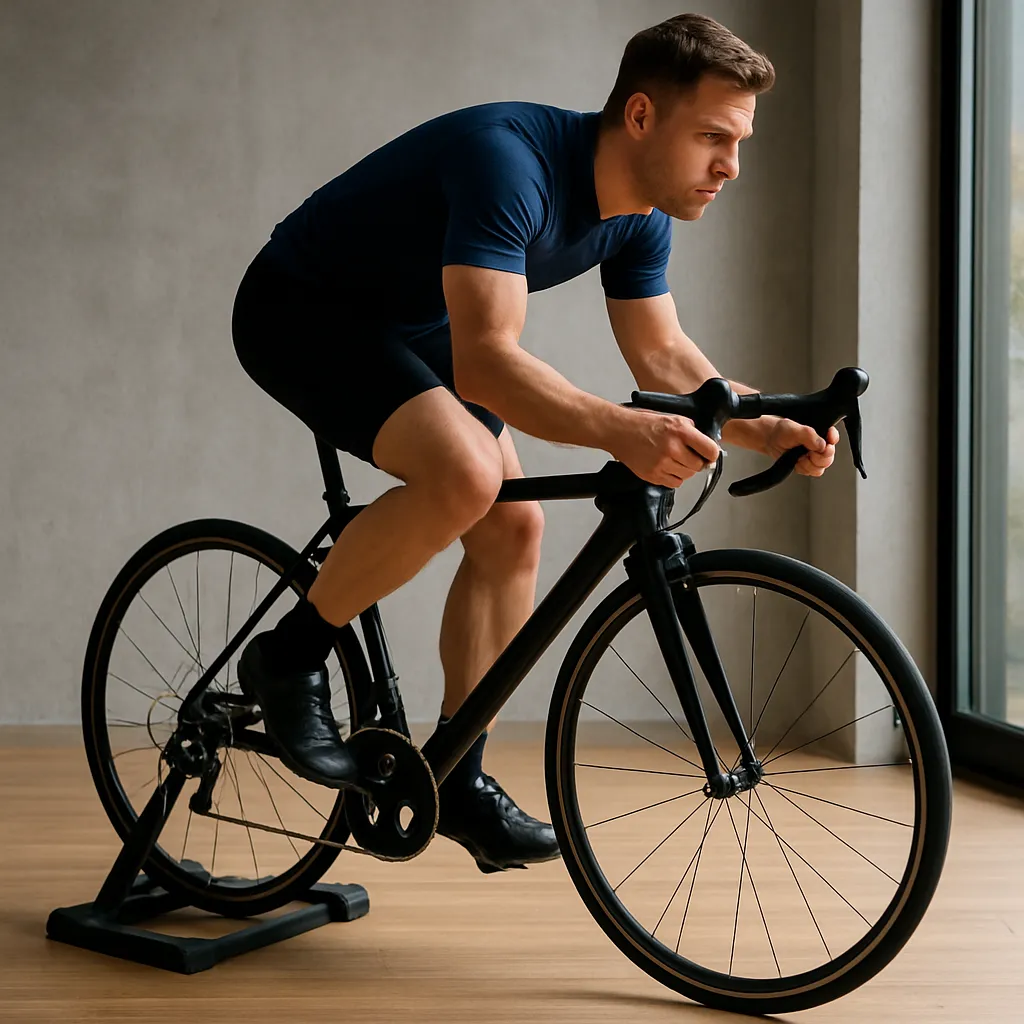
Adaptive cycling programs have become increasingly popular in rehabilitation centers, highlighting its therapeutic value. Whether pedaling on a stationary trainer, maneuvering a hybrid bike around the city, or tackling mountain trails, cycling’s versatility makes it accessible for beginners and veteran athletes alike.
Health Benefits of Running
Running remains one of the most straightforward and efficient ways to enhance aerobic capacity. All you need is a pair of supportive shoes and a suitable route. This portability makes running highly appealing for individuals seeking minimal gear and maximum flexibility.
Notable benefits are:
- Bone Density: The repetitive, weight-bearing nature of running stimulates bone formation and can help prevent osteoporosis later in life.
- High Caloric Expenditure: Running at moderate to fast paces can burn 600–1,200 calories per hour, making it a potent tool for weight management.
- Endurance Gains: Consistent mileage elevates aerobic threshold, allowing runners to sustain higher intensities with less fatigue.
- Enhanced Respiratory Efficiency: Over time, running strengthens the diaphragm and intercostal muscles, improving lung capacity and oxygen uptake.
- Psychological Advantages: The “runner’s high” phenomenon stems from endorphin release, promoting feelings of euphoria and alleviating anxiety.
While running delivers a powerful workout, it does come with elevated risk of impact-related injuries. Stress fractures, shin splints, and plantar fasciitis are common among those who increase mileage too quickly without sufficient rest or cross-training.
Comparative Analysis: Fitness Goals and Preferences
When deciding between cycling and running, consider your specific objectives and physical limitations. Below is a comparative framework to guide you:
- Weight Loss: Both sports burn substantial calories, but running generally expends more energy per time unit. However, cycling allows for longer sessions with manageable fatigue, potentially offsetting the per-minute difference.
- Joint Health: If you have a history of joint pain or arthritis, cycling’s low-impact motion is preferable. Running stresses the ankles, knees, and hips, demanding sturdy footwear and careful progression.
- Time Efficiency: For those with limited workout windows, running packs intense effort into shorter periods. A 30-minute run can rival an hour-long bike ride in terms of cardiovascular stimulus.
- Muscle Development: Cycling emphasizes lower-body muscle strength and creates targeted adaptations in the quads and glutes. Running engages a broader range of stabilizer muscles, improving core stability and hip mobility.
- Outdoor Experience: Cyclists often cover longer distances and diverse landscapes. Runners enjoy more intimate routes, such as trails or city sidewalks, fostering a direct connection to surroundings.
- Accessibility: Running requires minimal investment: shoes and basic attire. Cycling demands a well-maintained bike, helmet, and occasional repairs or upgrades.
Ultimately, your lifestyle, body type, and personal enjoyment will determine which activity yields better results. Some individuals even combine both disciplines to reap complementary benefits and reduce plateaus.
Practical Considerations: Gear, Safety, and Technique
To maximize benefits and minimize injuries, proper equipment and technique are paramount in both cycling and running.
Essential Cycling Gear
- Helmet: A must for head protection.
- Padded Shorts: Enhance comfort on long rides.
- Clipless Pedals or Straps: Improve pedaling efficiency and power transfer.
- Bike Fit: Professional adjustment ensures correct posture and reduces overuse injuries.
- Lights and Reflective Gear: Critical for low-light conditions.
Essential Running Gear
- Supportive Shoes: Choose footwear that matches your gait and terrain.
- Moisture-Wicking Apparel: Maintains body temperature and prevents chafing.
- GPS Watch or Smartphone App: Monitor pace, distance, and elevation gain.
- Compression Socks: Aid circulation and reduce muscle fatigue.
Both activities benefit from cross-training exercises that promote flexibility and core stability. Yoga, Pilates, and strength training sessions can support joint health and prevent muscle imbalances. Additionally, incorporating rest days and active recovery—such as light spinning or walking—enhances long-term progress.
Training Strategies and Progression
Effective training remains crucial for sustained gains in either sport. Beginners should adopt a gradual progression model, avoiding rapid jumps in volume or intensity.
Cycling Training Tips
- Interval Workouts: Alternate between high-resistance sprints and recovery pedals to boost power.
- Long Steady Rides: Build aerobic base with extended, moderate-paced sessions.
- Hill Repeats: Develop leg strength and climbing proficiency.
- Cadence Drills: Practice spinning at higher revolutions per minute to improve efficiency.
Running Training Tips
- Tempo Runs: Sustain a comfortably hard pace just below anaerobic threshold.
- Fartlek Sessions: Mix unstructured bursts of speed with easy running to enhance adaptability.
- Long Slow Distance: Increase endurance through progressively longer runs.
- Stride Drills: Focus on form, turnover, and hip extension to reduce injury risk and increase speed.
Tracking key metrics—such as heart rate, power output (for cycling), or pace—facilitates data-driven adjustments. Listening to your body and acknowledging signs of overtraining, such as persistent fatigue and elevated resting heart rate, helps maintain balance.
Environmental and Lifestyle Factors
Lastly, consider climate, geography, and time constraints when choosing between cycling and running. Urban environments may offer more pavement and dedicated bike lanes, while rural or park settings provide ideal trails for both sports. Seasonal conditions—icy roads, heavy rain, or extreme heat—can impact safety and enjoyment.
- Indoor Options: Stationary bikes or treadmills offer consistency and climate control.
- Group Activities: Cycling clubs and running groups foster accountability and motivation.
- Multi-Sport Events: Triathlon training integrates both disciplines for varied challenges.
Balancing social aspects, convenience, and personal goals ensures a sustainable routine and long-term adherence. Remember that the “best” exercise is the one you enjoy and maintain over time.