Winter can be a challenging season for any cyclist who wants to keep their ride in top shape. With colder temperatures, moisture, and road salt threatening vital parts of your bike, adopting a systematic approach to winterization can save you time and money in the long run. This guide will walk you through essential steps to ensure your bicycle emerges from storage ready for action when spring arrives.
Preparing Your Bike for Storage
Cleaning and Inspection
Before you stash your bicycle away, it’s crucial to remove all traces of dirt, grease, and salt. Begin by rinsing the frame with a gentle spray—avoiding high-pressure washers that can force water into bearings. Follow up with a bicycle-specific cleaner or a mild soap solution. Focus on areas where debris accumulates, such as the chainstay, bottom bracket shell, and cassette. After rinsing, use a soft brush to scrub away stubborn grime.
- Inspect the frame for scratches or paint chips. Treat any blemishes with touch-up paint to prevent corrosion.
- Check cables and housing for fraying or rust spots. Replace if necessary to maintain reliable shifting and braking.
- Examine the tires for cuts, punctures, or signs of dry rot. A thorough inspection now can prevent surprises in spring.
Tire Pressure and Storage Position
Keeping tires at the correct pressure is vital during storage. Inflate them to the recommended PSI to prevent flat spots. If space is limited, consider hanging your bike by the saddle or the front wheel using a sturdy wall hook. This position reduces stress on the tires and suspension components. Alternatively, use a bike stand that lifts the wheels off the ground.
Protecting Key Components
Chain and Drivetrain
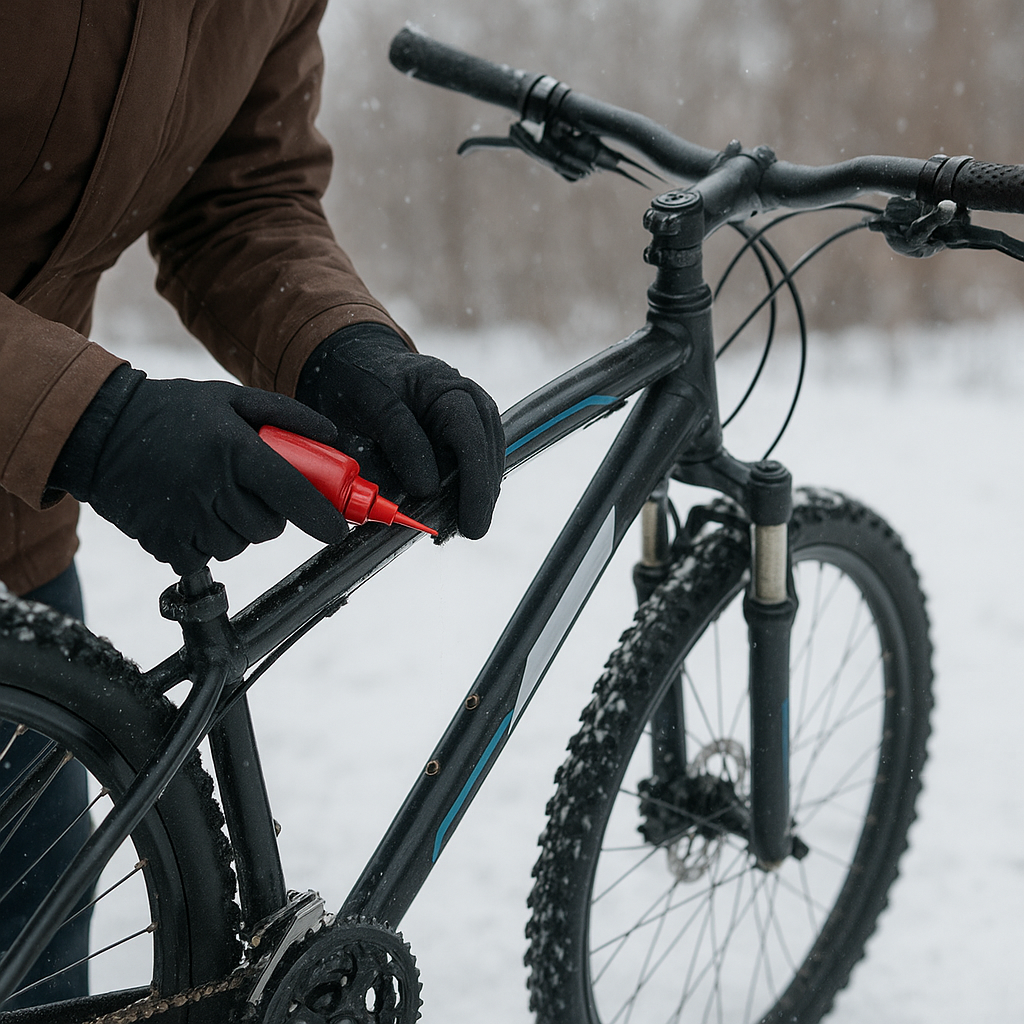
A dry and unlubricated chain is prone to rust. After cleaning, allow the chain to dry entirely. Apply a quality bicycle lubricant to each link, then wipe off any excess to avoid attracting dust. For extra protection, consider applying a thin layer of bicycling-specific grease to the cassette and chainrings. Cover the exposed drivetrain with a cloth or a ziplock bag if storage is in a damp area.
Bearings and Pivot Points
Sealed bearings in hubs, bottom brackets, and headsets benefit from an occasional regreasing. If serviceable, disassemble the bearing cups, clean old grease residue, and reapply fresh grease. For modern sealed units that aren’t user-serviceable, a few drops of light oil around seals can help maintain lubrication. Rotate the cranks and spindles to distribute oil evenly.
Brake System Care
Whether you have rim brakes or disc brakes, it’s important to protect the braking surfaces. For rim brakes, clean rims with isopropyl alcohol and inspect brake pads for wear. Remove embedded debris using a pick or a small file. For disc brakes, wipe rotors with a lint-free cloth and alcohol. To keep pads dry and contamination-free, remove them and store in a sealed bag if your storage area is humid.
Environmental Considerations and Placement
Choosing the Right Location
Storage conditions make a significant difference in how well your bicycle weathers the winter. Aim for a cool, dry space that avoids extreme temperature swings. Garages can be acceptable if they remain above freezing and stay relatively dry. Basements with high humidity could accelerate corrosion unless paired with a dehumidifier. If indoor storage isn’t an option, consider a weatherproof bicycle cover or a dedicated storage shed with proper ventilation.
Preventing Condensation
Condensation forms when warm, moist air meets cold metal surfaces. To minimize this risk, allow your bicycle to reach ambient room temperature slowly before sealing it in a bag or cover. Placing silica gel packets around the bike can absorb excess moisture. Avoid wrapping the bike in plastic sheeting without ventilation, as trapped moisture can lead to rust.
Maintenance Tips Through Winter
Regular Check-Ups During Storage
Storing your bicycle doesn’t mean completely out of sight, out of mind. Every few weeks, give your bike a quick once-over:
- Rotate the wheels to redistribute lubricant and prevent bearing seals from drying out.
- Inspect tire pressure and top off as needed to maintain the recommended PSI.
- Wipe down the frame and drivetrain to remove any newly accumulated dust or moisture.
Mid-Winter Tune-Up
If you live in a region where indoor space is available, performing a mid-winter tune-up can be a great way to break the monotony of cold weather. Re-lubricate the chain, check brake function, and tighten bolts to the recommended torque settings. This ensures that unexpected maintenance tasks don’t spring up when you’re itching to get back on the road in early spring.
Preparing for Spring Revival
As winter draws to a close, reverse the winterization steps efficiently:
- Remove protective covers and unopened lubricant reservoirs.
- Degrease the drivetrain and apply fresh lubricant.
- Inflate tires to riding pressure and inspect tread for any flat spots.
- Bleed hydraulic brake systems if performance feels spongy.
- Test ride briefly in a controlled environment to confirm all systems operate smoothly.
Extending Your Bicycle’s Lifespan
Investing in Quality Accessories
A few well-chosen accessories can make winterization easier and more effective. A high-quality bike cover provides waterproof and UV-resistant protection. A set of inexpensive frame protectors guards vulnerable tubes against scratches and chips. A drainable storage crate or stand keeps tires off the ground and simplifies mid-winter inspections.
Building a Routine
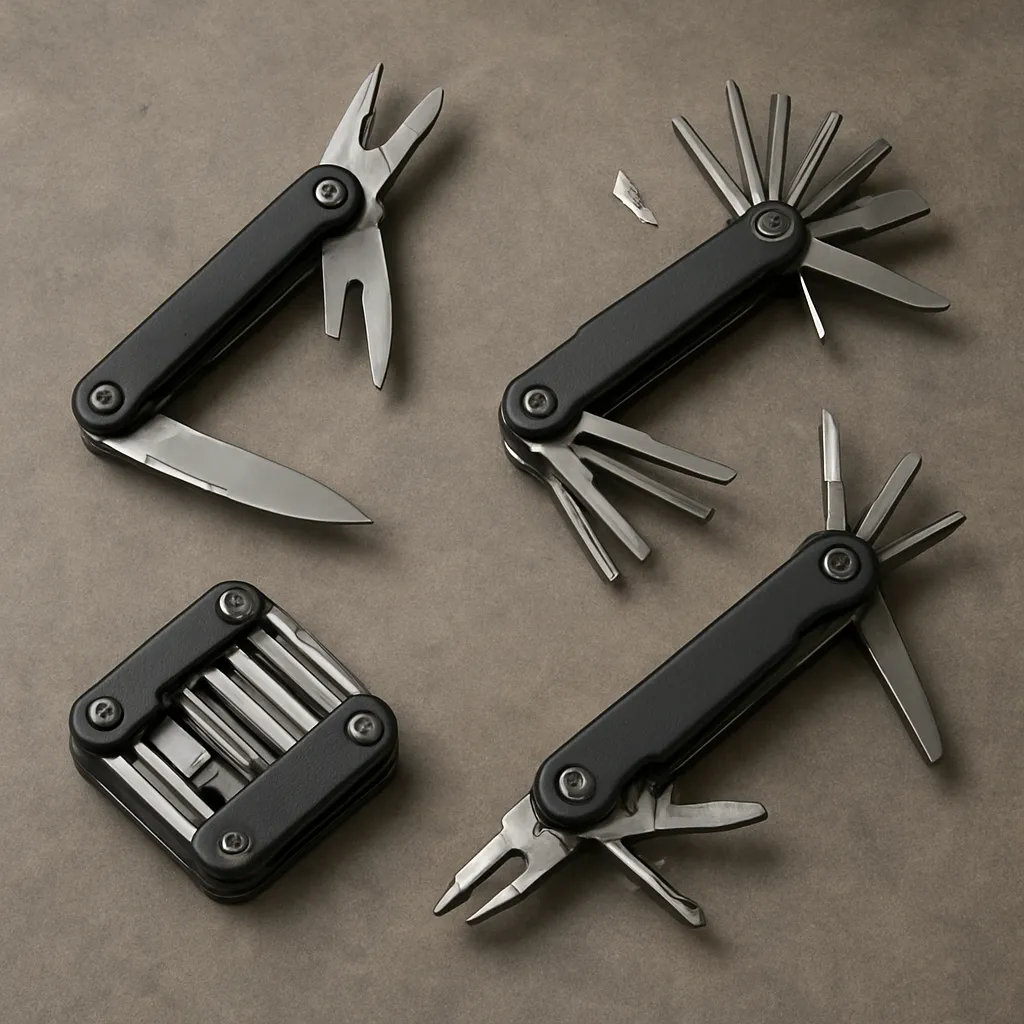
Consistent care is the cornerstone of any successful winterization plan. By integrating quick maintenance checks into your monthly schedule, you’ll avoid facing major repairs when riding season returns. Keeping a small toolkit and a supply of cleaning products near your storage area encourages regular attention to detail.
Embracing Cold-Weather Riding
If you choose to ride through winter rather than tuck your bike away, adapt these winterization steps to a maintenance routine after each ride. Rinse off road salt immediately, lubricate moving parts, and store your bike in a dry area. Dressing in layers and investing in winter-specific tires will ensure your rides remain safe and enjoyable, regardless of falling temperatures.