Organizing a charity cycling event is an exciting opportunity to blend passion for bicycles with a desire to give back. By bringing together enthusiastic riders, committed volunteers, and supportive local businesses, you can create a memorable experience that raises vital funds for a cause. This guide will walk you through essential steps—from initial concept and logistics to promoting the ride, ensuring safety, and celebrating success.
Preparation and Planning
Defining Your Goals and Audience
Begin by setting clear objectives. How much money do you aim to raise? Which organization will benefit? Identifying a distinct theme—such as health, education, or environmental conservation—helps attract riders who share that passion. Consider the ideal group size: a small, intimate ride for family and friends, or a large-scale event welcoming hundreds of cyclists.
Assembling Your Team
A successful ride relies on a dedicated team. Key roles include:
- Event Coordinator: Oversees overall strategy and schedule.
- Route Planner: Designs a scenic, safe route considering terrain, elevation, and rest stops.
- Sponsor Liaison: Secures funding and in-kind donations from businesses.
- Safety Officer: Coordinates first-aid, medical support, and emergency response.
- Marketing Lead: Manages communications, social media, and promotional materials.
Legal Considerations and Permits
Contact local authorities to secure necessary permits for road closures or use of public parks. Verify insurance requirements—both for the event and for individual participants. Establish liability waivers that riders must sign during registration. Ensuring compliance with regulations protects both organizers and participants.
Budgeting and Fundraising Strategy
Create a detailed budget covering expenses such as:
- Venue fees and safety equipment (helmets, signage, barriers).
- Refreshments and aid station supplies.
- Professional services (medical personnel, traffic marshals).
- Marketing materials (flyers, banners, digital ads).
Identify multiple revenue streams: participant registration fees, corporate sponsors, online donation pages, and merchandise sales (branded water bottles, T-shirts). Offering tiered sponsorship packages increases potential income and visibility for backers.
Engagement and Promotion
Crafting a Compelling Message
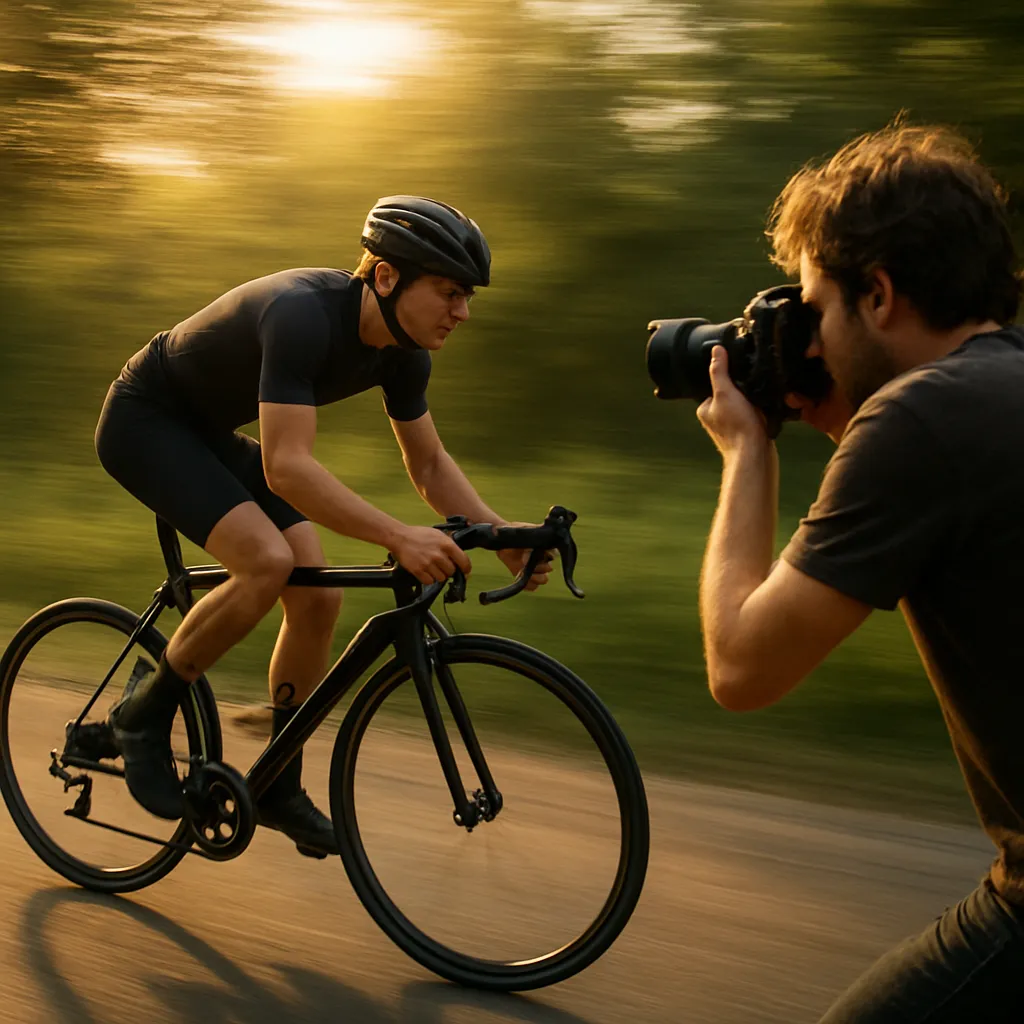
Share inspiring stories about the cause. Use high-quality photos and videos of cyclists training, community beneficiaries, or past events. Highlight the role of each participant in making a tangible difference. Emphasize how every pedal stroke leads to real-world impact.
Utilizing Online Platforms
Leverage social media channels and a dedicated event website. Integrate a user-friendly registration system and donation portal. Send regular email newsletters with updates: countdown milestones, sponsor spotlights, training tips, and safety reminders. Encourage participants to create personal fundraising pages linked to the main event, tapping into their networks.
Community Partnerships
Collaborate with local bike shops, fitness centers, schools, and civic groups. Offer promotional materials for display in high-traffic areas. Host pre-ride workshops covering basic bicycle maintenance and group riding etiquette. Engaging the community fosters goodwill and broadens event reach.
Incentives and Rewards
Boost motivation by offering:
- Early-bird registration discounts.
- Achievement badges for fundraising milestones.
- Prizes donated by local businesses for top fundraisers or fastest times.
- Post-ride celebrations with live music, food trucks, and award ceremonies.
Day of the Ride and Logistics
Check-In and Registration
Set up a clear, organized check-in area. Provide participants with bib numbers, route maps, and safety briefings. Confirm that each rider has signed the waiver. Supply emergency contact information and a list of first-aid stations.
Route Management and Support Stations
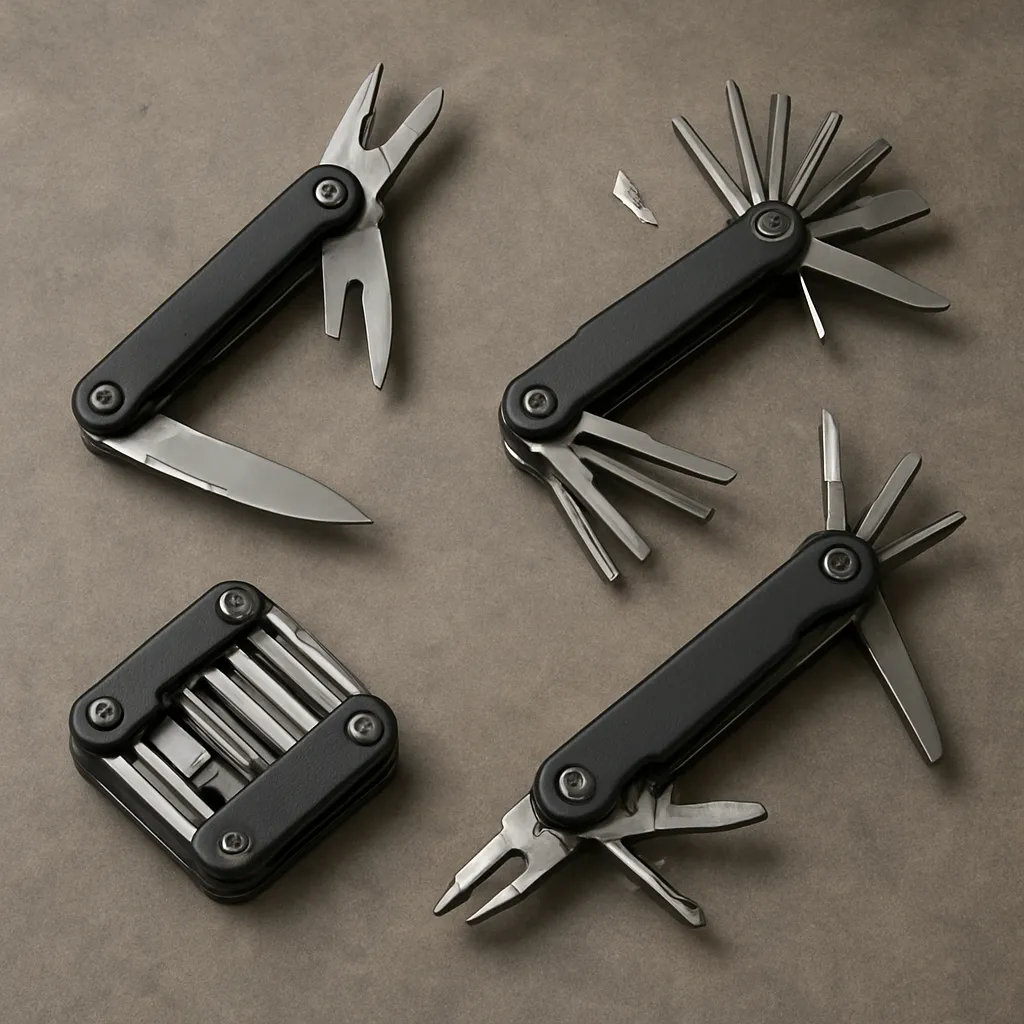
Mark the route with visible signs and directional arrows. Position marshal teams at key intersections to manage traffic and ensure rider safety. Establish rest stops every 10–15 miles, stocked with water, electrolyte drinks, snacks, basic repair kits, and volunteers ready to assist.
On-Road Safety Measures
Deploy a lead vehicle to clear the path and a sweep vehicle to assist stragglers. Ensure medical personnel are on standby in mobile units. Remind riders of hand signals, speed control, and the importance of maintaining group formation. Continuously monitor weather conditions and communicate any changes immediately.
Equipment and Bicycle Maintenance
Offer on-site support from professional mechanics. Provide quick tune-ups, tire inflation, and minor repairs. Encourage riders to perform a pre-ride check: brakes, chain lubrication, tire pressure, and saddle height. A well-maintained bicycle enhances performance and reduces the risk of accidents.
Post-Ride Follow-Up
Celebration and Recognition
Host a vibrant finish line festival. Present awards to top fundraisers, fastest individual times, and outstanding team performances. Publicly acknowledge key sponsors and volunteers. Capture photos and videos to share on social media and future promotional materials.
Processing Donations and Reporting
Compile final donation totals and reconcile finances. Issue tax receipts where applicable. Prepare a transparent report detailing funds raised and how they will be allocated. Sharing this information builds trust and encourages repeat participation in future events.
Gathering Feedback and Lessons Learned
Send post-event surveys to participants, volunteers, and partners. Ask about route satisfaction, communication effectiveness, logistical challenges, and overall experience. Analyze responses to identify areas for improvement. Continuous refinement ensures each subsequent ride is safer, more engaging, and more impactful.
Maintaining Momentum
Keep your audience engaged throughout the year. Share updates on how funds are being used. Organize smaller community rides or maintenance workshops. Cultivating an ongoing relationship with your cycling community strengthens support for your charitable mission and paves the way for even greater success next time.