Planning an effective cycling training schedule requires a blend of scientific understanding and practical experience. Whether you are a beginner aiming to tackle your first long-distance ride or an experienced cyclist preparing for a competitive event, a well-structured plan can optimize your performance and minimize injury risk. This guide covers essential principles to help you create a personalized program that balances volume, intensity, and recovery.
Building a Solid Foundation
Every successful training plan starts with establishing baseline fitness and acquiring essential bike handling skills. Without these fundamentals, you risk plateauing early or suffering unnecessary setbacks.
Assessing Your Current Fitness
Begin your journey by evaluating your present capabilities. Conduct a power test or a simple time trial on a familiar route. Record metrics such as average speed, heart rate, and perceived exertion. These data points will serve as benchmarks to measure progress and prescribe appropriate training zones.
- Determine your Functional Threshold Power (FTP) over a 20-minute effort.
- Measure your resting and active heart rate to gauge cardiovascular response.
- Note any mobility or flexibility limitations affecting your riding stance.
Developing Core Techniques
Handling skills often go overlooked but are critical to efficient and safe cycling. Focus on:
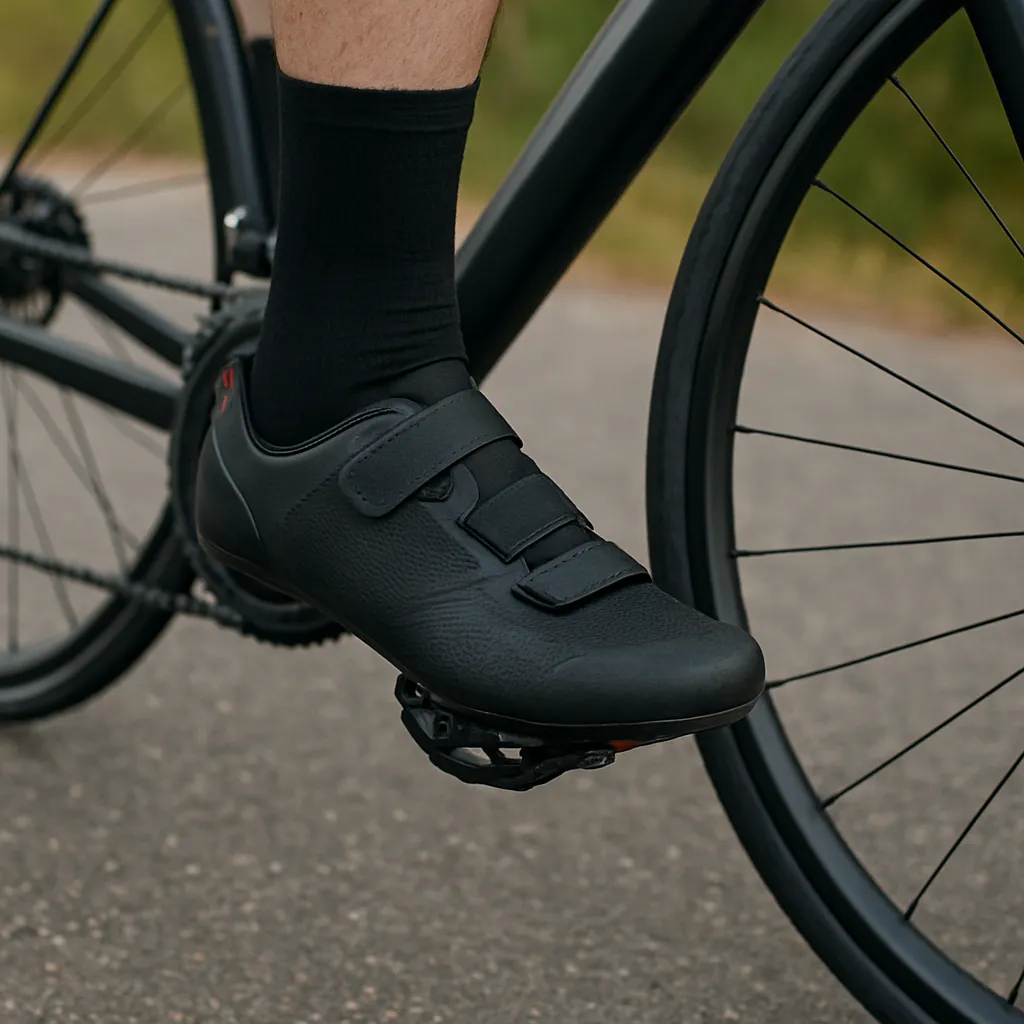
- Bike fit: Ensure saddle height, handlebar reach, and cleat position are adjusted for your body geometry.
- Cornering drills: Practice smooth entry and exit lines at moderate speeds.
- Braking control: Learn to modulate front and rear brakes independently for stability.
These drills will solidify your command of the bicycle and boost your confidence when introducing higher loads.
Structuring Workouts and Periodization
A well-designed training schedule incorporates varied workout types, balanced across microcycles and macrocycles. The concept of periodization helps prevent overtraining by systematically fluctuating volume and intensity.
Microcycle Planning
Microcycles typically span one week. A balanced week might include:
- One long endurance ride at 60–70% of FTP to build aerobic endurance.
- One interval session targeting VO2 max with 3–5 minute efforts above threshold.
- One threshold workout: sustained efforts at or near FTP for 20–40 minutes.
- One recovery ride under 50% FTP to promote blood flow without excessive fatigue.
- Optional strength or cross-training day in the gym for core and leg strength.
Adjust the number of high-intensity days based on your experience level and recovery capacity.
Macrocycle and Mesocycle Structure
Divide your season into macrocycles (several months) and mesocycles (4–6 weeks each). A typical progression might be:
- Base Phase: High volume, low intensity to enhance aerobic capacity.
- Build Phase: Moderate volume with increased threshold and VO2 max intervals.
- Peak Phase: Reduced volume, sharp high-intensity efforts to maximize performance.
- Transition: Light, unstructured riding to recover mentally and physically.
Track your progress by re-testing FTP or performing benchmark events at the end of each mesocycle. Adjust the following cycle’s workload accordingly.
Incorporating Biomechanics and Efficiency
Optimizing your pedal stroke and body position can unlock hidden watts. Consider these tactics:
- Use single-leg drills to eliminate dead spots in the pedal stroke.
- Perform seated vs. standing intervals to find the most efficient power output.
- Analyze bike fit periodically as flexibility or strength changes.
Small improvements in biomechanics often yield substantial gains over long rides.
Nutrition, Recovery, and Maintenance
A comprehensive training schedule must address fueling, recovery strategies, and equipment upkeep. Neglecting any of these areas can hinder progress and raise injury risk.
Fueling Your Rides
Proper nutrition ensures you have the energy to complete workouts and the substrates for muscle repair afterward. Key guidelines include:
- Consume 30–60 grams of carbohydrates per hour during rides exceeding 90 minutes.
- Include a mix of simple and complex carbs, such as gels, bananas, and rice cakes.
- Incorporate protein (0.2–0.4 g/kg/hour) during long sessions to support muscle preservation.
- Maintain hydration with electrolytes to prevent cramping and sustain performance.
Recovery Protocols
Recovery is when adaptation occurs. Pay attention to:
- Sleep: Aim for 7–9 hours per night to facilitate hormonal balance and tissue repair.
- Active recovery: Gentle rides or cross-training (yoga, swimming) to promote circulation.
- Massage and foam rolling: Release tight muscles and improve flexibility.
- Cold therapy or contrast baths: Reduce inflammation after high-intensity sessions.
By respecting rest days and monitoring fatigue, you reduce the chance of plateauing and overuse injuries.
Equipment Care and Upgrades
The reliability of your gear directly affects training consistency. Implement a maintenance routine:
- Clean and lubricate the chain every 200–300 miles to preserve drivetrain efficiency.
- Check brake pads and tire pressure before each ride for safety.
- Evaluate wheel true and bearing smoothness monthly for consistent power transfer.
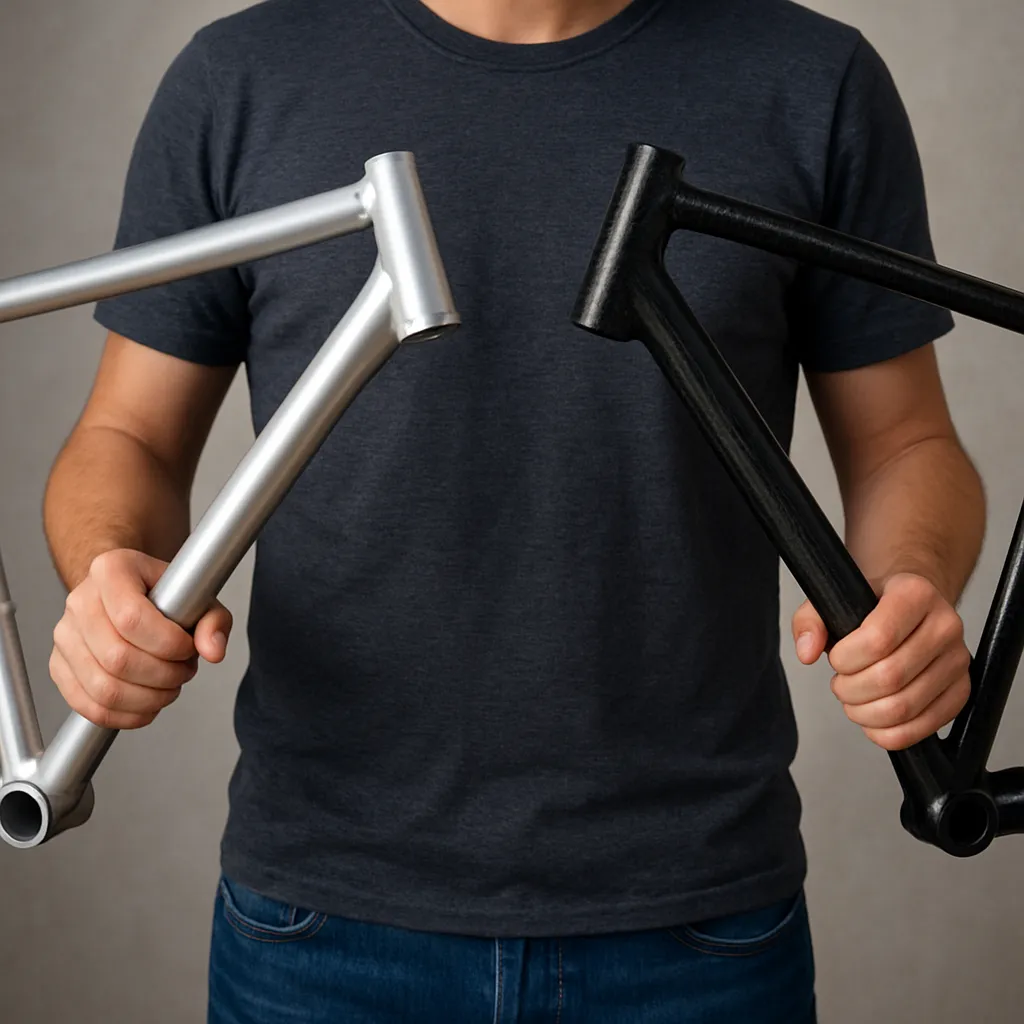
- Consider progressive upgrades: lightweight wheels, aerodynamic frame, or power meter.
Even modest investments in equipment can enhance comfort, durability, and overall performance.