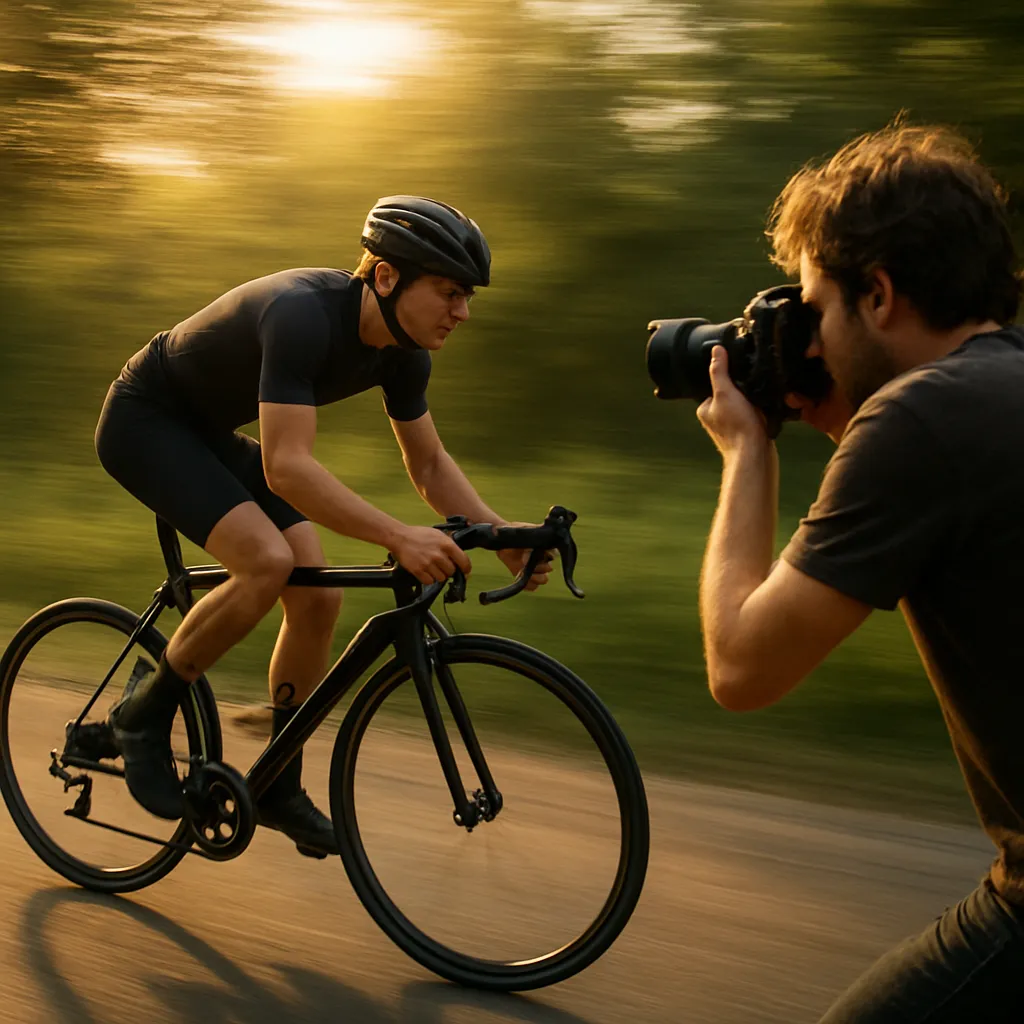
Bike touring offers a unique blend of adventure, self-reliance, and deep connection with the world around you. Whether you plan a weekend jaunt along a scenic river or an epic cross-continental journey, preparing thoughtfully can transform your trip into an unforgettable experience. This guide explores essential aspects of planning, gear selection, and on-the-road strategies to empower riders of all levels.
Choosing the Right Bike
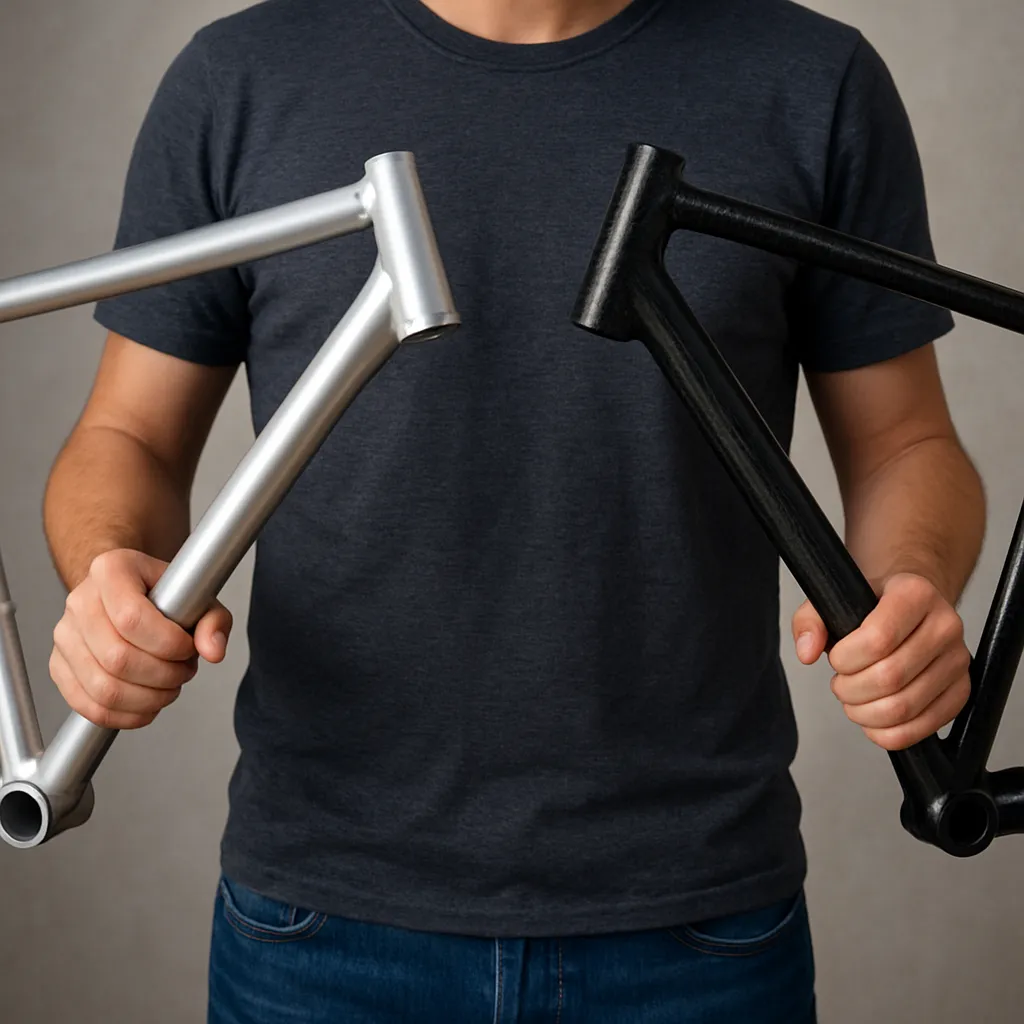
Selecting an appropriate bicycle is the cornerstone of a successful tour. Your bike must balance comfort, durability, and versatility to handle varied terrain and weather conditions. Most touring cyclists opt for a steel-frame model equipped with mounting points for racks and fenders. Steel frames offer a forgiving ride quality and ease of repair in remote areas.
- Touring bikes: Designed for loaded rides, often featuring stable geometry and wide gear ranges.
- Gravel bikes: Lighter and faster on mixed-surface routes, but may lack rack mounts without adapters.
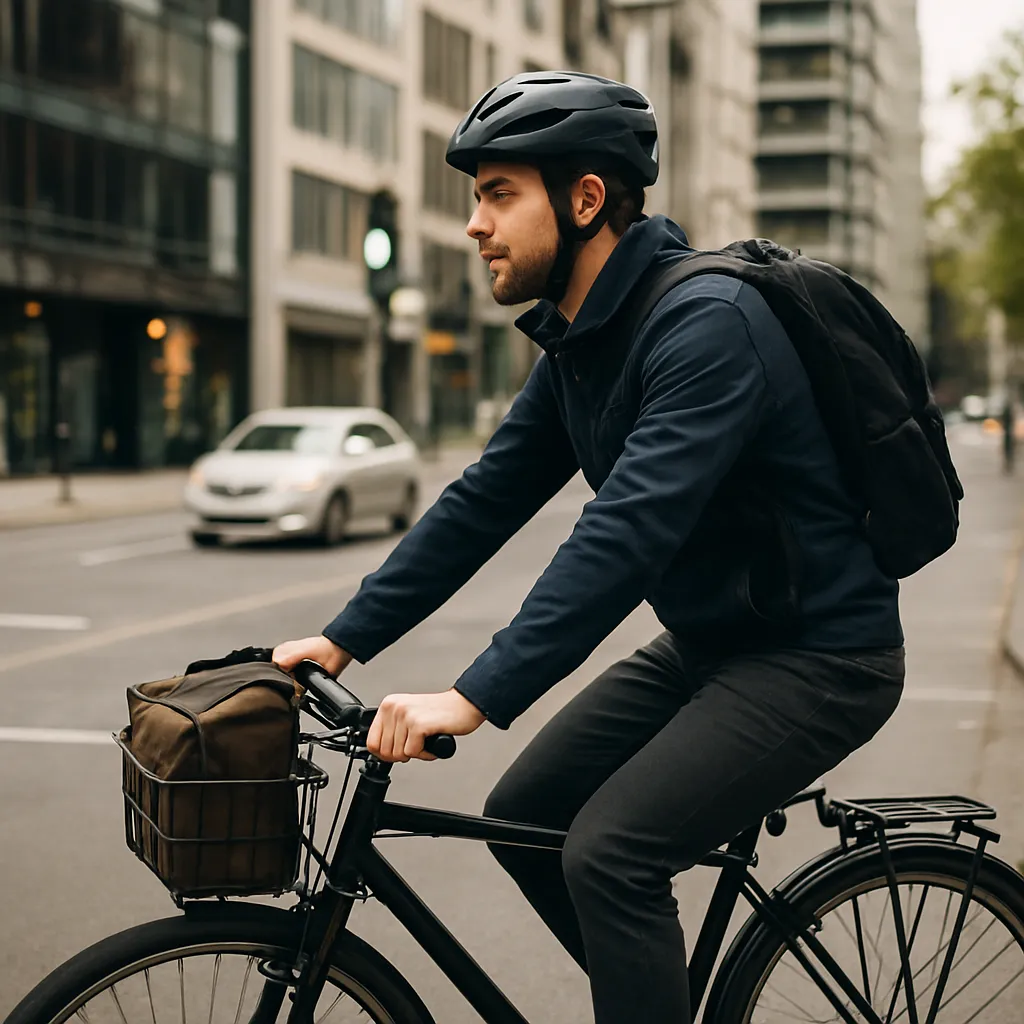
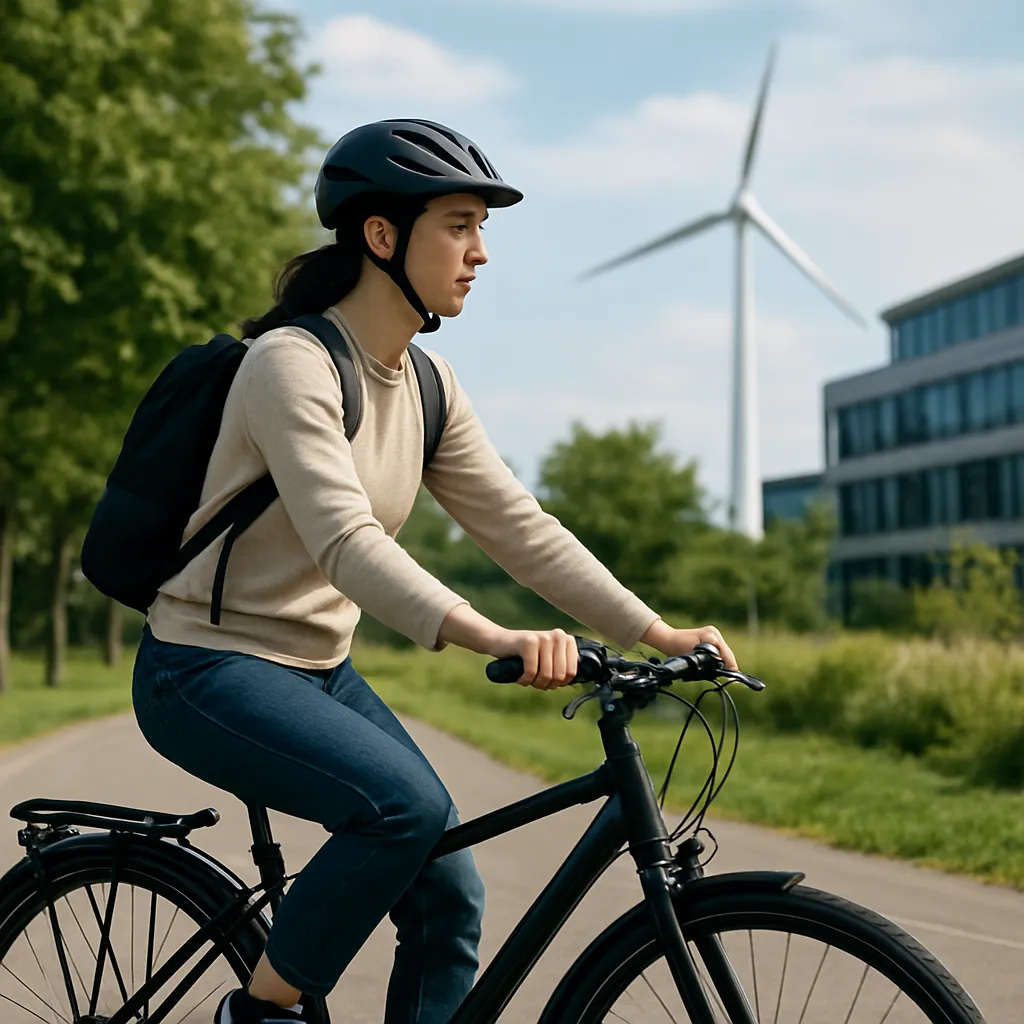
- Hybrid/commuter bikes: Budget-friendly options that can be adapted with racks and sturdy tires.
Key considerations when choosing your machine:
- Frame material and durability
- Brake type (mechanical disc brakes offer reliable stopping power in wet conditions)
- Tire clearance and tread pattern
- Gear ratios suitable for climbing steep passes while carrying a load
- Rack and bottle cage mounts for easy attachment of panniers, racks, and extra accessories
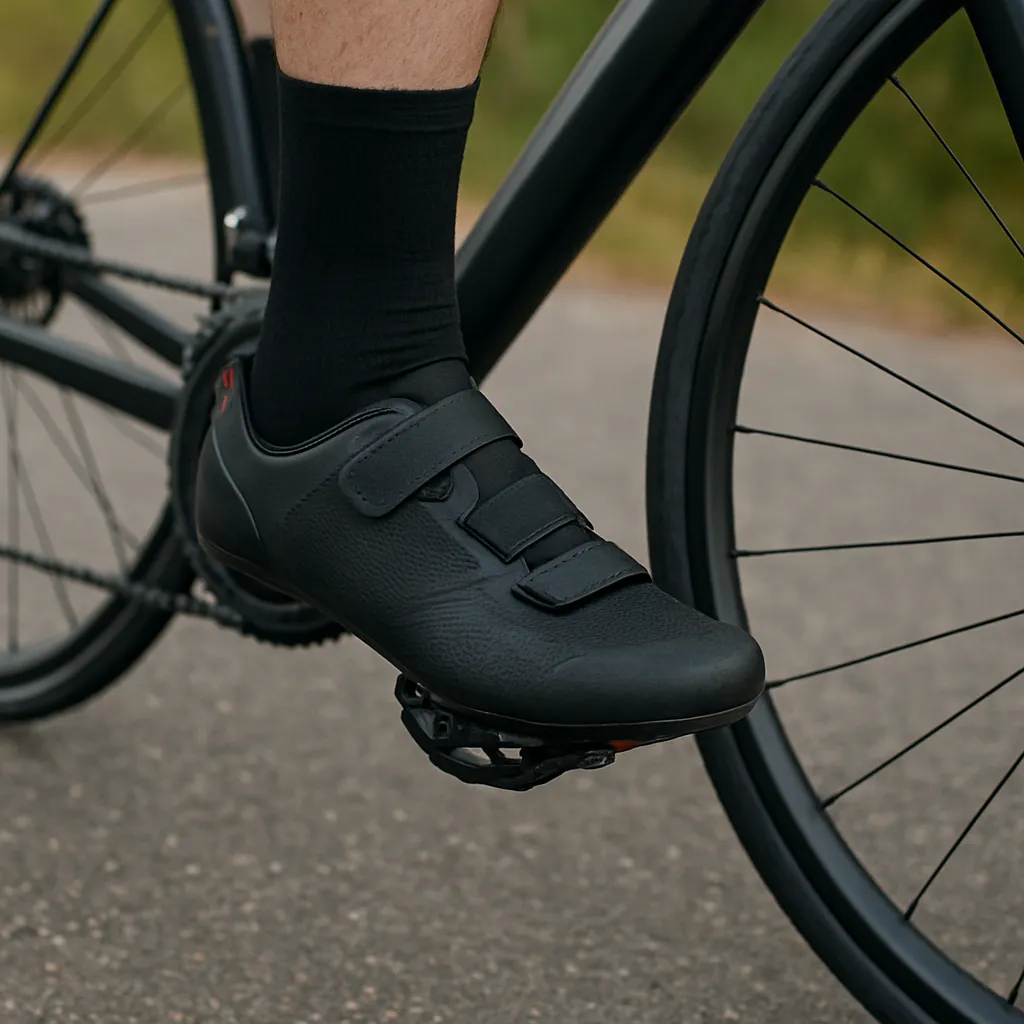
Test-ride any potential bike fully loaded with gear to evaluate handling and comfort during long days in the saddle. Professional bike fitting can help fine-tune saddle height, handlebar reach, and cleat position for optimal efficiency and injury prevention.
Packing Essentials and Bike Setup
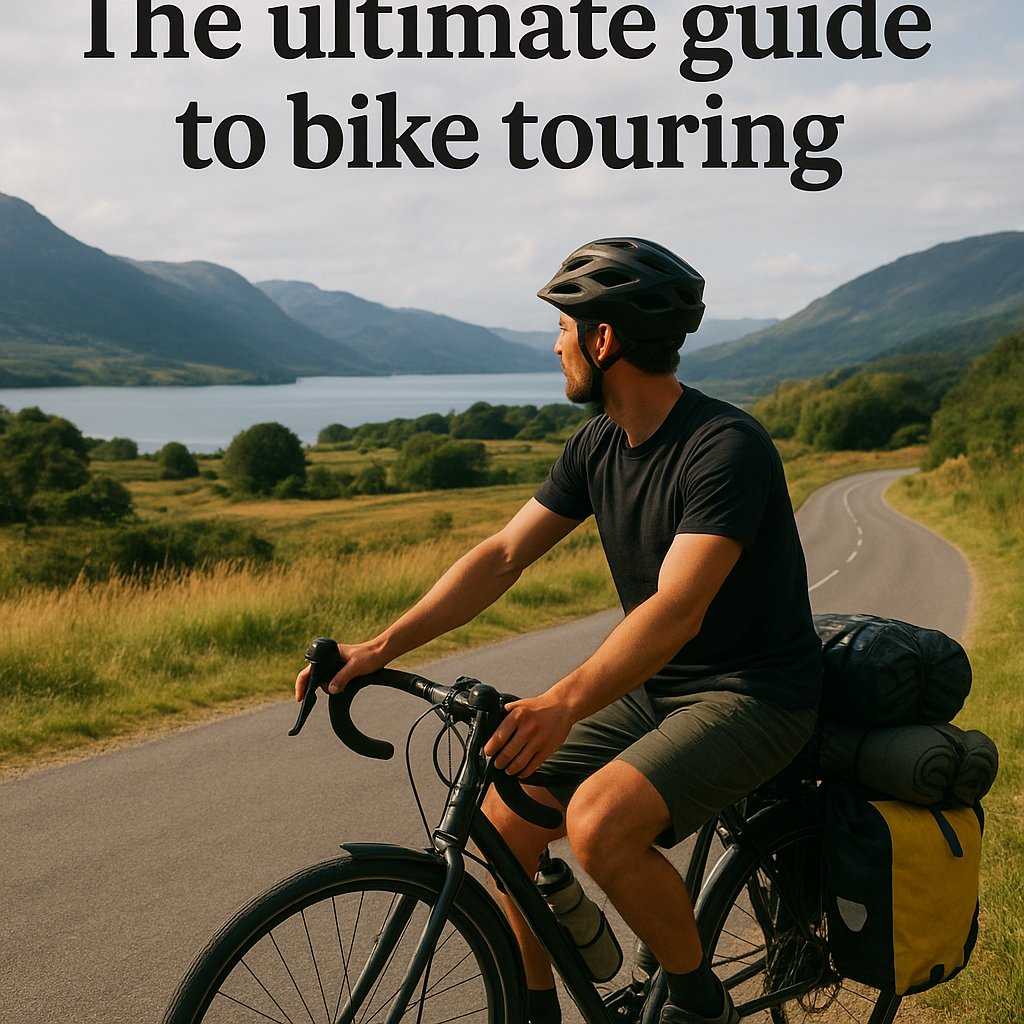
Efficient packing reduces weight and streamlines access to frequently used items. Organize your kit into categories and distribute weight evenly between front and rear racks. This balance prevents overloading one end of the bike, which can compromise steering and stability.
Frame Bags and Panniers
- Frame bag: Ideal for heavy items like tools and stove fuel, kept near the bike’s center of gravity.
- Front panniers: Best for cooking gear and spare clothing.
- Rear panniers: Store sleeping bag, tent, and larger bulky items.
- Handlebar bag or top tube bag: Quick-access storage for snacks, camera, and navigation tools.
Clothing and Shelter
- Layering system: Base layer for moisture management, insulating mid-layer, and waterproof outer shell.
- Compact sleeping quilt or bag rated for expected temperatures.
- Lightweight tent or bivy sack, balanced between weight and durability.
Tools and Spares
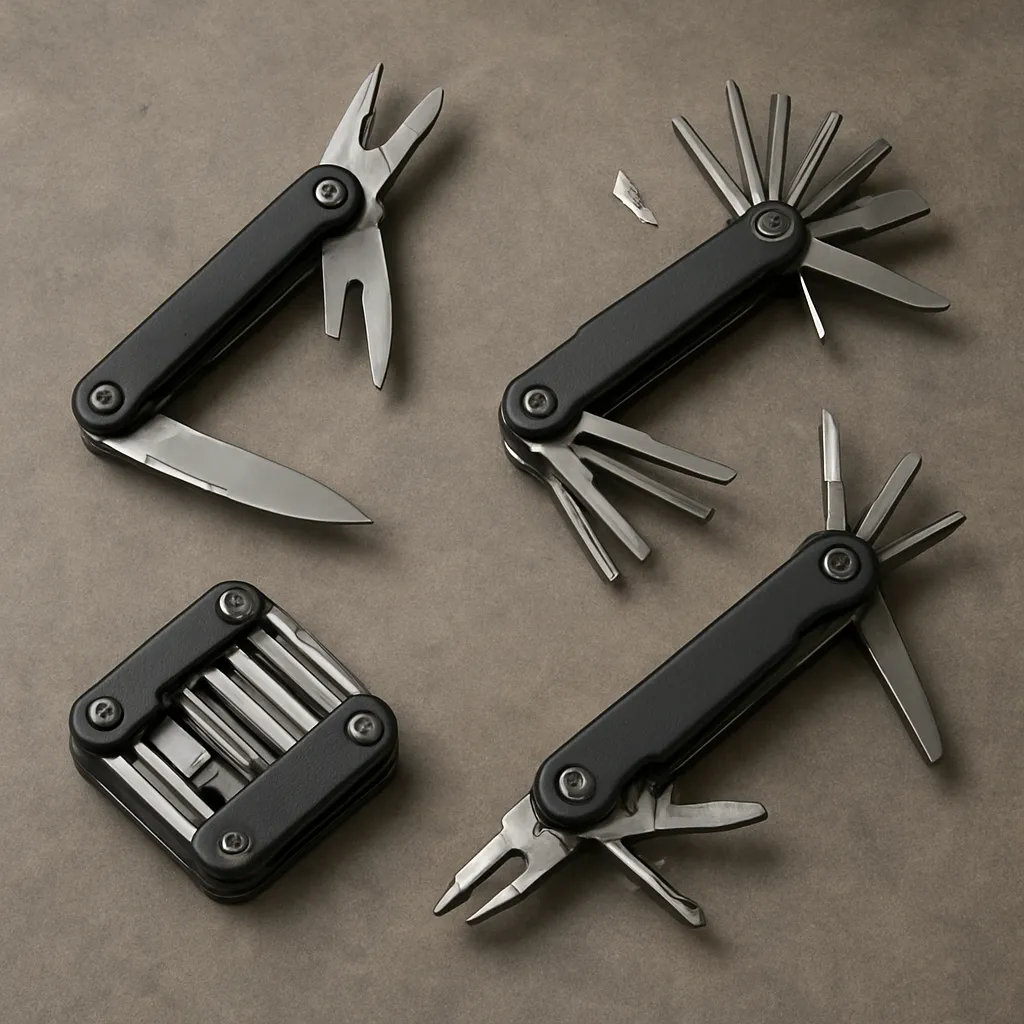
- Multi-tool with chain breaker and Torx bits
- Spare tubes, patch kit, and tire levers
- Portable pump or CO₂ cartridges
- Spare chain links and derailleur hanger
- Basic first-aid kit
Prioritize compact, multi-functional items to minimize bulk. Test-assemble your setup at home to ensure everything fits and is logically organized.
Route Planning and Navigation
Successful tours begin long before you hit the road. Effective navigation and thorough planning minimize surprises and help you maintain a comfortable daily mileage. Consider the following steps:
Research and Mapping
- Digital maps and cycling apps (Komoot, Ride with GPS, Strava) for real-time route guidance and elevation profiles.
- Paper maps as a reliable backup when electronics fail or batteries deplete.
- Local guidebooks and blogs to discover scenic byways and cyclist-friendly accommodations.
Distance and Daily Goals
Set realistic targets based on terrain, fitness level, and available daylight. For a novice, 50–60 km per day on rolling terrain is a reasonable start. Experienced riders may aim for 100 km or more when conditions are favorable.
Weather and Seasonal Factors
- Check historical climate data and current forecasts for temperature, precipitation, and wind patterns.
- Plan altitude gain or high mountain passes in seasonally unpredictable regions carefully.
- Allow extra days in your itinerary for rest and potential weather delays.
On-the-Road Maintenance
Mechanical failures can end a tour prematurely if you’re unprepared. Establish a routine maintenance schedule to keep your machine running smoothly:
- Clean and lube your chain every 200–300 km or after riding in muddy or wet conditions.
- Tighten rack bolts, handlebar clamps, and stem bolts periodically to avoid rattles and potential part loss.
- Inspect brake pads, cables, and wheel trueness weekly.
- Learn to adjust derailleurs for crisp shifting and to replace a damaged spoke if necessary.
Carrying a small maintenance manual or downloading tutorials to your phone can guide you through common roadside repairs.
Nutrition, Hydration, and Recovery
Fueling your body adequately is crucial for sustained performance. Cyclists on loaded tours burn significantly more calories than during daily commutes, often requiring 4,000–6,000 kcal per day depending on intensity.
Meal Planning
- Carbohydrate-rich breakfasts: oatmeal, muesli, or energy bars to replenish glycogen stores.
- High-protein dinners: beans, lentils, or dehydrated meals paired with rice or pasta.
- Portable snacks: trail mix, jerky, or gels for quick energy boosts during rides.
Hydration Strategy
- Carry at least two water bottles or a hydration bladder for easy access.
- Use water filters or purification tablets when refilling from natural sources.
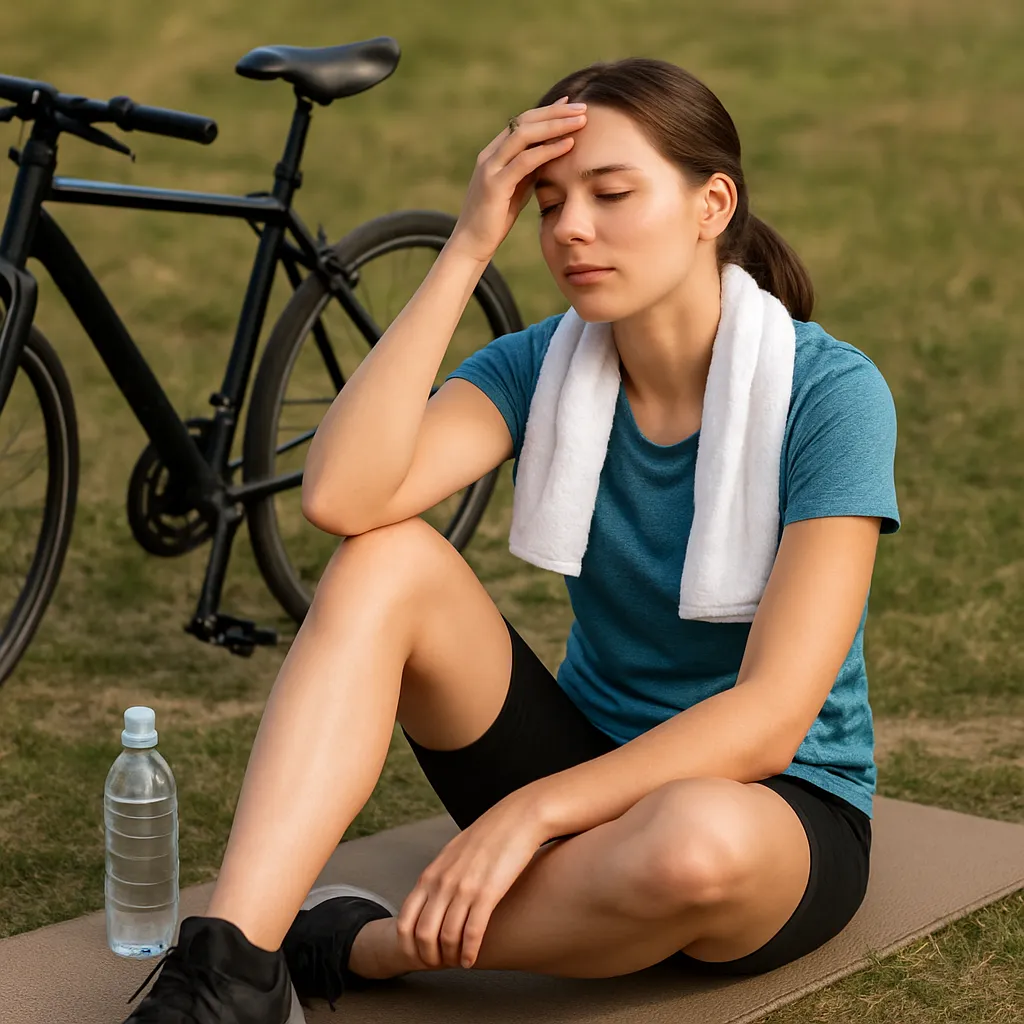
- Monitor urine color and frequency as a practical gauge of hydration status.
Rest and Recovery
- Schedule rest days every 4–6 days to allow muscles to recuperate.
- Perform gentle stretching or yoga in the evening to maintain flexibility.
- Ensure quality sleep by choosing a quiet, level campsite away from traffic noise.
Building Mental Resilience and Community
Long-distance cycling tests more than just physical endurance; it challenges your mindset and adaptability. Developing mental fortitude and connecting with local networks can enrich your journey.
- Adopt a flexible attitude towards unexpected changes in weather or route closures.
- Practice mindfulness or meditation to stay focused during long solo hours on the road.
- Join online forums and social media groups dedicated to bicycle touring for tips and companionship.
- Utilize platforms like Warmshowers to find welcoming hosts and foster genuine cultural exchanges.
Sharing stories with fellow cyclists around a campfire or swapping repair hacks in a hostel can transform a solitary adventure into a shared human experience, deepening your appreciation for the global cycling community.
Maximizing the Adventure
Ultimately, bike touring is about embracing freedom and discovering both new landscapes and inner strengths. By carefully selecting gear, planning thoughtfully, and maintaining a resilient mindset, you’ll be well-equipped to handle challenges and savor every pedal stroke. Enjoy the thrill of the open road, the satisfaction of self-supported travel, and the countless memories awaiting around each bend.