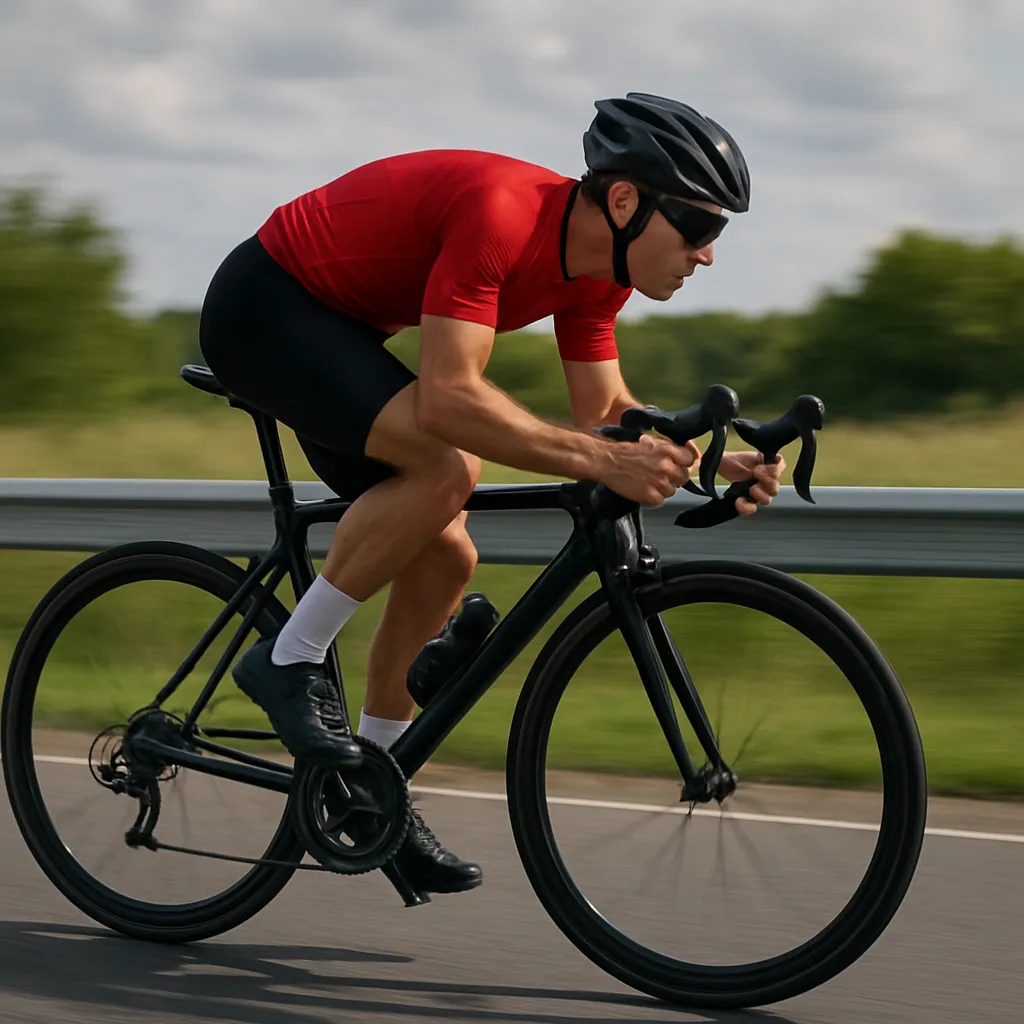
The pursuit of faster cycling merges passion with precision, blending **aerodynamics**, **rolling resistance**, and rider physiology into a symphony of motion. With insights drawn from physics, engineers and athletes collaborate to push the envelope of human-powered speed. This exploration delves into critical factors—airflow, tire behavior, drivetrain mechanics, and terrain interaction—that define the quest for peak performance.
Understanding Air Resistance and Aerodynamics
A dense fluid envelops every cyclist in motion, giving rise to a force called drag. Overcoming this resistance demands both raw power and refined design. Skilful manipulation of body posture and equipment geometry reduces the energy lost to turbulent eddies and pressure imbalances.
Drag Force Fundamentals
The drag force (D) follows the relation D = ½ρCdA v², where ρ represents air density, Cd stands for the **drag coefficient**, A denotes the frontal area, and v is velocity. Each component invites optimization:
- Reducing frontal area (A) by adopting a tucked position.
- Minimizing Cd through streamlined helmets, tight-fitting clothing, and frame shapes honed in wind tunnels.
- Riding in groups to exploit drafting and share wind-blocking duties.
At speeds above 20 km/h, drag becomes the dominant force to conquer. The energy expended to maintain velocity grows with the cube of speed, making even small improvements in **aerodynamics** yield substantial gains.
Role of Turbulent vs. Laminar Flow
A smooth surface encourages laminar flow, whereas rough textures trigger turbulence. Paradoxically, controlled turbulence near the frame can help the boundary layer stay attached longer, reducing overall drag. Modern frames employ strategic surface texturing to harness this effect.
Optimizing Rolling Resistance and Tire Dynamics
With aerodynamic barriers mitigated, attention turns to the interface between tire and road. **Rolling resistance** arises primarily from the continual deformation of the tire as it rolls, consuming a fraction of a cyclist’s energy each revolution.
Tire Compound and Construction
Selection of rubber compounds and casing thickness influences both grip and energy loss. Softer compounds offer traction but may increase deformation losses. High-performance tires balance these trade-offs to maximize **mechanical efficiency**.
Inflation Pressure and Contact Patch
Proper inflation minimizes the area of tire flattening, reducing energy lost to internal **friction**. However, overly high pressures can compromise comfort and traction, especially on rough surfaces. Optimal pressure depends on rider weight, tire width, and road texture.
- Wider tires at lower pressures often roll faster on imperfect roads by reducing vibration-induced energy losses.
- High-TPI (threads per inch) carcasses enable greater compliance and lower rolling resistance.
- Sealant choices affect puncture resistance without significant weight penalty.
Maximizing Power Transfer and Mechanical Efficiency
Every watt produced by a cyclist must traverse chainrings, cassettes, and bearings before propelling the wheels. Mechanical losses in the drivetrain can erode precious power, so components are engineered for minimal slack and friction.
Drivetrain Design and Maintenance
Chain alignment, lubrication quality, and bearing condition collectively determine the fraction of **power output** reaching the rear wheel. Cleaner, well-lubricated chains exhibit lower drag and prolong component life.
Crankset and Pedal Interface
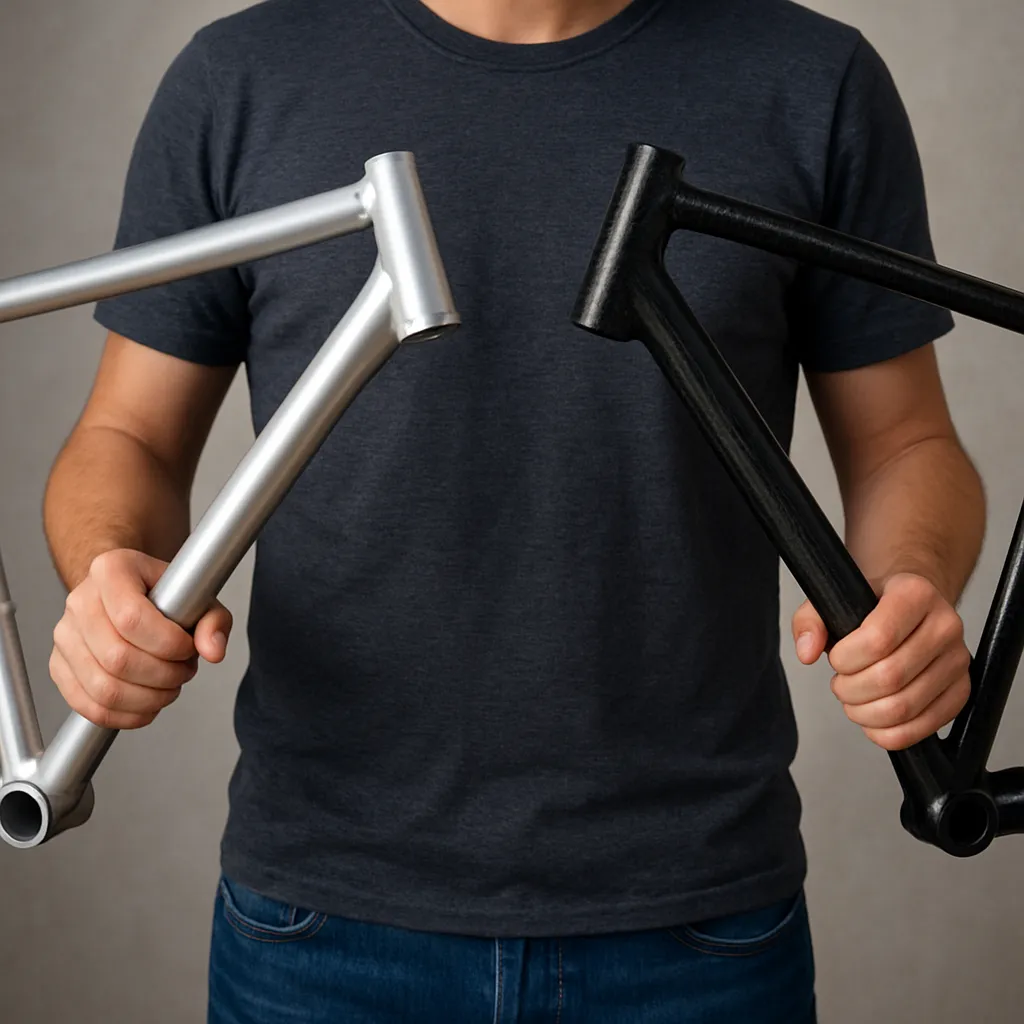
Stiffness at the pedal interface ensures applied force transforms directly into forward motion. Excessive frame flex can dissipate energy, reducing peak torque efficiency. Materials like carbon fiber strike a balance between rigidity and low mass.
- Precision-engineered bottom brackets and oversized spindle diameters resist bending under load.
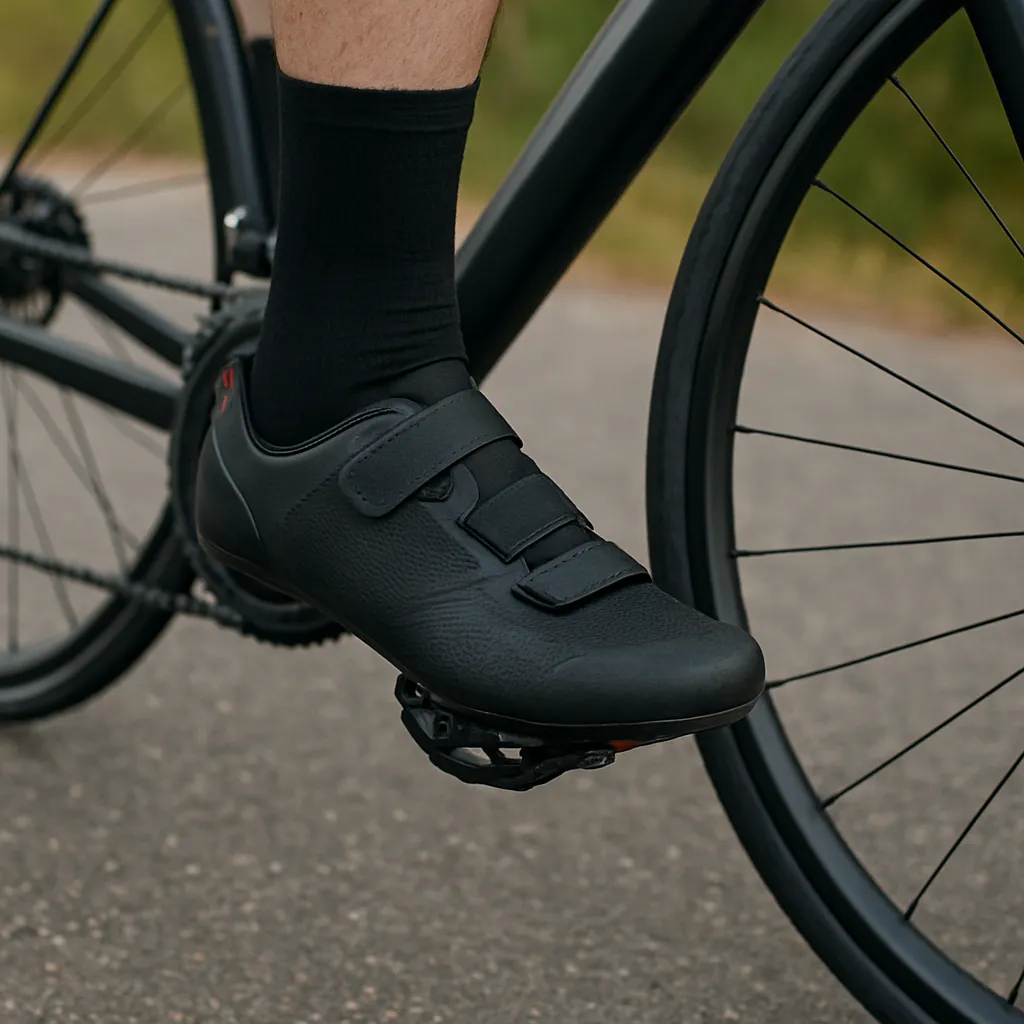
- Advanced pedal bearings reduce rotational friction, preserving more of the cyclist’s effort.
- Optimal **cadence** (pedal revolutions per minute) aligns muscle physiology with gear ratios to maximize sustained power.
Impact of Terrain, Gradient, and Rider Position
Changes in elevation introduce or diminish potential energy, altering the cyclist’s strategy. Climbing exploits the conversion of chemical energy into gravitational gain, while descents trade height for kinetic drama.
Climbing Mechanics
On steep gradients, speeds drop, and aerodynamic drag cedes dominance to gravitational forces. The key metric becomes the power-to-weight ratio. Reducing bike and body mass enhances climbing performance by conserving **kinetic energy** at the summit.
Descending Dynamics
Faster descents require confidence in braking and handling. A low center of gravity and aerodynamic tuck position help manage **momentum**, while tire grip and frame geometry dictate cornering precision.
- Adjustable stem and handlebar configurations enable rapid posture changes between climbing, cruising, and sprinting.
- Disc brakes provide consistent stopping power in wet or steep conditions.
- Suspension elements on gravel or mixed-terrain bikes smooth out irregularities, preserving speed and rider comfort.
Technological Innovations Pushing the Limits
Recent advances in materials, computational fluid dynamics, and sensor integration continually raise the bar. Electronic shifting systems optimize gear transitions to maintain peak torque delivery, while power meters allow real-time feedback on effort distribution.
Smart Data and Predictive Analytics
Wearable and bike-mounted sensors track power, heart rate, and speed, feeding machine-learning models that advise on pacing and equipment choices. By analyzing course profiles and environmental conditions, riders can strategize to conserve energy for crucial segments.
Future Trends in Bicycle Physics
Emerging research into metamaterials and active aerodynamic surfaces promises adaptive frames that morph to reduce drag. Energy-harvesting hubs aim to convert wasted vibration into supplemental battery power for lights or electronic gear.
The journey toward faster cycling is a continuous interplay of science and sweat. By mastering the principles of drag, **rolling resistance**, **mechanical efficiency**, and human physiology, enthusiasts and professionals alike craft ever-faster rides on two wheels.