Building a home cycling gym offers cyclists a convenient and flexible way to train indoors. Whether you’re a beginner or a seasoned athlete, creating a dedicated space can enhance your performance and keep you motivated year-round.
Choosing the Right Equipment
Smart Trainers vs. Classic Rollers
Cyclists must decide between a smart trainer and classic rollers. A smart trainer connects to apps and adjusts resistance automatically to simulate climbs, while rollers require balance and focus on core engagement. Both options have their merits:
- Smart Trainer: Offers precise power readings, interactive workouts, and virtual routes.
- Rollers: Improve bike handling, pedal stroke smoothness, and overall stability.
Essential Accessories
Beyond the primary trainer, equip your space with these items to optimize every session:
- Floor Mat – Protects floors, reduces noise, and catches sweat.
- Fan or ventilation System – Maintains ideal temperature and prevents overheating.
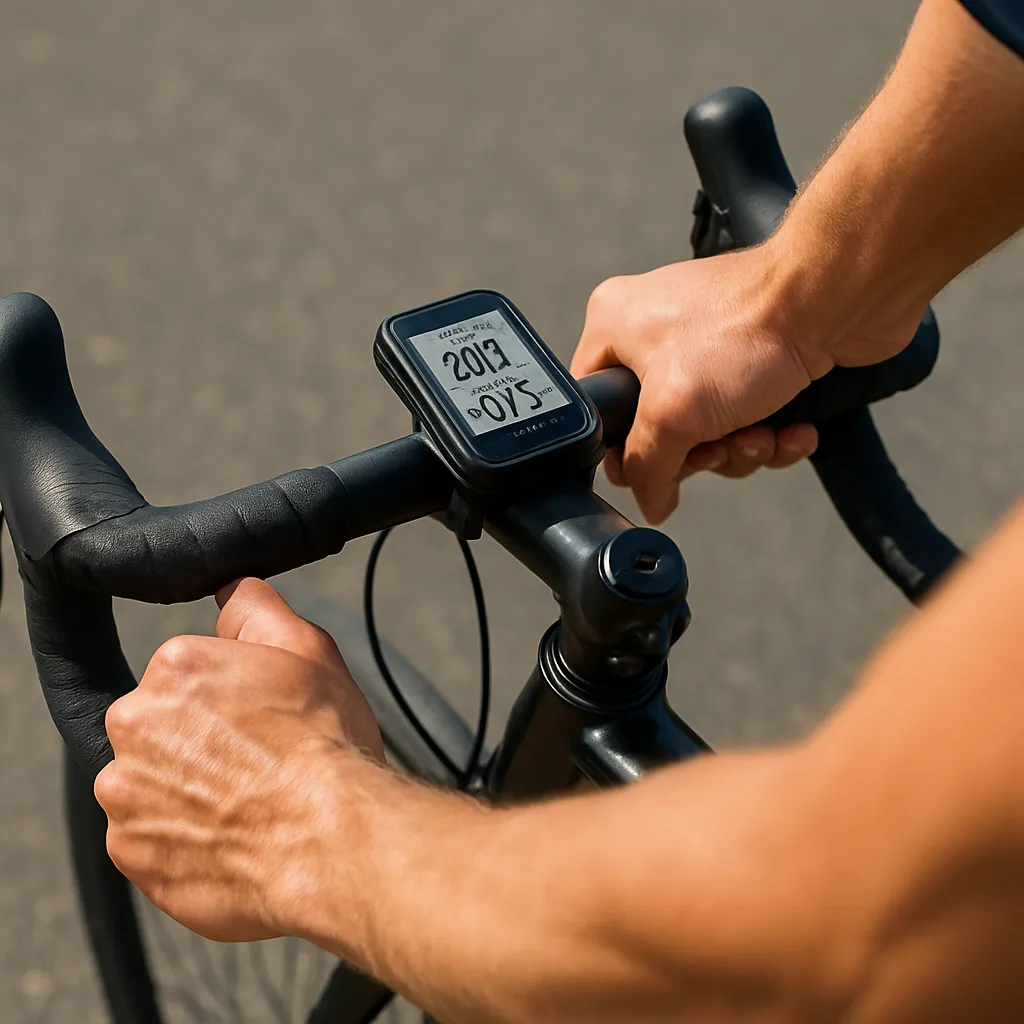
- Training Computer or Bike Mount – Tracks speed, wattage, cadence, and time.
- Comfortable Saddle & Comfort Enhancer – Prevents soreness during long rides.
- Risers and Block – Level front wheel and stabilize the bike’s position.
Setting Up Your Space
Finding the Ideal Location
Select a room with solid flooring, enough ceiling height for standing drills, and access to power outlets. Basements, spare bedrooms, and garages are popular choices because they tend to be less trafficked and more adaptable:
- Basement: Consistent temperature, minimal distractions.
- Spares Room: Easily decorated and soundproofed.
- Garage: Ample ventilation and high ceilings.
Layout and Organization
Arrange your equipment for both functionality and motivation. Use wall-mounted racks to store multiple bikes and keep floors clear. Consider the following tips:
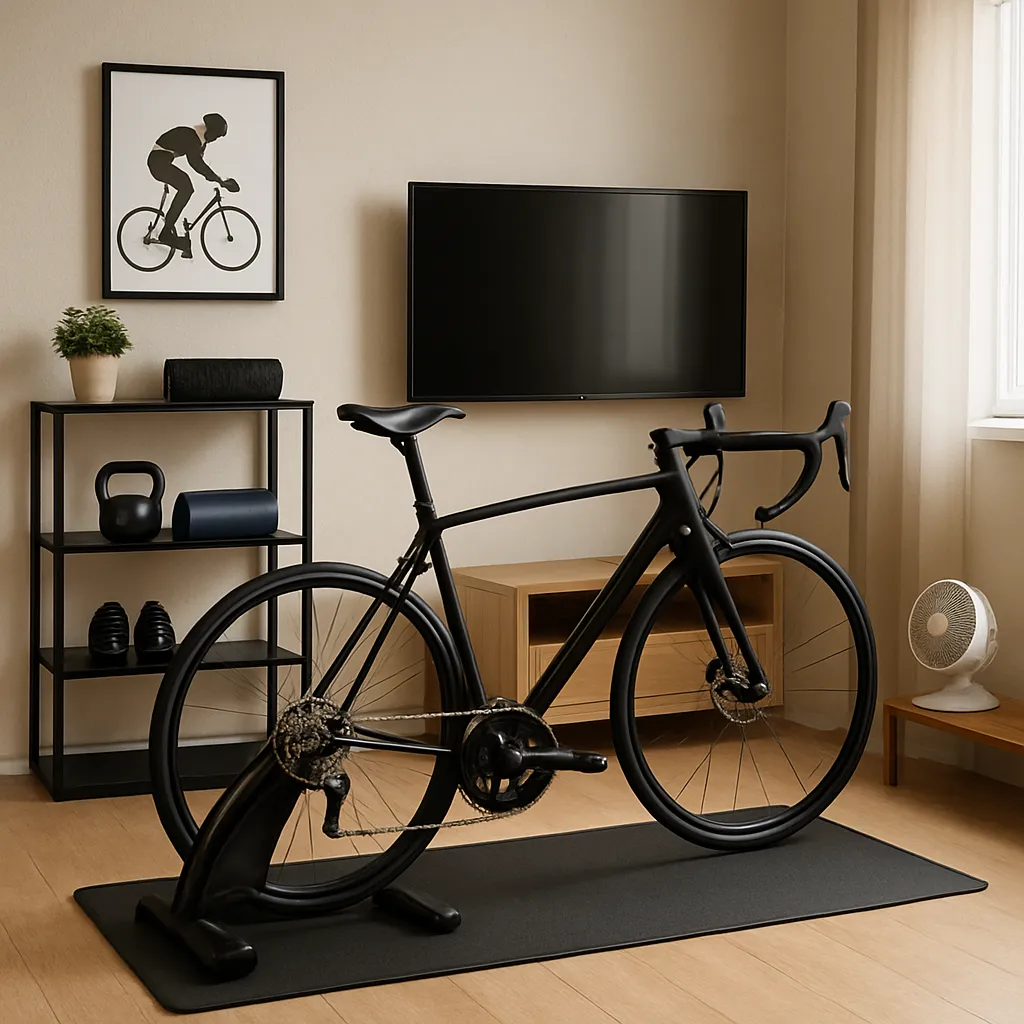
- Position the trainer near a wall-mounted TV or tablet stand for virtual rides.
- Install hooks or pegboards for towels, jerseys, and recovery tools like foam rollers.
- Use shelving totes for electrolyte mixes and spare tubes.
Flooring and Soundproofing
Protect your home and neighbors by investing in quality floor mats and insulating the room’s walls. A thick rubber mat under the trainer will reduce vibration and muffle noise. Add acoustic panels or heavy curtains to absorb sound waves and avoid echo.
Designing Effective Training Routines
Warm-Up and Cool-Down
A proper warm-up primes your muscles, increases heart rate, and prepares your body for intense effort. Follow this structure:
- Five minutes of easy spinning at low resistance.
- Three short sprints of 15 seconds with recovery in between.
- Dynamic stretches off the bike, focusing on hips and hamstrings.
After the main session, allocate at least five to ten minutes for a cool-down of gradual lower effort, ending with static stretches to aid muscle relaxation.
Structured Interval Workouts
Intervals are the cornerstone of indoor training. By manipulating effort and rest periods, you can target specific energy systems:
- VO2 Max Intervals: 5 x 3 minutes at 110% FTP with equal recovery.
- Threshold Blocks: 2 x 20 minutes at FTP, 5 minutes easy between blocks.
- Sprint Sets: 8 x 30 seconds all-out with 4 minutes recovery.
Log each session in a training diary or an app to monitor progress and adjust intensity.
Strength and Core Integration
Enhance your cycling by incorporating off-bike exercises into your weekly routine. Strength training builds muscular endurance, while core work improves stability:
- Squats and Lunges: Increase leg power.
- Planks and Dead Bugs: Stabilize the trunk for efficient power transfer.
- Hip Bridges: Strengthen glutes and lower back.
Tracking Performance Metrics
Monitoring key metrics ensures you stay on track toward your goals. Focus on:
- Power Output: Measured in watts, indicates your force production.
- Heart Rate: Reflects cardiovascular effort and helps manage intensity.
- Cadence: Maintaining optimal cadence (usually 85–95 rpm) enhances efficiency.
- Training Stress Score (TSS): Quantifies workout strain for recovery planning.
Maintaining Motivation and Safety
Variety and Engagement
Avoid boredom with diverse training modalities. Alternate between:
- Virtual Rides: Platforms like Zwift introduce scenic routes and group rides.
- Music Playlists: Sync tracks to interval work for an energizing beat.
- Skill Drills: One-legged pedaling to correct imbalances.
Safety Precautions
Indoors, risks shift from road hazards to equipment malfunctions and overuse injuries. Always:
- Inspect the trainer’s durability and tightening bolts before each ride.
- Keep cooling fans at a safe distance to avoid dust and debris.
- Stay hydrated and monitor for signs of overheating.
Recovery Strategies
After demanding sessions, prioritize rest and regeneration. Implement these practices:
- Foam Rolling and Massage.
- Contrast Showers: Alternate hot and cold water to boost circulation.
- Adequate Sleep: Aim for 7–9 hours to support muscle repair.
Final Tips for Long-Term Success
Consistency Over Intensity
Regular, moderate workouts often yield better adaptation than sporadic, extreme efforts. Build a weekly plan with balanced endurance, interval, and recovery days.
Listen to Your Body
Monitor fatigue and adjust volume to prevent burnout. Remember that quality supersedes quantity; a focused 60-minute session can be more beneficial than a four-hour low-intensity ride when time is limited.
Progressive Overload
Gradually increase the duration, intensity, or frequency of your workouts. Small, systematic increments—such as adding five minutes to your threshold blocks every two weeks—encourage steady gains without injury.