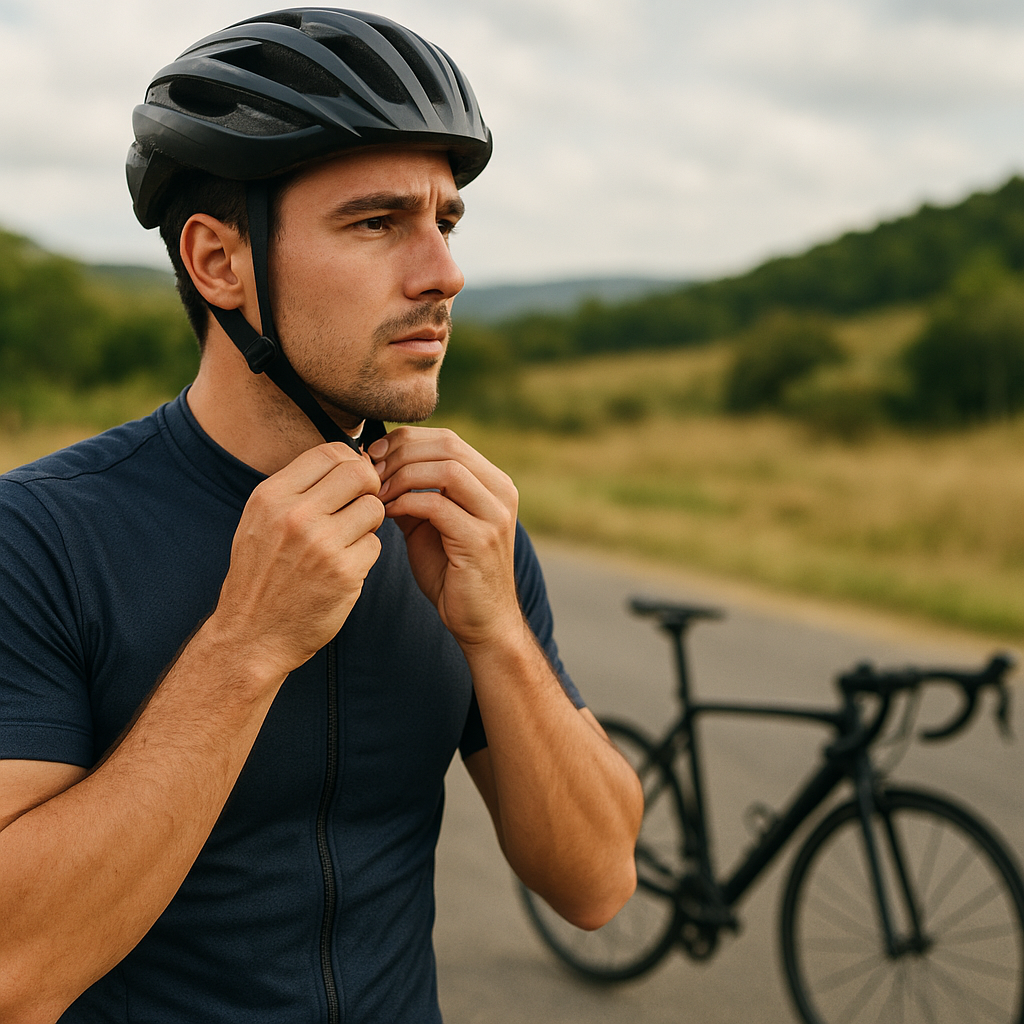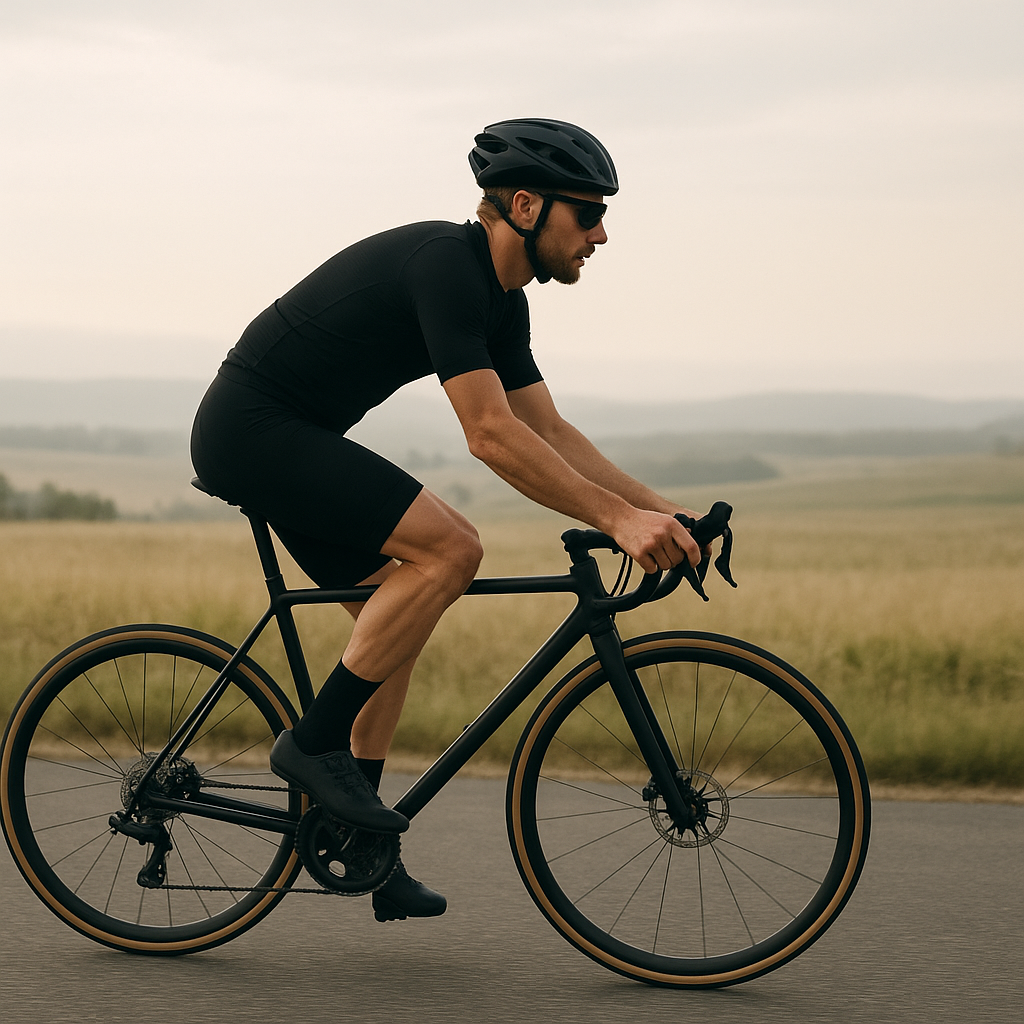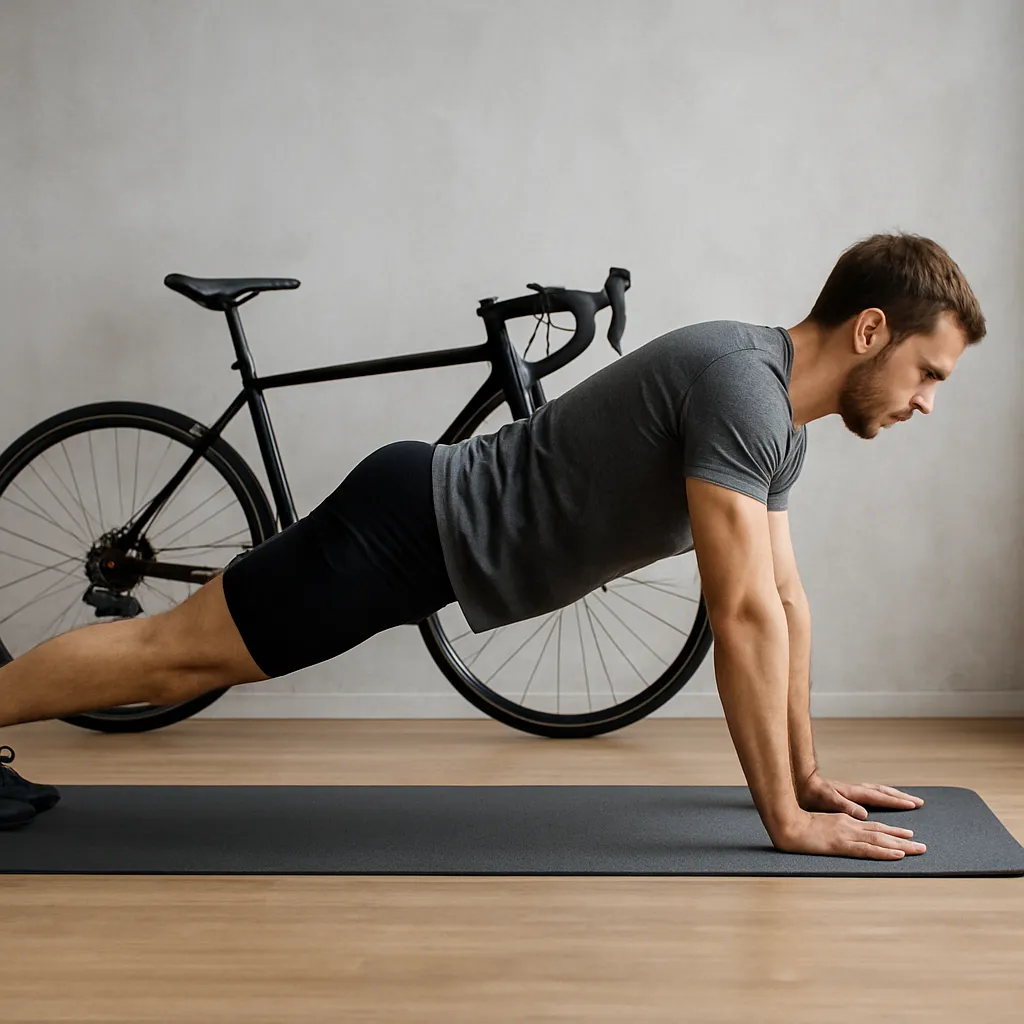
Cycling demands more than just strong legs and a determined mindset. A powerful and well-engaged core provides the foundation for efficient pedaling, enhanced bike control, and long-term injury prevention. By focusing on targeted exercises that develop stability, balance, and coordination, cyclists can transform their performance on flat roads, steep climbs, and technical descents.
Benefits of Core Strength in Cycling
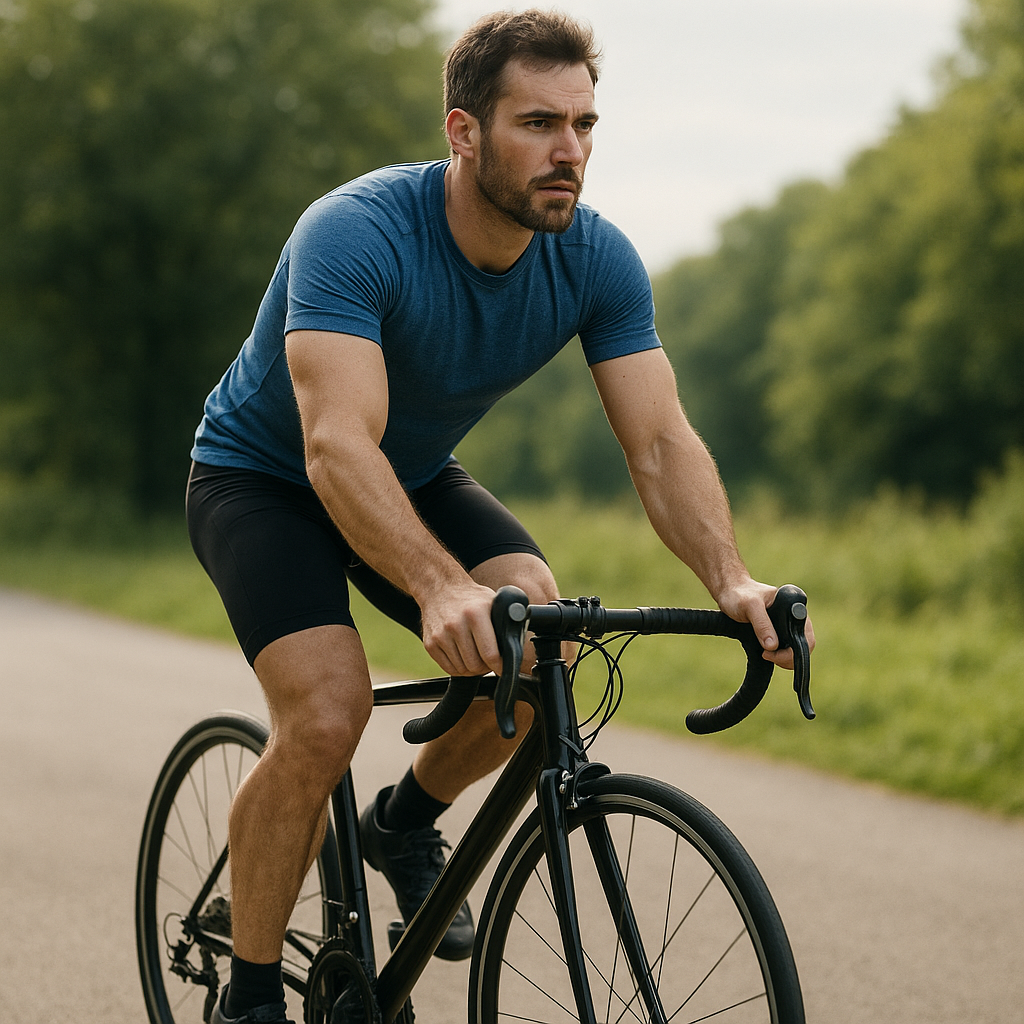
Developing a resilient midsection does wonders for overall bike performance. A robust core supports the spine and pelvis, allowing for smoother power transfers from the hips to the pedals. Riders with superior posture experience less fatigue in the lower back and glutes, maintaining an aerodynamic position for longer distances. Strong abdominal and lower back muscles help stabilize the upper body when tackling rough terrain, preventing energy leaks and reducing the risk of overuse injuries.
- Enhanced Power Transfer: Engaging core muscles correctly channels force through the pedal stroke.
- Improved Endurance: Sustained stability delays muscular fatigue in the legs and back.
- Better Bike Handling: Control through turns and obstacles is heightened by a solid midsection.
- Reduced Injury Risk: A balanced core prevents compensatory movements that strain joints and ligaments.
Essential Exercises to Improve Stability
Core Activation Techniques
Before diving into dynamic movements, learn to activate the deep core muscles. The transversus abdominis (TVA) wraps around the torso like a corset, providing spinal support and controlling intra-abdominal pressure. Mastering TVA activation sets the stage for safer, more effective workouts.
- Drawing-In Maneuver: Lie on your back, knees bent. Gently pull your navel toward the spine without tilting the pelvis. Hold for 10 seconds, repeat 10 times.
- Heel Slides: Maintain TVA engagement as you extend one leg at a time, keeping your lower back flat on the ground.
Plank Variations
Planks are a staple for building endurance in the anterior chain and lower back. Adjusting hand and foot positions challenges different muscle groups.
- Standard Plank: Forearms under shoulders, body in a straight line. Hold for 30–60 seconds.
- Side Plank: Stack feet, keeping hips lifted. Targets the obliques and lateral stabilizers.
- Plank with Leg Lift: While in position, lift one leg, alternating every 5 seconds to intensify glute and hamstring engagement.
Dead Bugs and Bird Dogs
These multi-limb movements reinforce coordination between the core and extremities, simulating stabilization demands experienced while pedaling.
- Dead Bug: Lie on your back, arms reaching toward the ceiling. Lower the opposite arm and leg simultaneously, keeping the spine neutral.
- Bird Dog: On hands and knees, extend one arm forward and the opposite leg backward, maintaining hip level.
Russian Twists and Woodchoppers
Rotational exercises strengthen the obliques and improve control during bike handling. Incorporate medicine balls or resistance bands to increase intensity.
- Russian Twist: Sit with knees bent, lean back, and rotate the torso side to side.
- Woodchopper: Anchor a band or use a cable machine. Pull diagonally across the body, engaging the entire trunk.
Bridges and Hip Thrusts
A strong posterior chain supports pelvic alignment, essential for powerful pedal strokes and preventing lower back discomfort.
- Glute Bridge: Lie on your back, feet flat. Lift hips until shoulders, hips, and knees form a straight line.
- Barbell Hip Thrust: Place upper back on a bench, barbell across hips. Drive through the heels to lift the weight.
Integrating Core Work into Your Cycling Routine
Balance is key when adding core sessions to your training plan. Overloading the midsection can interfere with recovery and riding performance. Aim for two to three targeted core workouts per week, each lasting 15–20 minutes. Following a ride provides an active cooldown, while standalone gym sessions offer focused intensity.
- Post-Ride Core Blast: Perform planks, dead bugs, and bridges immediately after easy spins.
- Gym Circuit: Combine rotational, anti-extension, and anti-lateral flexion exercises in supersets.
- Periodization: During base-building phases, prioritize core endurance. Shift to explosive core drills (medicine ball throws, dynamic planks) in strength phases.
Proper Technique and Common Mistakes
Ensuring correct form prevents compensatory patterns and maximizes benefits. Watch for these frequent errors:
- Hips Sagging in Planks: Maintains spinal hyperextension rather than core engagement.
- Neck Strain in Crunches: Leading with the head instead of curling the chest toward the pelvis.
- Arching Low Back in Dead Bugs: Failing to keep the spine neutral under load.
- Over-Rotation in Twists: Relying on arms rather than initiating movement from the torso.
Use mirrors or record yourself to monitor alignment. Engage a coach or training partner to provide feedback on posture and bracing techniques.
Recovery, Flexibility, and Injury Prevention
A comprehensive core program extends beyond strength drills. Incorporate flexibility and mobility work to maintain optimal muscle length and joint function. Tight hip flexors or hamstrings can disrupt pelvic mechanics, undermining core efforts and leading to knee or back pain.
- Psoas Stretch: Kneel on one knee, push hips forward while keeping the torso upright.
- Piriformis Release: Use a foam roller or lacrosse ball under the glutes to alleviate tension.
- Cat-Camel Mobilization: On hands and knees, alternate arching and rounding the spine to enhance segmental flexibility.
Regular soft-tissue work, dynamic warm-ups before rides, and proper cool-downs after intense sessions help maintain muscle health. Adequate sleep and nutrition fuel recovery, allowing you to consistently train your core and cycling performance.