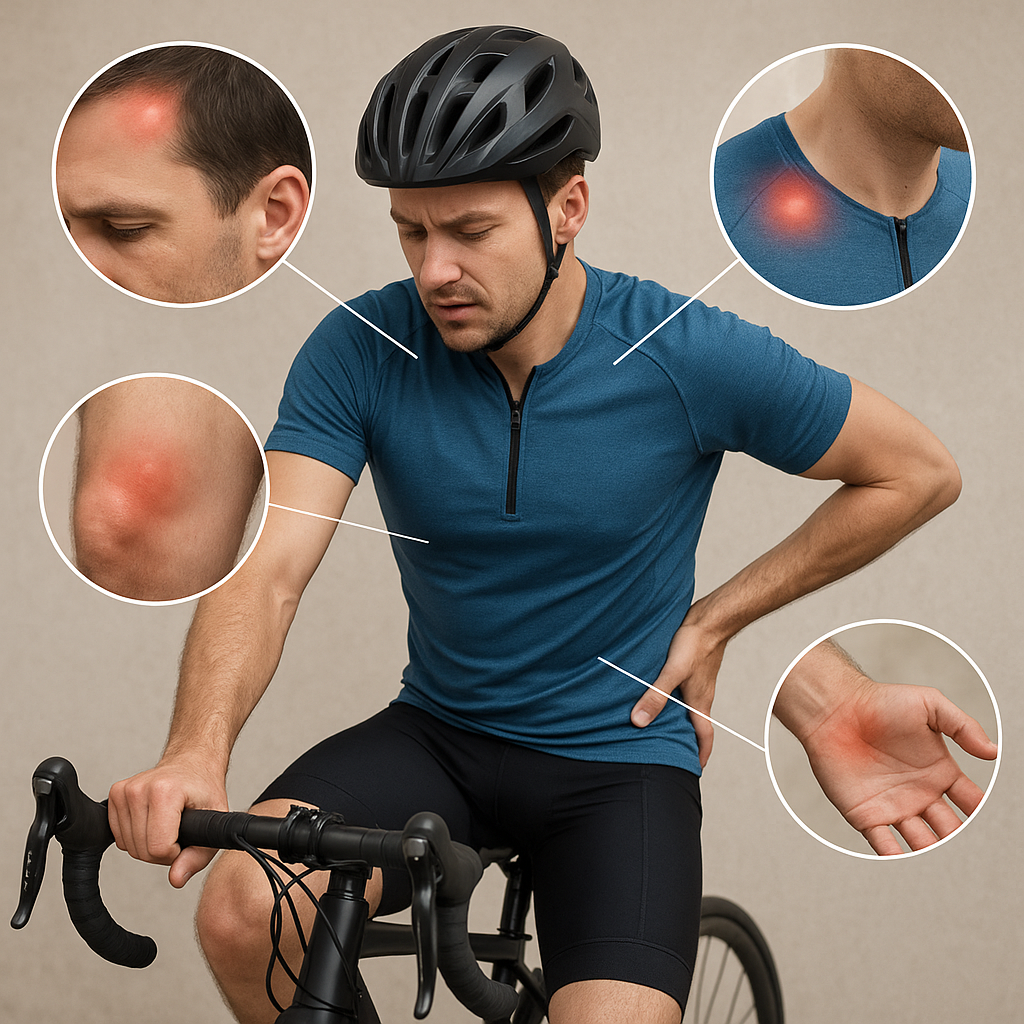
Cycling offers an exceptional way to explore new landscapes, boost cardiovascular health, and foster a sense of freedom on two wheels. Yet even the most enthusiastic riders can struggle with back pain if they overlook proper positioning, muscle support, and riding strategy. By focusing on strategic adjustments, strength development, and mindful techniques, you can preserve a pain-free cycling experience and enjoy every mile with greater comfort.
Optimal Bike Fit and Positioning
One of the most critical factors in preventing back issues is ensuring your bicycle accommodates your body. An incorrect saddle height or poorly placed handlebar can force your spine into an unnatural curve, leading to chronic pain. Follow these guidelines to fine-tune your setup:
- Adjust saddle height so that your knee remains slightly bent (around 25–30 degrees) at the bottom of the pedal stroke. This promotes alignment of the hip, knee, and ankle.
- Slide the saddle forward or backward to achieve a neutral hip angle, avoiding excessive forward lean or backward tilt.
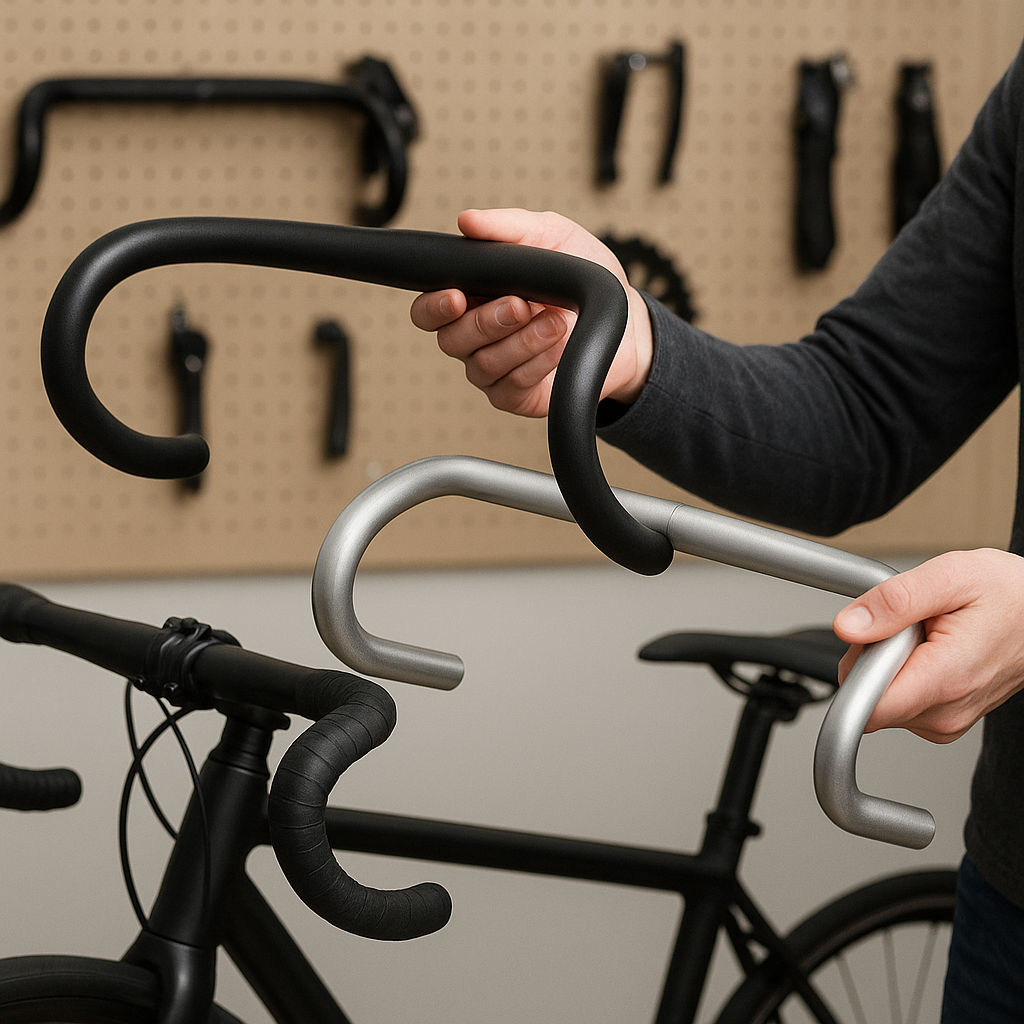
- Position the handlebar at a height that allows a comfortable reach without shrugging your shoulders or arching your low back (lumbar region).
- Ensure your reach distance places your elbows softly bent, preventing overextension of the arms and tension in the upper back.
- Check that your cleats or pedals align under the ball of your foot, promoting efficient power transfer and reducing undue stress on the knee and lower back.
Using a Professional Bike Fit
Investing in a certified bike fit can make a significant difference. A professional fitting session typically includes dynamic video analysis and precise measurements that address your unique flexibility and riding style. The process takes into account:
- Your trunk and hip flexibility
- Arm and shoulder range of motion
- Spinal curvature and pelvic tilt
- Riding discipline (road, mountain, touring)
After the session, you’ll receive guidance on adjustments and targeted stretches to maintain an ergonomic posture on the bike.
Strengthening Core and Supporting Muscles
Maintaining a stable torso throughout each pedal revolution reduces the risk of lower back discomfort. By building comprehensive strength and endurance in your abdominals, glutes, hips, and paraspinal muscles, you establish a solid foundation that supports a neutral spine. Consider incorporating the following exercises into your routine twice weekly:
- Planks (front and side variations) for sustained core engagement
- Bird-dog movements to train contralateral stability
- Glute bridges and hip thrusts to activate posterior chain muscles
- Pelvic tilts on a stability ball to mobilize the lumbar region gently
- Dead bugs for anti-extension control and coordination
Dynamic Warm-Ups and Mobility Drills
Before you hit the road or trail, prepare your spine and adjacent joints with dynamic movement sequences. Aim for five to ten minutes of drills that open the hips and shoulders, such as:
- Leg swings (front-to-back and side-to-side)
- Torso twists with arms extended
- Hip circles and cat–cow stretches
- Band-resisted shoulder external rotations
These drills enhance your range of motion, reduce muscle stiffness, and support efficient biomechanics once you start pedaling.
Riding Technique and Spinal Awareness
Even with the perfect bike fit and well-developed musculature, improper riding habits can undo your progress. Cultivate body awareness and adopt techniques that distribute loads evenly across your frame.
Efficient Posture on the Move
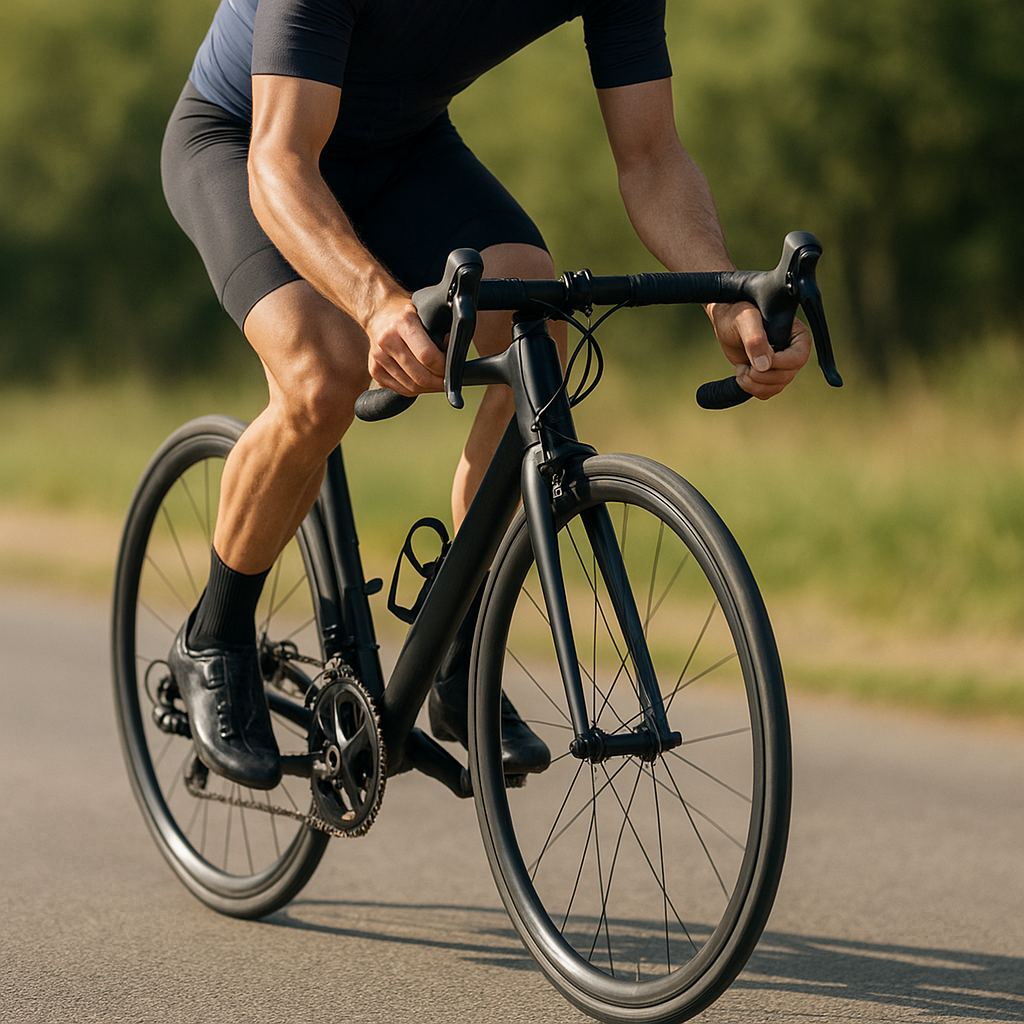
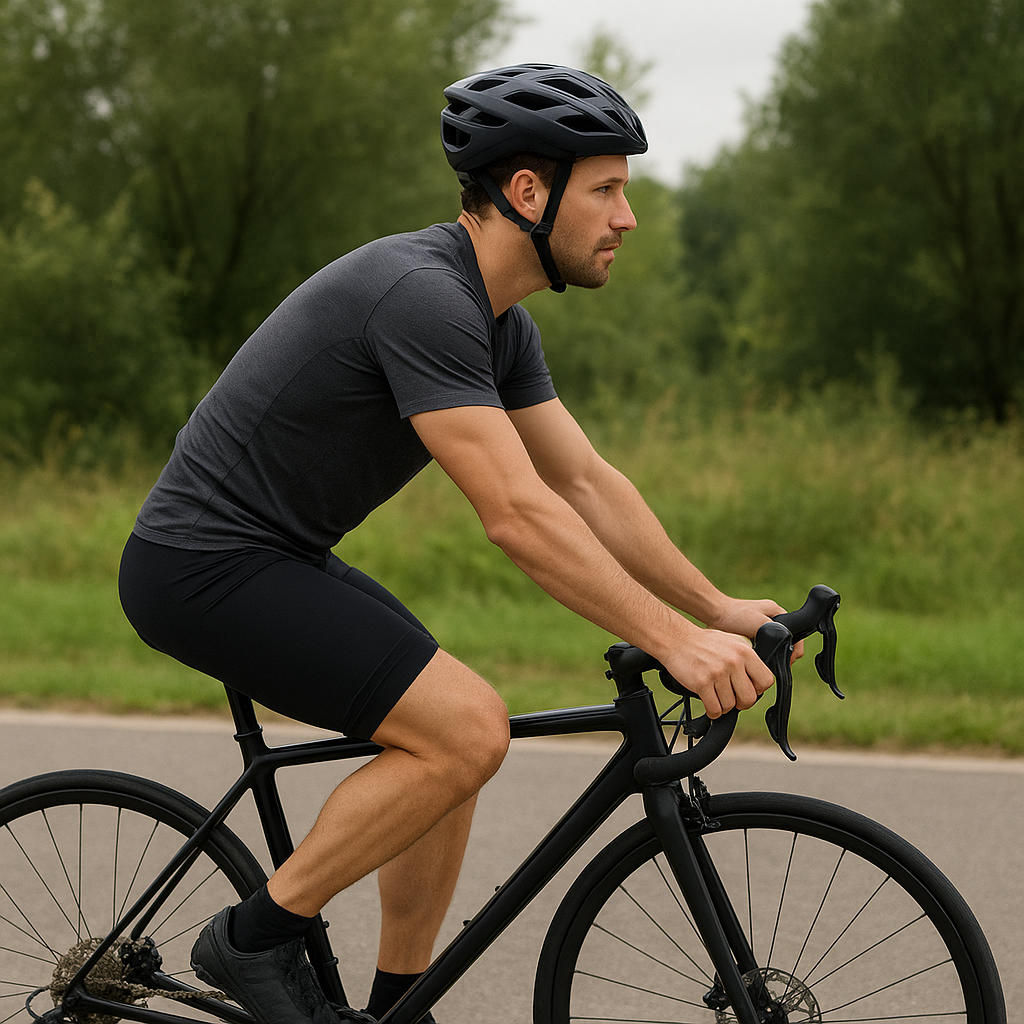
- Keep your chest open and shoulders relaxed, avoiding a collapsed upper back.
- Maintain a slight bend in your elbows to absorb road vibrations and preserve spinal neutrality.
- Engage your glutes and lower abdominals to support your posture and prevent excessive arching.
- Periodically lift one hand off the handlebar to stretch the upper back and re-evaluate your alignment.
- Shift body weight forward when climbing to prevent bearing too much pressure on the hands and arms.
Micro-Breaks and Position Changes
Long rides demand micro-adjustments to keep your body fresh. Schedule position changes every 10–15 minutes:
- Stand briefly to release tension in the saddle and engage different muscle groups.
- Slide forward on the saddle for short bursts to target hamstrings and quads differently.
- Alternate between sitting and standing on steep climbs to maintain blood flow and muscle engagement.
Equipment Choices and Ongoing Maintenance
Beyond fit and technique, certain gear can further minimize back strain. Ensure your components are well-maintained and chosen with ergonomic principles in mind.
- Select a saddle with appropriate padding and a cutout design to reduce pressure on the perineal area.
- Use ergonomic grips or gloves that support the wrist and absorb vibration.
- Opt for a stem with adjustable angles to fine-tune bar height on the go.
- Check tire pressure regularly; underinflated tires increase vibration transmitted through the frame.
- Rotate your saddle and grips periodically to prevent uneven wear and hotspots.
Regular Check-Ups
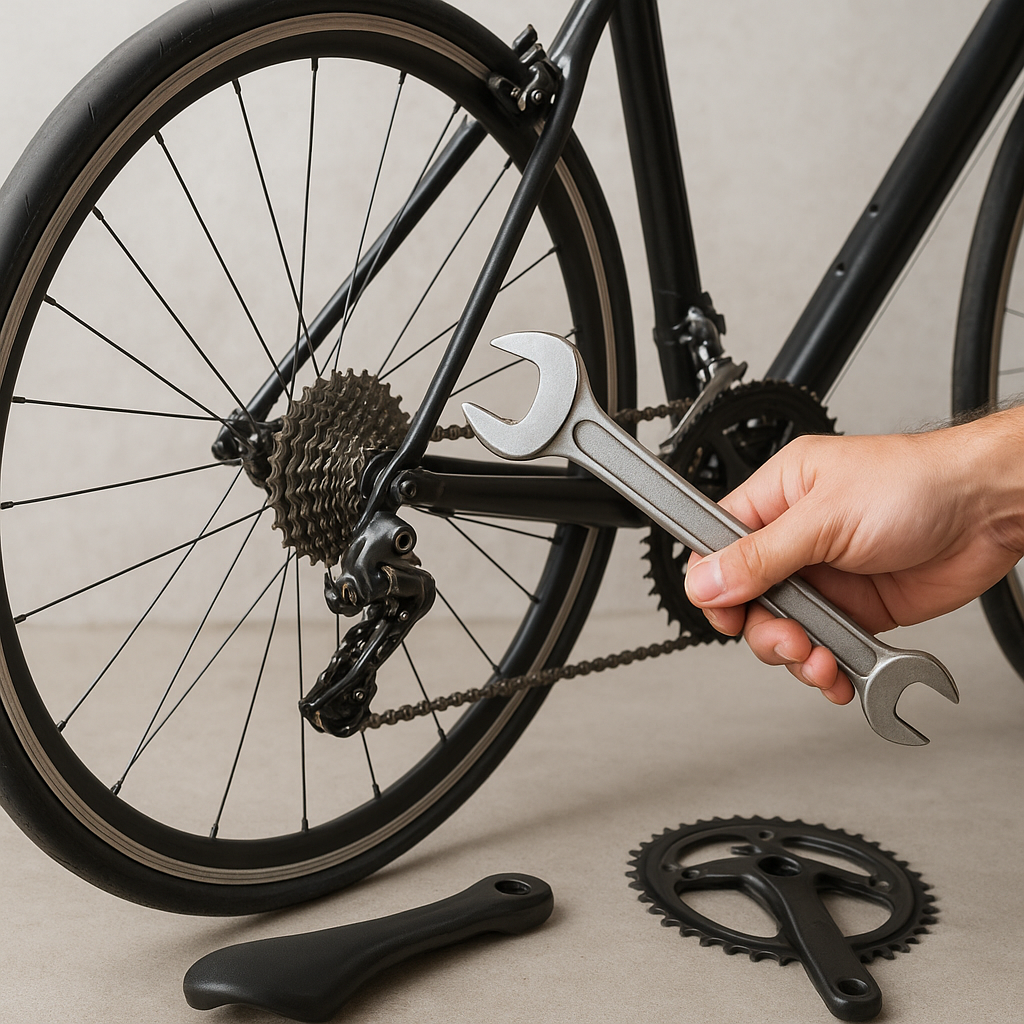
Schedule routine inspections of your frame, suspension (for mountain bikes), and fasteners. Loose bolts and misaligned components can subtly alter your contact points, forcing compensations that strain your back. A quick mechanical review every month keeps all parts functioning in harmony and maintains the stability of your ride.