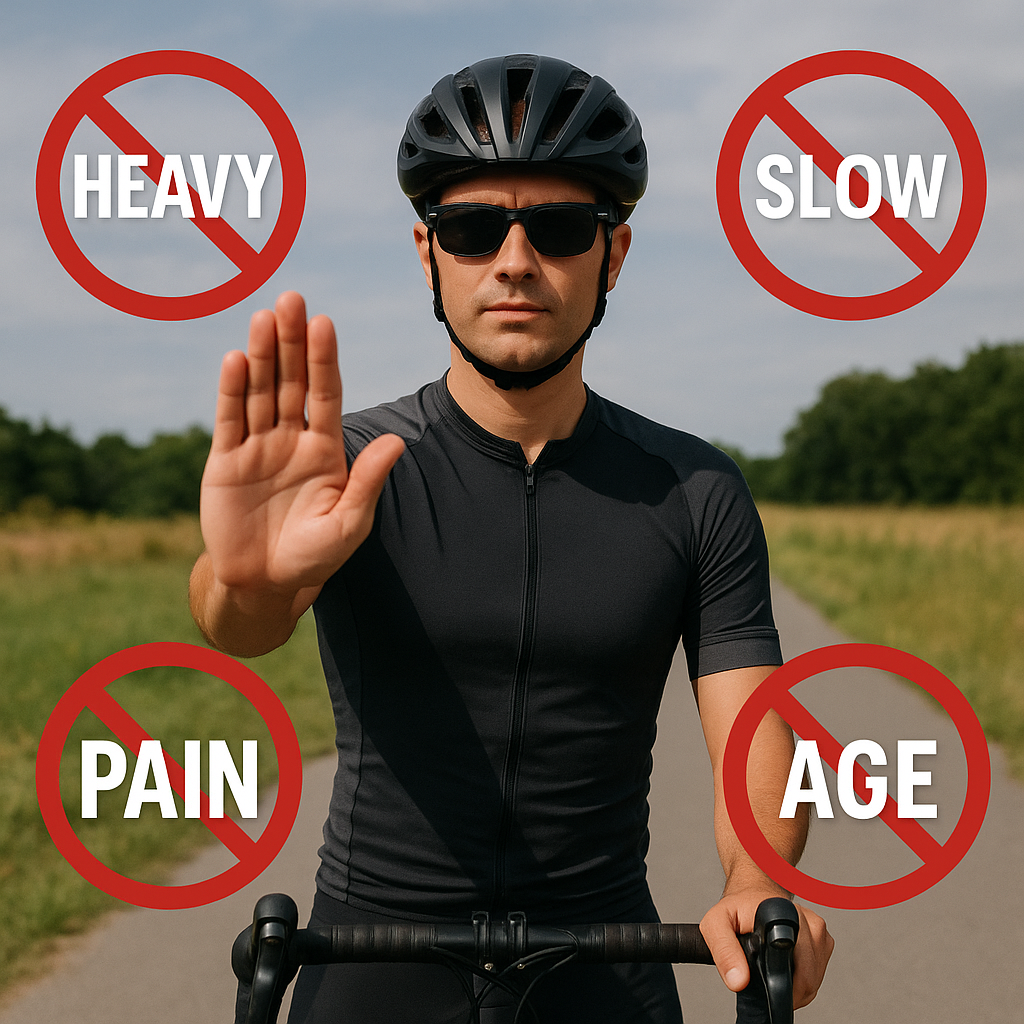
Embarking on a two-wheeled journey often comes with a tangle of half-truths and outdated beliefs. Many riders, from beginners to seasoned veterans, encounter advice that seems profound but falls apart under scrutiny. This article dives deep into a collection of pervasive cycling myths, offering clear evidence and practical guidance to help you ride smarter, safer, and with greater enjoyment. Whether you seek to boost your performance, protect your health, or streamline your maintenance routine, debunking these misconceptions will accelerate your progress.
General Misconceptions about Cycling
Myth: Cycling Is Only for the Young
Age is frequently cited as a limiting factor in cycling, but the reality is far more encouraging. Enthusiasts well into their later decades continue to log significant mileage, conquer challenging climbs, and participate in competitive events. Scientific studies underscore the endurance benefits of low-impact cardiovascular exercise like cycling, which strengthens the heart, improves flexibility, and reduces joint stress. To start safely:
- Consult a physician for a personalized fitness plan.
- Begin with shorter rides and build gradually.
- Focus on proper bike fit to prevent discomfort.
Myth: You Must Be Super Fit Before You Start
Many hopeful riders stall at the idea that a base level of fitness is mandatory before hopping on a bike. In truth, cycling is ideal for novice athletes: the supportive seat and smooth pedaling motion minimize impact on knees and hips, lowering the risk of injury. Instead of waiting for peak conditioning, follow these tips:
- Choose flat, traffic-free routes to build confidence.
- Incorporate rest days to allow muscle recovery.
- Track small progress milestones to stay motivated.
Health and Performance Myths
Myth: Cycling Causes Knee Damage
Concerns about safety often revolve around joint health, but properly adjusted bike fit dramatically reduces knee strain. Misalignment—such as saddle height that’s too low—can indeed lead to discomfort, but nearly all complaints vanish once pedaling mechanics are optimized. Key considerations include:
- Set saddle height so your knee has a slight bend at bottom dead center.
- Align cleats or foot position to track your foot directly under the knee.
- Gradually increase resistance to build muscular support around the joints.
Myth: More Gears Always Mean Faster Rides
While a broad gear range provides versatility, an excessive number of rings and cogs can introduce complexity without tangible speed gains. Overlapping ratios often result in redundancy rather than a performance boost. Riders more effectively increase average speed through:
- Developing a consistent, high-cadence pedaling technique.
- Strategically tackling terrain with power intervals.
- Optimizing aerodynamics through body position and equipment choices.
Myth: Strict Carb-Loading Is Essential
Although endurance events rely on glycogen stores, modern nutrition science emphasizes balanced fuel rather than last-minute binges. Carb-loading protocols must match ride duration and intensity; overindulgence can cause gastrointestinal distress and weight fluctuations. A practical fueling strategy includes:
- Eating a mixed diet of complex carbs, proteins, and healthy fats leading up to rides.
- Supplementing with electrolyte-rich drinks on rides exceeding two hours.
- Consuming 30–60 grams of carbohydrates per hour during extended efforts.
Maintenance, Gear, and Safety Myths
Myth: Expensive Bikes Are Always Better
A higher price tag often correlates with advanced materials and components, but cost alone doesn’t guarantee a superior ride. A properly fitted and well-maintained entry-level bike can outperform a neglected high-end model. To maximize value:
- Invest in a professional bike fit to ensure comfort and power transfer.
- Upgrade selectively, focusing on wheels, tires, and contact points.
- Learn basic maintenance to keep any bike running smoothly.
Myth: You Must Wash Your Bike After Every Ride
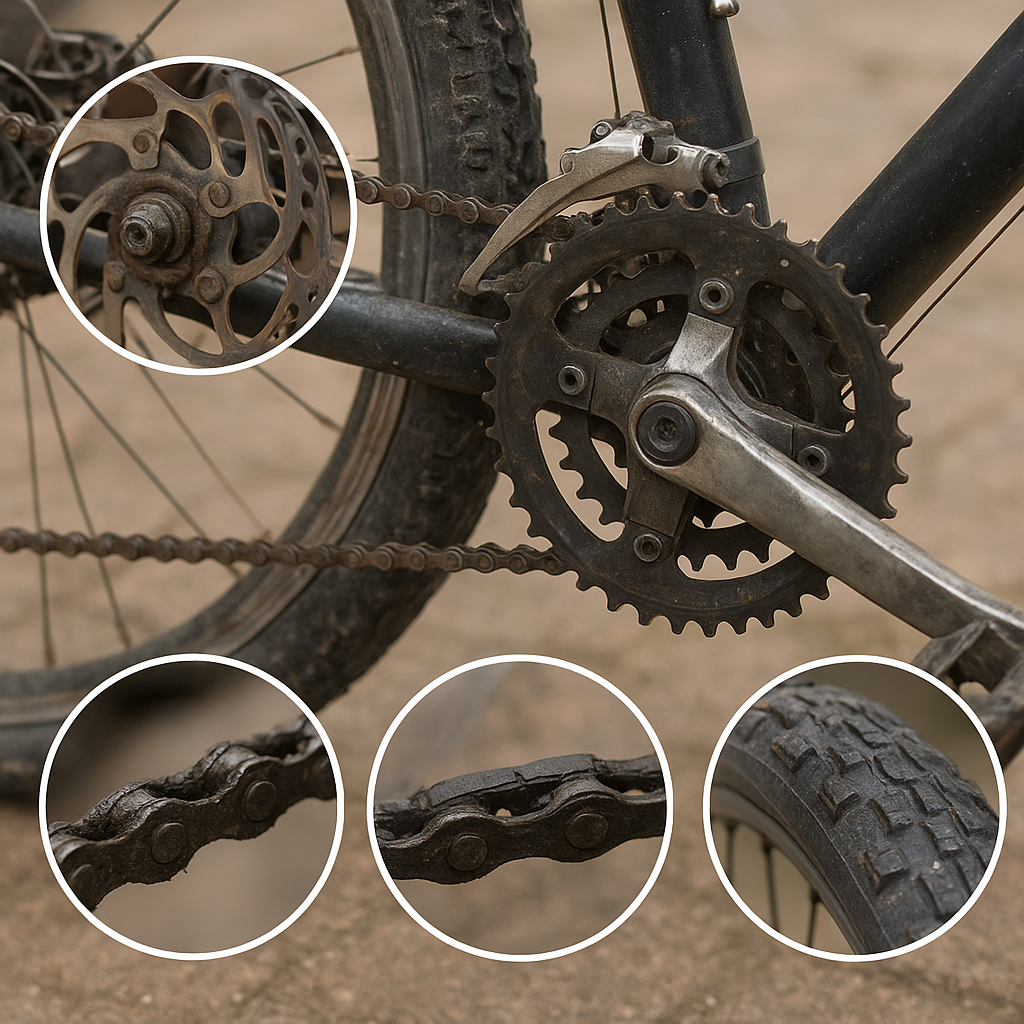
While routine cleaning prevents grime buildup and corrosion, an exhaustive wash after every trip can be counterproductive. Frequent use of degreasers may strip protective lubricants. Instead, adopt a tailored cleaning schedule:
- Wipe down frame and components after muddy or salty rides.
- Perform a deep cleaning and lubrication every few weeks or 200 miles.
- Use a soft brush and mild detergent to avoid scratching paint or seals.
Myth: Cycling in the Rain Is Unsafe
Wet weather introduces challenges, but proper preparation transforms rainy rides into memorable adventures. Visibility, traction, and comfort all improve with the right gear. Follow these guidelines:
- Equip fenders to deflect water and debris.
- Wear breathable, waterproof clothing in bright colors for visibility.
- Lower tire pressure slightly to increase grip on slick surfaces.
Myth: Aero Gear Is Only for Pros
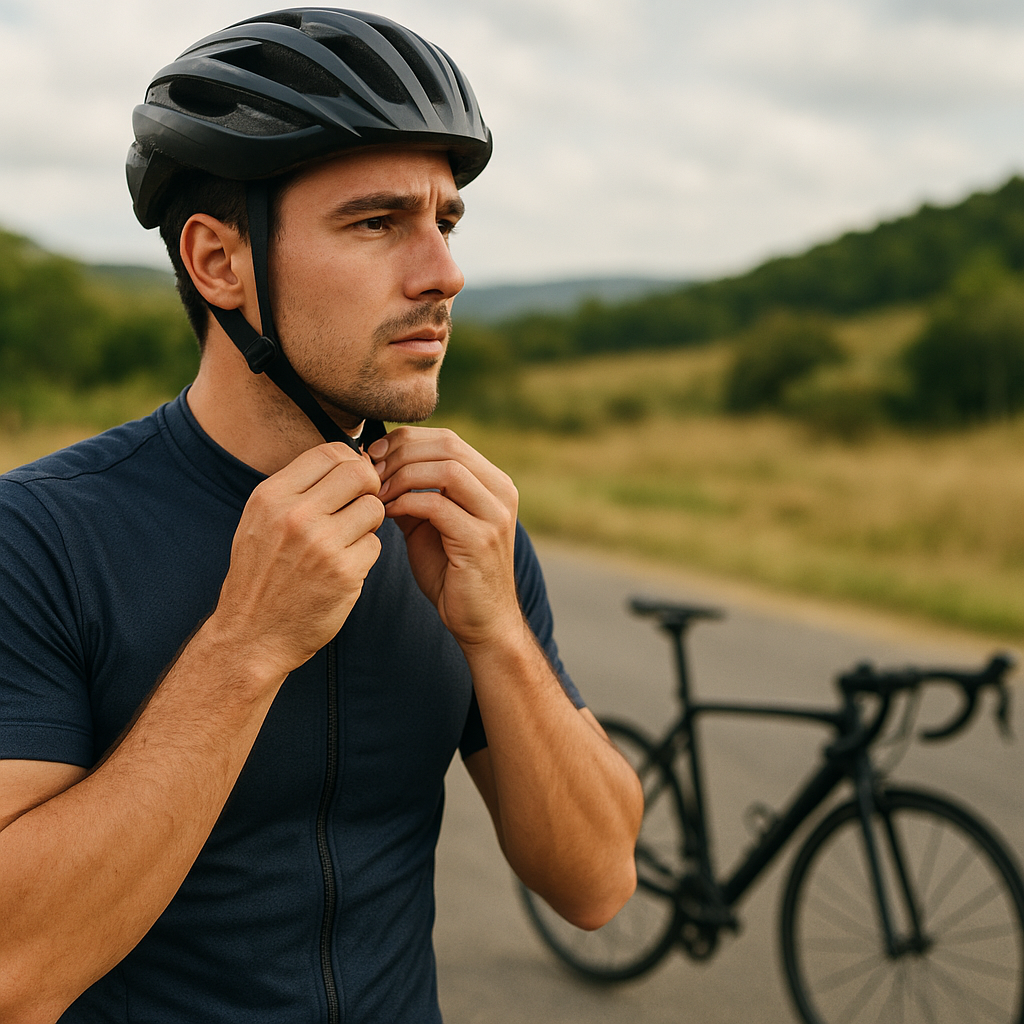
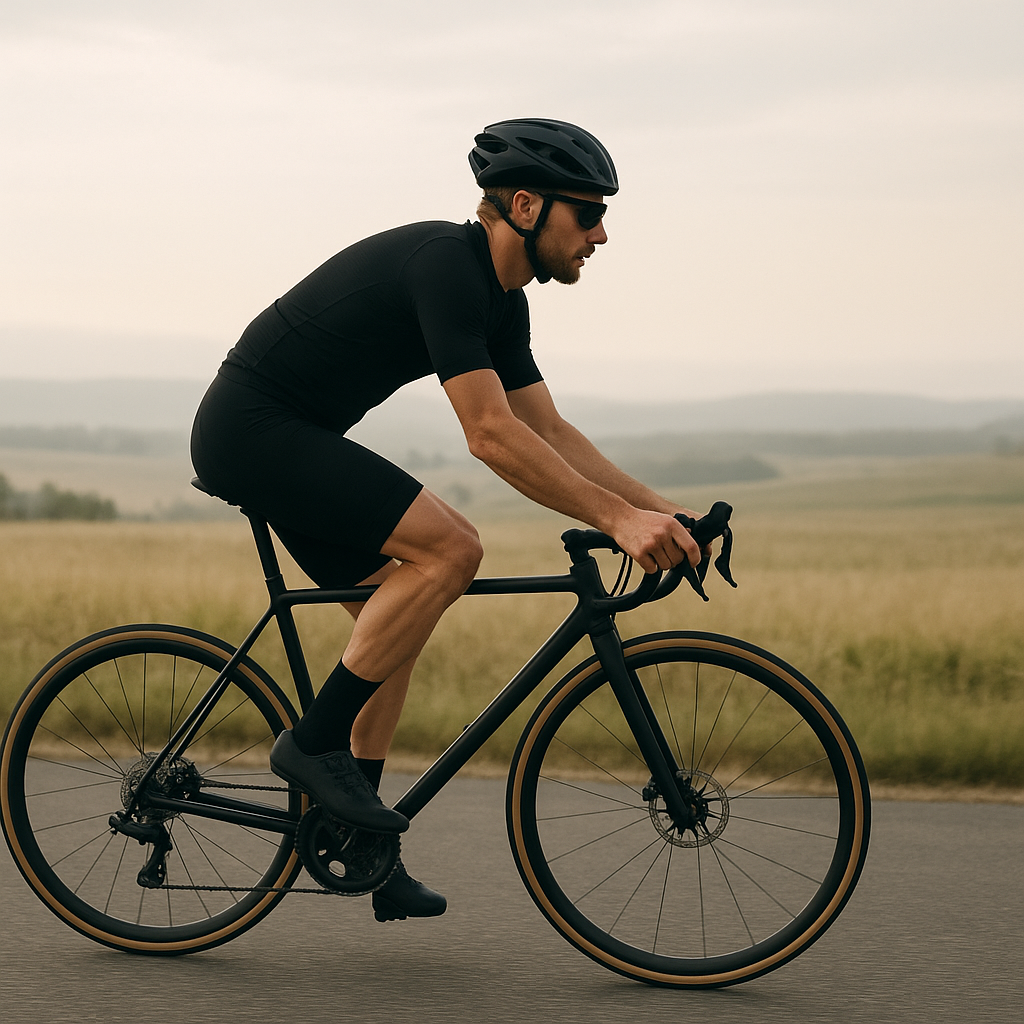
Aerodynamic equipment—from streamlined helmets to tight-fitting jerseys—benefits riders of all levels by reducing wind resistance. Even modest gains in coefficient of drag translate into noticeable energy savings on long stretches. Beginners can experiment with:
- Snug cycling shorts to minimize fabric flutter.
- A time-trial or aero road helmet for smoother airflow.
- Simple clip-on fairings or disc wheels on flat courses.