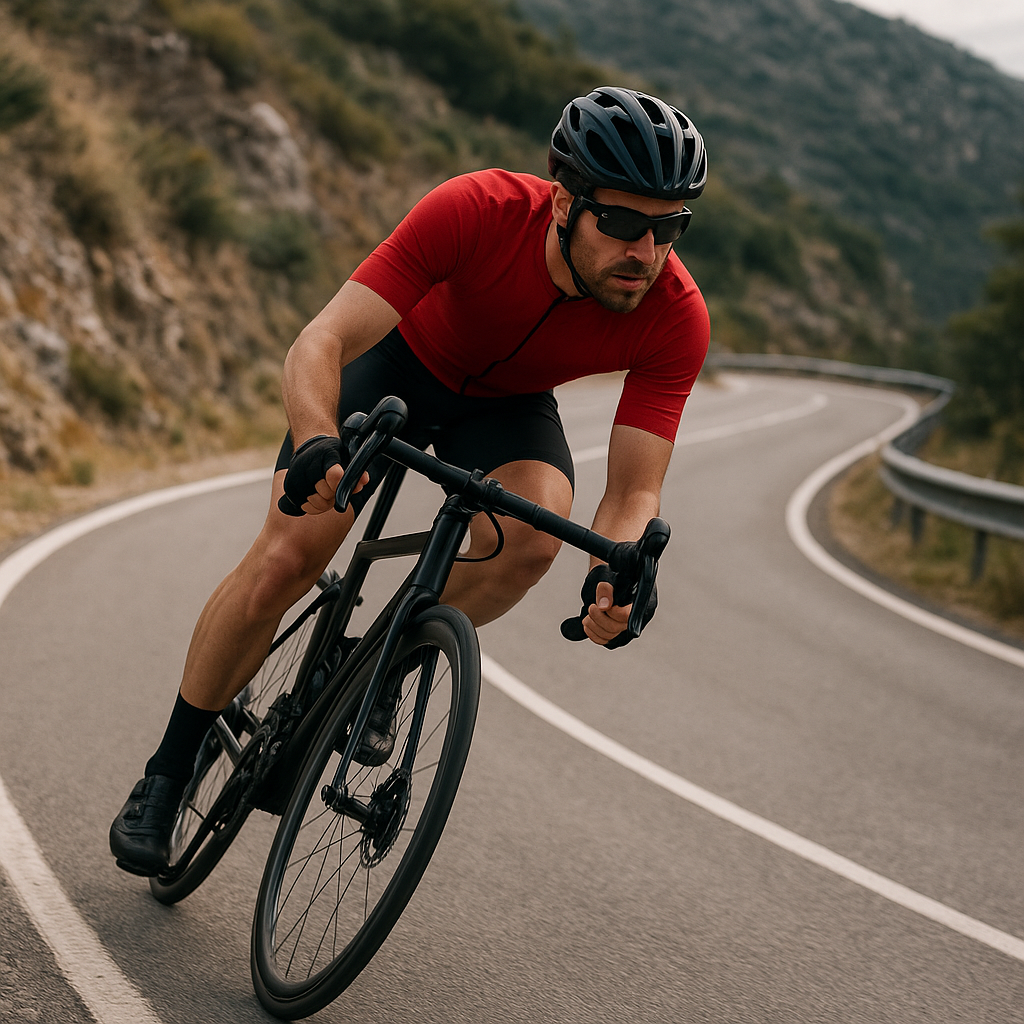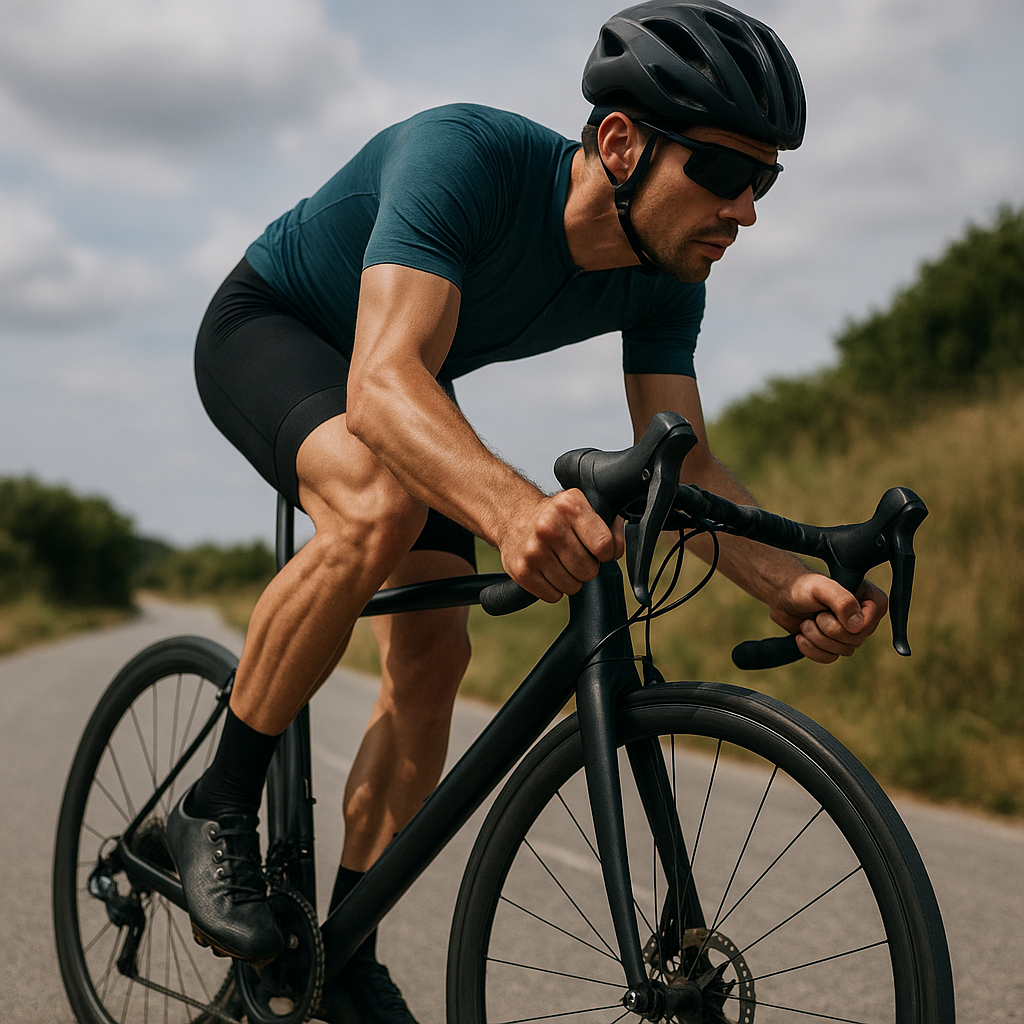
Whether you’re tackling steep mountain passes or rolling hills in your neighborhood, mastering the art of climbing on a bicycle demands a blend of physical preparation, mental focus, and proper equipment. By understanding key principles and implementing targeted strategies, any cyclist can elevate their performance and conquer challenging ascents with confidence. This guide dives into essential aspects—from building strength and refining your technique to optimizing your gear and fueling your body for sustained success.
Understanding the Fundamentals of Bike Climbing
At its core, climbing on a bike is about sustaining forward momentum against gravity. The primary determinant of uphill speed is the power-to-weight ratio. Simply put, the more watts you can produce per kilogram of body mass, the faster you’ll ascend. Even modest reductions in body weight, when paired with consistent power gains, can yield noticeable improvements on any climb.
Key factors that influence climbing performance include:
- Endurance: The ability to maintain moderate power outputs over extended periods.
- Cardiovascular fitness: A strong heart and lungs deliver oxygen-rich blood to working muscles.
- Muscular strength: Particularly in the glutes, quads, hamstrings, and core.
- Cadence control: Finding an efficient pedaling rhythm to avoid muscular fatigue.
Beyond physiology, mental resilience plays a crucial role. Uphill segments often trigger doubt and discomfort. By adopting a positive mindset and breaking long climbs into manageable intervals, you can maintain focus and stave off burnout.
Training Techniques to Improve Your Climbing Performance
Building Aerobic Endurance
Endurance rides at a steady pace help expand your aerobic capacity. Aim for weekly rides lasting 2–5 hours at 60–75% of your maximum heart rate. Over time, you’ll notice that sustained efforts feel less taxing, allowing you to tackle longer climbs without excessive fatigue.
Incorporating Interval Training
Structured interval training sessions push you beyond your comfort zone, boosting both power and recovery speed. A sample workout might include:
- 10-minute warm-up with easy spinning.
- 5 x 3-minute efforts at 90–95% of your Functional Threshold Power (FTP), with 3-minute easy recovery between each.
- 10-minute cool-down to flush out metabolites and normalize breathing.
By alternating high-intensity bursts with rest periods, you teach your body to clear lactate efficiently, enabling harder efforts uphill.
Strength and Resistance Training
Off-bike exercises complement your cycling workouts by targeting muscle groups critical for climbing:
- Squats and lunges: Enhance leg drive and hip stability.
- Deadlifts: Strengthen the posterior chain, crucial for raw climbing power.
- Planks and Russian twists: Improve core stability and balance.
Perform two to three gym sessions per week, focusing on moderate weights (60–75% of your one-rep max) and 8–12 repetitions. This approach builds functional strength without excessive bulking.
Equipment and Bike Setup for Optimal Climbing
Even the fittest rider can struggle on steep grades if their bicycle is ill-suited for climbing. Thoughtful adjustments to your setup can yield significant time savings on every ascent.
Choosing the Right Gearing
Lower gearing allows you to maintain a high cadence without grinding at the pedals. Consider a compact crankset (e.g., 50/34T chainrings) paired with an 11–32T or 11–34T cassette. This combination provides a broad range of ratios, making it easier to spin uphill and recover between efforts.
Weight Savings and Material Selection
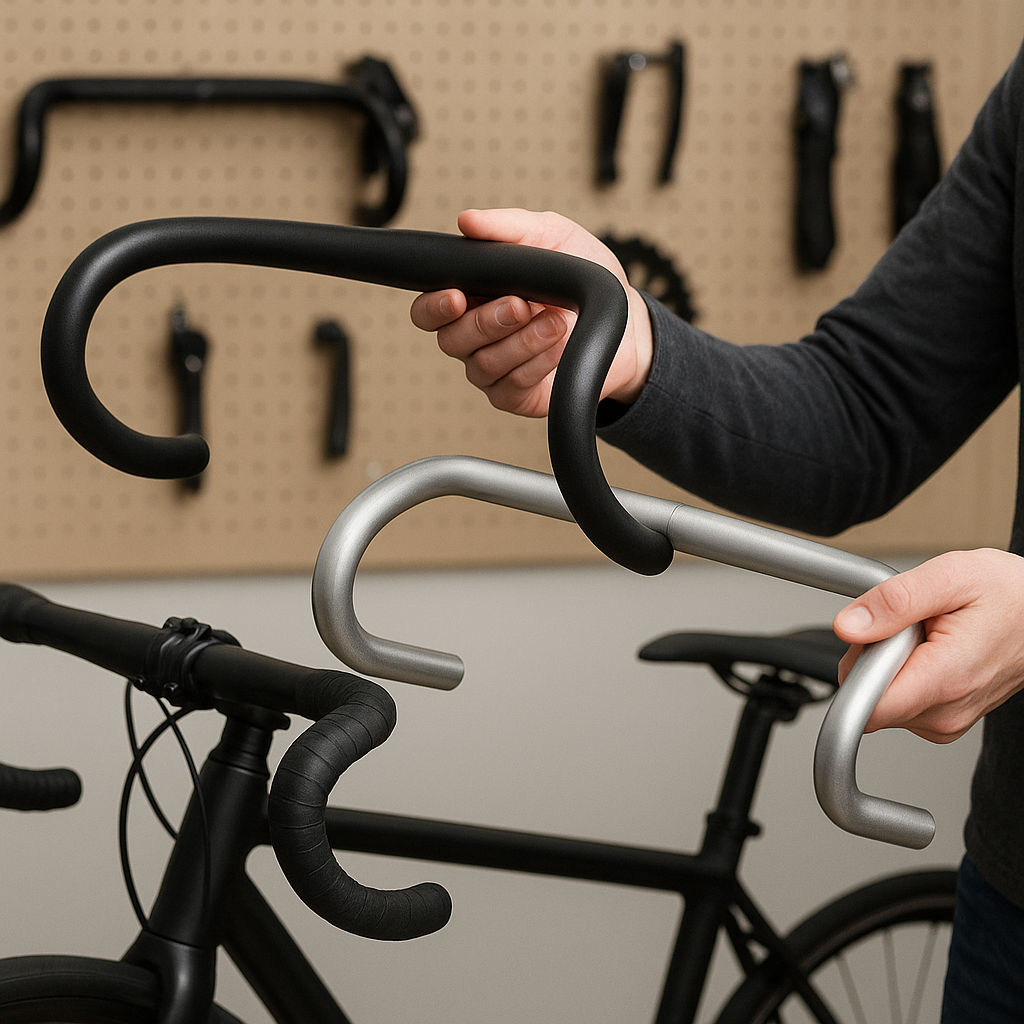
Every gram matters when gravity is your adversary. Carbon wheels, lightweight handlebars, and a minimalistic saddle can shave a few hundred grams off your bike. While no component will magically transform you into a climbing specialist, cumulative weight savings across equipment can improve acceleration and reduce fatigue over long rides.
Bike Fit and Positioning
An efficient position maximizes power transfer and minimizes unnecessary strain. Pay attention to:
- Bike fit: Ensure proper saddle height, fore-aft position, and handlebar reach.
- Hip angle: A slightly more open hip angle can alleviate lower back discomfort during seated climbs.
- Weight distribution: Shift forward on steep ramps to maintain traction on the front wheel.
Consult a certified bike fitter to dial in these variables and unlock your full climbing potential.
Nutrition and Recovery for Sustainable Gains
Climbing challenges both your muscular and metabolic systems. Without adequate fuel and rest, performance will plateau or even decline. Effective fueling strategies and recovery routines form the backbone of long-term improvement.
Pre-Ride Fueling
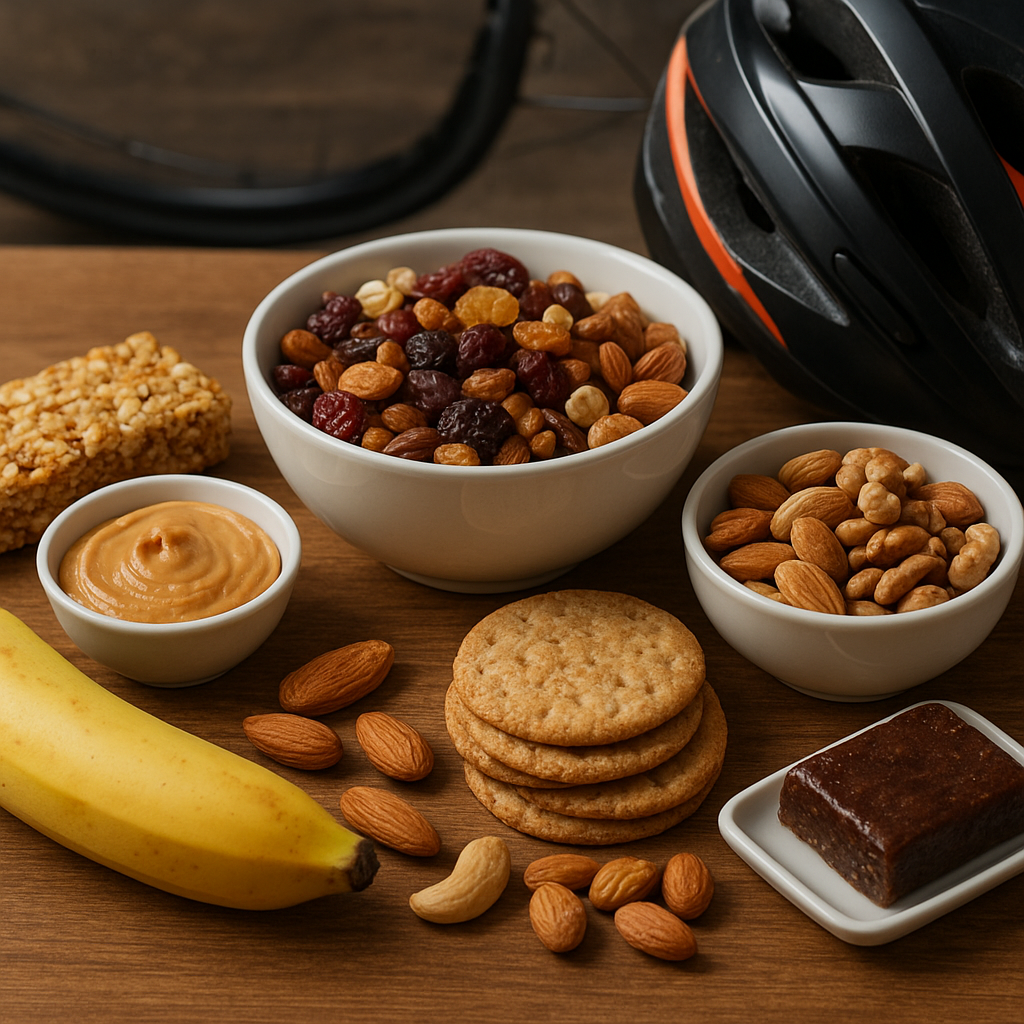
A well-balanced meal rich in complex carbohydrates and moderate in protein is ideal 2–3 hours before a ride. Foods like oatmeal with fruit or whole-grain toast with nut butter provide steady glucose release. Hydration is equally vital; consume at least 500ml of water or an electrolyte drink before setting off.
During the Climb
- Consume 30–60 grams of carbohydrates per hour for efforts lasting more than 90 minutes.
- Energy gels, bars, or sports drinks offer quick glucose replenishment when fatigue sets in.
- Maintain fluid intake of 400–800ml per hour, adjusting for heat and sweat rate.
Post-Ride Recovery and Adaptation
Your muscles repair and strengthen during rest. To optimize recovery:
- Consume a 3:1 ratio of carbohydrates to protein within 30 minutes of finishing your ride.
- Stretch or use foam rolling to alleviate tightness in quads, hamstrings, and glutes.
- Aim for 7–9 hours of quality sleep to support hormonal balance and muscle repair.
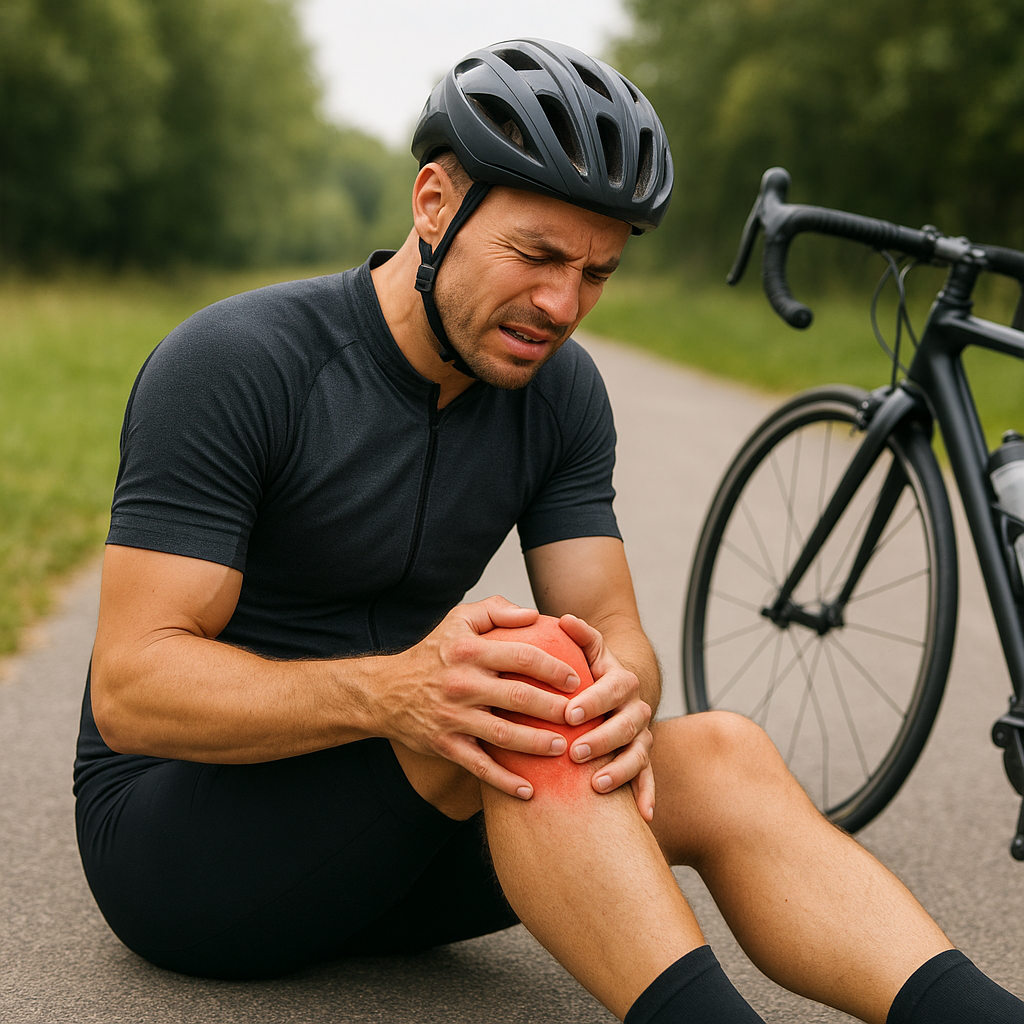
Consistency in rest and nutrition underpins long-term gains. Without adequate recovery, hard training can lead to overtraining, injury, or stagnation.
Mental Strategies and Long-Term Progress
Climbing is as much a mental challenge as a physical one. Uphill sections can trigger discomfort, but with the right mindset and tactics, you’ll handle them more effectively.
Pacing and Focus
Break down long climbs into segments. Focus on maintaining a steady effort rather than racing early. Use landmarks—trees, turns, or switchbacks—as interim goals to keep motivation high.
Building Resilience
Regular exposure to challenging climbs trains both body and mind. Gradually increase gradient or duration over weeks. Celebrate small victories—beating a personal best or completing a particularly steep climb without stopping fosters a sense of achievement and fuels further progress.
By integrating these principles—structured training, smart equipment choices, targeted nutrition, and mental fortitude—you’ll steadily transform into a more capable and confident climber. Embrace the process, remain patient, and soon you’ll find those once-daunting hills becoming opportunities for personal triumph rather than obstacles.