Tackling steep inclines on a bicycle can be both exhilarating and daunting. With the right combination of technique, stamina, and gear selection, you can conquer any hill without feeling completely drained. This article explores proven strategies to improve your uphill riding, covering mechanical choices, body mechanics, breathing patterns, and targeted training methods.
Choosing the Ideal Gear Ratio
Selecting the correct gearing can make the difference between a grueling struggle and a smooth climb. Modern drivetrains offer a wide range of ratios that cater to both casual riders and competitive climbers.
- Use a compact crankset (e.g., 50/34T) combined with an 11–32T or larger cassette to keep your cadence high and your effort manageable.
- Shift into lower gears before the gradient intensifies to maintain momentum and avoid sudden spikes in effort.
- Practice on rolling terrain to learn the sweet spots for front and rear shifts, minimizing abrupt chain movements under load.
- Consider a 1x drivetrain with a wide-range cassette for simplicity, though you may lose very low ratios found in a 2x setup.
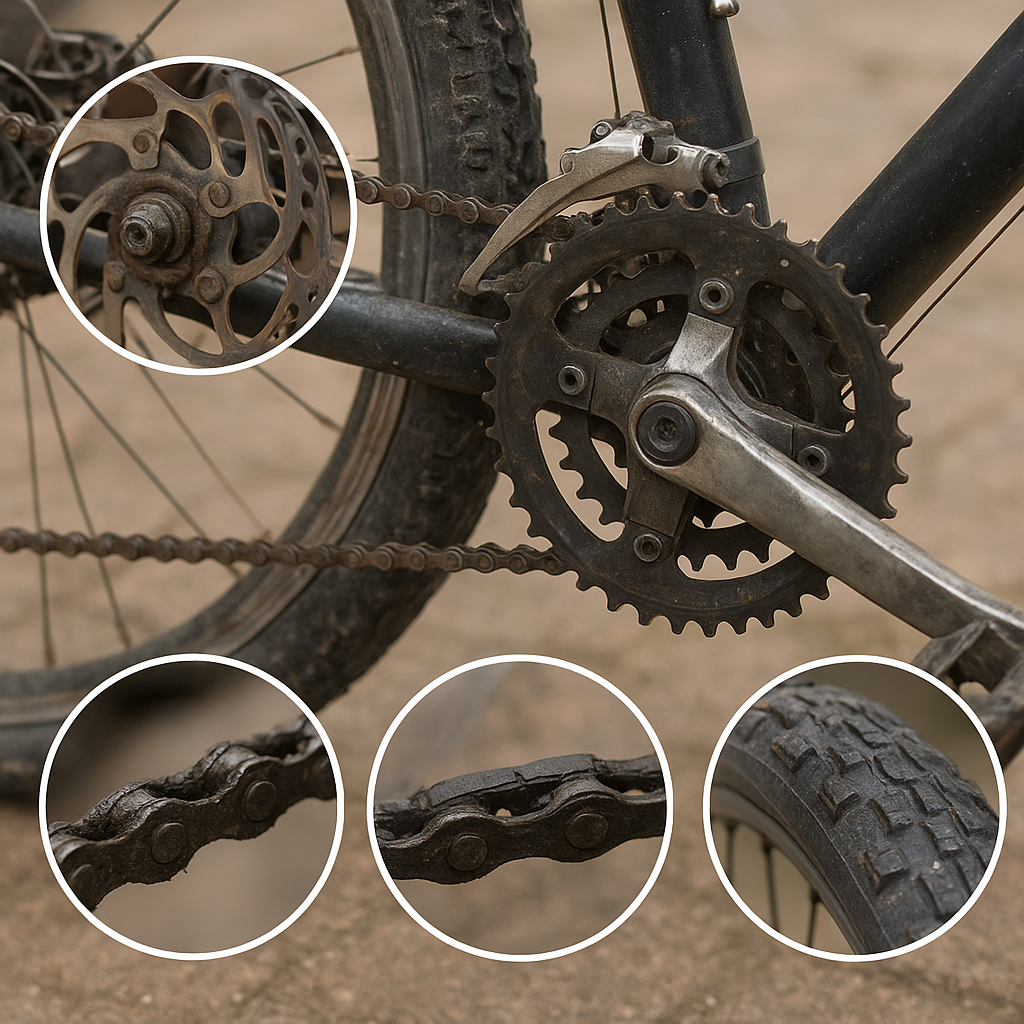
- Regularly clean and lubricate your chain to ensure crisp, reliable shifts when you need them most.
Developing Efficient Pedaling Technique
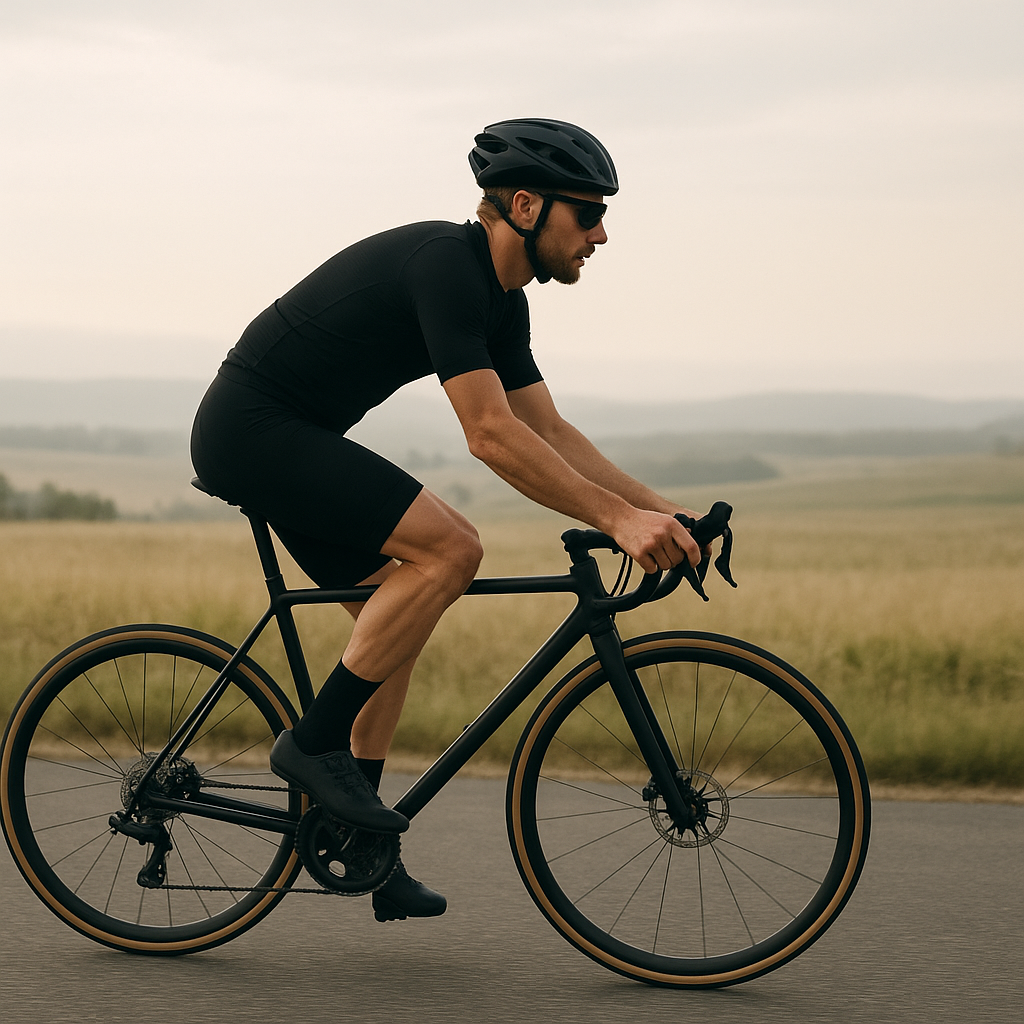
An efficient pedaling motion helps distribute power evenly and reduces localized muscle fatigue. Focus on creating a smooth, circular pedal stroke rather than a choppy push-only action.
- Imaginary ‘scrub’ on the bottom of your shoe: pull back through the 5–7 o’clock zone to engage hamstrings without sacrificing power.
- Maintain a steady cadence of 70–90 RPM when climbing. Too slow and you’ll burn out; too fast and you may lose torque.
- Practice single-leg drills: clip in one foot and ride with the other dead pedal to build synchronized leg strength.
- Keep your ankles firm but flexible, allowing power to transfer smoothly from calves to pedals.
- Use a power meter or a perceived-effort scale to ensure you’re not overgearing on inclines.
Maintaining Optimal Body Position
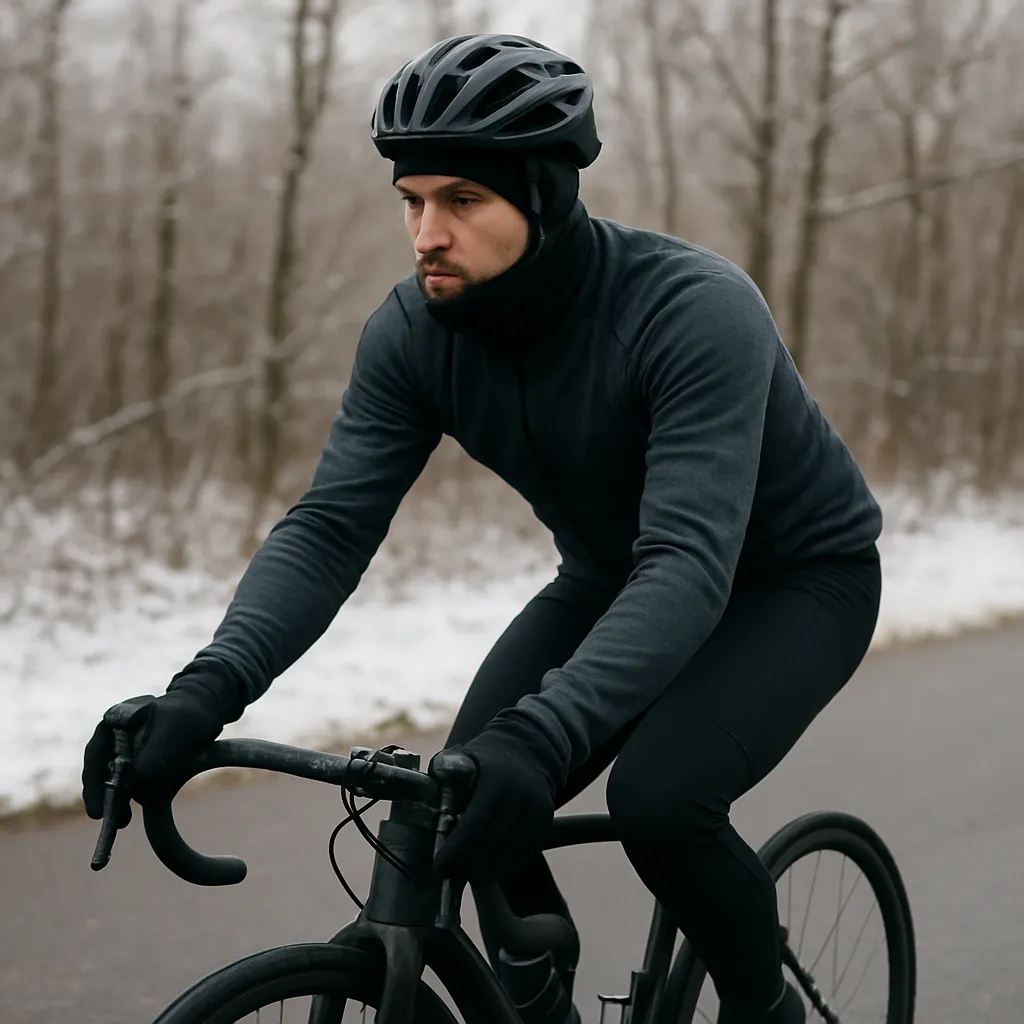
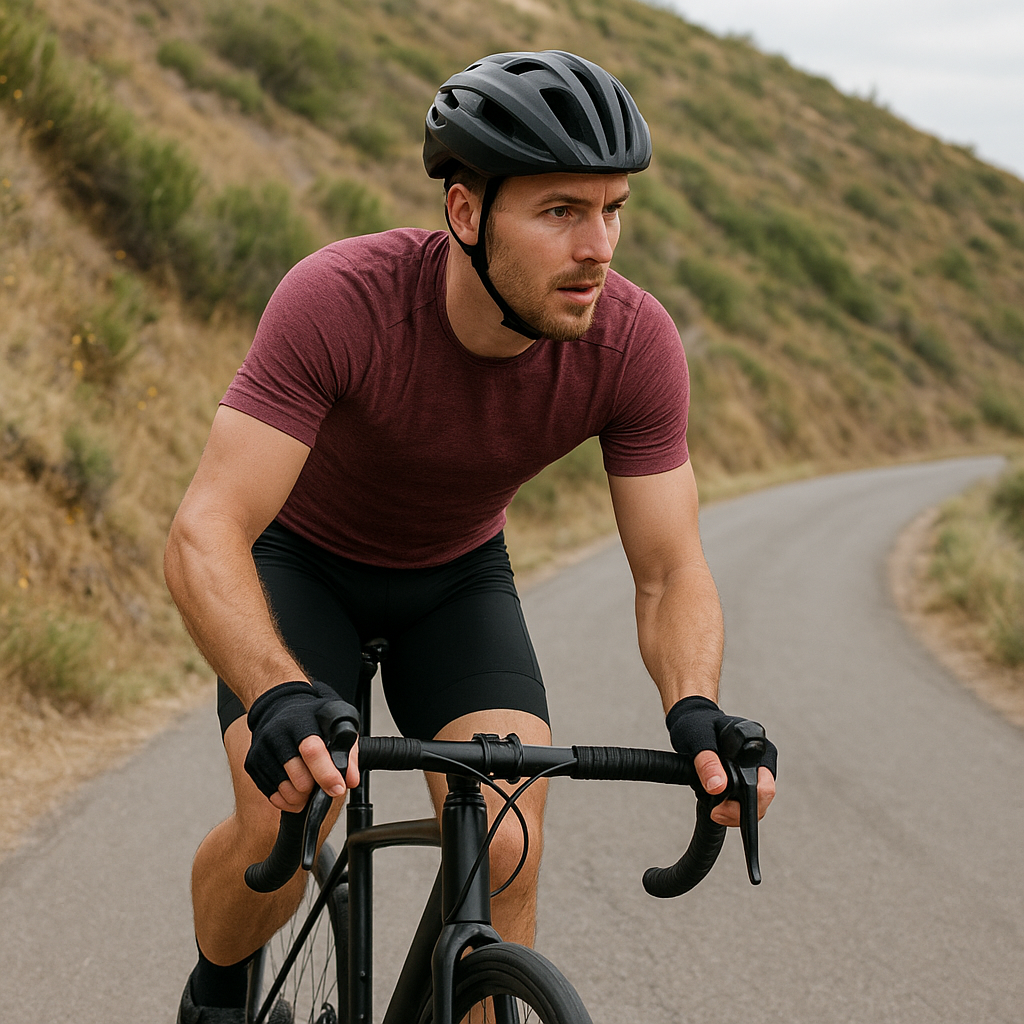
Finding the right posture on steep hills helps maintain traction and allows your muscles to work efficiently. A balanced stance prevents you from bouncing or sliding on the saddle.
- Shift your torso forward slightly to keep the front wheel planted and improve steering accuracy.
- Avoid locking your elbows or shoulders; instead, hold the bars with relaxed arms to absorb trail chatter.
- Sink your hips over the saddle’s center so your weight is evenly distributed between both wheels.
- When the gradient increases, rise out of the saddle for short bursts, hinging at the hips and keeping your back flat.
- Return to a seated position for sustained climbs to conserve energy and maintain rhythm.
Managing Breath and Energy Output
Efficient breathing is often overlooked, yet it provides the oxygen your muscles need to sustain high efforts. Sync your breath with your pedal revolutions to maximize lung efficiency.
- Breathe deeply from the diaphragm, expanding your belly rather than just your chest.
- Inhale for two pedal strokes, exhale for two—experiment with patterns that feel natural for you.
- Monitor your heart rate: staying in Zone 3 (70–80% of max heart rate) allows you to climb hard without red-lining.
- Refuel mid-climb on extended ascents: small sips of an energy drink or gels every 20–30 minutes keep blood sugar stable.
- Stay hydrated; cooler water temperatures can help lower core temperature and improve performance.
Building Power Through Targeted Training
Beyond in-ride tactics, a structured training plan cultivates the strength and endurance required for steep ascents. Incorporate both off-bike and on-bike workouts to target different energy systems.
Gym Exercises for Climbing
- Weighted Bulgarian split squats: improve unilateral leg strength and stability.
- Romanian deadlifts: develop hamstrings and glutes to assist in powerful pedal pulls.
- Plank variations: build core balance for controlled posture during climbs.
- Hip thrusts: isolate gluteal muscles critical for generating climbing torque.
- Back extensions: support lower back endurance under sustained seated efforts.
On-Bike Workouts
- Hill repeats: find a 2–3 minute climb, perform 5–8 repeats at 90–100% of threshold power with full recovery downhill.
- Low-cadence strength rides: use a big gear and pedal at 50–60 RPM for 5–10 minutes to build muscle resilience.
- Threshold intervals: 3×12 minutes at Zone 4 power with 6-minute easy spins between efforts.
- Sprint efforts from seated: mount a short, steep pitch and hammer for 10–15 seconds to recruit fast-twitch fibers.
- Endurance spins: long rides at 60–70% of FTP to improve mitochondrial efficiency and aerobic base.
Maintaining Motivation and Mental Focus
Climbing is as much a mental challenge as a physical one. Cultivating a positive mindset and clear goals helps you push through discomfort.
- Divide long climbs into segments, focusing on reaching the next landmark rather than the summit.
- Use mantras like “steady rhythm” or “smooth power” to zone in on technique instead of fatigue.
- Train with a partner or group for support and friendly competition.
- Track your progress in a training app to visualize improvement over time.
- Celebrate small victories—overcoming a personal best climb builds confidence for tougher hills ahead.