Proper bike fitting and posture are two crucial elements that determine a rider’s performance, comfort, and injury risk during every ride. Whether you’re a casual weekend cyclist or a seasoned racer, understanding the relationship between your body and your bicycle can lead to significant gains in speed, power output, and overall enjoyment. This article explores the key components of an effective bike fit, the importance of maintaining correct posture, and how these factors work together to enhance your cycling experience.
Optimizing Your Bike Setup
Frame Size and Reach
Selecting the correct frame size is the foundation of an effective fit. A frame that is too large or too small forces your body into awkward positions, compromising both efficiency and safety. Reach—measured from the saddle to the handlebar—must allow you to ride with a slight bend in the elbows, avoiding overstretching or collapsing forward. Modern bikes often include adjustable stem lengths and handlebar widths to fine-tune this distance, providing greater customization for riders of all shapes and sizes.
Saddle Height and Position
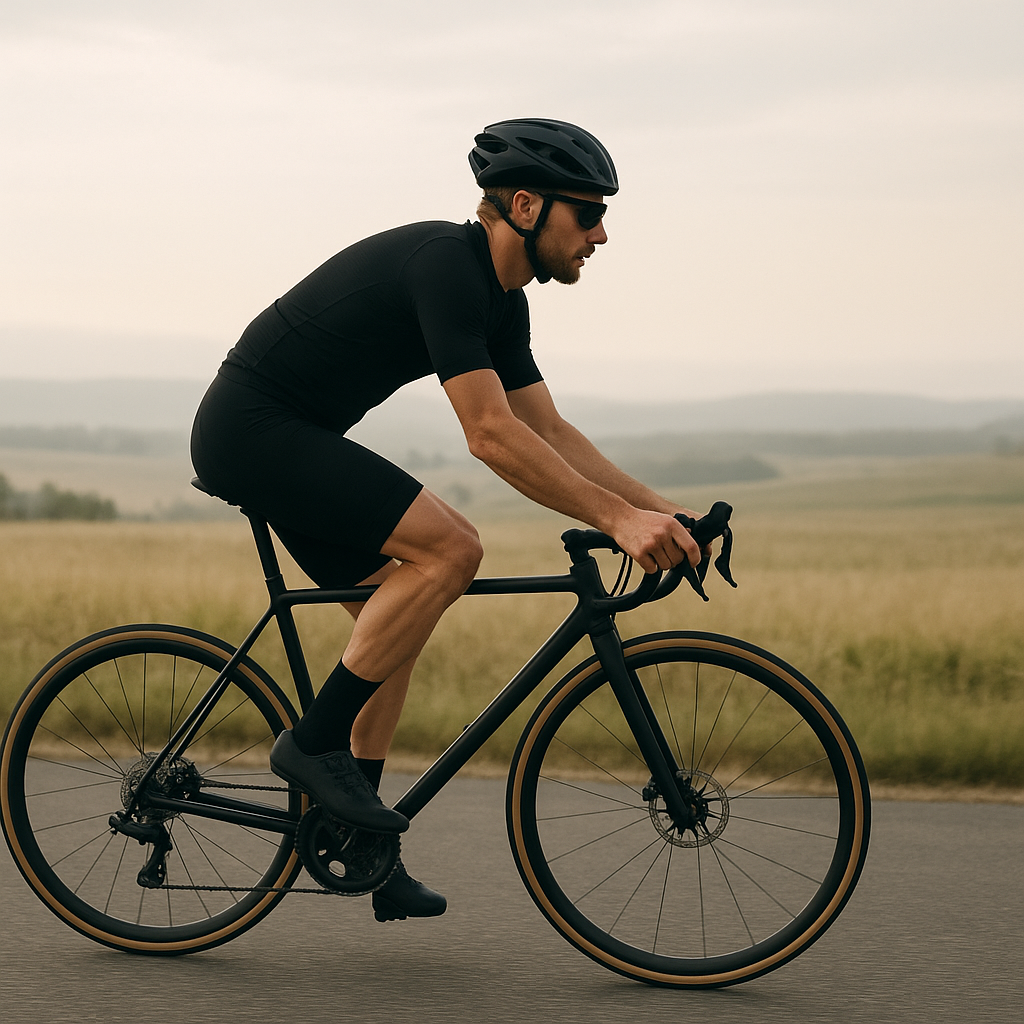
Your saddle height directly influences knee mechanics and power transfer. A seat that is too low increases knee flexion, leading to reduced leverage, while a seat that is too high can cause hip rocking and loss of control. Adjust the saddle so that your leg achieves approximately 25° to 35° of knee bend at the bottom of the pedal stroke. Additionally, fore-aft saddle position affects your center of gravity: moving it forward engages the quadriceps more, while moving it backward places more emphasis on the glutes and hamstrings. Fine-tuning this parameter promotes balanced muscle activation and reduces the risk of overuse injuries.
Handlebar Adjustment
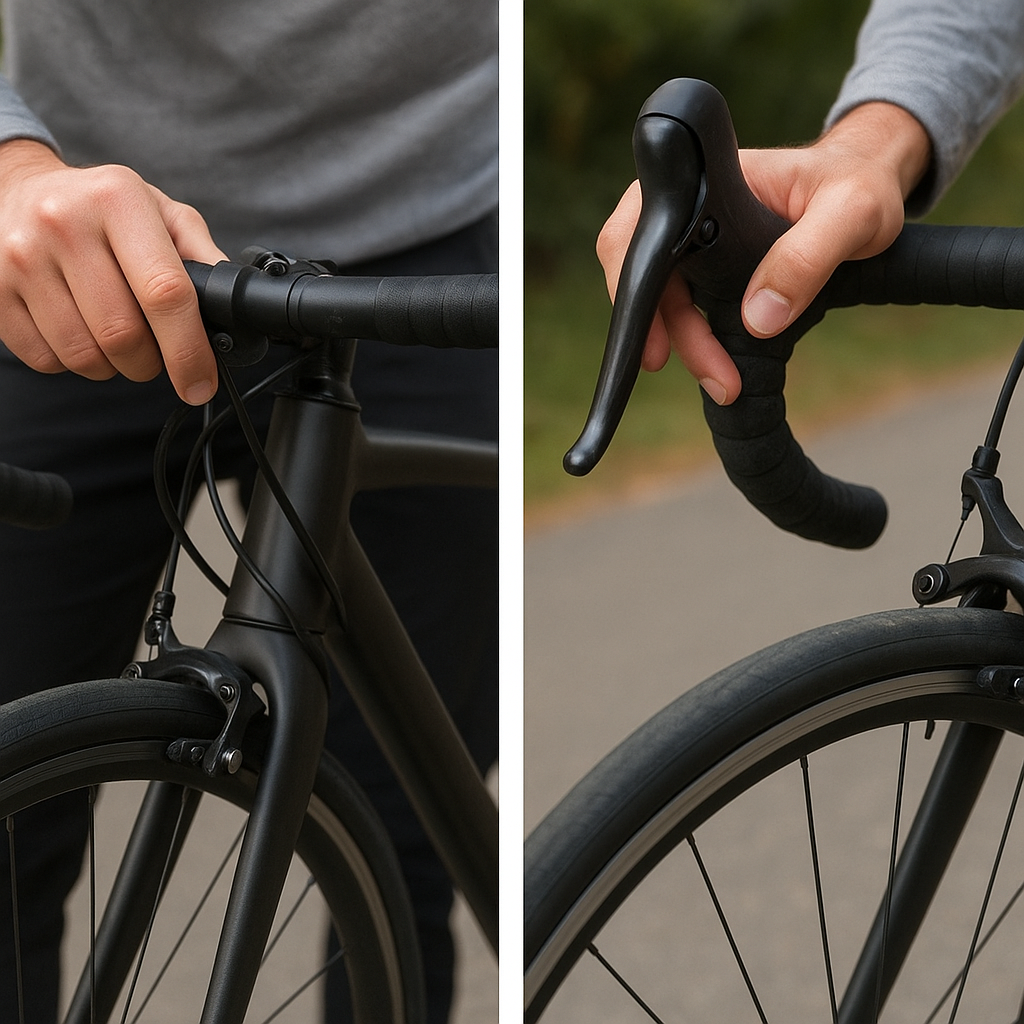
Handlebar height and angle significantly impact your torso angle and wrist comfort. Lowering handlebars enhances aerodynamics and promotes a more aggressive riding position, benefiting riders who prioritize speed. However, extreme drops can strain the lower back and neck. Conversely, higher bars support an upright stance that reduces lumbar stress, ideal for long-distance touring or recreational cycling. Rotating the bars to optimize wrist alignment can alleviate numbness and improve overall hand comfort, highlighting the role of proper ergonomics in preventing nerve compression.
The Role of Posture in Cycling
Neutral Spine Alignment
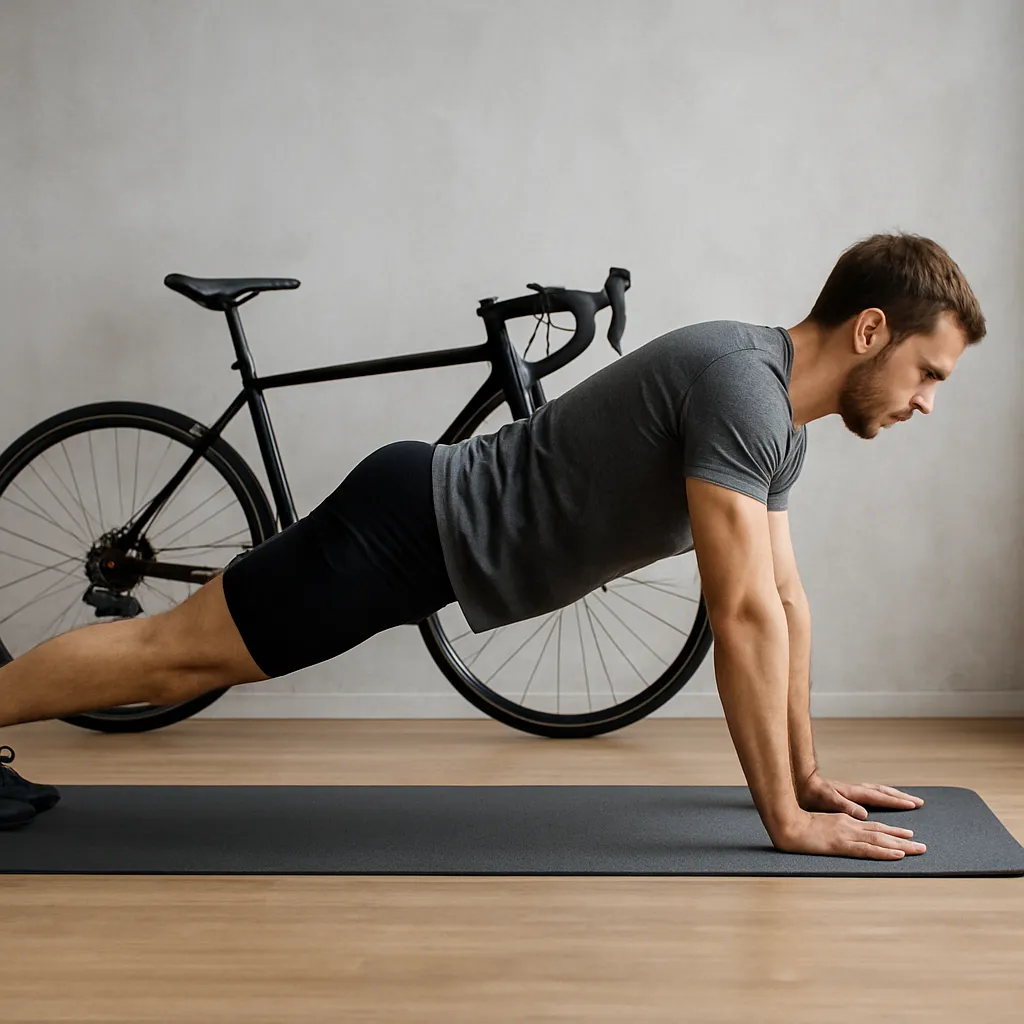
Maintaining a neutral spine during rides is paramount to avoid lower back pain and ensure efficient force transfer through the core. Engage the abdominals and posterior chain to support the lumbar region, avoiding excessive arching or rounding of the back. A stable trunk allows the hips to rotate smoothly over the pedals, improving pedaling biomechanics and reducing wasted energy. Regular off-bike exercises like planks and bird dogs can reinforce this alignment by strengthening the deep stabilizing muscles around the spine.
Core Engagement and Stability
A strong, active core serves as the central link between the upper and lower body. During the pedal stroke, stable core muscles prevent lateral rocking and allow the legs to apply power more directly to the cranks. Engaging the core also maintains your position over challenging terrain or during sprint efforts, ensuring consistent handling and control. Incorporating exercises like hollow holds, Russian twists, and dead bugs into your training routine will boost power output and reduce the risk of fatigue-induced posture breakdown.
Upper Body Relaxation
Many cyclists inadvertently tense their shoulders and neck, tracing to shoulder and trapezius discomfort. A relaxed upper body encourages better breathing mechanics and circulation, leading to improved endurance. Focus on dropping your shoulders away from the ears and maintaining a light grip on the handlebars. This small adjustment diminishes muscle tension, allowing riders to sustain effort longer and concentrate on pedal efficiency rather than hunching under load.
Benefits of Proper Bike Fitting
- Enhanced Performance: A custom-fit bike optimizes power delivery, reduces wasted movement, and maintains an aerodynamic profile, all contributing to faster times and smoother rides.
- Injury Prevention: Correct alignment of joints—including the knees, hips, and shoulders—minimizes stress on soft tissues and prevents common overuse issues such as iliotibial band syndrome, patellar tendonitis, and neck strain.
- Increased Comfort: Proper fit eliminates hotspots and numbness by distributing pressure evenly across critical contact points, leading to more enjoyable rides, especially during long-distance events.
- Greater efficiency: Fine-tuning contact points ensures that each watt of effort directly contributes to forward momentum, making climbs, sprints, and endurance rides less demanding on the cardiovascular system.
- Rider confidence: A stable, well-balanced riding position enhances handling, especially on technical descents and cornering, giving cyclists the assurance to push their limits safely.
Professional Bike Fitting Process
Initial Assessment
A certified bike fitter begins by evaluating your current riding style, flexibility, and any existing discomfort or history of injuries. This comprehensive assessment may involve observing you pedal on a stationary trainer while using motion-capture technology or cameras to analyze joint angles and weight distribution. Detailed measurements of inseam length, arm span, and torso length guide the selection of frame size and component dimensions.
Dynamic Fitting Adjustments
Dynamic fitting involves real-time tweaks as you pedal to identify the optimal saddle height, setback, and handlebar position. Minor adjustments—sometimes only a few millimeters—can have a profound effect on your overall comfort and pedaling mechanics. A professional fitter will also evaluate cleat positioning and foot alignment, ensuring that the angle and placement of your shoes on the pedals support a natural and powerful pedal stroke.
Follow-Up and Fine-Tuning
After the initial session, it’s common to schedule a follow-up fitting to address any evolving needs or feedback from outdoor rides. Small refinements may be required as your body adapts to the new setup or as you progress in training. Comprehensive bike fitting isn’t a one-time event but an ongoing partnership between the cyclist and the fitter, aimed at continuous improvement in comfort and performance.
DIY Tips for Riders on a Budget
While professional fittings offer the most precise results, here are some accessible strategies you can implement at home:
- Use a stationary trainer and record yourself pedaling at different settings to compare comfort and knee tracking.
- Reference trusted online tools or books that provide frame size charts, saddle height calculators, and reach guidelines based on your measurements.
- Invest in an adjustable seatpost and stem to experiment with minor position changes without specialized tools.
- Perform simple on-bike tests: raise or lower the saddle by 5 mm increments to find the most comfortable height for power and knee alignment.
Combining these DIY adjustments with periodic flexibility and strength training ensures you maintain proper posture and alignment, even between professional visits.
Conclusion
Investing time and effort into precise bike fitting and maintaining correct posture pays dividends in every aspect of cycling. By aligning your body with your bicycle, you unlock improved speed, reduced fatigue, and a drastic decrease in overuse injuries. Regardless of your discipline—road, mountain, gravel, or touring—a focus on ergonomic adjustments and core stability forms the bedrock of comfortable, efficient, and powerful riding.