Cycling enthusiasts worldwide revere the art of climbing, where the symmetry of human power and nature’s might creates unforgettable experiences. From the raw drama of steep gradients to the serene beauty of misty mountain roads, these ascents embody the spirit of the sport. This article delves into some of the most legendary mountain climbs, examining their history, the equipment that makes summits possible, and the training that transforms riders into climbing specialists.
Alpine Giants: Passes That Shaped Grand Tours
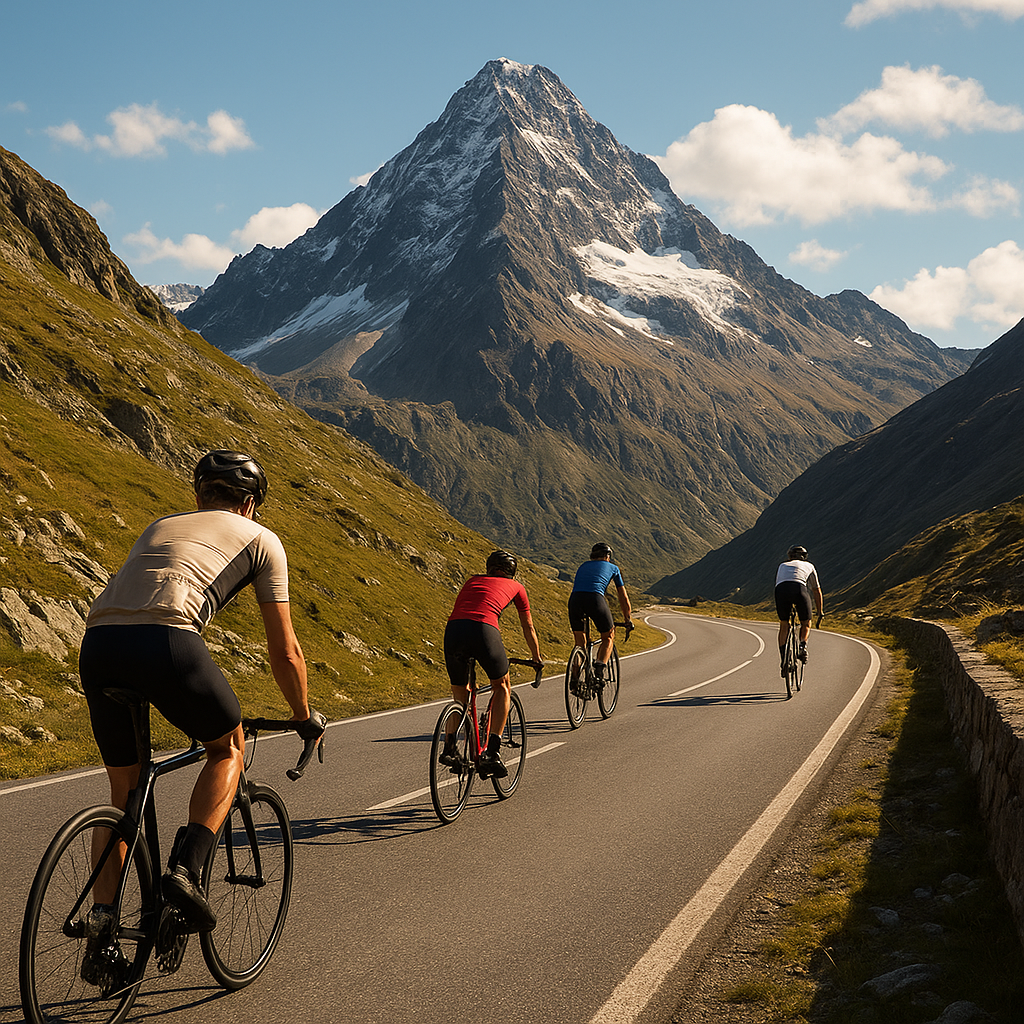
The Alps have long been the cradle of epic battles among professional cyclists. Their high-altitude cols and bone-jarring gradients test the limits of endurance and grit.
Col du Tourmalet (France)
- Elevation: 2,115 meters
- Average gradient: 7.4%
- Famous for: Frequent appearances in the Tour de France
The Col du Tourmalet is synonymous with the Tour de France. Its winding hairpins and constant pitch challenge even the strongest members of the peloton. Legends like Eddy Merckx and Fausto Coppi have cemented their status at its summit, making it a symbol of cycling’s golden age.
Stelvio Pass (Italy)
- Elevation: 2,757 meters
- Total hairpins: 48 (north side)
- Known for: Dramatic scenery and extreme altitude
Climbing the Stelvio Pass is an exercise in both mind and body. The thin air at high altitude intensifies every pedal stroke. Cyclists attest that the 48 hairpins on the northern approach are as much a mental puzzle as a physical grind.
Col d’Izoard (France)
- Elevation: 2,360 meters
- Terrain: Rocky “Casse Déserte” section
- Iconic moment: Fausto Coppi’s solo breakaway
The barren scree of the “Casse Déserte” creates a lunar landscape that feels otherworldly. Riders cresting the Col d’Izoard find themselves in a white expanse, stark against the azure sky, making it one of the most photographed climbs in cycling history.
Global Summits: Climbs Beyond Europe
Cyclists seeking fresh challenges often venture beyond the Alps and Pyrenees to discover iconic ascents in diverse terrain. These climbs showcase the sport’s expanding global reach.
Mount Fuji (Japan)
- Elevation: 2,305 meters
- Gradient: 5–10%
- Special event: Mount Fuji Hill Climb challenge
The road circling Mount Fuji treats riders to vibrant foliage in autumn and pristine snowfields in winter. A highlight is the August hill climb, drawing hundreds of enthusiasts eager to tackle the volcano’s flanks.
Mauna Kea (Hawaii, USA)
- Elevation gain: 4,200 meters from sea level
- Road conditions: Rough lava gravel near the summit
- Key difficulty: Extreme elevation gain in one continuous effort
Starting at the Pacific shoreline, cyclists ascend through tropical forests, trade winds, and finally barren volcanic slopes to reach the observatories atop Mauna Kea. The rapid change in climate zones makes this climb a unique test of adaptability.
Dead Man’s Pass (Colombia)
- Elevation: 3,005 meters
- Gradient: up to 12%
- Cultural note: A staple of the Vuelta a Colombia
Nicknamed “El Desierto de los Leones” by locals, Dead Man’s Pass is steeped in folklore. The region’s misty cloud forest and precipitous drops leave an indelible impression on those who dare its descent.
Equipment Evolution: Gear That Conquers Heights
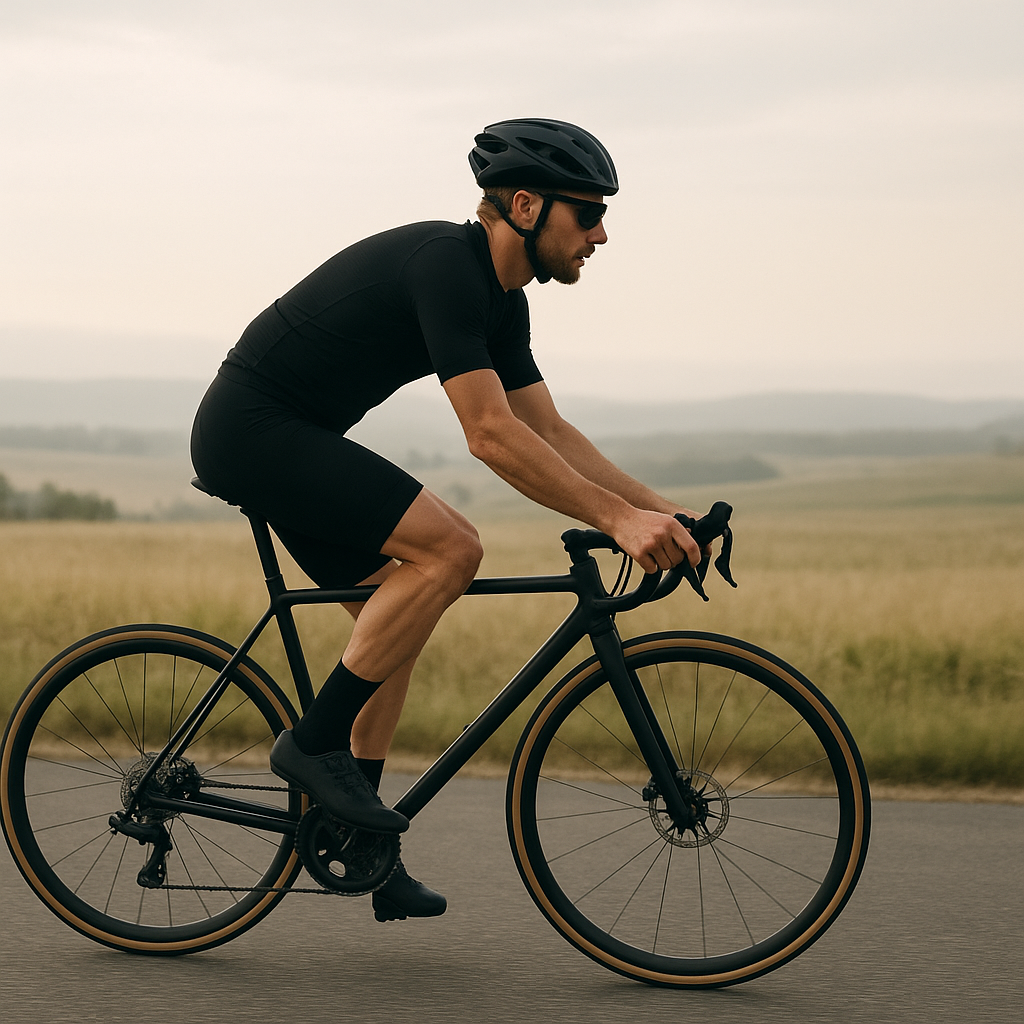
No climb is purely about physical strength; the interplay of technology and human performance shapes success. Modern bicycles and accessories are optimized for the mountains.
Lightweight Frames
- Materials: Carbon fiber, titanium alloys
- Target weight: Under 7 kilograms for high-end race bikes
- Benefit: Reduced gravitational resistance
Reducing every gram matters when ascending. Carbon fiber frames with monocoque design deliver high stiffness and minimal weight, enabling riders to maintain power output on steep pitches.
Compact Drivetrains and Wide-range Cassettes
- Chainrings: 50/34 or 52/36 configurations
- Cassette range: 11–32 to 11–34 teeth
- Purpose: Lower gears for sustained climbing cadence
Wide-range cassettes paired with compact chainrings allow cyclists to spin at efficient cadences even on double-digit gradients. This gear combination preserves endurance and prevents muscular burnout.
Advanced Electronics
- Electronic shifting: Precision and rapid response
- Power meters: Real-time wattage feedback
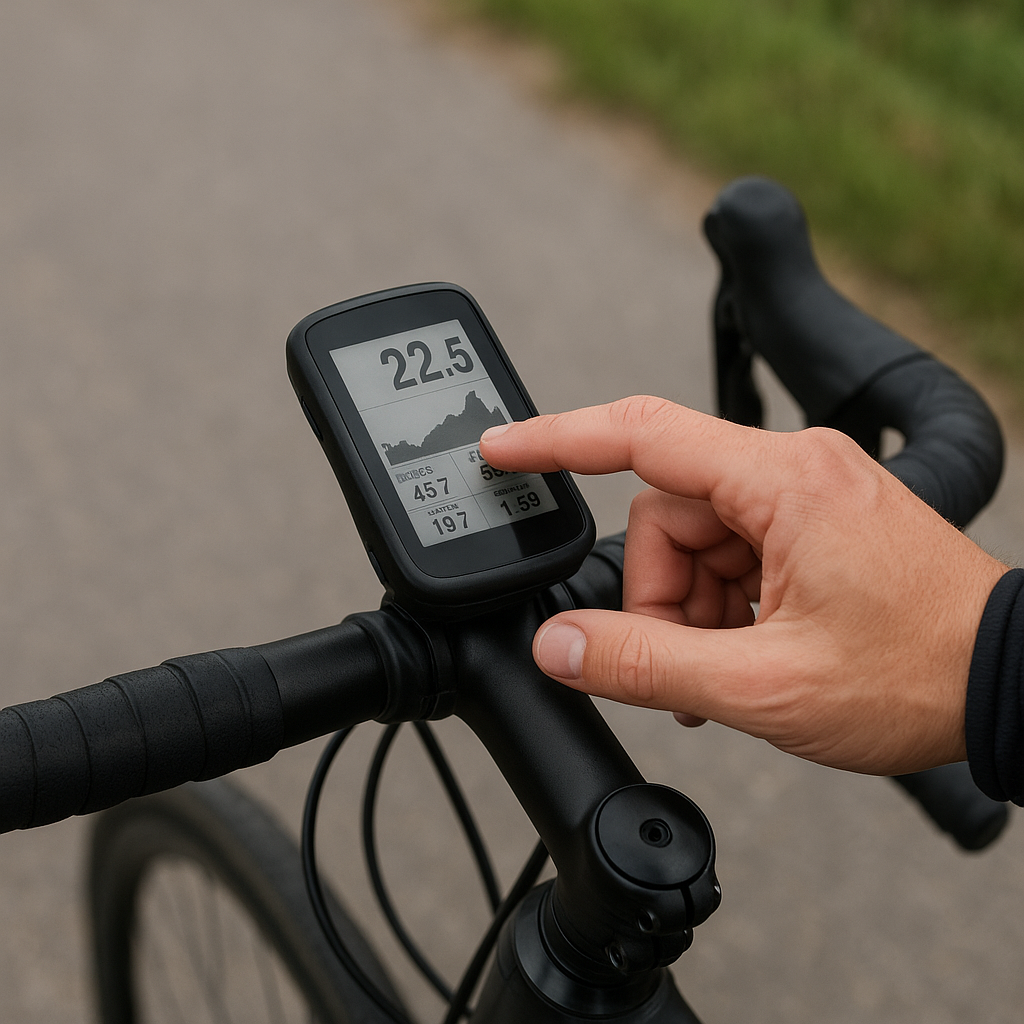
- GPS units: Altitude profiles and gradient alerts
Shifting under load with electronic derailleurs has transformed how riders tackle variable slopes. Power meters guide pacing strategies, ensuring climbers avoid going into the red too early.
Training Mastery: Preparing for Mountain Trials
Climbing prowess stems from targeted training that emphasizes both physiological and psychological readiness. Elite climbers share methods that amateurs can adopt.
Low-Intensity Base Miles
- Duration: 3–6 hours per ride
- Intensity: Zone 2 heart rate (60–70% of max)
- Goal: Build aerobic capacity and mitochondrial density
Long, steady rides at a conversational pace develop the cardiovascular foundation crucial for sustained performance at altitude. These base miles are the backbone of any serious training plan.
Threshold Intervals
- Format: 2×20 minutes at lactate threshold
- Rest: 10 minutes easy spinning
- Frequency: Once per week
Sustained efforts near the lactate threshold enhance the body’s ability to clear metabolic byproducts, delaying the onset of fatigue during steep climbs.
Hill Repeats
- Length: 5–10 minutes per repeat
- Effort: 95–100% of functional threshold power (FTP)
- Recovery: Descent spin
Short, intense repeats on local slopes simulate race conditions. These sessions build raw climbing strength and improve neuromuscular coordination crucial for high-gradient accelerations.
Cultural Echoes: Stories Etched in Stone and Asphalt
Cycling heroes leave more than podium photos; their exploits become folklore, inspiring future generations to tackle these same roads.
Marco Pantani’s 1998 Tour de France
The “Pirate” cracked the high passes with unprecedented aggression. His summit finishes at the Alpe d’Huez remain some of the most electrifying moments in Tour history, emblematic of pure climbing passion.
Charly Gaul’s Legendary Descent
In the winter of 1956, Charly Gaul attacked the Col du Galibier in freezing rain, then flew down the other side in a revelation of fearlessness. His tale is recounted throughout the cycling community as the epitome of courage.
Modern Day Icons
Riders like Nairo Quintana and Tadej Pogačar have rekindled interest in mountain finishes. Their combination of power-to-weight ratio and tactical finesse highlights how innovation in training and equipment continually reshapes what’s possible on two wheels.
Embracing the Ascent: Why Climbs Captivate
Mountain climbs represent the intersection of athleticism, adventure, and personal discovery. Every summit conquered is a testament to preparation, resilience, and respect for nature’s grandeur. Whether a weekend warrior tackling a local hill or a seasoned pro racing the Alps, the climb remains the ultimate proving ground for cyclists around the globe.