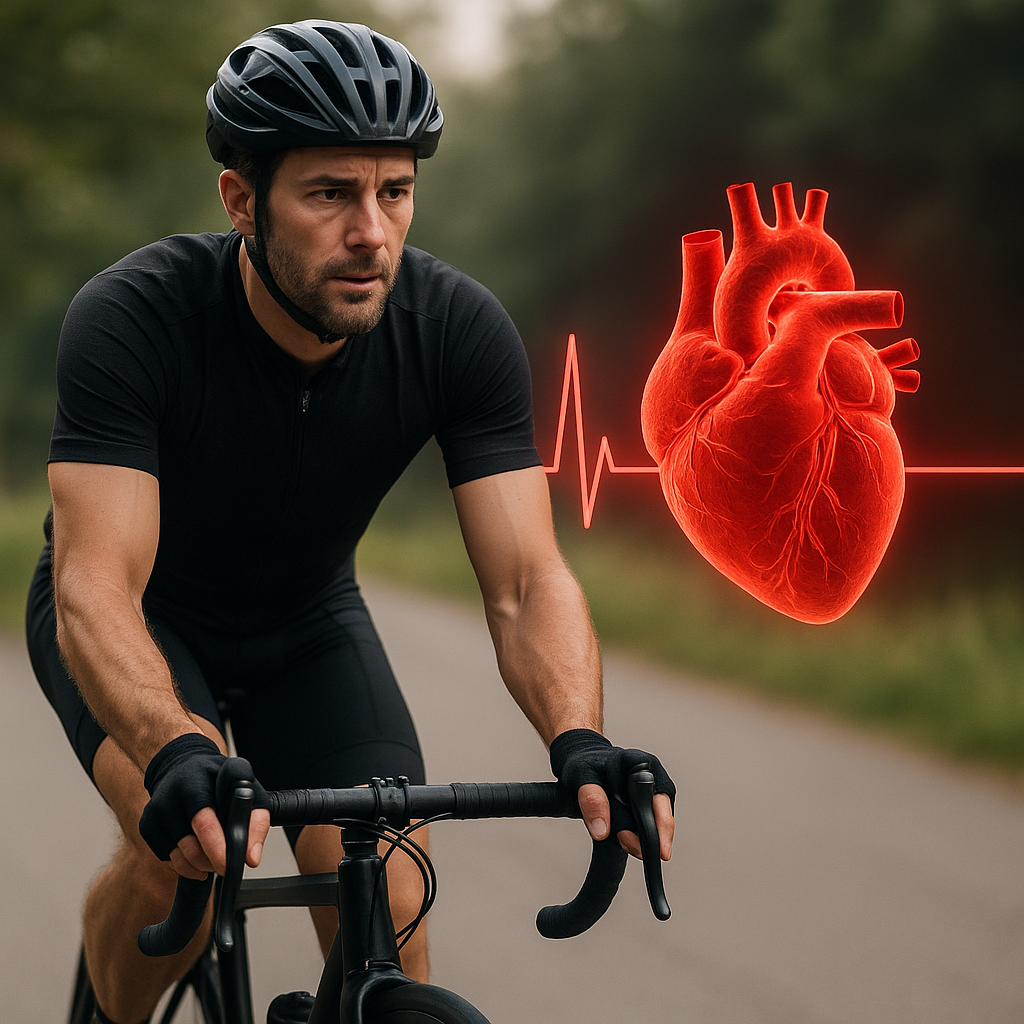
Cycling offers a dynamic and engaging way to enhance cardiovascular fitness, boost mental well-being, and reduce the risks associated with a sedentary lifestyle. Combining scientific research with real-world experience, this article explores how pedaling impacts heart function, metabolic pathways, equipment choices, environmental influences, and safety considerations. Whether you are a weekend cruiser or a competitive cyclist, understanding the multifaceted benefits of two-wheeled exercise can empower you to make informed decisions and maximize each ride.
Understanding the Science Behind Heart Benefits
Regular cycling triggers a cascade of physiological adaptations that improve overall cardiac function. Endurance training elevates stroke volume, lowers resting heart rate, and enhances vascular health. At the cellular level, repeated bouts of exercise stimulate mitochondrial biogenesis, increasing both the number and efficiency of mitochondria in muscle fibers. This translates into better oxygen utilization and energy production.
Key mechanisms include:
- Enhanced endothelial function: Cycling promotes nitric oxide release, which relaxes blood vessels and reduces arterial stiffness.
- Lipid profile optimization: Regular rides lower LDL while raising HDL, improving cholesterol balance.
- Inflammation reduction: Moderate exercise dampens pro-inflammatory cytokines, mitigating chronic inflammation.
- Blood pressure control: Consistent aerobic work can drop both systolic and blood pressure over time.
Improvements in VO2 kinetics are also well documented. Measured as VO2max, the maximum rate of oxygen uptake reflects cardiovascular capacity. Cyclists often achieve higher VO2max values due to sustained propulsion against resistance and long training durations.
Optimizing Training Strategies for Maximum Gains
Structured programs rely on varied intensity zones, recovery protocols, and periodization to elicit continuous adaptation. Monitoring power output, cadence, and heart rate ensures you train at appropriate loads without risking overtraining or stagnation.
High-Intensity Interval Training
Short bursts of intense effort followed by active recovery elicit robust cardiovascular responses. HIIT sessions—such as 30-second all-out sprints with 4-minute recoveries—can significantly raise aerobic capacity while saving time.
Long-Distance Endurance Rides
Extended rides at moderate intensity build muscular endurance and fat-oxidation pathways. These sessions optimize enzymatic activity and increase capillary density around muscle fibers, supporting sustained performance.
Recovery and Periodization
Alternating heavy and light weeks helps avoid plateaus and reduces injury risk. Active recovery days may include light spin sessions, stretching, or cross-training activities like swimming or yoga, facilitating tissue repair and mental freshness.
Role of Bike Technology and Gear
Advances in bicycle design and wearable tech have transformed our ability to monitor performance and ensure comfort on the road.
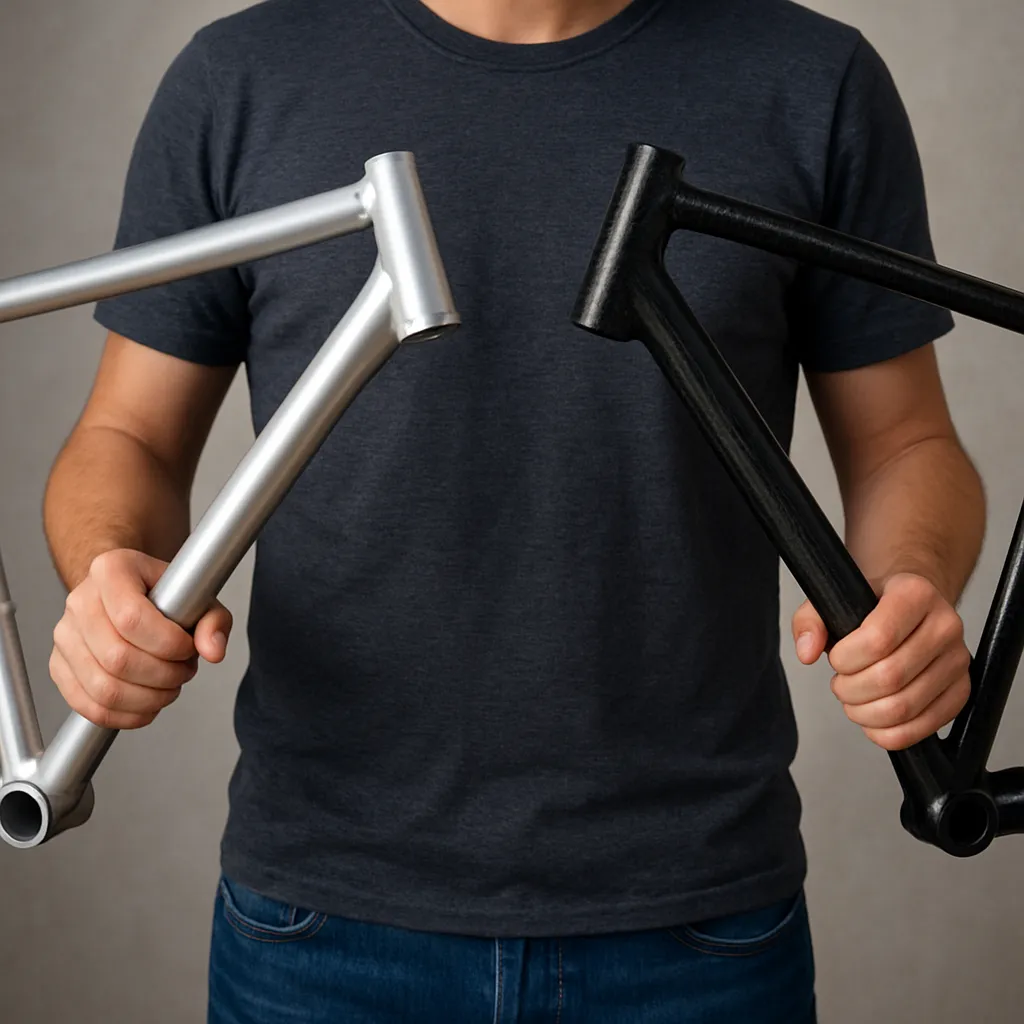
- Frame materials: Carbon fiber and advanced alloys strike a balance between stiffness and weight, improving power transfer.
- Power meters: Direct measurements of work output guide zone-based training and objective progress tracking.
- Heart rate monitors: Continuous recording of pulse data allows for precise intensity control, avoiding overexertion.
- Aerodynamic accessories: Wheels, handlebars, and helmets designed to reduce drag can yield marginal speed gains during solo efforts or time trials.
- App integration: Smartphone platforms sync GPS, ride metrics, and route planning for a seamless digital experience.
Environmental and Psychological Influences
Beyond physiological effects, cycling shapes mood, cognition, and social connection. Natural scenery and exposure to daylight trigger endorphin release and circadian regulation, enhancing mental resilience. Riding with peers or joining a local club boosts commitment and taps into communal support.
- Air quality considerations: Urban riders may need to choose low-traffic routes or ride during off-peak hours to minimize pollutant inhalation.
- Indoor trainers: Smart trainers and rollers provide climate-controlled environments, valuable during extreme weather or busy schedules.
- Mind-body synergy: Rhythmic pedaling can serve as a moving meditation, lowering cortisol and improving focus.
Safety Measures and Injury Prevention
Maximizing heart health benefits requires attention to personal safety and injury avoidance. Protective equipment, proper bike fit, and smart road etiquette are essential.
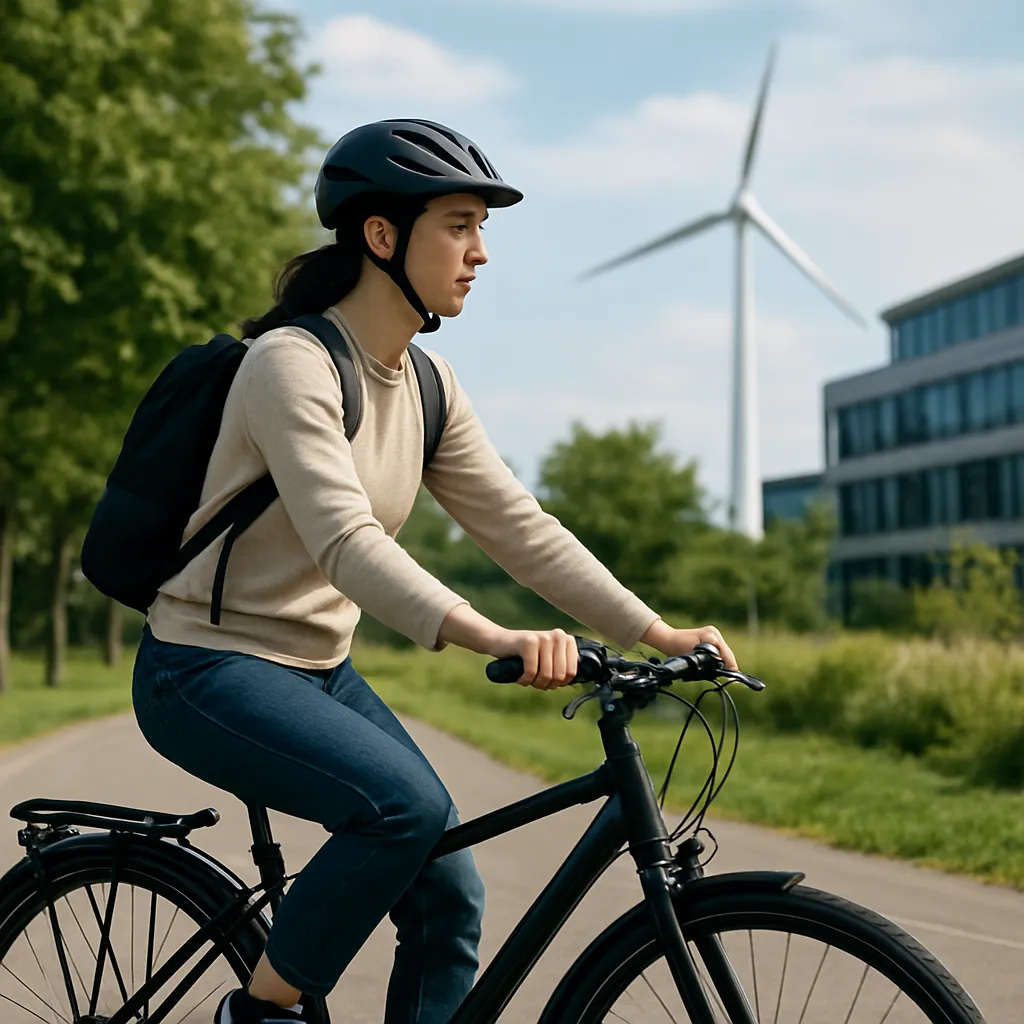
- Helmet usage: A well-fitted helmet drastically reduces the risk of head injury in crashes.
- Visibility gear: High-visibility clothing and lights ensure you remain seen by motorists, especially in low-light conditions.
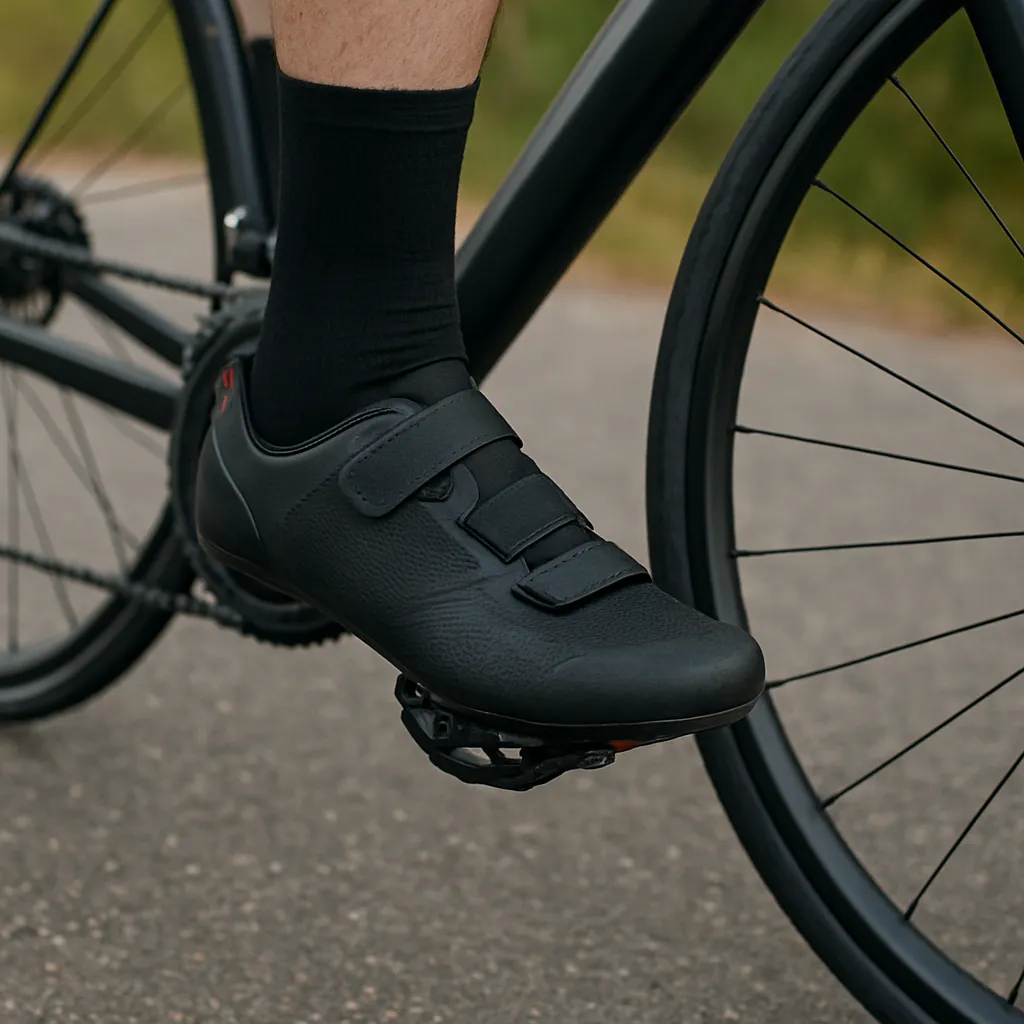
- Bike fit: Professional adjusters balance saddle height, handlebar position, and cleat alignment to prevent overuse injuries in the knees, back, and wrists.
- Route planning: Selecting dedicated bike lanes or low-traffic roads lowers the likelihood of vehicle collisions.
- Cross-training: Incorporating strength work—such as core stabilization and resistance exercises—fortifies muscles and joints against repetitive stress.
Nutrition, Hydration, and Supplemental Strategies
An often overlooked component of cycling performance and cardiovascular improvement lies in fueling strategies. Proper macronutrient ratios support workout demands while antioxidants from whole foods combat exercise-induced oxidative stress. Key points include:
- Carbohydrate timing: Consuming complex carbs before long sessions sustains glucose availability, offsetting muscle fatigue.
- Protein intake: Post-ride protein aids muscle repair and fosters lean mass maintenance.
- Hydration protocols: Monitoring electrolyte balance prevents cramping and supports cardiovascular volume.
- Micronutrient support: Vitamins C and E act as antioxidant defenses, reducing free-radical damage during intense efforts.
In some cases, tailored supplementation—such as omega-3 fatty acids or natural nitrates from beetroot juice—can enhance vascular responsiveness and endurance capacity.
Applying Insights to Daily Riding
Regardless of your ambition—be it health maintenance, weight management, or competitive success—the following guidelines help integrate scientific findings into everyday practice:
- Consistency over intensity: Regular moderate rides often deliver greater cardiovascular returns than sporadic high-intensity efforts.
- Listen to your body: Elevated resting heart rate or persistent fatigue may signal recovery deficits.
- Progressive overload: Gradually increase volume or intensity to stimulate adaptation without overwhelming recovery systems.
- Monitoring biomarkers: Periodic checks of lipid panels, resting heart rate variability, and perceived exertion provide insights into overall cardiovascular status.
Embracing cycling as a lifestyle intervention rather than a short-term fix fosters lasting improvements in heart function, endurance, and overall quality of life.