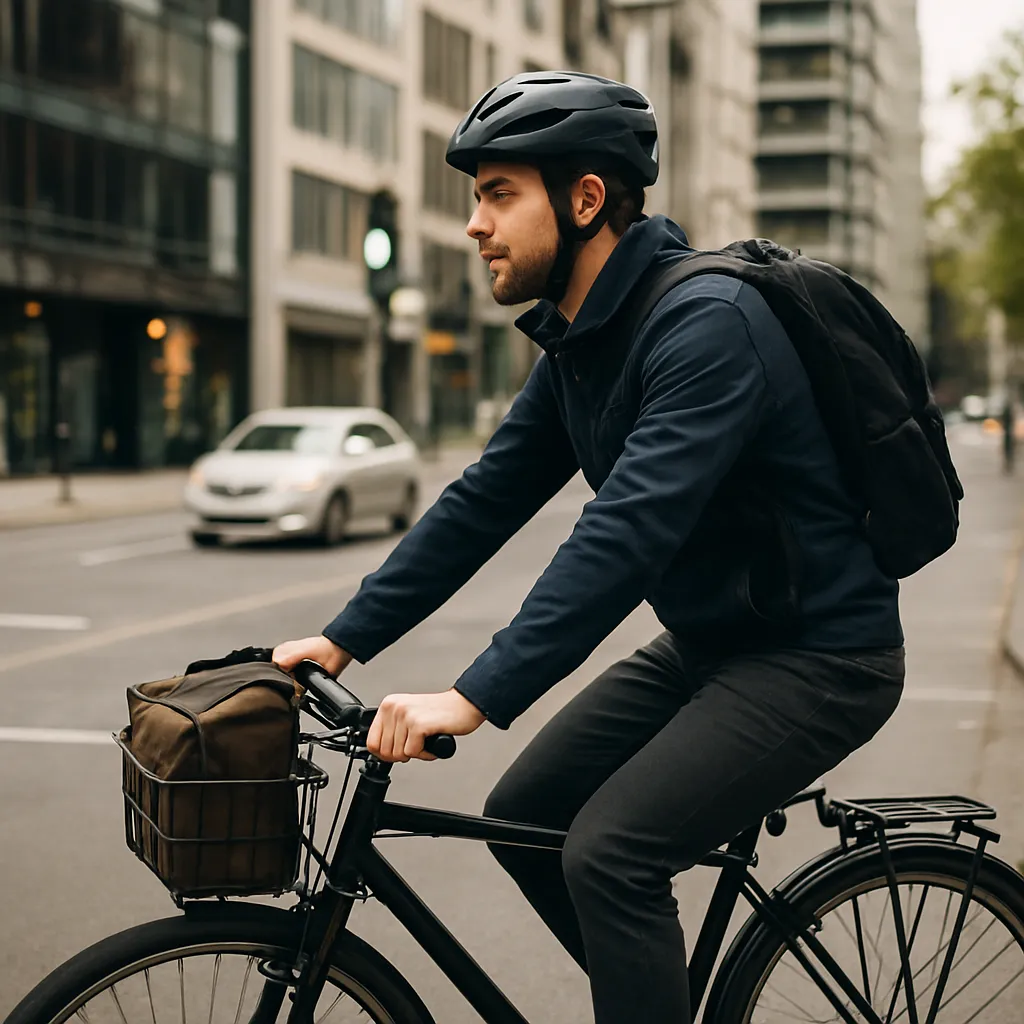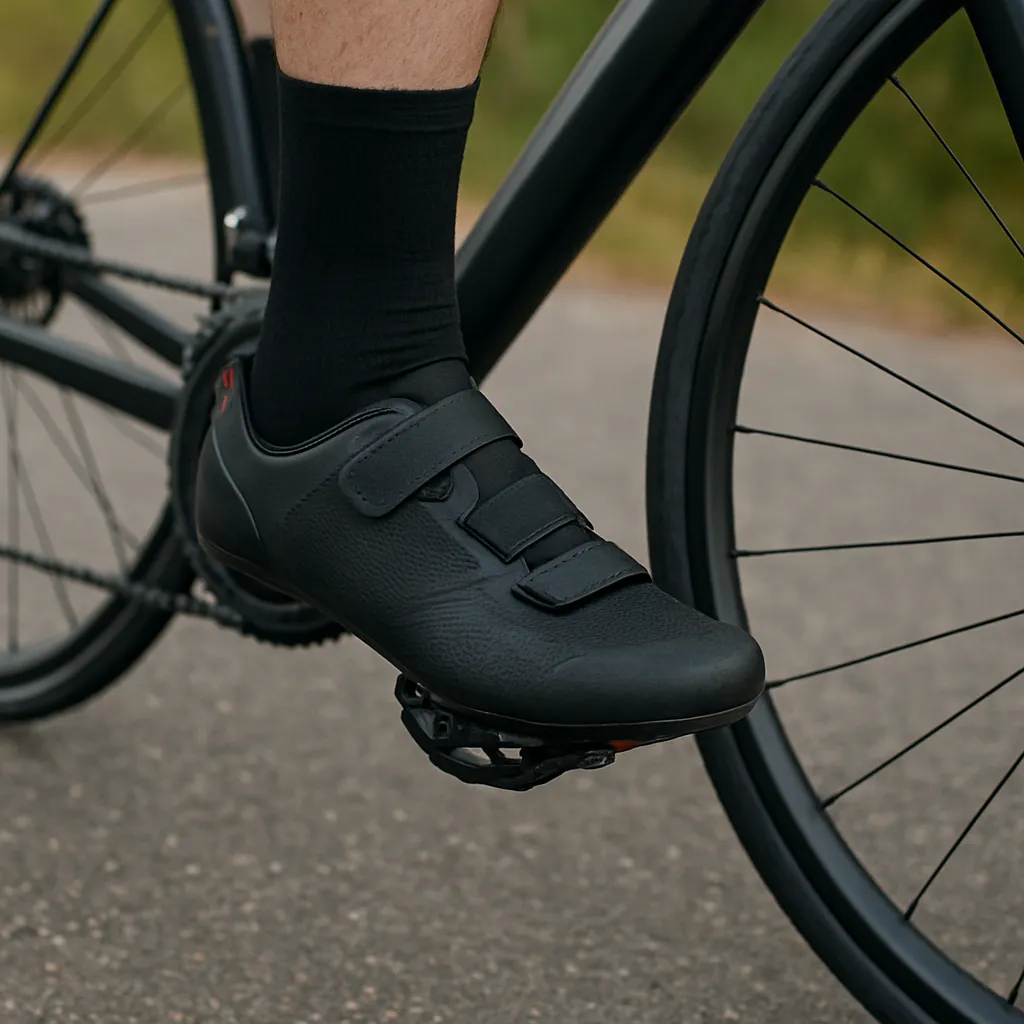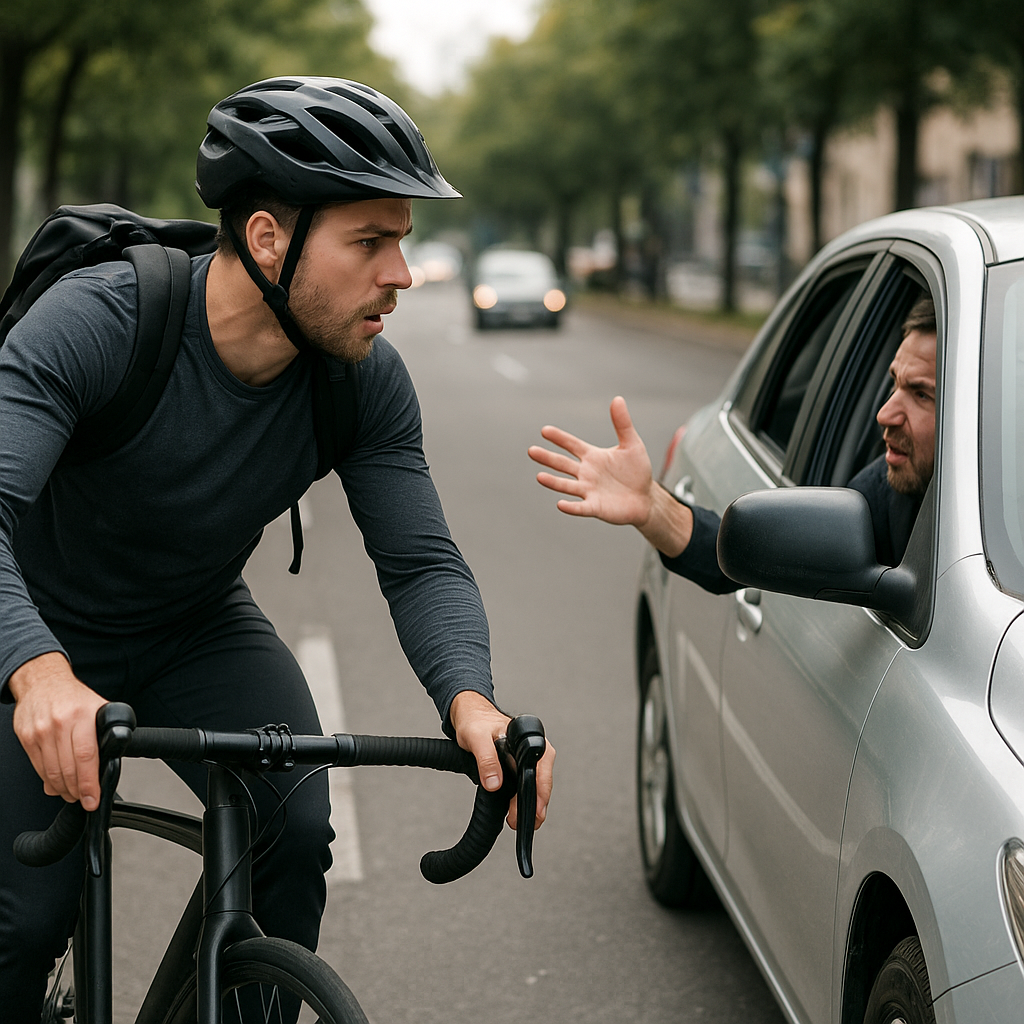
Cycling on busy roads can sometimes feel like navigating a battlefield, especially when faced with aggressive motorists. Maintaining composure and employing effective tactics can turn a potential conflict into a routine ride. This guide offers practical advice to help riders protect themselves, enhance their safety, and foster mutual respect between cyclists and drivers.
Understanding the Risks
Riding alongside cars exposes cyclists to various hazards. Recognizing the sources of aggression can help you anticipate problems and respond calmly. Some common triggers include:
- Impatience from drivers stuck in traffic or running late.
- Perceived obstruction when a cyclist occupies a narrow lane.
- Misperceptions about a cyclist’s experience or competence.
- Distractions such as mobile phones or in-car entertainment systems.
By understanding these factors, you can maintain a heightened level of awareness and adapt your riding style to reduce tension on the road. Aggressive behavior often escalates when a motorist feels threatened or disrespected, so taking steps to appear predictable and courteous goes a long way toward diffusing situations.
Strategies for Staying Safe
Adopting proactive measures can significantly improve your protection against hostile drivers. Below are several proven tactics:
- Visibility: Wear bright clothing and use lights, even during daytime. Reflective gear on helmets, jackets, and pedals ensures that drivers notice you from a distance.
- Positioning: Ride in a position that prevents unsafe passing. Claim the right of the lane when necessary, especially on narrow roads where squeezing by could lead to a collision.
- Speed and Spacing: Maintain a steady pace that matches traffic flow. Leave sufficient space behind and ahead to maneuver if a sudden obstacle appears.
- Equipment Checks: Regularly inspect your brakes, tires, and lights. A mechanical failure can provoke frustration in drivers and compromise your maneuverability.
- Route Planning: Choose roads with dedicated bike lanes or lower traffic volume. Smart route selection enhances visibility and lowers the chance of confrontation.
Implementing these strategies reduces the likelihood of provoking aggressive behavior. It also reinforces to drivers that you are a competent and predictable road user.
Communication Techniques
Effective non-verbal and verbal communication can de-escalate tension. Learning how to signal intentions clearly reassures drivers and fosters cooperative behavior.
Non-Verbal Signals
- Hand signals: Consistent arm gestures for turns and stops.
- Eye contact: A quick glance at a driver can confirm mutual awareness.
- Body language: A relaxed posture indicates confidence; avoid erratic movements that might alarm drivers.
Verbal Interaction
- Calm tones: If you must speak, use a polite and measured voice. Refrain from shouting or using sarcasm.
- Clear requests: Phrases like “Thank you” or “Please give me space” deliver your message without confrontation.
- Reporting incidents: Note the license plate and vehicle details if you experience harassment, then submit a respectful report to local authorities.
These communication approaches encourage a mentality of shared responsibility. By projecting courtesy, you pave the way for motorists to respond in kind rather than resort to hostility.
Building Resilience and Confidence
Encounters with aggressive drivers can be unnerving, but cultivating mental strength helps you stay focused and calm:
- Preparation: Visualize potential scenarios and rehearse your response strategies.
- Stress Management: Practice deep breathing and mindfulness techniques before and during rides.
- Community Support: Join local cycling groups or online forums to share experiences and tips.
- Education: Attend workshops or watch tutorials on advanced riding skills, including emergency braking and evasive anticipation.
- Reflective Practice: After each ride, assess what went well and identify areas for improvement.
Over time, consistent practice will enhance your confidence. You’ll learn to handle difficult situations with ease, transforming aggressive encounters into minor detours rather than traumatic events. This growth not only safeguards your own well-being but also contributes to a safer, more understanding culture on the roads.