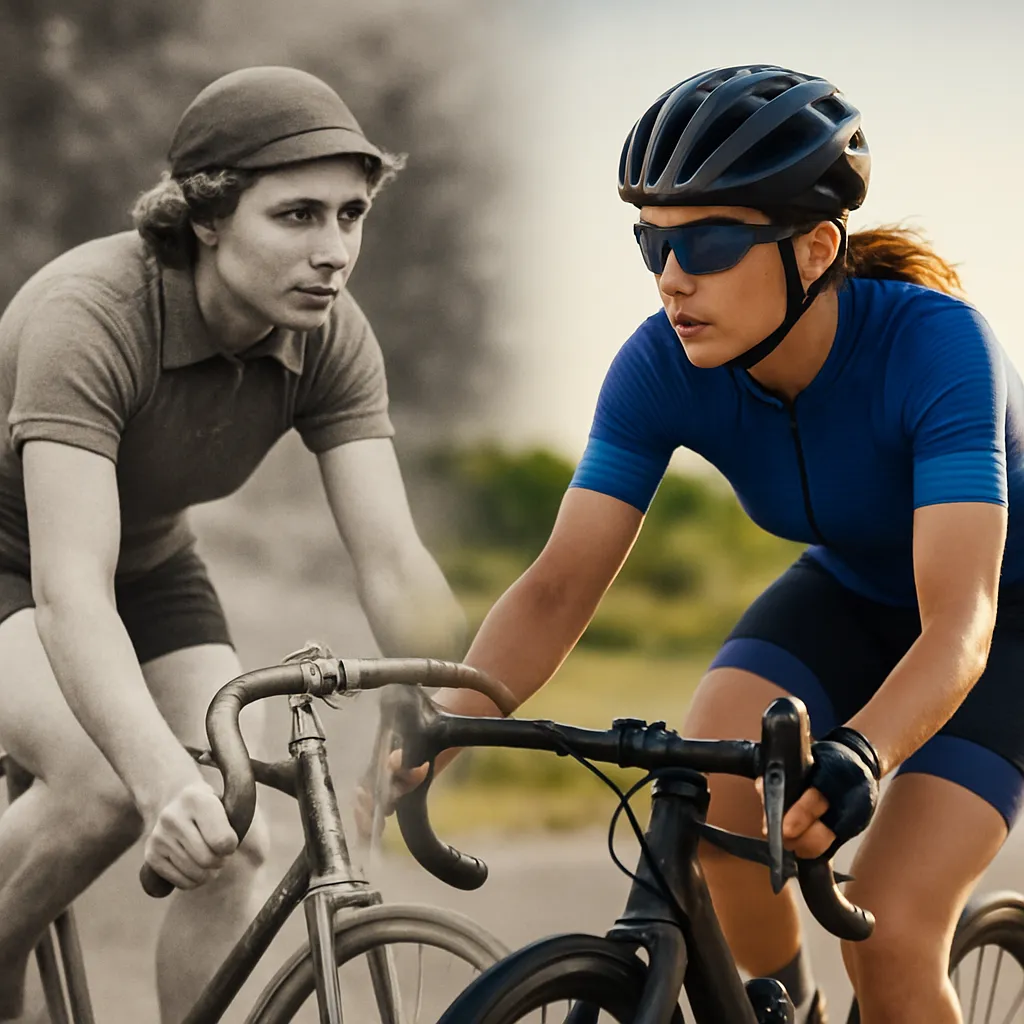
The history and future of women’s cycling reflect a journey of perseverance, innovation, and unwavering passion. From the first daring rides by trailblazers to cutting-edge developments on modern race circuits, the world of women’s cycling has evolved dramatically. This article explores the evolution of women’s involvement in bicycling, examines the social and technical factors that shaped its trajectory, and envisions what lies ahead for female cyclists around the globe.
Early Beginnings of Women’s Cycling
The bicycle emerged in the early 19th century as a symbol of mobility and freedom. While men quickly embraced the “velocipede” and later the safety bicycle, women faced societal constraints that made cycling a radical act of independence.
Pioneers on Two Wheels
One of the most significant early figures was Frances Willard, an American suffragist who rode across the United States in 1895. Willard’s journey was both a physical and symbolic challenge to norms that restricted women’s mobility and attire. By adopting practical bloomers, she demonstrated that cycling could be compatible with respectable femininity.
Victorian Resistance
In Victorian England, many saw the bicycle as a threat to gender roles. Critics claimed that pedaling would damage a woman’s health or lead to moral decay. Despite this, female cyclists organized local clubs and advocates published articles in periodicals such as The Cyclist’s Companion, promoting safety tips and advocating for rights to ride on public roads.
Challenges and Breakthroughs in the 20th Century
As the new century dawned, women’s cycling gained momentum. However, progress was uneven, shaped by global events, evolving attitudes, and the persistent struggle for equal recognition.
World Wars and Shifting Roles
During both World Wars, women stepped into roles traditionally held by men, including deliveries by bicycle. They became indispensable couriers for mail, medical supplies, and wartime communications. This period helped challenge stereotypes and demonstrated women’s physical strength and endurance.
Organized Competition
Despite these advances, the first official women’s cycling races were slow to appear. In 1958, the Union Cycliste Internationale (UCI) introduced the Women’s Road World Championships, providing a platform for female cyclists to compete internationally. Yet opportunities remained limited compared to men’s events, and issues such as unequal prize money and scarce sponsorship persisted.
- Barrier-breaking athletes like Elsy Jacobs and Beryl Burton achieved remarkable success, inspiring future generations.
- Grassroots movements formed local clubs, promoting cycling as a tool for empowerment and healthy living.
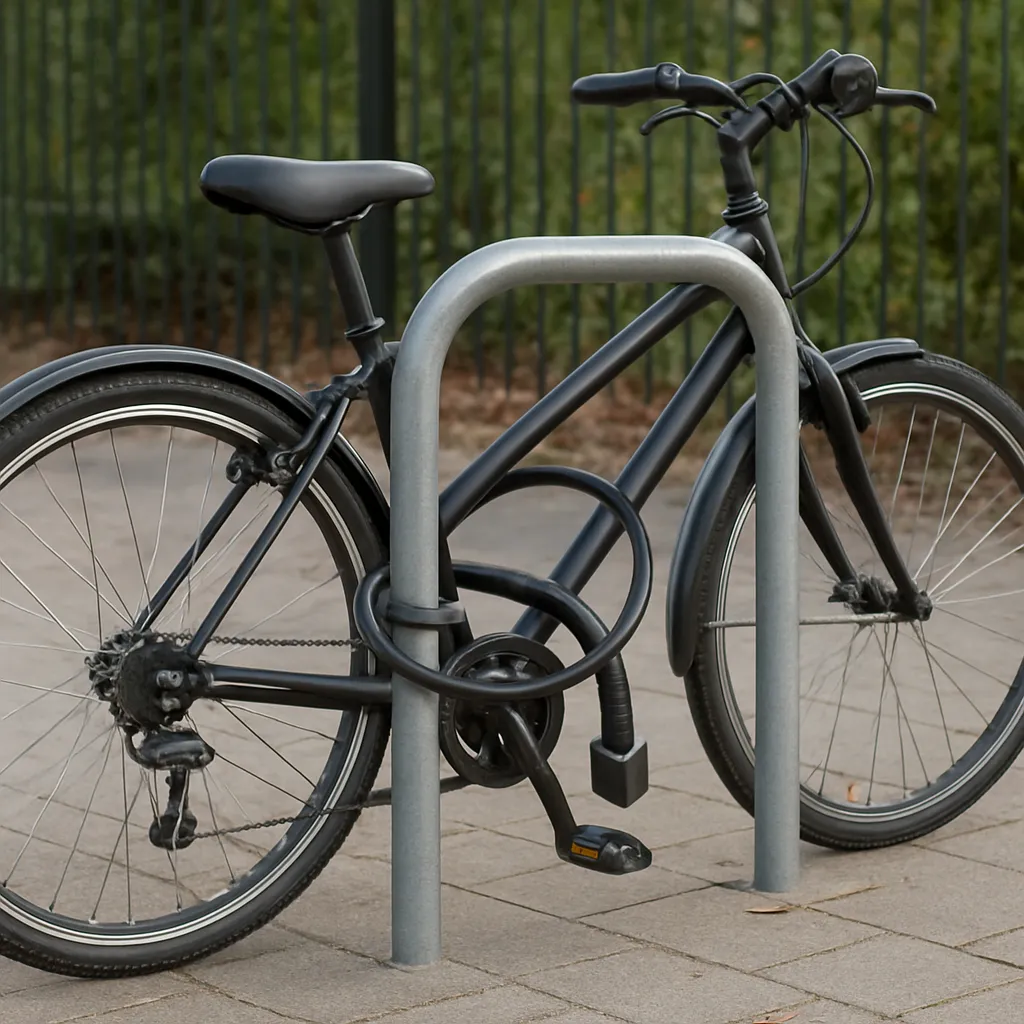
- Advocacy groups lobbied for better infrastructure, such as segregated bike lanes and secure parking facilities.
Modern Era and Professionalization
In the late 20th and early 21st centuries, women’s cycling entered a new phase. Advances in technology, media coverage, and social movements reshaped the landscape.
Technological Innovations
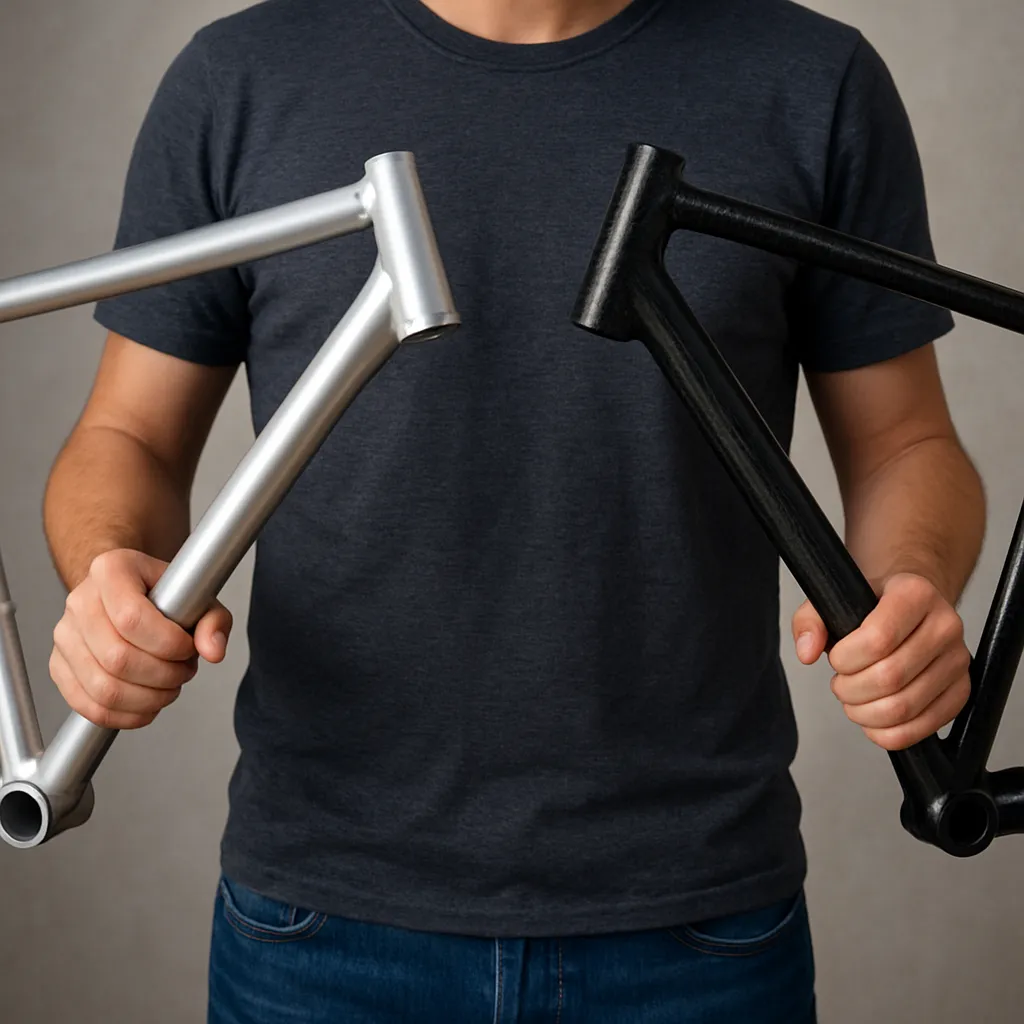
Today’s women’s bikes benefit from cutting-edge materials like carbon fiber, aerodynamic frames, and electronic shifting systems. These improvements have closed the performance gap and raised the competitive stakes. Brands now develop dedicated women’s lines, optimizing geometry, saddle design, and component selection for female riders.
Increased Visibility
Broadcasts of major races such as the Giro Rosa and the Women’s Tour have significantly increased exposure. Social media platforms allow athletes to build personal brands and engage directly with fans. Sponsorship deals, once scarce, now feature companies eager to align with messages of diversity and sustainability.
- Global stars like Marianne Vos and Annemiek van Vleuten dominate both road and cyclocross events.
- Innovative events such as gravel races and e-bike challenges attract a broad range of participants.
- Organizations like The Cyclists’ Alliance campaign for equal pay and improved racing calendars.
The Future of Women’s Cycling
Looking ahead, the potential for growth is immense. Stakeholders across the spectrum—athletes, governing bodies, industry leaders, and fans—are collaborating to address existing gaps and unlock new possibilities.
Equity in Competition
A primary focus is bridging the disparity in prize purses and race opportunities. Proposals include expanding women’s events alongside men’s Grand Tours, guaranteeing minimum pay standards, and implementing mentorship programs for younger riders. Greater transparency in team budgets and sponsorship allocations will foster accountability and trust.
Grassroots Development and Accessibility
Initiatives to introduce girls to cycling at school age are crucial. Programs such as “Ride to School” and community-led workshops emphasize safety, bike maintenance, and the joy of exploration on two wheels. Public policy can support this momentum by investing in bike-friendly infrastructure and ensuring bike share systems are accessible and affordable.
Technological and Environmental Trends
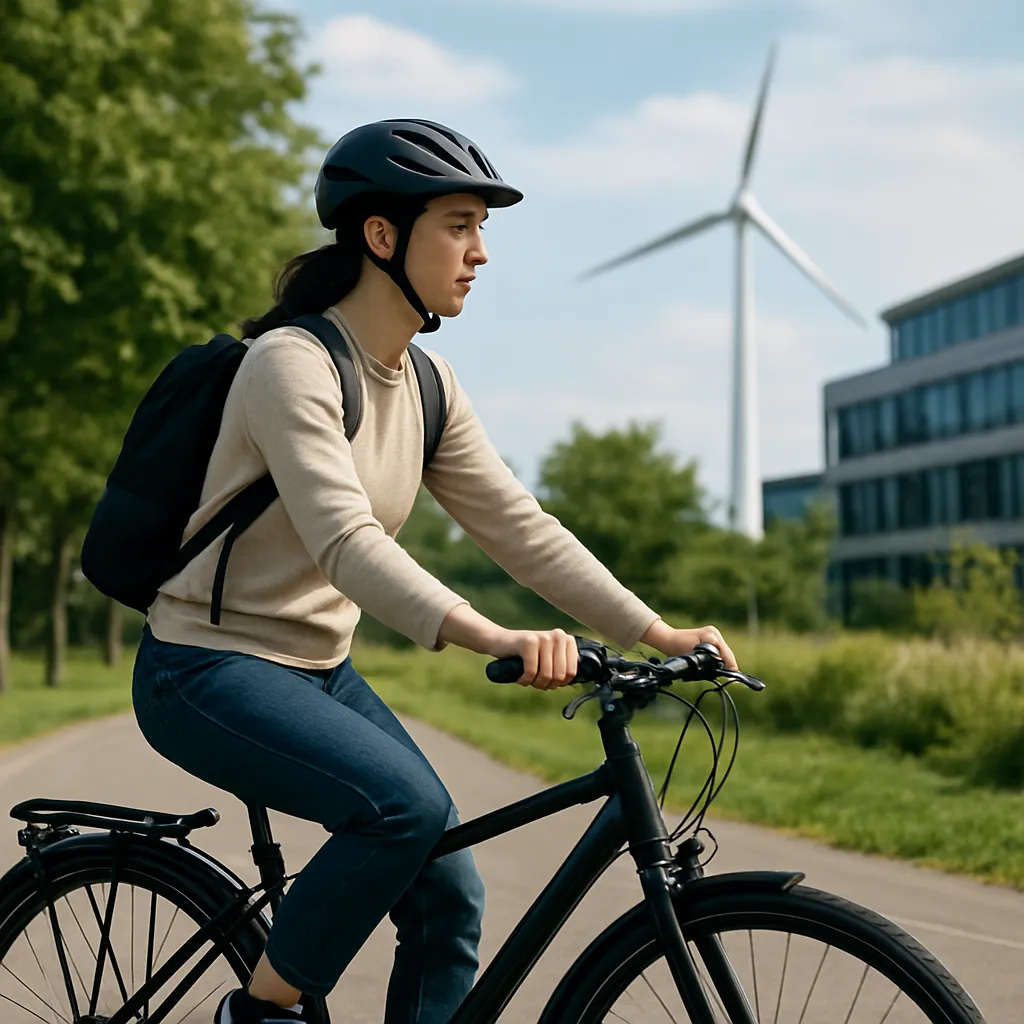
The rise of e-bikes is transforming the way women cycle for both commuting and recreation. Assisted pedaling makes long distances and challenging terrains more approachable, broadening the demographic of cyclists. Furthermore, sustainable manufacturing practices and circular economy models aim to reduce environmental impact, aligning cycling with broader goals of innovation and conservation.
- Data-driven training platforms and wearable tech provide personalized performance feedback.
- Virtual reality and online competitions create new forms of engagement and sponsorship.
- Collaborations between bike manufacturers and tech firms deliver smarter, more connected bikes.
The journey of women’s cycling has been marked by bold action, persistent advocacy, and remarkable achievements. As this dynamic sport continues to evolve, the combination of equitable policies, technological progress, and passionate communities promises a future where every woman can ride with dignity, opportunity, and joy.