Regular bicycle upkeep is essential to ensure both safety and optimal performance. Ignoring subtle cues can lead to unexpected breakdowns on the road, costly repairs, or even accidents. In this guide, you’ll learn the top signs your bike needs a tune-up, how to identify them, and why prompt maintenance matters for every rider, from casual commuters to serious enthusiasts.
Strange Noises and Persistent Creaks
If you hear unusual sounds when pedaling or turning, it’s a clear indicator that components are not operating smoothly. Below are common auditory warning signs:
- Creaking from the bottom bracket: A faint creak may suggest dried-out bearings or loose bearings caps. Without proper lubrication, friction increases and damage accelerates.
- Clicking or grinding from the chain area: This often means the chain is dirty, excessively worn, or misaligned. Regular cleaning and chain lubrication can prevent premature wear.
- Squeaking brakes or rim friction: If your brake pads rub against the wheel even when not applied, calipers could be misaligned or the pads themselves may be worn unevenly.
Ignoring these noises can lead to greater component damage and compromise your ride’s overall reliability.
Shifting Issues and Gear Slippage
Precise gear changes are fundamental for comfortable riding. When shifting feels hesitant or noisy, it’s time for a thorough inspection.
- Delayed response in gear changes: Cable tension may be too loose or stretched. Adjusting the derailleur or replacing cables can restore crisp shifts.
- Chain skipping under load: A worn cassette, chainrings, or an elongated chain can cause slippage, reducing pedaling efficiency.
- Harsh or rough gear engagement: Dirty pulleys, misaligned derailleurs, or inadequate lubrication on moving parts can result in jarring transitions between gears.
Routine checks of cable tension and derailleur alignment prevent frustration and keep your drivetrain running smoothly.
Braking Performance and Wear Indicators
Your ability to stop quickly and safely relies on well-functioning brakes. Overlooking wear signs can be risky, especially in wet or emergency situations.
- Spongy lever feel: Air in hydraulic lines or worn brake pads reduce stopping power. Bleeding the system or replacing pads restores firm actuation.
- Metal-on-metal grinding: If you hear grinding rather than the usual squeal, pads may be completely worn down to the backing plate, risking damage to the rotor or wheel rim.
- Inequitable pad wear: Uneven pad thickness can pull your bike to one side under braking. Proper caliper alignment is essential for balanced stopping.
Consistent brake inspections, especially after heavy use, guarantee dependable safety every time you slow down.
Loose or Unusual Handling
A bike that feels unstable or wobbly can be unnerving and dangerous. Key areas to assess include the headset, handlebars, and frame joints.
- Headset play: Grip the front brake and rock the bike forward and backward. Any knocking from the headset indicates loose bearings requiring adjustment or replacement.
- Handlebar movement: If the bars tilt or shift under pressure, stem bolts may be loose. Proper torque settings ensure a secure cockpit.
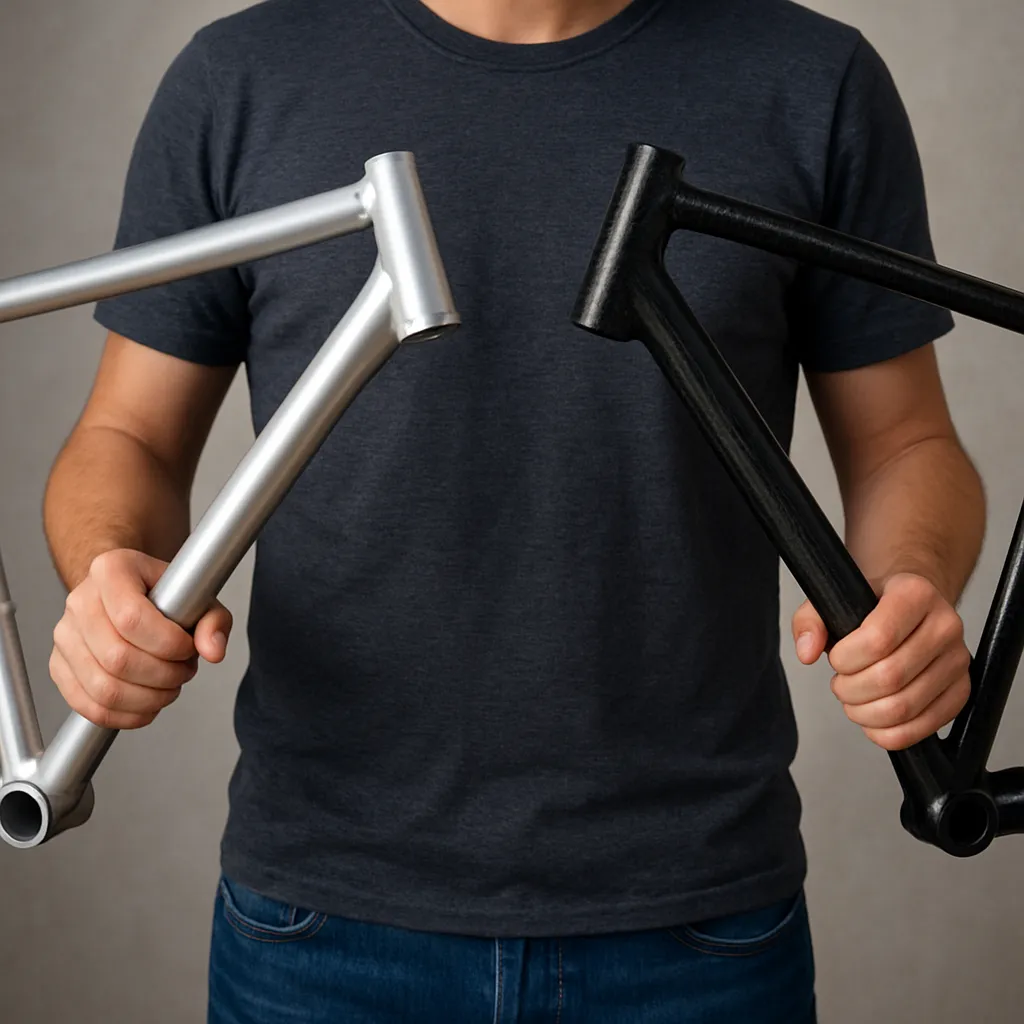
- Frame creaks: Strange cracks or creaks near welds can signal stress fractures. Prompt professional inspection prevents catastrophic failures.
Tightening and greasing headset bearings and stem bolts will restore responsive and predictable steering.
Tire Condition and Wheel Alignment
Your tires and wheels are your only contact points with the road. Regular checks help you avoid flats, instability, and undue rolling resistance.
- Low or uneven tire pressure: Riding on underinflated tires increases the chance of pinch flats. Use a quality gauge to maintain recommended PSI.
- Sidewall cracks or embedded debris: Tears in the rubber or sharp objects lodged in the tread can lead to sudden blowouts.
- Wheel wobble or hops: Spin each wheel and observe its true. A bent rim or loose spokes requires truing to prevent rim wear and wobble.
Routine wheel truing and tire maintenance extend component life and deliver a smoother, more efficient ride.
Drivetrain Health and Chain Longevity
A majority of wear on your bike occurs in the drivetrain. Regular attention to the chain, cassette, and chainrings helps maintain efficient power transfer.
- Chain stretch measurement: Use a chain wear tool to check elongation. A stretched chain accelerates wear on cassettes and chainrings.
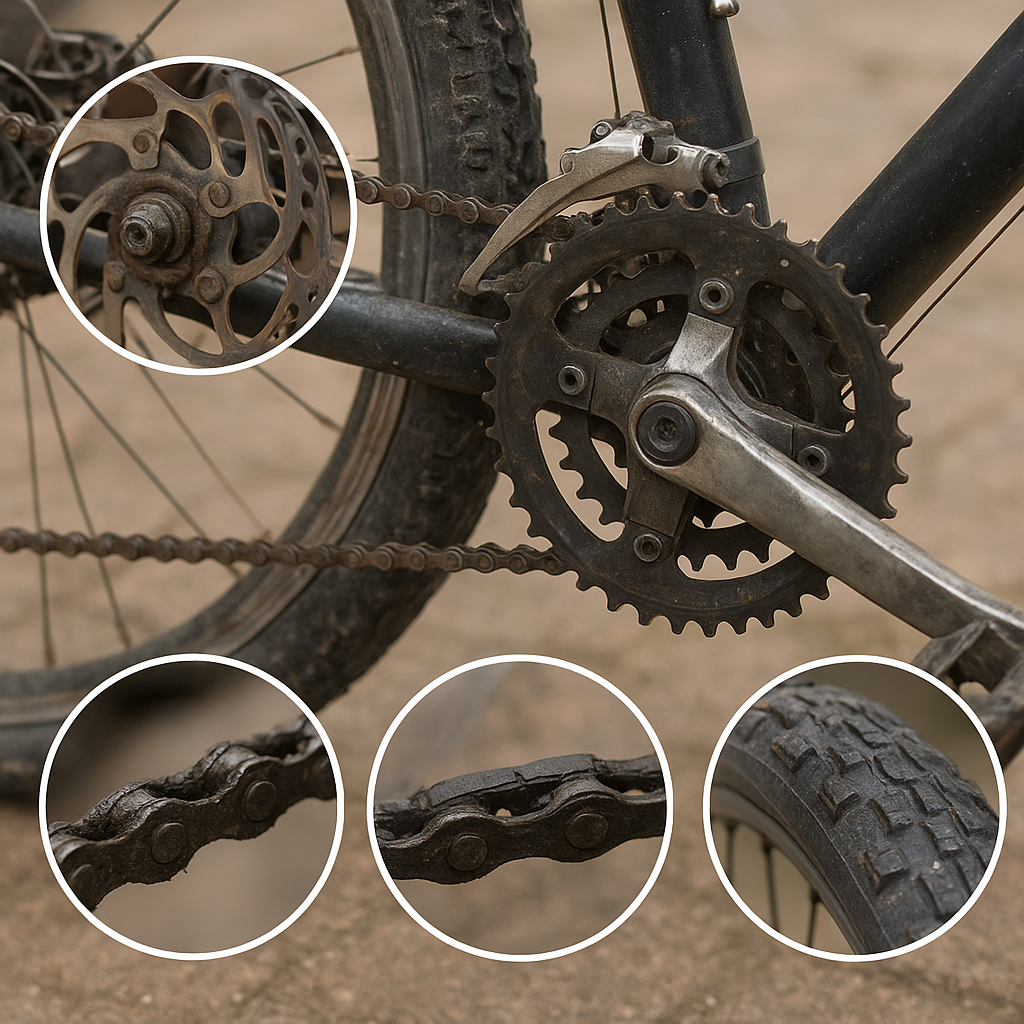
- Rust or corrosion: Exposure to moisture without proper cleaning and lubrication leads to pitting and weakened links.
- Chain tight spots: These indicate stiff links. Cleaning with degreaser and applying fresh lubricant prevents irregular pedaling and skips.
Replacing the chain at recommended intervals is often more cost-effective than replacing an entire cassette due to neglected maintenance.
Cable and Housing Integrity
Cables and housings transmit precision control to your brakes and gears. Frayed or corroded cables can compromise responsiveness.
- Visible fraying: Strands poking through the end cap indicate the cable is nearing the end of its service life.
- Sticky or rough movement: Dirt inside housings can cause grinding when operating brakes or shifting. Cleaning and re-capping housings revive smooth action.
- Corroded ends: Rust at housing ends reduces cable efficiency. Regular replacement prevents sudden failures mid-ride.
Well-lubricated and protected cables ensure instantaneous input response, crucial for both performance and safety.
Suspension and Comfort Considerations
If your bike has front or rear suspension, it demands special attention to seals, damping, and air pressure (for air-sprung units).
- Oil leakage around seals: Damaged or worn seals allow oil to escape, degrading damping performance.
- Rough or harsh feedback: Lack of service leads to foaming oil or worn bushings, causing a choppy ride.
- Incorrect sag settings: Sag outside the manufacturer’s recommended range reduces traction and comfort on technical terrain.
Periodic suspension servicing ensures your forks and shocks absorb impacts as designed, preserving both control and comfort.
When to Schedule Professional Service
While many tune-up tasks can be performed at home, complex issues often call for a trained mechanic. Consider professional service when:
- Alignment problems persist after your adjustments.
- Hydraulic systems need bleeding or seal replacement.
- Suspension components require disassembly and oil changes.
- Frame or structural cracks are suspected.
Regular full tune-ups at a reputable shop complement your home care routine and keep every aspect of your bike in optimal condition.