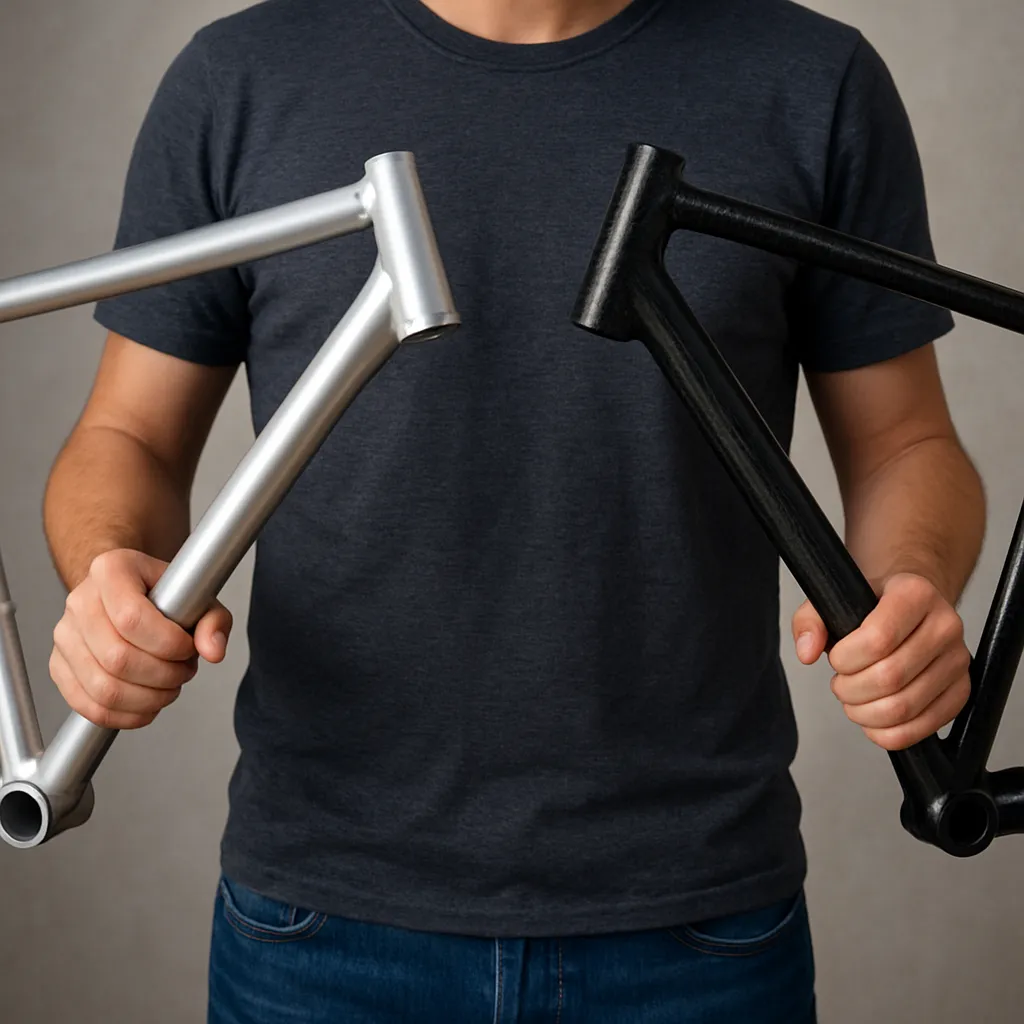
The choice of frame material can transform your cycling experience, influencing everything from ride comfort to long-term durability. Selecting the ideal option involves balancing weight, strength, stiffness, and cost. In this guide, we’ll dive into the main materials used in bicycle frames, explore their unique characteristics, and help you match your next bike to your riding style and budget.
Understanding the Key Characteristics of Frame Materials
Before comparing materials, it’s essential to grasp the core properties that define frame performance. Every bicycle frame will emphasize a different blend of responsiveness, comfort, and longevity. Here are the fundamental factors to consider:
Strength vs Weight
- Strength: The frame’s ability to resist deformation under load. A stronger frame often lasts longer and tolerates rough terrain better.
- Weight: Lighter frames accelerate faster and climb more efficiently. However, extreme weight savings can compromise comfort or price.
Stiffness and Comfort
- Stiffness: Critical for power transfer. A stiffer frame flexes less under pedaling force, giving a snappier feel on sprints.
- Comfort: Vibrations from the road or trail can be fatiguing. Frames that absorb shocks contribute to a more pleasant ride, especially on long distances.
Cost and Maintenance
- Cost: Frame prices vary widely. Entry-level alloys can be budget-friendly, while carbon fiber and titanium command premium tags.
- Maintenance: Some materials require special care. Corrosion-prone metals need protective coatings, whereas carbon remains unaffected by rust but demands careful inspection.
Exploring Common Bicycle Frame Materials
Aluminum Frames
Often the go-to choice for recreational and mid-range bikes, aluminum frames offer an excellent balance of lightweight performance and affordability.
- Pros:
- High strength-to-weight ratio
- Affordable manufacturing costs
- Excellent corrosion resistance
- Cons:
- Can feel harsh due to increased stiffness
- Fatigue life shorter than steel or titanium
- Limited repair options for cracks
Steel Frames
Steel has a storied history in cycling, prized for its robustness and forgiving ride characteristics. Modern steel alloys have reduced weight while preserving durability.
- Pros:
- Excellent comfort and vibration damping
- High fatigue resistance—very long service life
- Simple to repair or modify
- Cons:
- Relatively heavier than aluminum or carbon
- Prone to corrosion if coatings wear off
- Variable quality depending on tubing and welds
Chromoly Steel
A refined steel alloy combining chromium and molybdenum, often called chromoly, delivers a lighter, stronger alternative to traditional steel.
- Balanced ride quality
- Reasonable weight savings over standard steel
- Ideal for touring and adventure bikes
High-End Materials: Titanium and Carbon Fiber
Titanium Frames
Titanium blends the best of steel and aluminum: it matches steel’s comfort and corrosion resistance while approaching aluminum in weight. Its high cost reflects intricate manufacturing processes.
- Pros:
- Exceptionally long lifespan without fatigue
- Natural resistance to rust and corrosion
- Smooth, compliant ride feel
- Cons:
- High purchase price
- Challenging to weld; limited custom shops
- Less widespread availability
Carbon Fiber Frames
Carbon fiber revolutionized cycling by allowing designers to tailor stiffness and compliance in specific frame areas. It is the material of choice for high-performance road and cross-country bikes.
- Pros:
- Unmatched strength-to-weight ratio
- Engineered layups for targeted ride characteristics
- Corrosion-free
- Cons:
- Vulnerable to impact damage and cracks
- Expensive manufacturing and repair
- Recycling challenges
Selecting the Right Material for Your Riding Style
Road Cycling
Road racers and enthusiasts typically look for ultimate responsiveness and low weight. Carbon fiber and high-grade aluminum dominate this segment, with titanium as a luxury alternative for riders seeking natural compliance.
Mountain Biking
Durability and impact resistance are paramount off-road. Aluminum alloy frames are common for cross-country, while steel and titanium see use in trail and enduro for their resilience. Carbon hardtails exist but require careful handling.
Commuting and Touring
Long-distance and utility cycling demand reliable ride quality and ease of maintenance. Steel and chromoly shine for touring rigs thanks to repairability and comfort. Aluminum commuter frames keep costs down and resist corrosion in wet environments.
Maintenance, Longevity, and Environmental Considerations
Once you’ve chosen a material, proper upkeep extends your frame’s life and performance. Here are key points:
- Corrosion Resistance: Regularly clean and dry metal frames; touch up chips in paint to prevent corrosion resistance issues.
- Inspection: Check carbon fiber for hairline cracks after crashes; steel and aluminum need weld inspections for fatigue cracks.
- Storage: Keep your bike indoors in a temperature-controlled area to preserve frame integrity.
- Recycling and Sustainability: Steel is the easiest to recycle, followed by aluminum. Carbon fiber recycling is evolving; titanium has a lower environmental footprint but fewer established recycling channels.
Choosing the right frame material is about balancing performance, comfort, and budget. By understanding how each material behaves under real-world conditions, you’ll be equipped to pick a frame that complements your personal riding goals and stands the test of time.