Summer cycling brings the joy of exploring sunlit roads, but it also carries the risk of overheating and heat-related issues. Proper preparation and smart strategies are essential for every rider who wants to maintain peak performance and avoid dangerous heat stress. This article covers key insights into recognizing the signs of heat strain, selecting the right gear, and integrating practical hydration and nutrition routines.
Understanding the Risks of Overheating
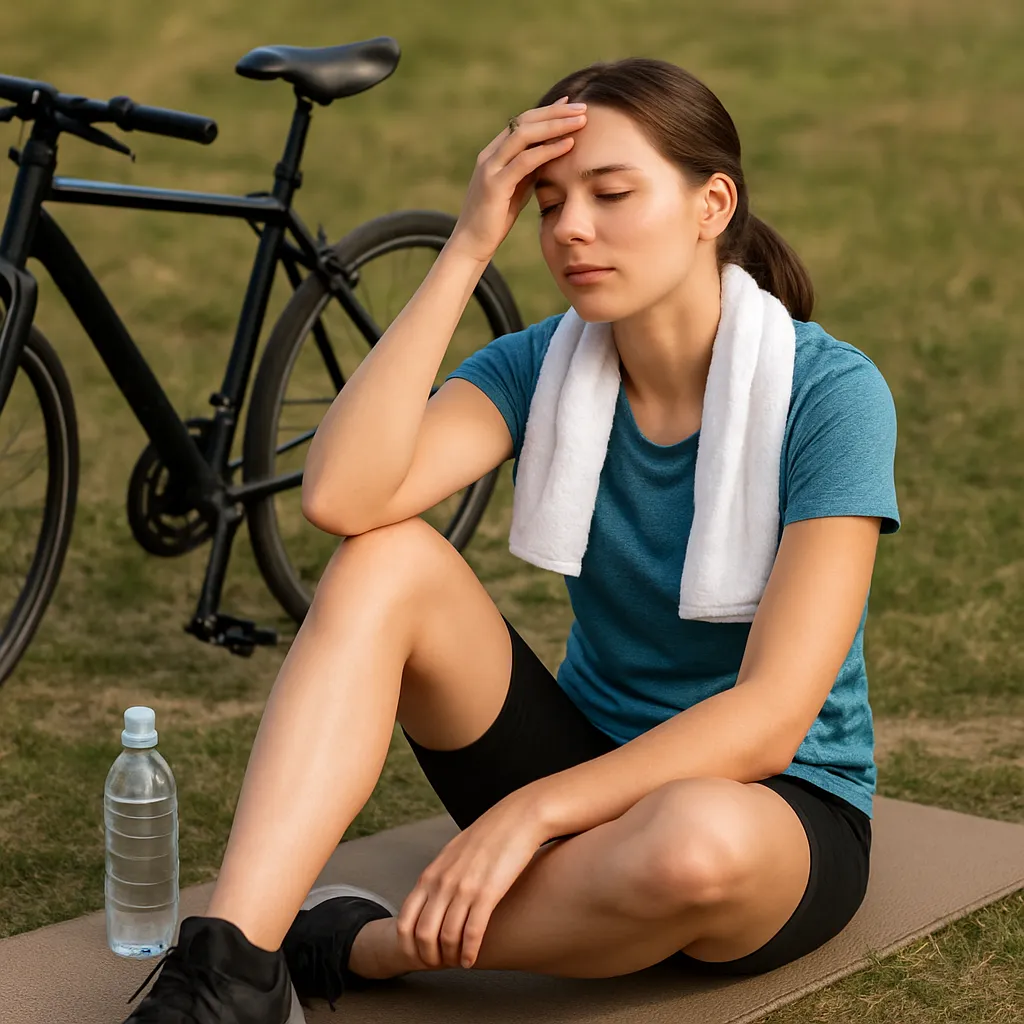
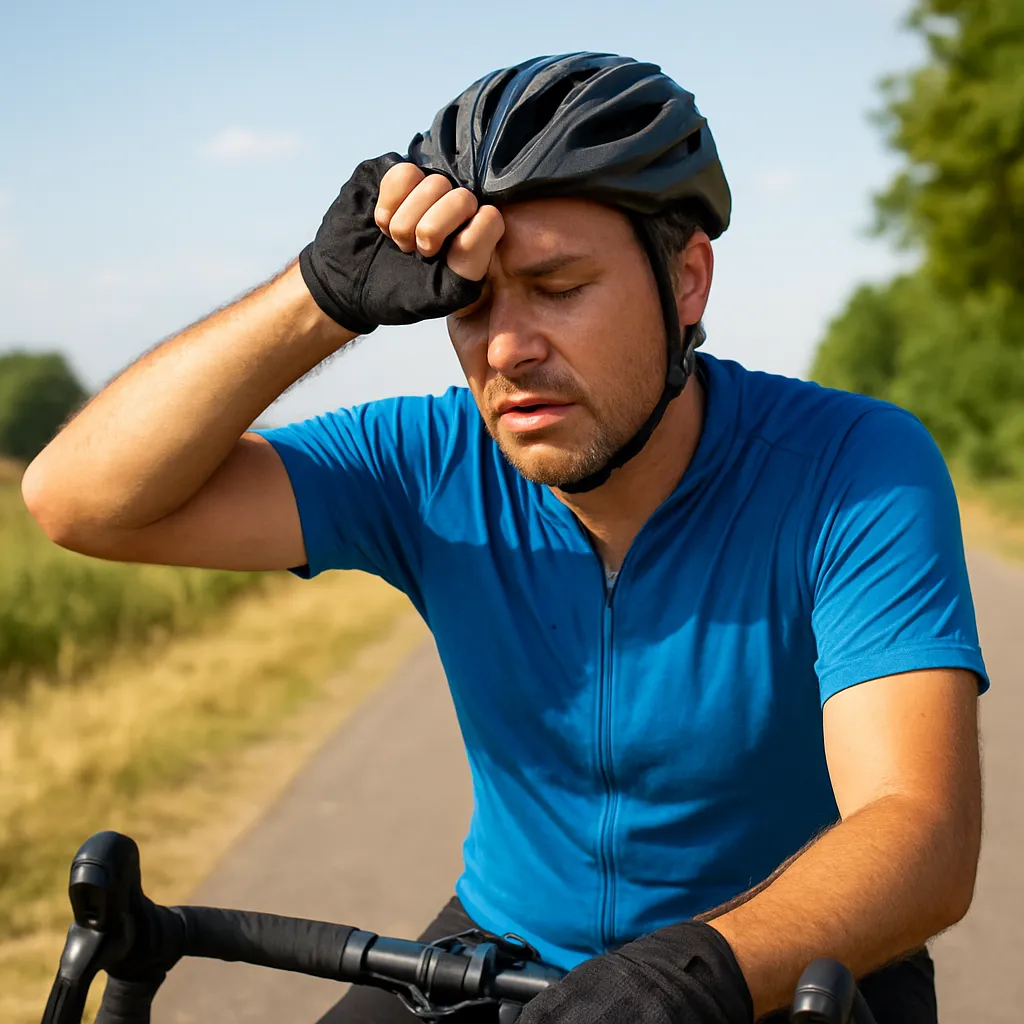
Cyclists often push their limits, striving for new personal bests or simply enjoying a long weekend ride. However, high temperatures and intense sun exposure can elevate the danger of heat exhaustion and heat stroke. Recognizing early warning signs is crucial:
- Dizziness or lightheadedness during or after a climb
- Excessive sweating followed by clammy skin
- Rapid heart rate not justified by effort level
- Headaches or muscle cramps
- Extreme fatigue or disorientation
Ignoring these indicators can quickly escalate to severe conditions, so always listen to your body. Use a reliable temperature gauge or weather app to monitor the ambient heat index and humidity before heading out.
Effective Strategies to Stay Cool
Pre-Ride Cooling
Starting your ride with a lower core temperature can make a significant difference. Consider these tactics:
- Take a brief cold-water shower or apply ice packs to major blood vessels (neck, armpits, groin).
- Chill your favorite neck scarf or cooling towel in the freezer for 10–15 minutes before departure.
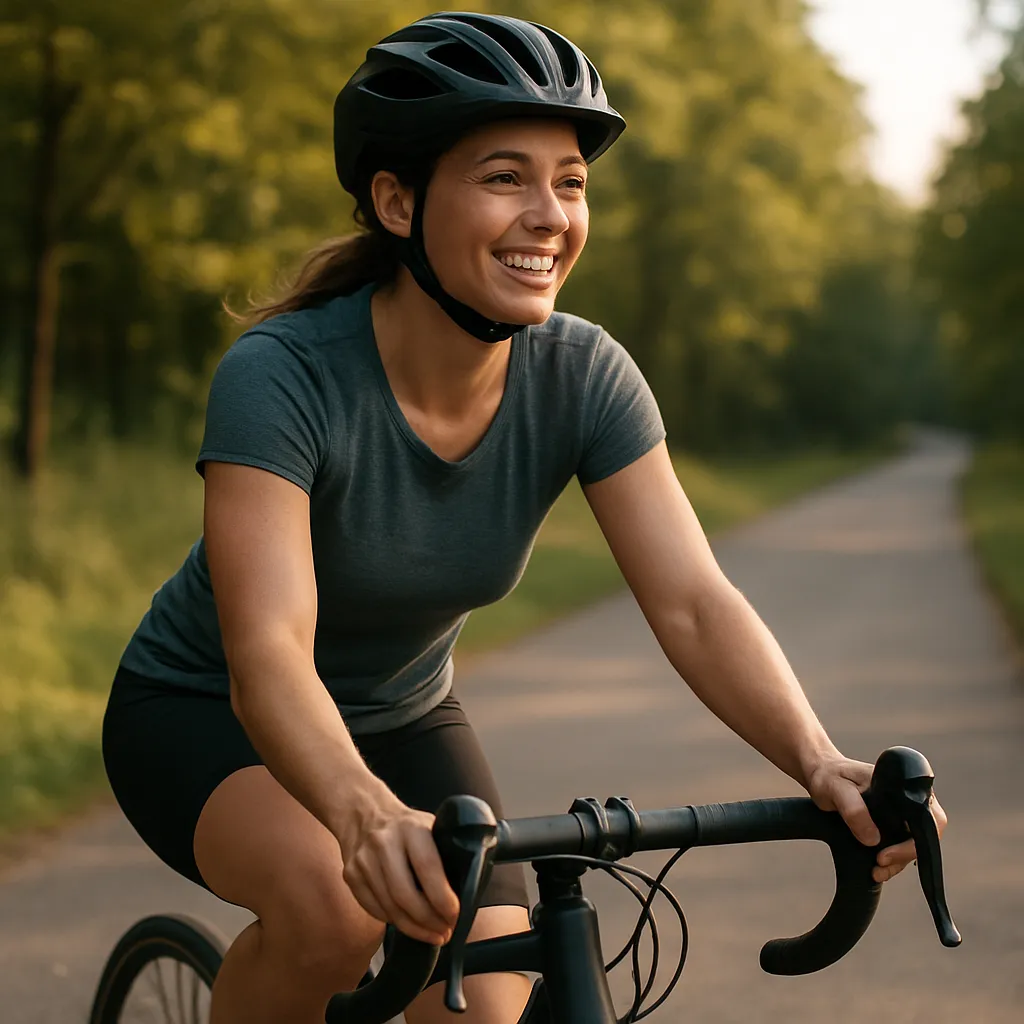
- Wear a vented helmet equipped with advanced airflow channels to dissipate heat away from your head.
On-the-Bike Techniques
Staying ventilated and shaded helps control body heat:
- Loosen your jersey zipper to increase air intake.
- Ride in single-file when possible to benefit from a shaded line under trees.
- Use a handlebar-mounted misting bottle to spray water on your face and arms.
- Take advantage of natural breezes on descents by relaxing your grip and lowering your torso.
Hydration and Nutrition Tips
Proper fluid and electrolyte balance is at the core of preventing dehydration and overheating. Incorporate the following into your routine:
Hydration Plan
- Consume roughly 500–750 ml of cool water per hour of riding, adjusting for sweat rate and temperature.
- Add an electrolyte mix or sports drink containing sodium, potassium, and magnesium to maintain plasma volume.
- Use a dual-bottle cage system: one bottle with plain water and another with an electrolyte solution.
Nutrition for Heat
- Choose carbohydrate sources such as bananas, energy gels, or chews that are easy to digest.
- Include salty snacks like pretzels or electrolyte tablets to encourage fluid retention.
- Schedule small, frequent feedings—every 30–45 minutes—to prevent blood pooling in the stomach and reduce heat buildup.
Gear and Clothing Choices
Your kit can either exacerbate heat stress or help you maintain a comfortable thermal balance. Pay attention to:
- Lightweight, breathable jerseys with moisture-wicking fabrics and laser-cut ventilation.
- Arm coolers or UV-protection sleeves that shield skin from harmful rays while keeping you cool.
- Shorts with laser-cut chamois for airflow and shorts with anti-bacterial properties to prevent chafing and irritation.
- Gloves designed with mesh panels and padded palms that reduce heat accumulation.
- Sunglasses with polarized lenses to reduce glare and protect the eyes from UV damage.
Consider using a water-resistant sunscreen with at least SPF 30 that doesn’t clog pores. Reapply liberally to exposed skin areas every two hours, especially if you sweat heavily.
Planning and Timing Your Rides
Choosing the optimal time and route can dramatically reduce heat exposure:
- Start early in the morning when temperatures are cooler and UV indices are lower.
- Avoid midday rides between 11 AM and 3 PM, when the sun’s rays are most intense.
- Select routes that offer a mix of shaded forest paths, coastal breezes, or river valleys.
- Factor in rest stops at shaded parks or cafés where you can rehydrate and recover.
- Plan for emergency contingencies by carrying a phone, a basic repair kit, and identification.
Always inform a friend or family member of your route and expected return time. In areas with sparse cell coverage, consider carrying a small GPS tracker or personal locator beacon.
Adapting to Heat Through Acclimatization
Building a heat-adaptation plan over 7–10 days can help your body regulate internal temperature more efficiently:
- Gradually increase ride duration and intensity in warm conditions.
- Include one 20–30-minute non-cycling session in heat (e.g., a brisk walk or light jog).
- Monitor your weight before and after training sessions—aim to lose no more than 2% of body weight due to sweat.
- Track your heart rate and perceived exertion to gauge adaptation progress.
During acclimatization, focus on balanced nutrition and increased protein intake to support muscle repair under thermal stress.
Technology and Monitoring Tools
Modern gadgets can provide real-time feedback on your physiological status, helping you make informed adjustments:
- Heart rate monitors to ensure you stay within safe effort zones.
- Power meters that track your output and prevent you from pushing too hard in extreme heat.
- Smart bottles with sensors that remind you to drink at regular intervals.
- Wearable core-temperature monitors that alert you when you approach risky levels.
Sync these devices with your bike computer or smartphone app to log data and analyze trends post-ride.
Recognizing and Responding to Heat-Related Emergencies
Despite all precautions, emergencies can occur. Knowing how to act quickly could save lives:
- If you suspect heat exhaustion, stop riding immediately and move to a shaded area.
- Lie down and elevate your feet slightly to assist blood flow to vital organs.
- Apply cold, wet towels or ice packs to the neck, armpits, and groin.
- Give small sips of cool water mixed with electrolytes; avoid large gulps that can induce vomiting.
- Call emergency services if the rider shows signs of confusion, loss of consciousness, or seizures.
Always carry a basic first-aid kit and familiarize yourself with local emergency numbers when riding in new regions.