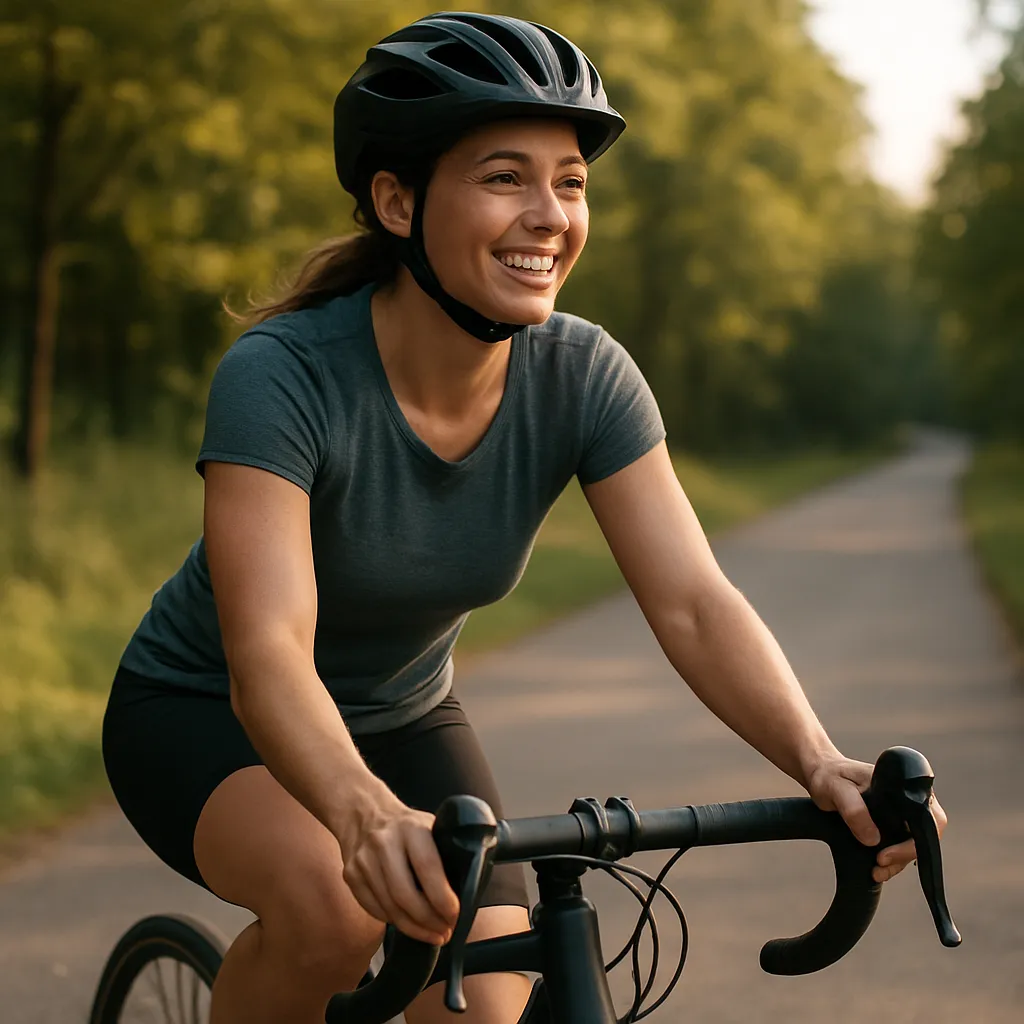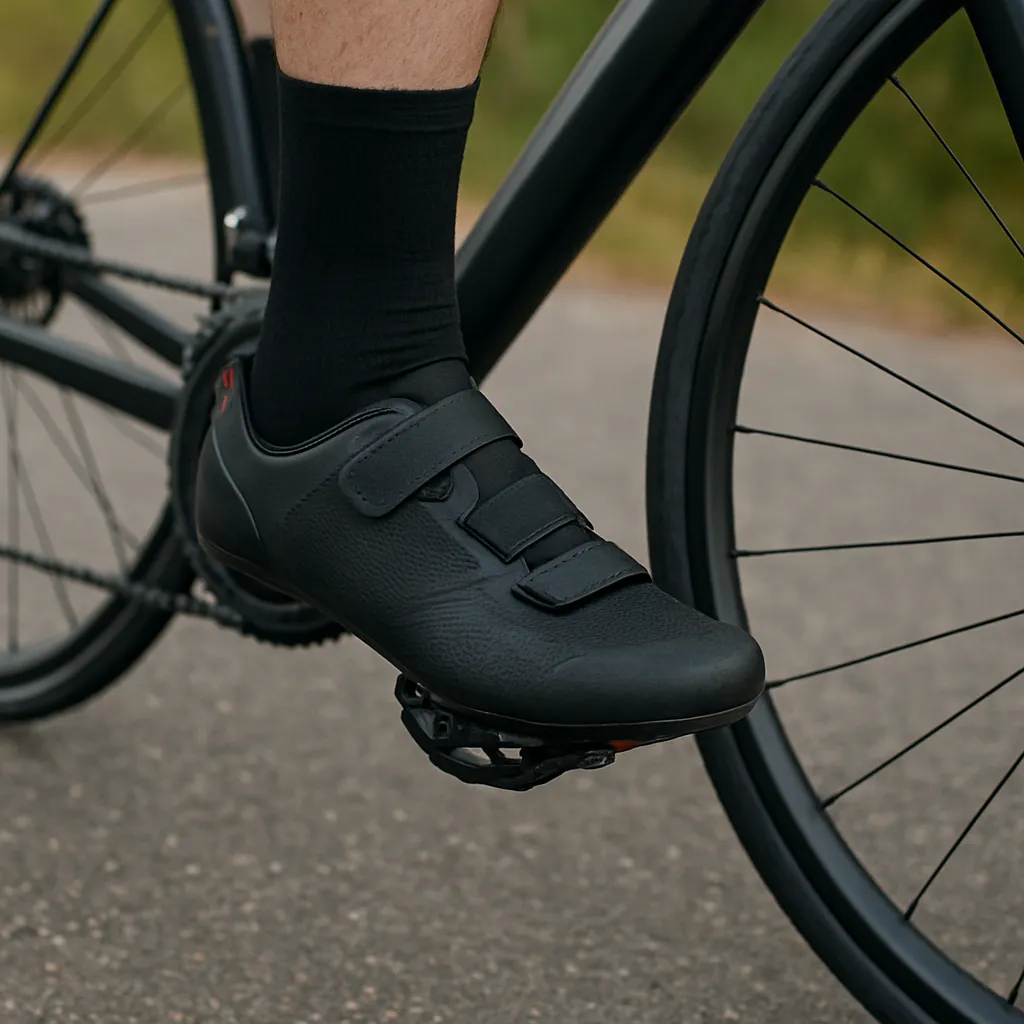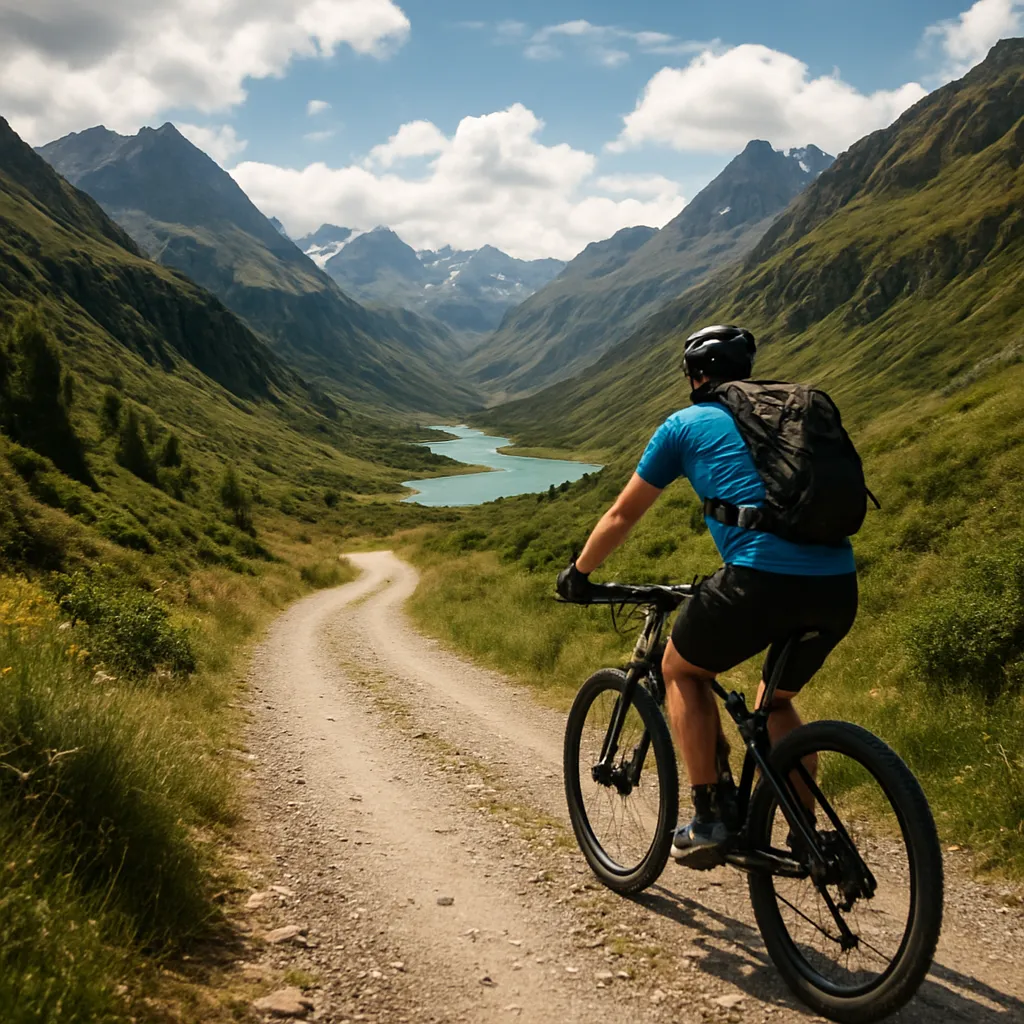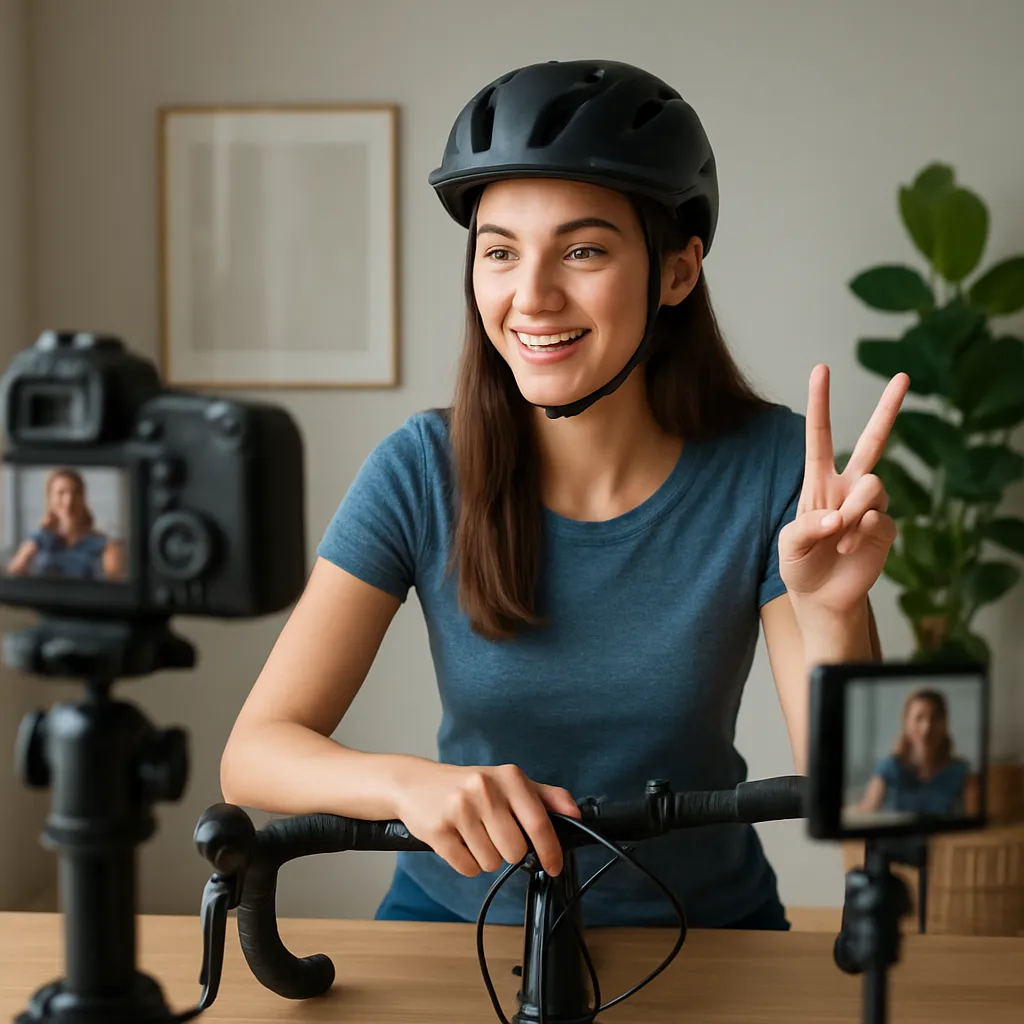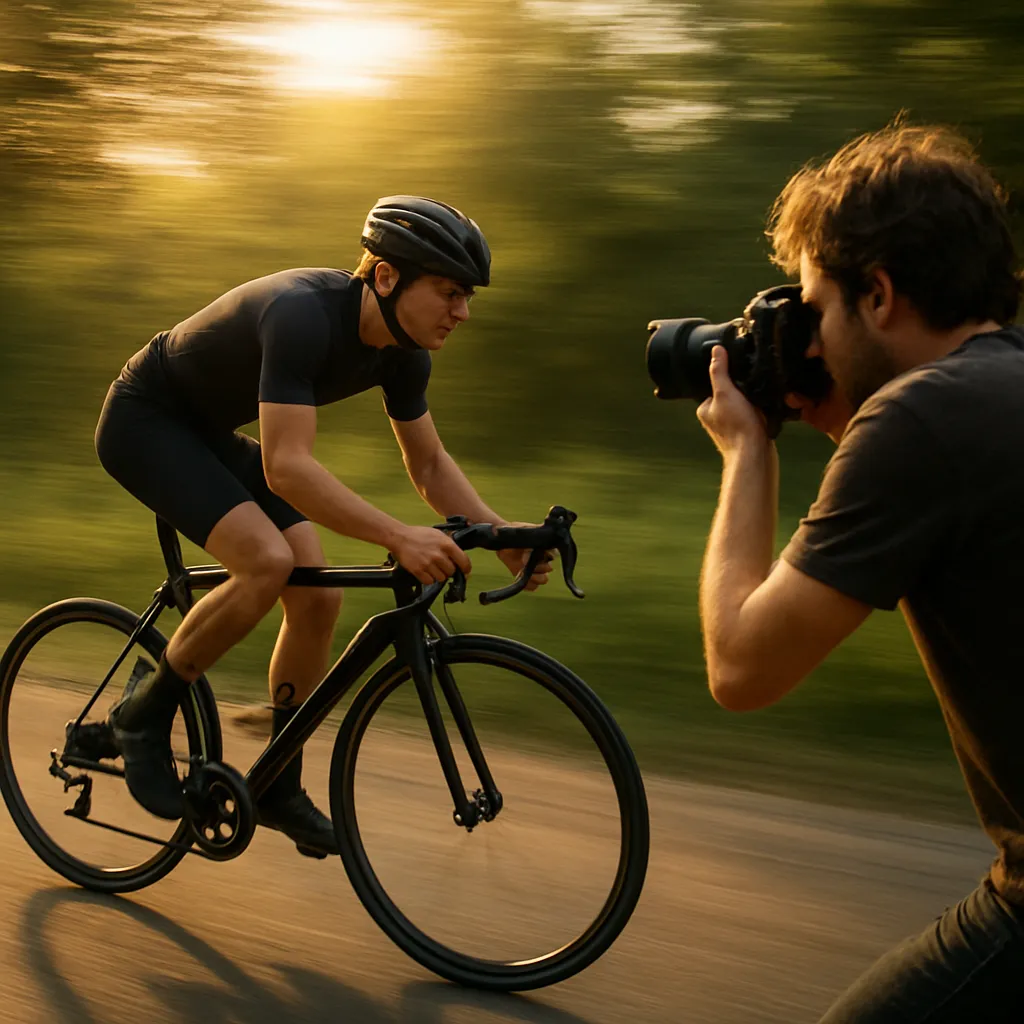
Combining the exhilaration of two wheels with the art of still images creates a unique creative outlet. Whether you’re an avid cyclist seeking to document epic trails or a photographer eager to explore dynamic perspectives, capturing the energy of movement demands both preparation and inspiration. This article delves into essential gear, proven techniques, and planning strategies to help you immortalize the spirit of motion on a bicycle. Embrace the journey and discover how the interplay of light, landscape, and wheels can elevate your photographic storytelling.
Gear Essentials for Cycling Photography
Investing in the right equipment ensures you can seize fleeting moments without weighing down your ride. Comfort, durability, and versatility should guide every purchase. Below is a breakdown of must-have items:
- Camera: A mirrorless model offers a lightweight profile and rapid autofocus, perfect for capturing quick bursts on the go.
- Lens: A zoom lens (24–70mm) covers wide-angle landscapes and moderate telephoto shots, while a fixed prime (35mm or 50mm) excels in low-light or portrait-style images.
- Tripod: A compact carbon-fiber tripod folds easily into a pannier or backpack, providing a stable platform for longer exposures.
- Protective Gear: Waterproof camera bags and lens wraps safeguard your equipment from dust, mud, and sudden rainstorms.
- Extra batteries and memory cards: Always carry spares to avoid missing the perfect shot.
In addition to these core elements, consider accessories like lens filters to control glare or introduce creative color shifts. A small cleaning kit will help you maintain clear optics even after a muddy ride.
Techniques for Capturing Motion
Conveying speed and fluidity in your images hinges on mastering camera settings and compositional approaches. Experimentation unlocks fresh creative possibilities.
Shutter Speed and Motion Blur
- Fast shutter (1/1000s and above): Freeze spokes in mid-spin, emphasizing crisp detail.
- Slow shutter (1/30s to 1/2s): Introduce motion blur for dynamic trails of color, underscoring velocity.
- Panning: Track your subject’s movement while using a slower shutter to blur the background but keep the rider sharp.
Aperture and Focus
- Wide aperture (f/1.8–f/2.8): Isolate the cyclist by softening the background, perfect for portraits or gear details.
- Mid-range aperture (f/5.6–f/8): Balance depth of field and sharpness for general action shots along winding roads.
Live view or back-button focus can help maintain consistent subject tracking during fast-paced scenes. Adjusting your ISO carefully ensures proper exposure while avoiding excessive noise.
Planning Scenic Rides and Photo Routes
Great photos often stem from thoughtful preparation. Research routes that offer varied terrain, stunning vistas, and points of interest to diversify your portfolio.
Mapping and Timing
- Select roads or trails with sweeping curves, rolling hills, or dramatic cliffs to add contextual drama.
- Scout sunrise or sunset windows to leverage golden-hour lighting. Early mornings also reduce traffic and crowds.
- Use mapping apps that display elevation profiles, trail difficulty, and nearby amenities for optimum planning.
Consider local events such as cycling races or group rides to capture the communal spirit of the sport. Communicate with ride organizers ahead of time to secure safe vantage points and permissions.
Environmental Awareness
- Respect private property and protected lands. Stick to established paths and read trail regulations thoroughly.
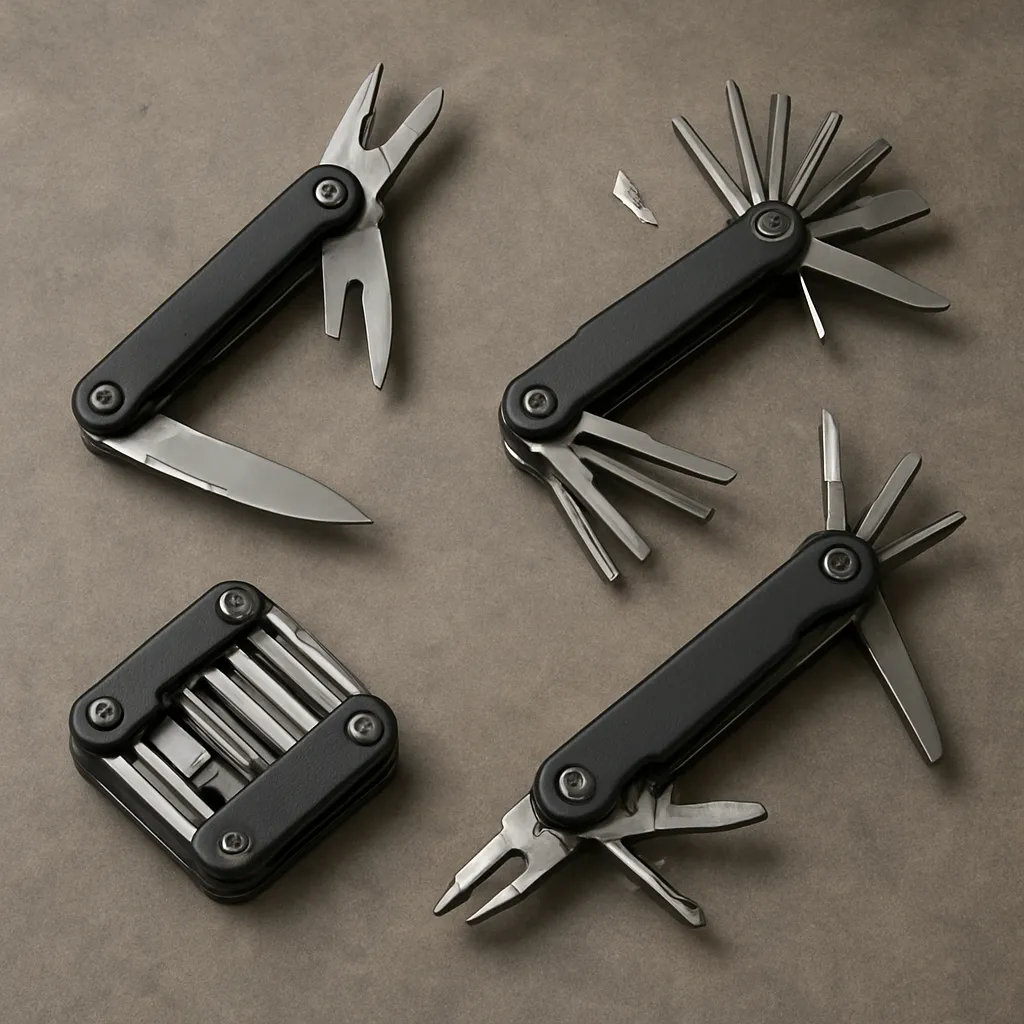
- Pack essentials: hydration packs, energy bars, multi-tool, patch kit, and first-aid supplies ensure you stay safe during extended shoots.
Editing and Sharing Your Images
Post-processing can transform a good shot into a captivating narrative. Embrace editing tools that refine exposure, contrast, and color balance while preserving the authenticity of your ride.
Raw vs. JPEG
- Raw files retain maximum sensor data, offering greater flexibility for adjustments in highlights and shadows.
- JPEGs save space and simplify a quick social-media workflow but limit the range of corrections possible.
Key Editing Steps
- Correct lens distortion and straighten horizons for professional alignment.
- Enhance clarity and midtone contrast to bring out details in apparel, wheels, and terrain.
- Apply selective sharpening on the subject while subtly blurring backgrounds to reinforce depth.
Once refined, curate your images on platforms or personal blogs using concise captions that share the story behind each ride. Engaging with fellow cyclists and photographers online fosters community and inspires collaborative projects.
Advanced Tips for Elevating Your Craft
As you grow more comfortable balancing pedals and viewfinders, consider these advanced strategies to deepen your artistry:
- Incorporate journey narratives by pairing time-lapse videos with still images, highlighting route milestones and changing landscapes.
- Experiment with creative attachments like handlebar mounts or helmet cams for unique first-person angles.
- Partner with local cycling clubs or events to access professional pelotons and high-adrenaline race environments.
- Create a themed portfolio around a challenge: overnight adventures, coastal tours, or urban explorations.
Above all, maintain a spirit of curiosity and persistence. The synergy between two wheels and a camera opens endless pathways to document motion, mood, and memory. Embrace each pedal stroke as an opportunity to freeze a fleeting moment in time.