Cyclists seeking to elevate their riding experience know that efficient recovery is just as crucial as the miles logged on the road or trail. Balancing intense training sessions with proper regeneration techniques accelerates adaptation, reduces injury risk, and sustains long-term performance. This article explores proven methods to bounce back between rides, covering preparation, recovery routines, nutritional strategies, and rest modalities tailored for riders of every level.
Pre-Ride Preparation for Faster Recovery
Optimizing recovery starts before you clip in. A thorough pre-ride routine primes your muscles, joints, and cardiovascular system to handle the upcoming load and accelerates regeneration later on.
Warm-Up Protocol
- Begin with 5–10 minutes of easy spinning to boost blood flow and joint mobility.
- Incorporate dynamic stretching exercises—leg swings, hip openers, and shoulder rolls—to awaken key muscle groups.
- Execute brief high-cadence efforts (20–30 seconds) to recruit fast-twitch fibers without accumulating fatigue.
Equipment Check and Bike Fit
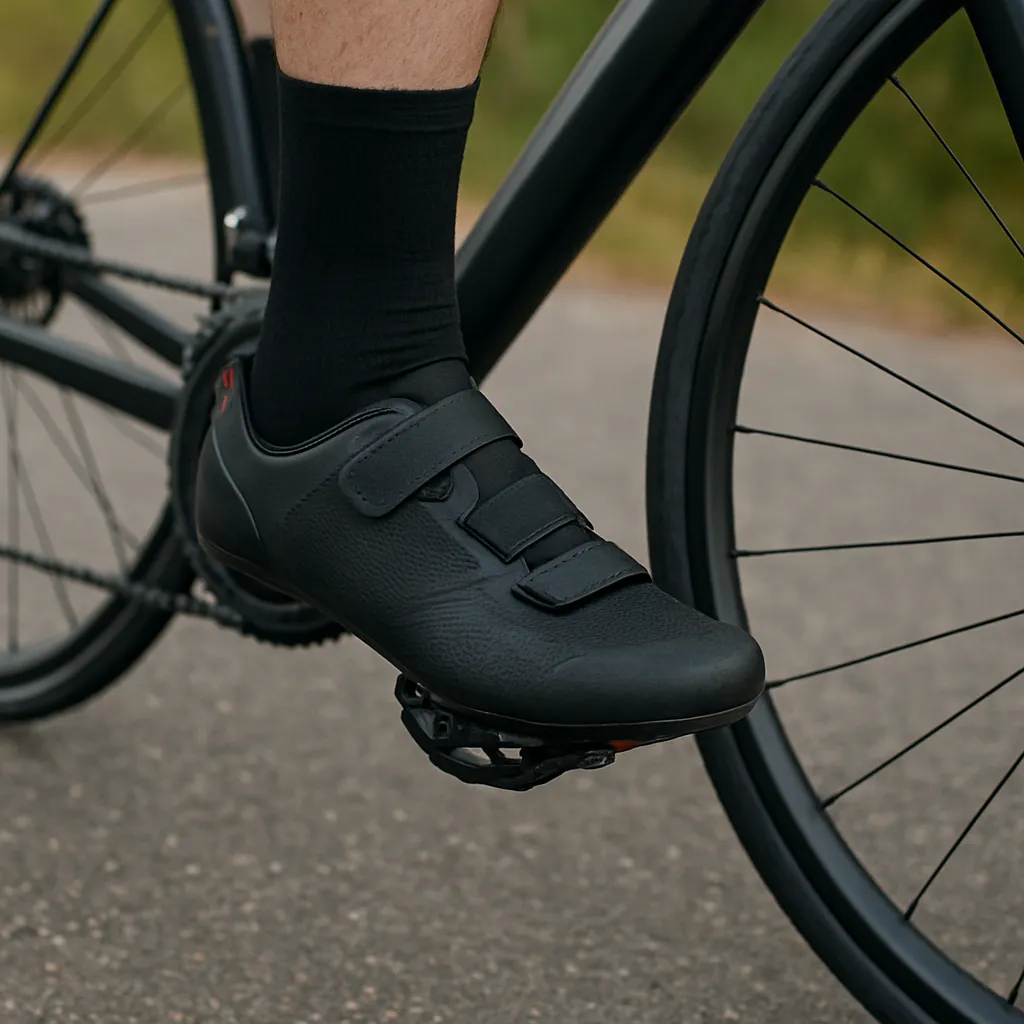
Ensuring your bike fit is optimized reduces undue stress on soft tissues and joints, leading to fewer aches post-ride. Verify saddle height, handlebar reach, and cleat alignment before setting out.
Mental Readiness
A brief visualization exercise or mindfulness practice clears mental clutter, letting you focus fully. This mental warm-up can enhance neuromuscular coordination, speeding up both the ride and subsequent recovery.
Post-Ride Recovery Strategies
Once you finish pedaling, swift implementation of recovery tactics can mitigate muscle soreness and inflammation. Consistency here is key to sustaining training volume and intensity.
Cool-Down Ride
- Dedicate 5–10 minutes to low-intensity spinning—this flushes out metabolic by-products and initiates circulation.
- Follow with gentle off-bike mobility drills for the hips, knees, and ankles.
Foam Rolling and Myofascial Release
Using a quality roller on the quads, hamstrings, calves, and IT bands helps release tight fascia, reducing soreness. Target each muscle group for 30–60 seconds, moving slowly and breathing deeply to maximize tension relief.
Contrast Therapy
Alternating between warm and cold water immersion—2 minutes in 38–40°C water, followed by 1 minute in 10–15°C—stimulates blood vessel dilation and constriction, promoting nutrient delivery and metabolic waste removal.
Nutrition and Hydration Essentials
Fueling your body appropriately around rides is fundamental to rapid restoration of glycogen stores, repair of microtears, and overall performance adaptation.
Post-Ride Nutrition Timing
- Consume a 3:1 carbohydrate-to-protein ratio within 30 minutes—options include a sports drink with whey powder, chocolate milk, or a balanced recovery bar.
- Aim for 1.0–1.2 g/kg of carbohydrates and 0.3 g/kg of high-quality protein to optimize glycogen resynthesis and muscle protein synthesis.
Quality Food Choices
Whole-food sources like sweet potatoes, quinoa, lean meats, eggs, and legumes deliver essential micronutrients. Incorporate colorful fruits and vegetables to provide antioxidants and phytonutrients that combat oxidative stress.
Optimizing Hydration
Maintaining hydration is paramount for cellular function and thermoregulation. Weigh yourself before and after long rides to gauge fluid losses. Recover each kilogram lost with approximately 1.2 liters of electrolyte-rich fluids containing sodium, potassium, magnesium, and calcium.
Supplements
- Supplements such as branched-chain amino acids (BCAAs) and tart cherry extract may reduce exercise-induced muscle damage.
- Omega-3 fatty acids exhibit anti-inflammatory properties that can attenuate post-ride soreness.
- Electrolyte powders or capsules help restore mineral balance, especially after hot-weather rides or significant sweat losses.
Sleep and Active Rest Techniques
Between rides, your body leverages downtime to rebuild and strengthen tissues. Integrating proper rest strategies maximizes nutrition and training adaptations.
Sleep Hygiene
- Target 7–9 hours of uninterrupted sleep nightly. Quality sleep enhances growth hormone release and cellular repair.
- Establish a consistent bedtime routine: dim lights, avoid screens, and relax with light reading or meditation.
Active Rest Days
On non-training days, low-intensity activities—walking, yoga, easy swimming—promote gentle blood flow and maintain joint fluidity. This form of active rest supports recovery without adding significant stress.
Compression and Massage
Wearing compression garments post-ride can reduce edema and improve venous return. Professional or self-administered massage stimulates circulation, eases muscle tension, and accelerates the removal of metabolic by-products.
Monitoring and Adjusting Load
Use a training diary or digital platform to track subjective metrics: energy levels, sleep quality, muscle soreness, and mood. Adjust ride intensity or volume based on these indicators to prevent overtraining and sustain consistent performance gains.