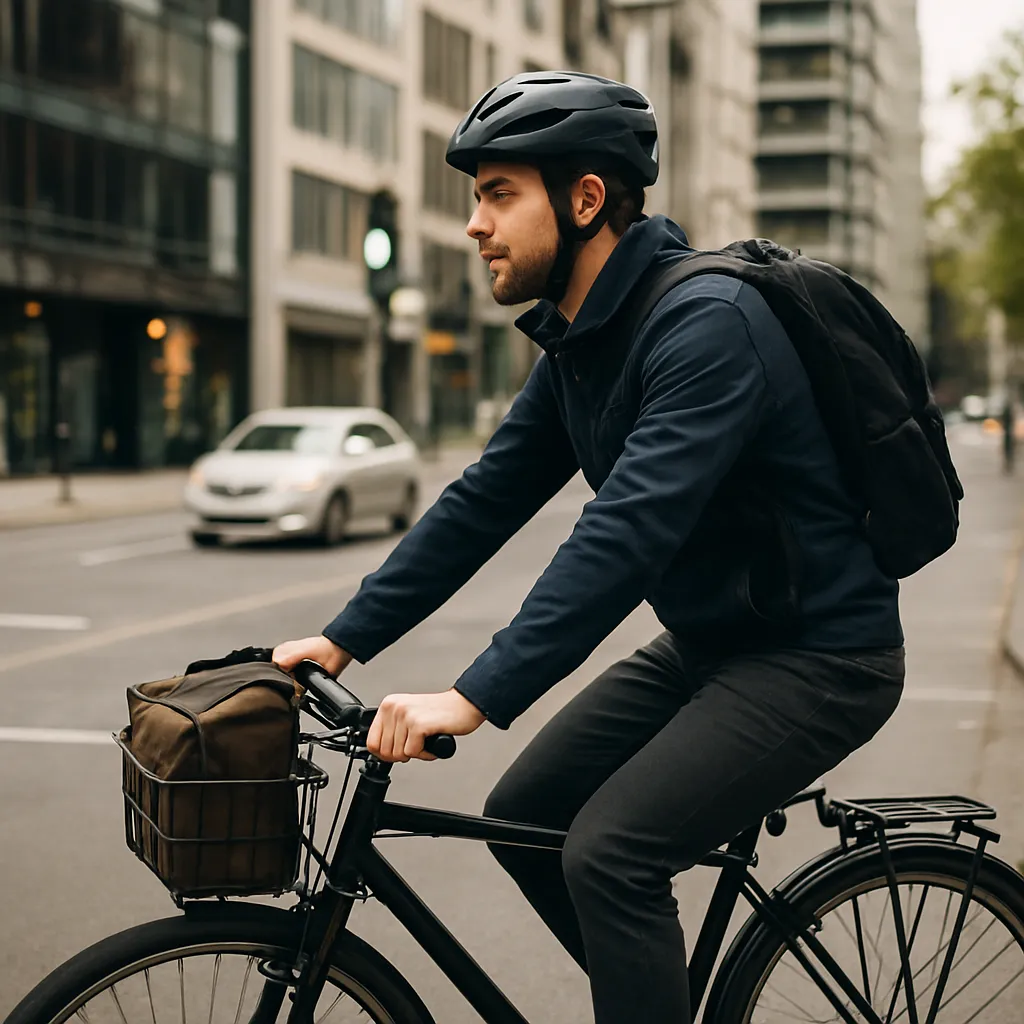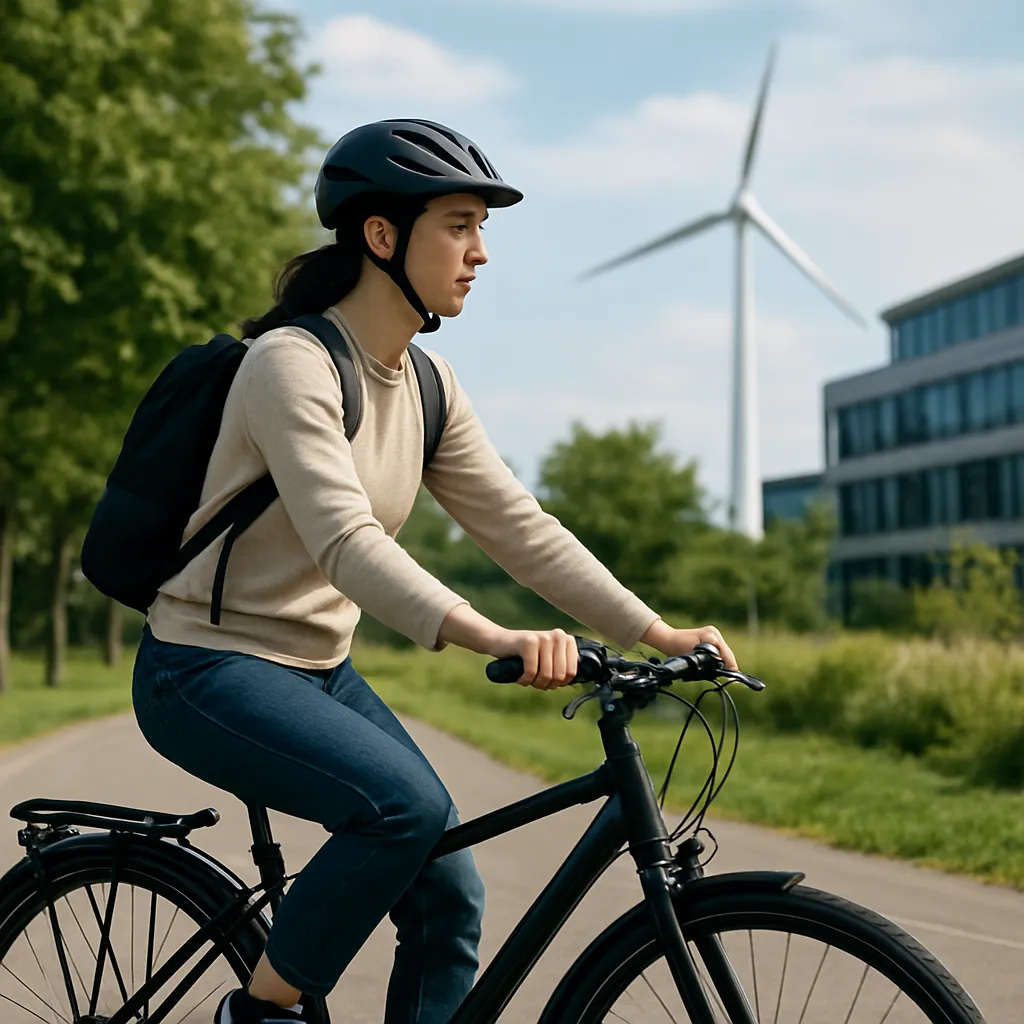
As cities strive to balance growth with environmental responsibility, bicycles emerge as a beacon of hope. This article explores how the cycling world is undergoing a transformative journey driven by cutting-edge technology, evolving urban policies, and a collective push toward sustainability. By examining the latest advancements, the role of infrastructure, and the broader societal impacts, readers will gain insight into how two wheels can reshape the future of transport.
Technological Innovations Redefining the Bicycle
The bicycle of today hardly resembles the simple steel frame and chain-driven wheel of a century ago. From light-weight carbon composites to smart sensors, manufacturers and startups alike are investing in groundbreaking innovation to elevate the riding experience. Several key developments are steering this revolution:
- Electric Assist Systems: Mid-drive motors and hub motors now offer seamless pedal assist, transforming challenging ascents into effortless climbs. These systems can adjust torque output in real time by analyzing rider input, gradient, and speed.
- Smart Connectivity: Pairing with smartphone apps via Bluetooth or ANT+ allows cyclists to monitor performance metrics, map routes, and even receive remote firmware updates. GPS tracking also enhances safety by offering crash-detection features.
- Advanced Materials: High-strength carbon fiber blends, titanium alloys, and graphene-infused composites reduce weight while maintaining rigidity. Frames achieve sub-10-pound benchmarks without compromising durability.
- Regenerative Braking: Borrowed from electric vehicles, this concept converts kinetic energy into battery charge during deceleration—an exciting step toward energy-efficient cycles.
Modular Upgrades and Aftermarket Trends
Rather than discarding a perfectly good frame, riders are embracing modular solutions. Swappable components—such as drop-in power packs, clip-on carrying racks, and quick-release lighting—enhance adaptability without demanding a complete overhaul. Online communities share open-source designs for 3D-printed parts, lowering barriers to customization.
Integrating Cycling into Urban Mobility Ecosystems
Reliable infrastructure is the backbone of any transportation mode, and cycling is no exception. Progressive cities are recognizing that properly designed bike lanes and parking solutions not only reduce traffic congestion but also contribute to economic vitality. Five essential strategies stand out:
- Protected Bike Lanes: Physically separated lanes safeguard cyclists from motorized traffic, encouraging even novice riders to take to the streets.
- Bike Highways: Extended corridors linking suburbs with city centers allow commuters to traverse long distances swiftly, often featuring priority traffic signals and smooth pavement.
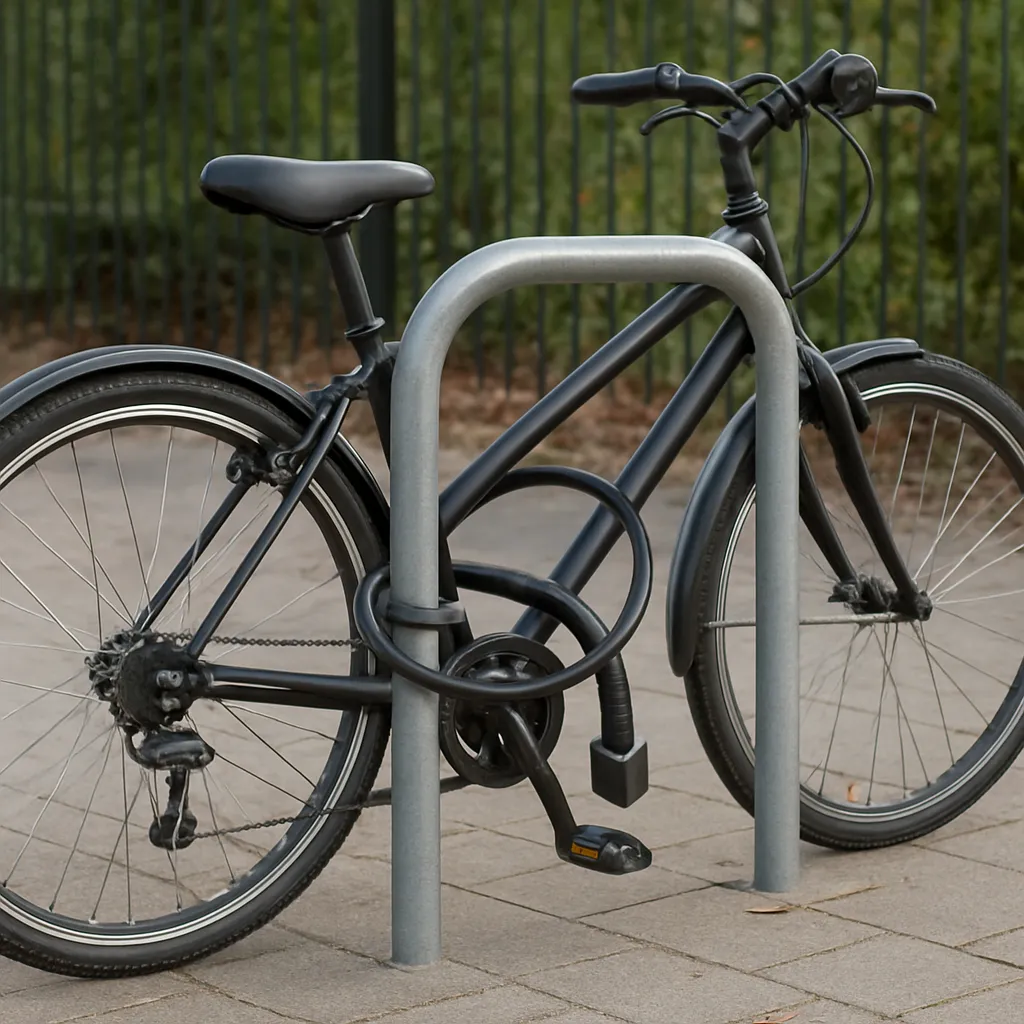
- Secure Parking Hubs: Weatherproof, monitored bike garages near transit stations incentivize multi-modal commutes by keeping bicycles safe and accessible.
- Shared Mobility Programs: Public bike-share systems, dockless bikes, and e-scooters integrate payment platforms, making it easy to switch between transport modes in a single journey.
- Wayfinding and Signage: Clear, consistent markings—in some cases using colorful paint schemes—guide riders along optimal routes and alert motorists to cyclist presence.
These enhancements foster a culture of mobility that extends beyond mere recreation. Companies are now launching corporate bike-commute subsidies, while universities install cycling amenities on campus. By embedding bicycle networks into urban planning, municipalities can achieve lower emissions and more livable streetscapes.
Environmental and Social Impact of Cycling Growth
Cycling offers an array of environmental benefits, from reducing carbon output to mitigating noise pollution. A fully electric fleet might power delivery services in dense districts, while cargo bikes handle last-mile logistics without choking the air with exhaust. Studies reveal that if just 15% of car trips under 5 kilometers shifted to bicycles, annual CO2 emissions could dip by millions of tons globally.
On the social front, active transport enhances public health by combating sedentary lifestyles. Regular cycling reduces risks of cardiovascular disease, obesity, and stress. Neighborhoods with vibrant cycling cultures often report stronger social cohesion: cyclists greet one another on greenways, exchange route tips, and jointly advocate for safer streets. This community engagement spurs local policymakers to prioritize further enhancements.
Addressing Equity and Accessibility
However, the benefits of cycling must be shared equitably. Low-income areas frequently suffer from inadequate bike lanes and limited access to affordable bicycles. Nonprofit organizations are stepping in with donation drives, repair workshops, and rental discounts to bridge the gap. By focusing on resilience in underserved neighborhoods—ensuring repair shops, pump stations, and secure storage are easily found—cities can foster inclusive participation.
Embracing Future Trends and Policy Frameworks
Moving forward, successful integration of cycling hinges on bold policy and strategic investment. Governments and stakeholders should consider the following initiatives:
- Carbon Credits for Bike Travel: Reward commuters who log miles on their bicycles with tradable credits, incentivizing environmental stewardship.
- Tax Breaks and Purchase Subsidies: Make high-end e-bikes and adaptive cycles more attainable, reducing the initial cost barrier for families and seniors.
- Data-Driven Planning: Leverage anonymized GPS data to identify high-demand corridors and optimize lane placement, signal timing, and maintenance schedules.
- Public-Private Partnerships: Collaborate with tech companies to deploy smart traffic management systems that prioritize bicycles at intersections during peak hours.
- Education Campaigns: Offer free safety workshops and school programs to instill cycling best practices from a young age, creating lifelong habits.
Looking ahead, the synergy between infrastructure investment, innovative connectivity solutions, and enlightened policymaking can propel cycling from niche pastime to mainstream pillar of urban life. By championing these trends, societies can unlock cleaner air, healthier citizens, and more vibrant streets—proving that the humble bicycle is a powerful agent of positive transformation.