Urban life often demands quick, reliable, and eco-friendly ways to navigate crowded streets. Bicycles offer a perfect blend of mobility and cost savings, but mastering the art of city riding involves more than just pedaling. This guide dives into practical cycling hacks designed specifically for urban commuters seeking to boost efficiency, safety, and overall enjoyment on two wheels.
Optimizing Your Bike Setup for the City
Creating a commuter-ready bicycle starts with choosing the right components and arranging them for peak performance. Small tweaks can make a major difference in daily rides.
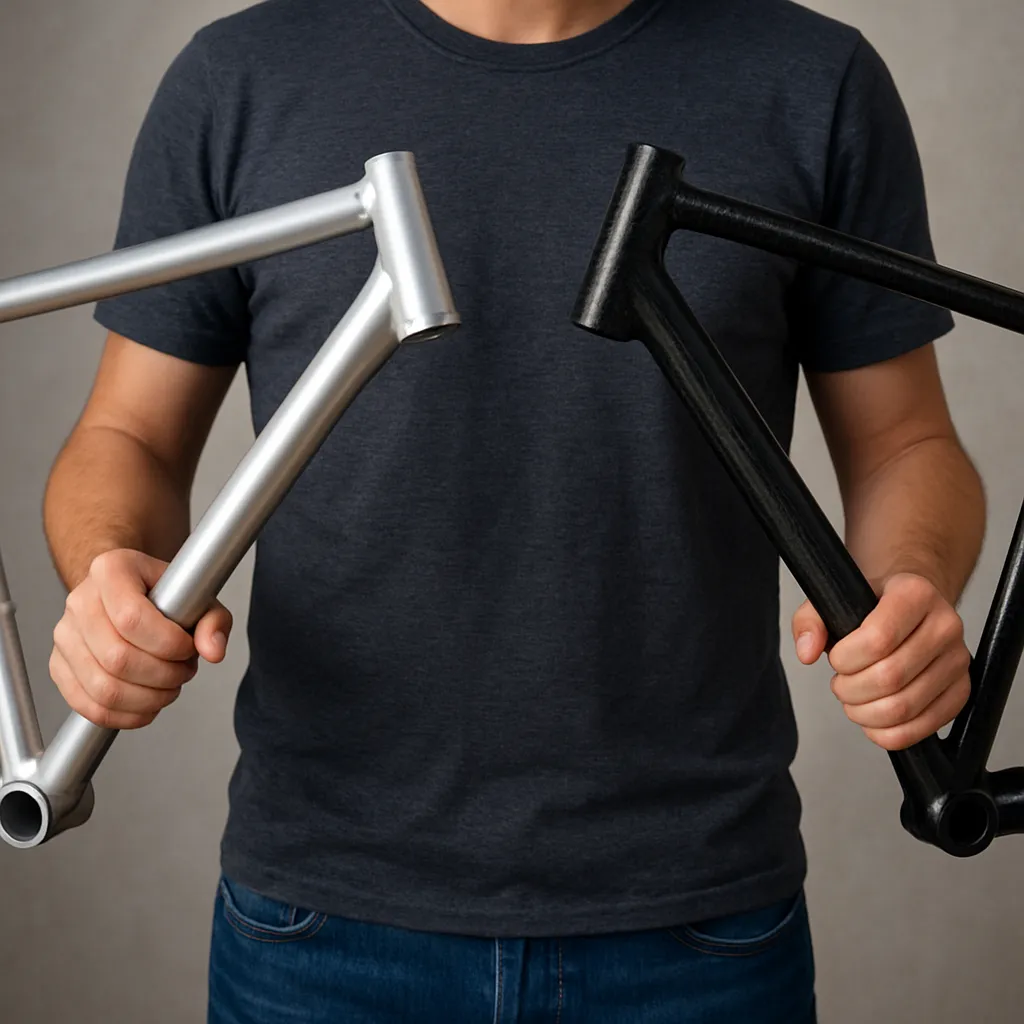
- Lightweight accessories: Swap heavy panniers for waterproof, roll-top saddle bags that peel off quickly when needed. Choose aluminum or carbon components to shave grams without sacrificing strength.
- Quick-release levers: Install a quick-release skewers on your wheels and seat post. These allow you to remove wheels in seconds—perfect for stashing your bike indoors or swapping tires on the go.
- Durable tires: Urban roads are notorious for glass shards and potholes. Opt for puncture-resistant, reflective sidewall tires rated for durability. Look for 28–32 mm width to balance speed and comfort.
- Ergonomic grips and saddle: Custom grips can alleviate hand fatigue and numbness on longer commutes. Coupled with a well-padded saddle that supports your sit bones, you’ll enjoy smoother rides and better performance.
- Integrated lighting mounts: Many modern frames feature built-in mounting points for front and rear lights. Secure your lights without bulky brackets, ensuring they stay aligned for maximum visibility.
Smart Navigation and Route Planning
Efficient route selection can shave minutes off your commute and minimize stress. Use technology and local knowledge to map the safest, fastest paths.
Leverage Cycling Apps
- Specialized bike navigation apps often suggest quiet side streets, dedicated bike lanes, and paths through parks. They also provide real-time traffic alerts and surface quality data.
- Offline map downloads ensure you never lose guidance when cellular signals drop in underpasses or tunnels.
Time-of-Day Considerations
Rush hour isn’t just a car problem. Crowded intersections and stop-and-go traffic can slow you down. Experiment with departure times to catch a break before peak congestion. Early birds often find cleaner air and nearly empty lanes.
Alternative Routes and Shortcuts
- Alleyways and pedestrian paths: Many cities allow bicycles in pedestrian zones—just yield to foot traffic and maintain low speeds.
- Greenways and canal paths: Even a slight detour onto off-street trails can bring restful scenery and uninterrupted riding stretches.
- Public transport synergy: Some metros and buses allow bike folding or have bike racks. Combining a short train ride with cycling can bypass roadblocks and extend your actionable radius.
Essential Gear and Maintenance Tips
Beyond your bike itself, investing in thoughtful gear and developing a simple maintenance routine keeps you on the road with minimal hiccups.
- Multi-tool kit: A compact set with Allen keys, screwdrivers, and chain tool sits easily in a jersey pocket. Use it for on-the-fly adjustments.
- Portable pump or CO₂ inflator: Flat tires happen. A mini-pump stashed under your saddle or in a backpack ensures you’re never stranded.
- Chain lube and cleaning wipes: A dry, noisy chain saps your energy and shortens component life. A quick wipe and a drop of lubricant every few rides maintain smooth shifting.
- Reflective vest and bands: Throw these on in low-light conditions for instant visibility. They fold into tiny packages and can be over your regular commuter jacket.
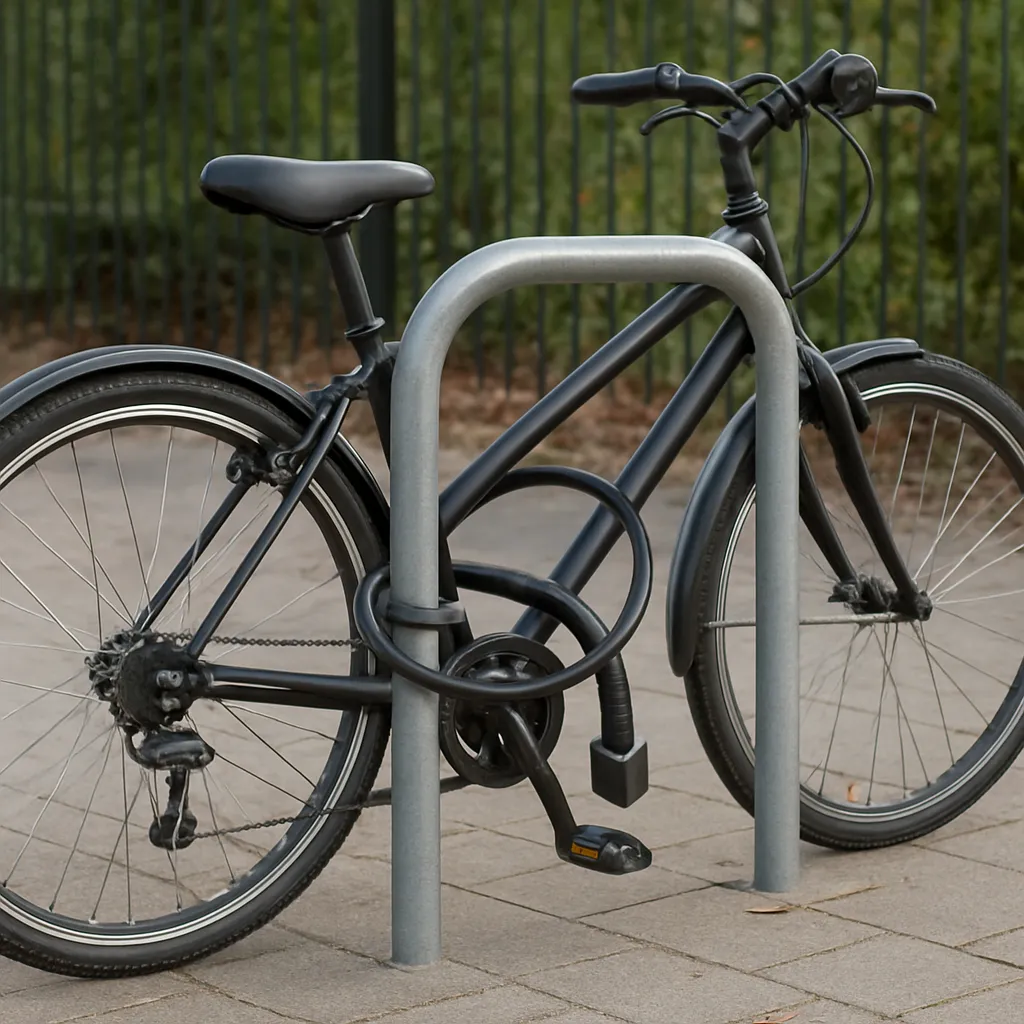
- Foldable lock: Heavy U-locks are secure but cumbersome. A high-grade, foldable steel lock provides strong protection without blowing out your bag’s weight budget.
- Waterproof phone case with mount: Stay connected for navigation and communication. A touchscreen-friendly sleeve keeps your device safe from showers and splashes.
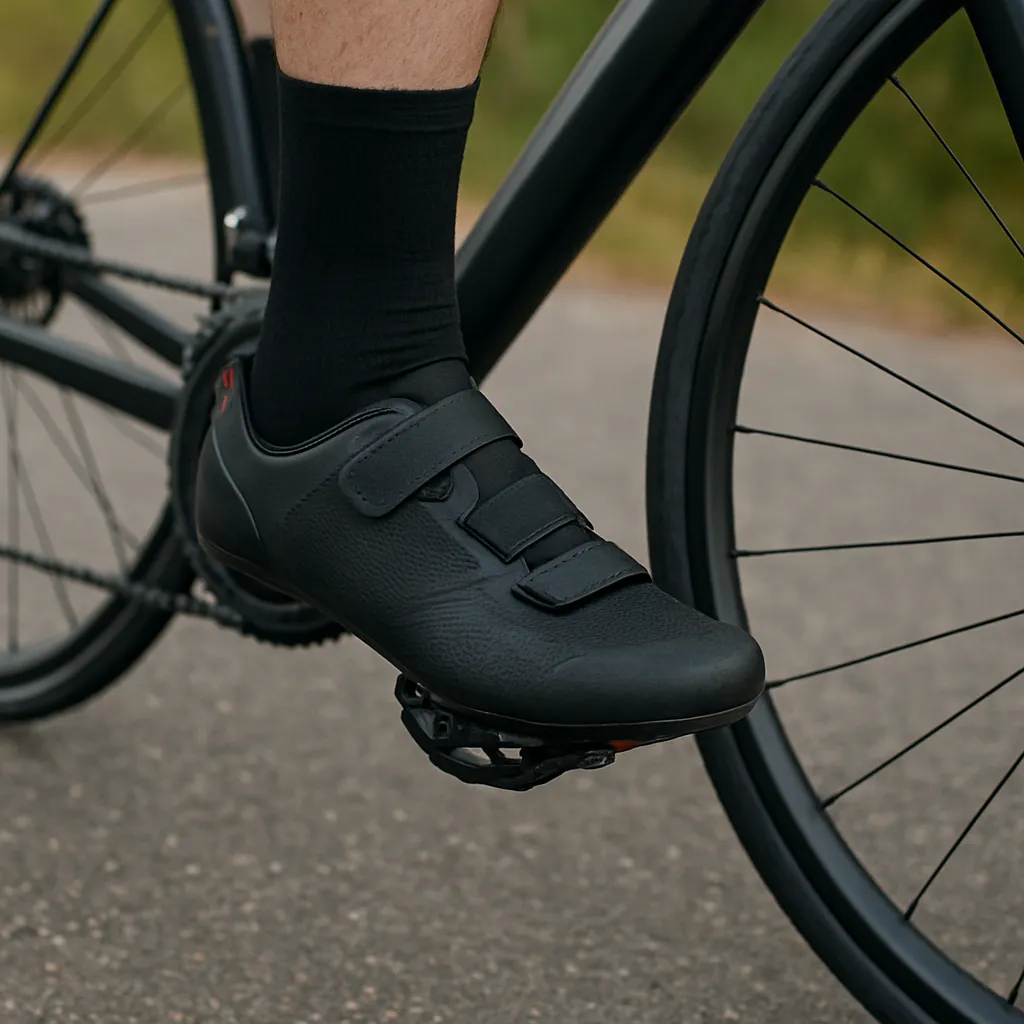
- High-traction pedals or toe clips: Prevent foot slippage—especially in wet weather. They improve power transfer and help maintain consistent cadence.
Staying Safe and Visible on Busy Streets
Urban cycling brings inherent risks. Prioritize precautions that enhance your presence on the road and reduce accident likelihood.
- Positioning: Ride at least one meter from parked cars to avoid sudden door openings. In narrow lanes, take the full lane—this asserts your right to space and prevents risky overtakes.
- Eye contact: Always attempt to catch drivers’ eyes at intersections. A nod or wave confirms mutual awareness.
- Hand signals: Use clear, decisive arm movements for turning and stopping. In heavy traffic, signal earlier than usual to give motorists adequate reaction time.
- Audible alerts: A crisp bell or compact horn warns pedestrians and cyclists. Reserve your voice for urgent, polite calls—“on your left” works wonders in crowded paths.
- High-visibility color palette: Clothing in neon or pastel hues stands out in peripheral vision. Reflective helmet stickers are a subtle but effective layer of safety.
- Night riding essentials: Equip both front and rear lights delivering at least 200 lumens on the front and 50 lumens on the rear. Flash modes draw extra attention when idling at lights.
Advanced Tricks for Maximizing Commuter Experience
Once the basics are covered, these advanced strategies elevate your daily rides to near-professional levels.
- Modular cargo systems: Magnetic or clip-in pannier rails let you snap on shopping bags, work totes, or extra bottles in seconds.
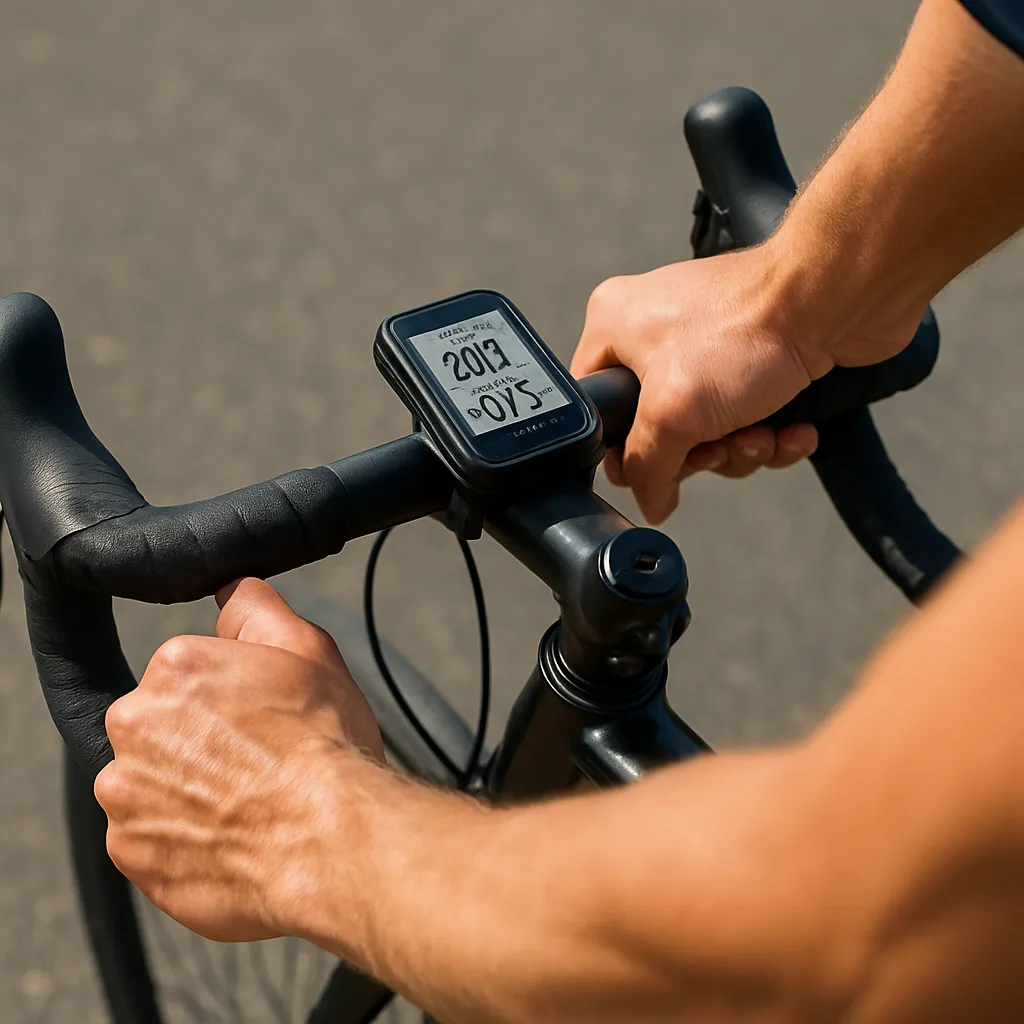
- Power meters and cadence sensors: Monitoring your output helps you optimize effort—ideal for those balancing time constraints with workout goals. Track data via smart devices to adjust training loads and improve over weeks.
- Integrated fender hacks: Slip-on mudguard flaps provide extra tire coverage. Position them yourself to eliminate spray from the back wheel entirely.
- DIY handlebar gadget mounts: Use 3D-printed adapters to unify lights, phone holders, and action cameras on a single clamp, keeping the cockpit tidy.
- Custom gearing: If your commute includes steep hills, consider a wide-range cassette or a compact double crankset. Easy climbing preserves energy for the rest of your ride.
- Adaptive training: Turner and interval sessions during warm-up ride segments sharpen your cardiovascular system. Incorporate brief sprints at lights to simulate real-world accelerations.
- Crowd-sourced maintenance: Join local cycling groups or apps where members recommend trustworthy mechanics. Some shops offer quick “bike spa” services—lubing, brake checks, and safety inspections—all in under ten minutes.
Maintaining a Sustainable Commuter Mindset
Beyond mechanical and tactical planning, a resilient attitude shapes a lifelong cycling habit. Embrace small goals—riding without motor assistance, beating a personal best, or taking a new scenic route. Celebrate each dry-day ride and view rainy commutes as opportunities to test your gear and grit. Reflect on reduced carbon footprint and improved health metrics; these intangible rewards will keep you pedaling through any urban challenge, day after day.