Keeping a bicycle in peak condition requires a blend of regular care, the right tools, and an understanding of how each part contributes to overall performance and longevity. Whether you’re a casual rider or an avid cyclist, dedicating time to proper upkeep ensures smoother rides, reduced repair costs, and enhanced safety. This guide explores proven techniques to make your bike last longer by focusing on maintenance routines, lubrication strategies, component inspections, and smart riding habits.
Essential Maintenance Practices
Building a Routine
Developing a consistent maintenance schedule is the foundation of a durable bicycle. Aim for a quick inspection before and after every ride, complemented by a more thorough check every few weeks. This approach helps you spot emerging issues early, preventing small problems from escalating.
Tire Pressure and Condition
- Check tire pressure with a reliable gauge. Underinflated tires increase rolling resistance and stress wheel rims, while overinflation can lead to blowouts.
- Inspect tread and sidewalls for cuts, bulges, or embedded debris. Replace worn tires promptly to avoid flats.
Brake System Evaluation
- Examine brake pads for wear indicators. Thin or unevenly worn pads reduce stopping power and can damage your rims or rotors.
- Test lever feel—spongy or stiff pulls suggest air in hydraulic lines or cables needing adjustment.
- Tighten caliper mounting bolts to the proper torque as specified by the manufacturer, ensuring consistent braking performance.
Wheel and Spoke Alignment
Spin each wheel to check for wobbles or hops. Minor deviations can be trued using a spoke wrench, but significant misalignments may require professional attention. Properly tensioned spokes distribute forces evenly, preventing rim cracks and ensuring stable handling.
Optimizing Cleaning and Lubrication
Removing Contaminants
Regular cleaning removes grit and contaminants that cause premature wear. Select a mild detergent or dedicated bike wash solution, and follow these steps:
- Rinse the frame gently with low-pressure water to avoid forcing debris into bearings.
- Scrub surfaces with a soft brush, giving special attention to the chain, derailleurs, and drivetrain components.
- Dry thoroughly with a clean cloth to prevent corrosion in hidden crevices.
Selecting the Right Lubricant
Choosing the correct lube for your riding conditions is critical. Wet lubes excel in rainy or muddy environments, while dry lubes attract less dust and are ideal for dusty trails. Avoid using household oils, which can gum up and fail under load.
Proper Application Techniques
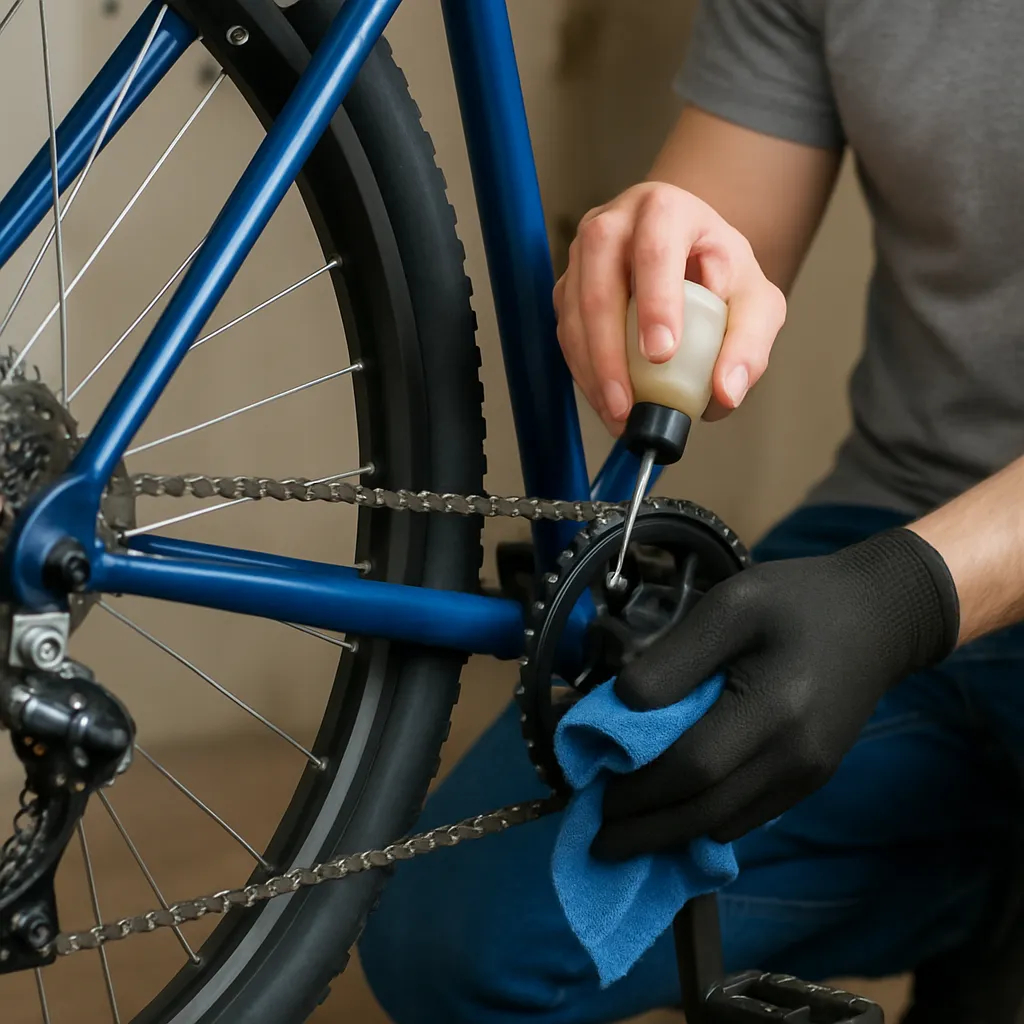
- Apply lube sparingly to the inside of each chain link while rotating pedals backward.
- Allow lubricant to penetrate for a few minutes, then wipe off excess with a lint-free cloth. Excess oil collects dirt and accelerates wear.
- Lubricate derailleur pulley bearings, pivot points, and brake pivot bolts for smoother operation.
Components Inspection and Replacement
Monitoring Wear Indicators
Many bike parts feature built-in wear markers or recommended service intervals. By keeping track of these, you can plan replacements before failure occurs:
- Chains stretch over time; measure chain wear with a dedicated tool. Replace before the stretch reaches 0.75% to protect cassettes and chainrings.
- Inspect bottom bracket and headset bearings for play or roughness. Grinding or free play necessitates service or replacement.
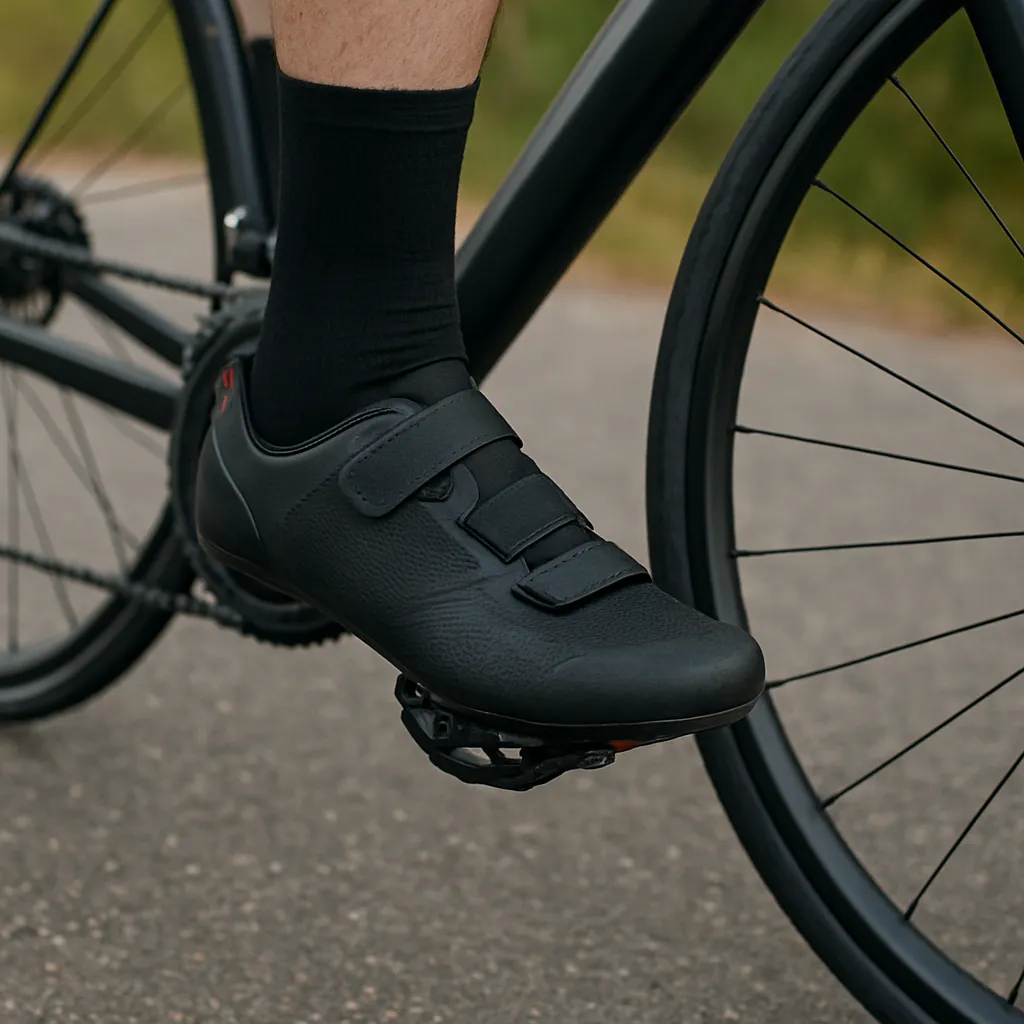
- Check pedal threads and cleat bolts to ensure secure engagement.
Crankset and Chainring Care
Teeth on chainrings wear down into shark-fin shapes, leading to skipping under load. Rotate chainrings if possible, or replace when irregularities appear. Tighten frame-mating bolts to spec, avoiding both over- and under-tightening.
Suspension and Seatpost Maintenance
- Clean and inspect suspension fork stanchions and shock shafts. Replace seals if you notice oil leaks or dust ingress.
- Adjust sag and rebound settings per manufacturer guidelines for balanced performance and reduced stress.
- Lubricate seatpost lightly before reinstallation, ensuring smooth height adjustment and preventing seizure.
Riding Practices for Durability
Technique and Terrain Awareness
How you ride directly impacts component lifespan. Smooth pedaling, controlled descents, and careful cornering reduce strain on the bike:
- Anticipate obstacles to avoid harsh impacts that can damage spokes, wheels, and forks.
- Modulate brakes rather than slamming them, spreading heat buildup and pad wear evenly.
- Maintain a cadence of 70–90 RPM to distribute torque smoothly through the drivetrain.
Weight Distribution and Bike Handling
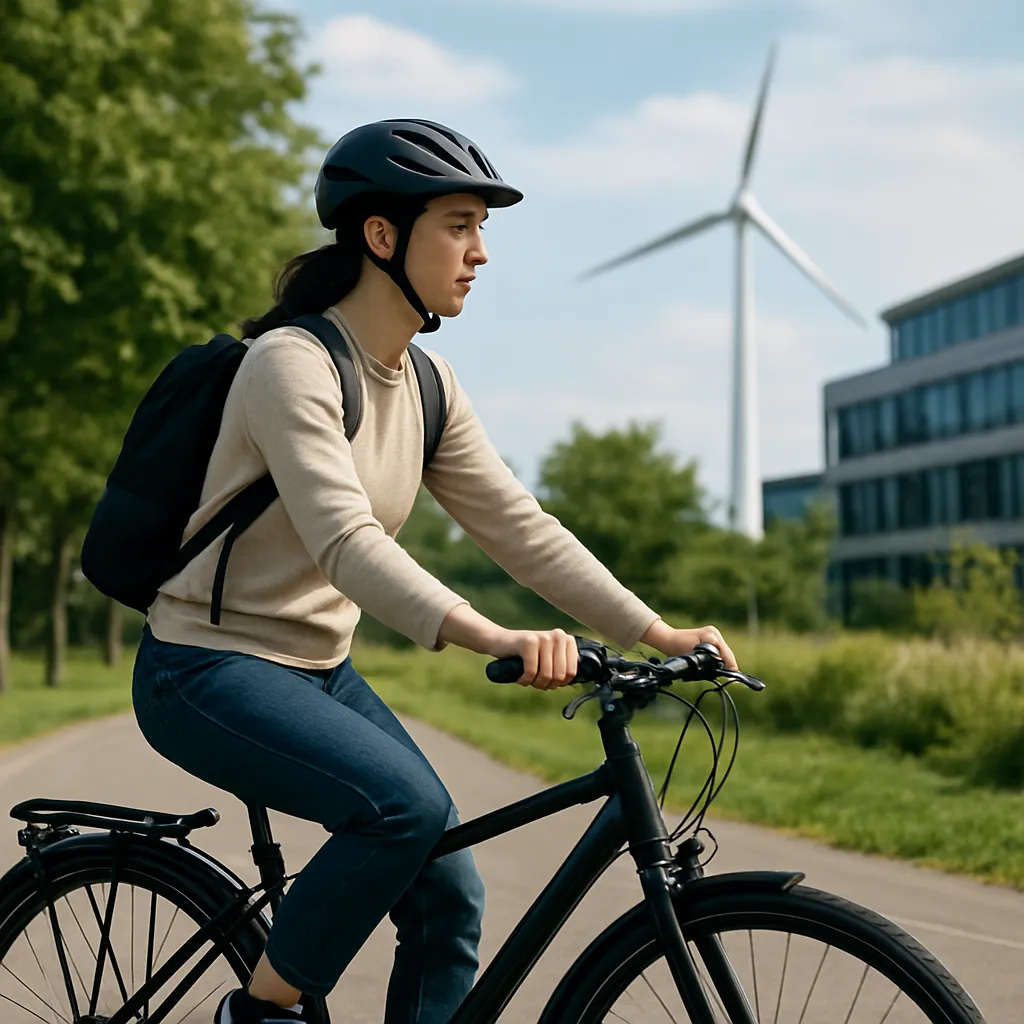
Proper posture—balanced over the pedals and centered over the saddle—minimizes stress on the frame and contact points. Keep elbows and knees slightly bent to absorb vibrations and shocks.
Storage and Environmental Protection
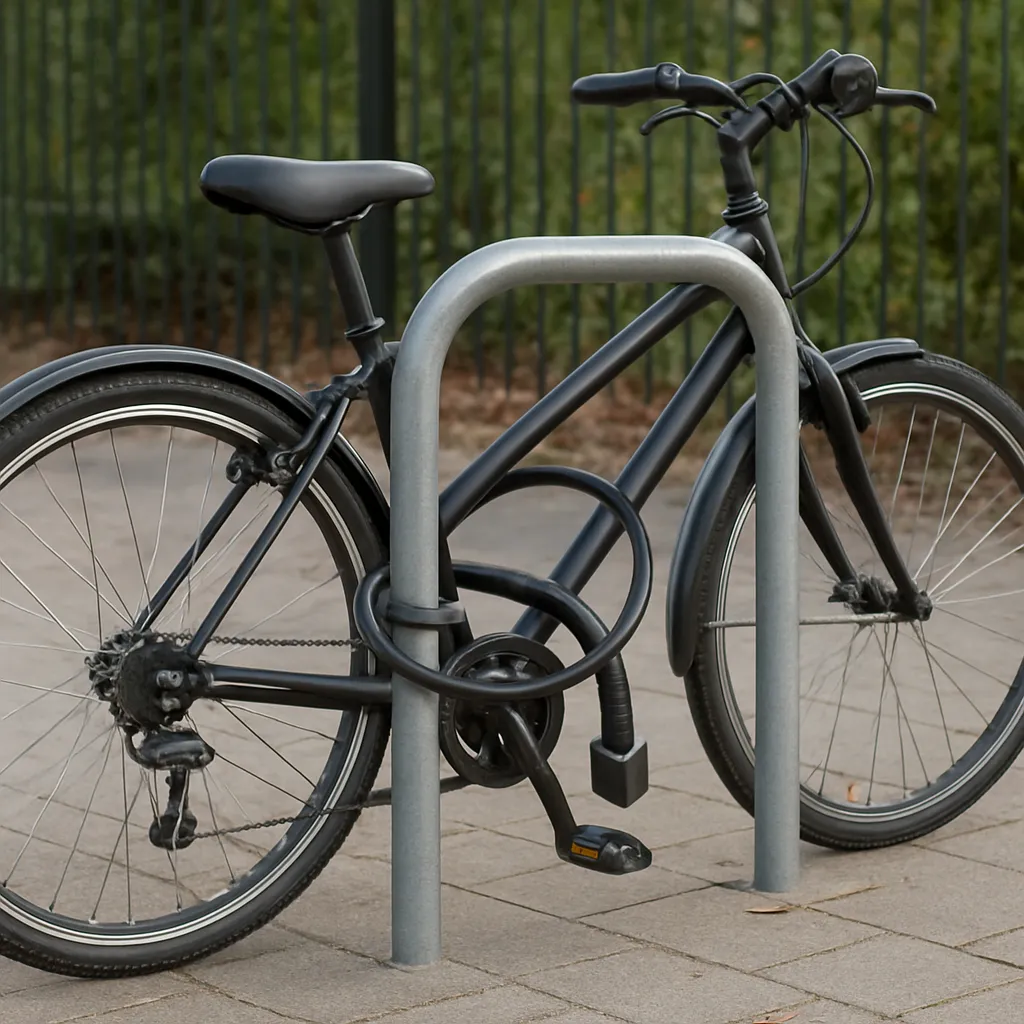
- Store your bike indoors or under cover to protect from UV rays, rain, and temperature extremes.
- Use a breathable bike cover if outdoor storage is unavoidable, preventing moisture buildup.
- Consider a dehumidifier in garages to shield steel components from corrosion.
Adopting these practices will significantly extend your bicycle’s service life, ensuring every ride remains enjoyable and safe. Consistency in maintenance, mindful lubrication, prompt inspection, and smart riding habits form the cornerstones of a long-lasting, high-performance bike.