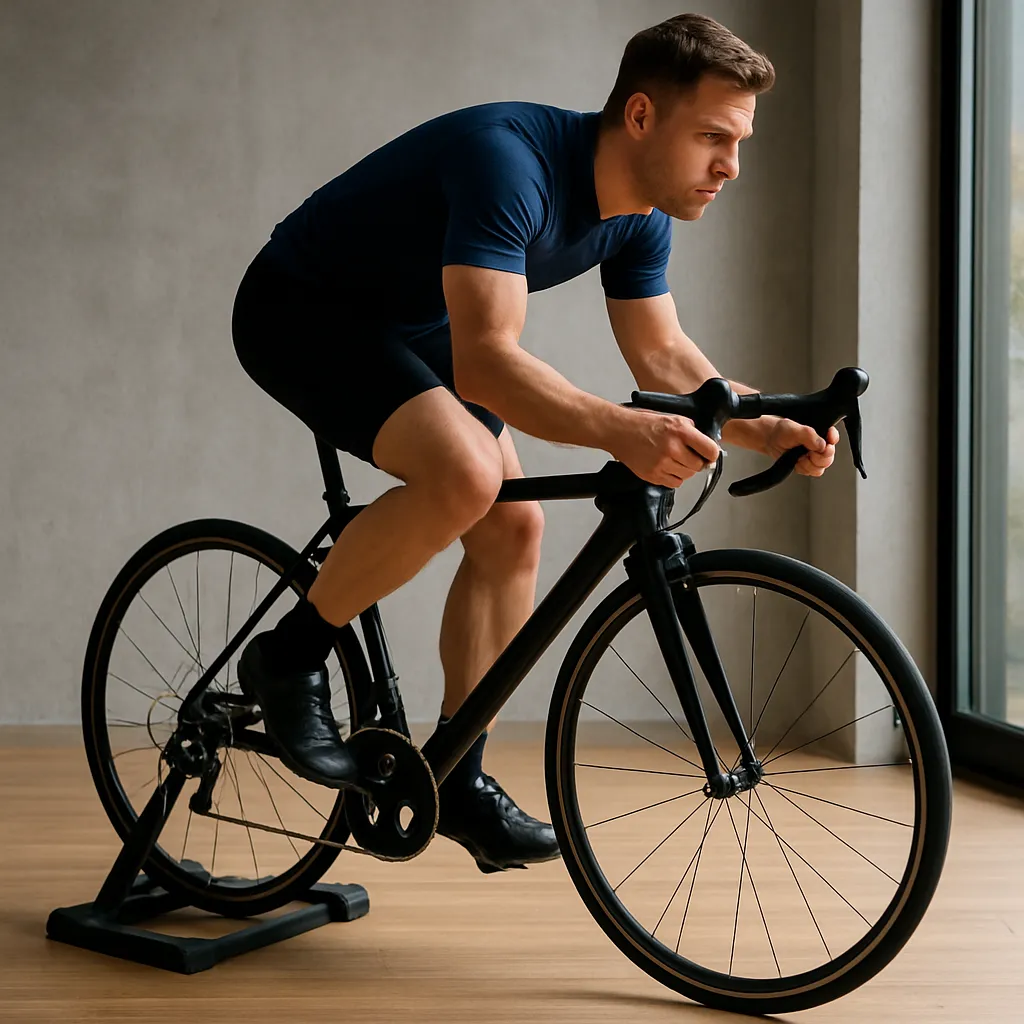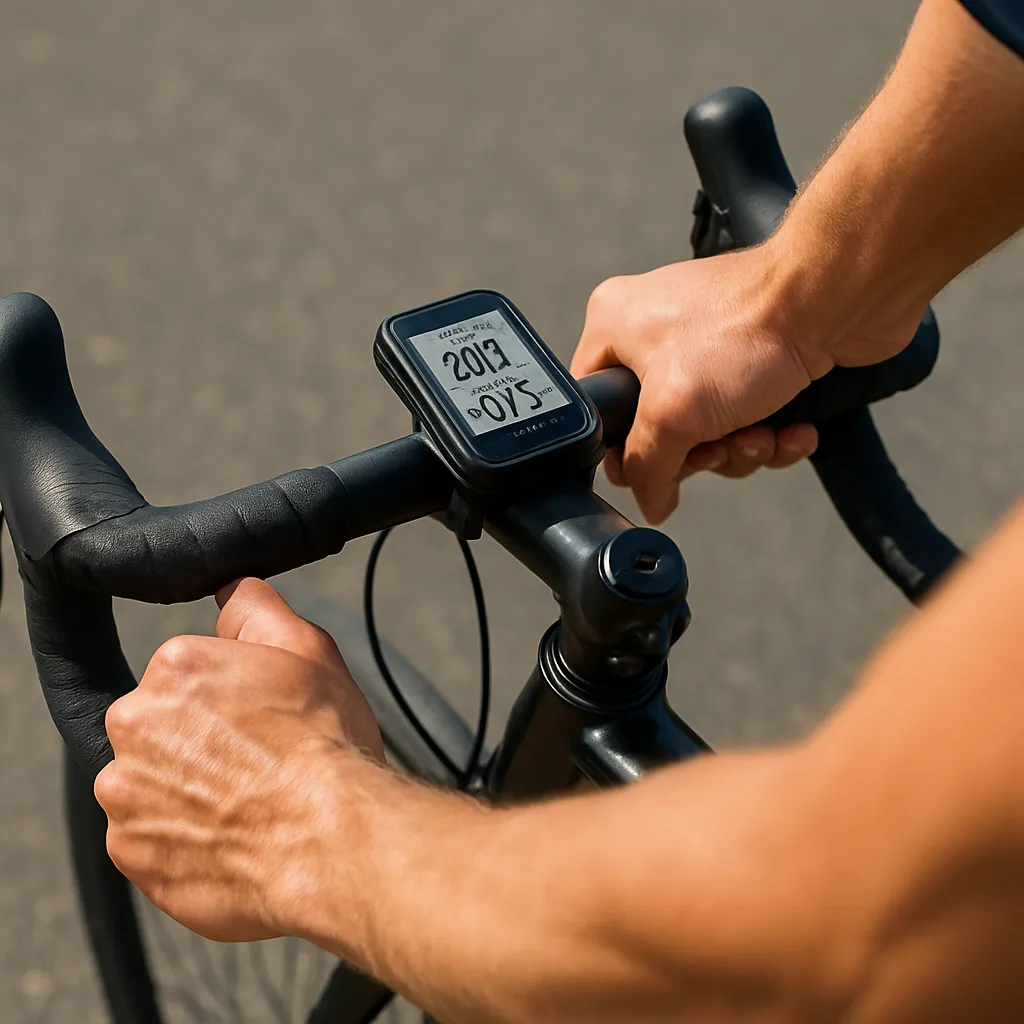
Power meters have revolutionized cycling by providing direct and precise insights into rider output. Unlike traditional methods that rely on heart rate or perceived exertion, a power meter measures the actual watts produced during every pedal stroke. This technology transforms how cyclists plan workouts, monitor progress, and race against competitors. With access to real-time data, athletes can refine their efforts to deliver optimal performance whether tackling a steep climb or pacing for a time trial.
Understanding Power Meter Technology
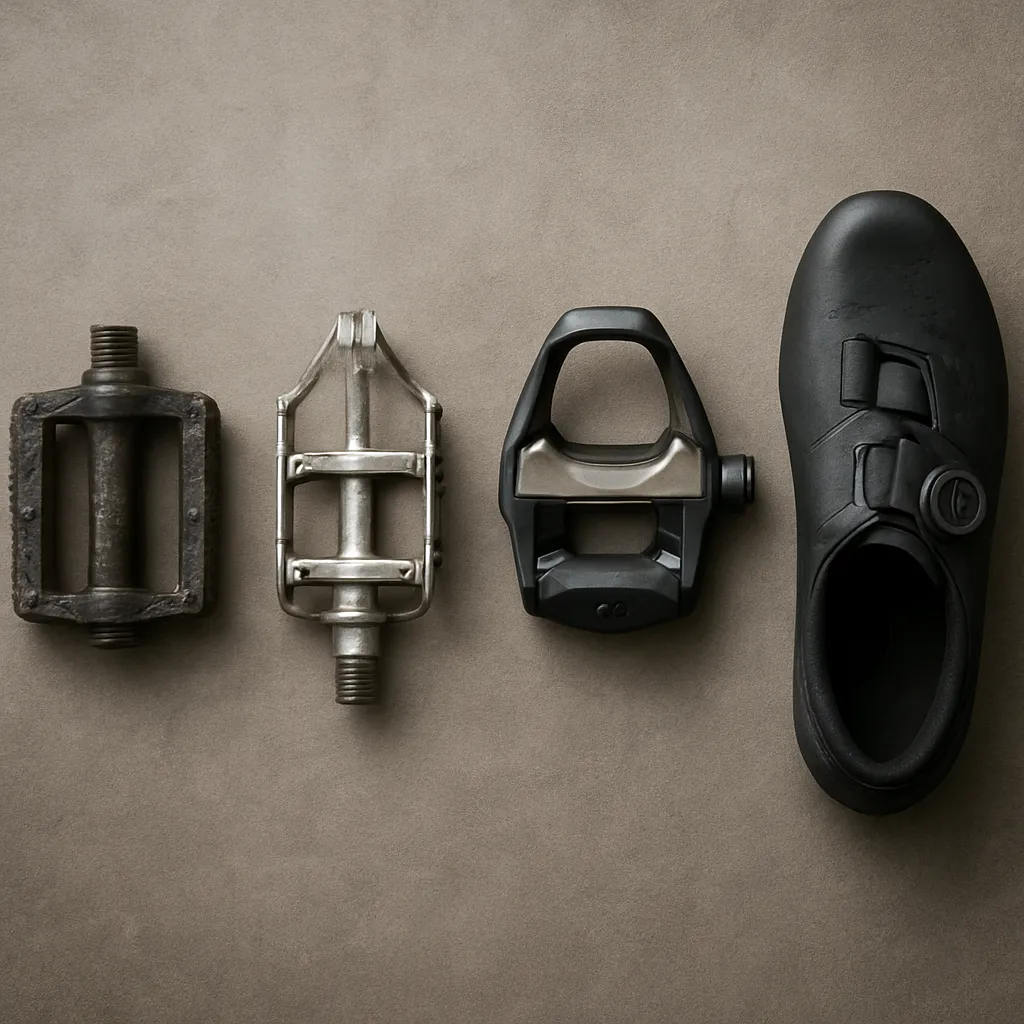
Power meters come in various designs, from crank-based and pedal-based systems to hub and bottom-bracket models. Each type has unique advantages in terms of installation, weight, and accuracy. Crank-based units often provide reliable readings across both legs, while pedal-based devices can be swapped easily between bikes. Regardless of design, the core principle remains the same: sensors detect torque and angular velocity to calculate instantaneous power output in watts.
Manufacturers calibrate these units to ensure consistency across different temperatures and environmental conditions. High-end power meters often include temperature compensation algorithms that maintain accuracy during long climbs or cold mornings. When paired with a compatible bike computer or smartphone app, riders receive continuous feedback on their real-time wattage, average power, and pedal stroke analysis.
Key Advantages of Direct Power Measurement
Direct power measurement eliminates many variables that affect heart rate or speed-based metrics. Heart rate can lag behind actual effort due to fatigue or hydration status, while speed depends on road surface, wind, and gradient. A power meter offers an objective reference point, allowing athletes to quantify effort precisely. This level of insight fosters better pacing, preventing burnout on long endurance rides and enabling targeted intervals during high-intensity sessions.
Enhancing Training with Power Data
Integrating a power meter into a structured training plan takes workouts from guesswork to science. Cyclists follow specific power zones based on percentages of their functional threshold power (FTP). By training at targeted intensities, they build aerobic capacity, muscular strength, and anaerobic endurance more effectively. Workouts can range from sweet-spot intervals for sustained efforts to short, high-intensity bursts that improve VO₂ max.
Over time, regular testing sessions update FTP values, ensuring that training zones reflect current fitness levels. This dynamic approach to training load prevents stagnation and supports continuous adaptation. Athletes can track trends such as increase in normalized power or decrease in fatigue ratio, fine-tuning their weekly volume to avoid overtraining while maximizing gains.
Coaches and athletes often use power smoothness and left-right balance metrics to analyze pedal stroke efficiency. These insights highlight weaknesses that might not be obvious from speed alone. For example, an imbalance between legs could indicate a muscular discrepancy or a bike fit issue. Addressing these imbalances leads to improved power delivery and reduced injury risk.
Nutrition and recovery strategies also benefit from power-based training. Knowing the demands of a planned route in watt-hours allows riders to calculate precise calorie needs. They can tailor carbohydrate intake before, during, and after rides to maintain energy levels and support muscle repair. By aligning fueling strategies with actual power demands, cyclists maintain steady efficiency and delay the onset of bonking.
Improving Race Performance
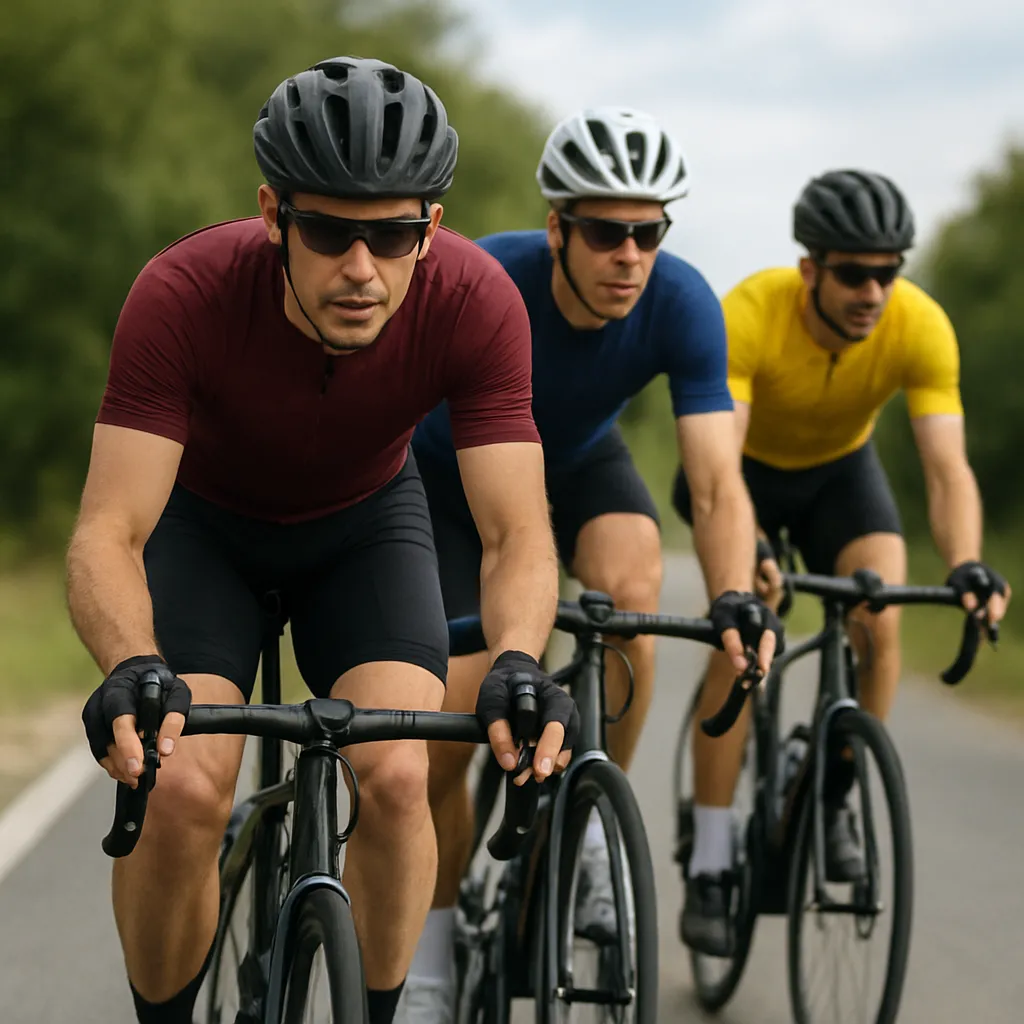
In competitive settings, a power meter is an essential tool for pacing. Whether tackling a time trial or a hilly road race, riders can stick to predetermined power targets to optimize performance. Going too hard early in a race can lead to early fatigue, while starting too conservatively may result in missed opportunities. Precise wattage monitoring provides the confidence to hold efforts at just the right intensity.
Breakaways and solo attacks demand meticulous energy management. With power data displayed on a handlebar unit, cyclists know exactly when to push above their threshold for short bursts without blowing up. Drafting teammates or riding solo both become more strategic when every watt counts toward the final outcome. Even on gravel or cyclocross courses, power meters deliver consistent metrics unaffected by terrain variability.
During multi-stage events, maintaining consistency across days is critical. A power meter guides recovery rides at low intensities, ensuring riders stay within easy zones and promote blood flow without adding stress. On key stages, matching or slightly exceeding target wattages can yield significant time gains over rivals who lack objective pacing tools.
Team dynamics benefit as well: coaches can view live power data to communicate pacing advice or adjust tactics on the fly. In events where every second matters, this real-time collaboration between rider and support staff provides a decisive edge.
Maintenance and Calibration
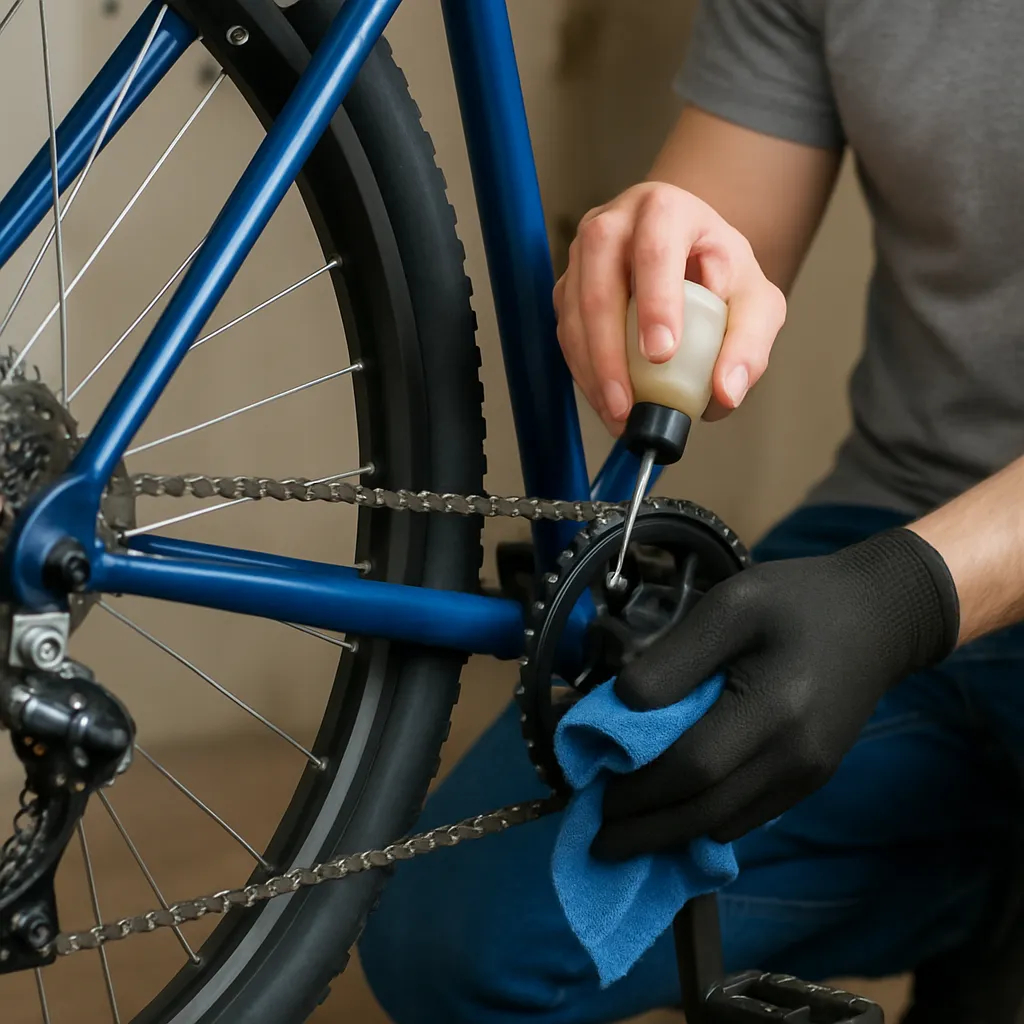
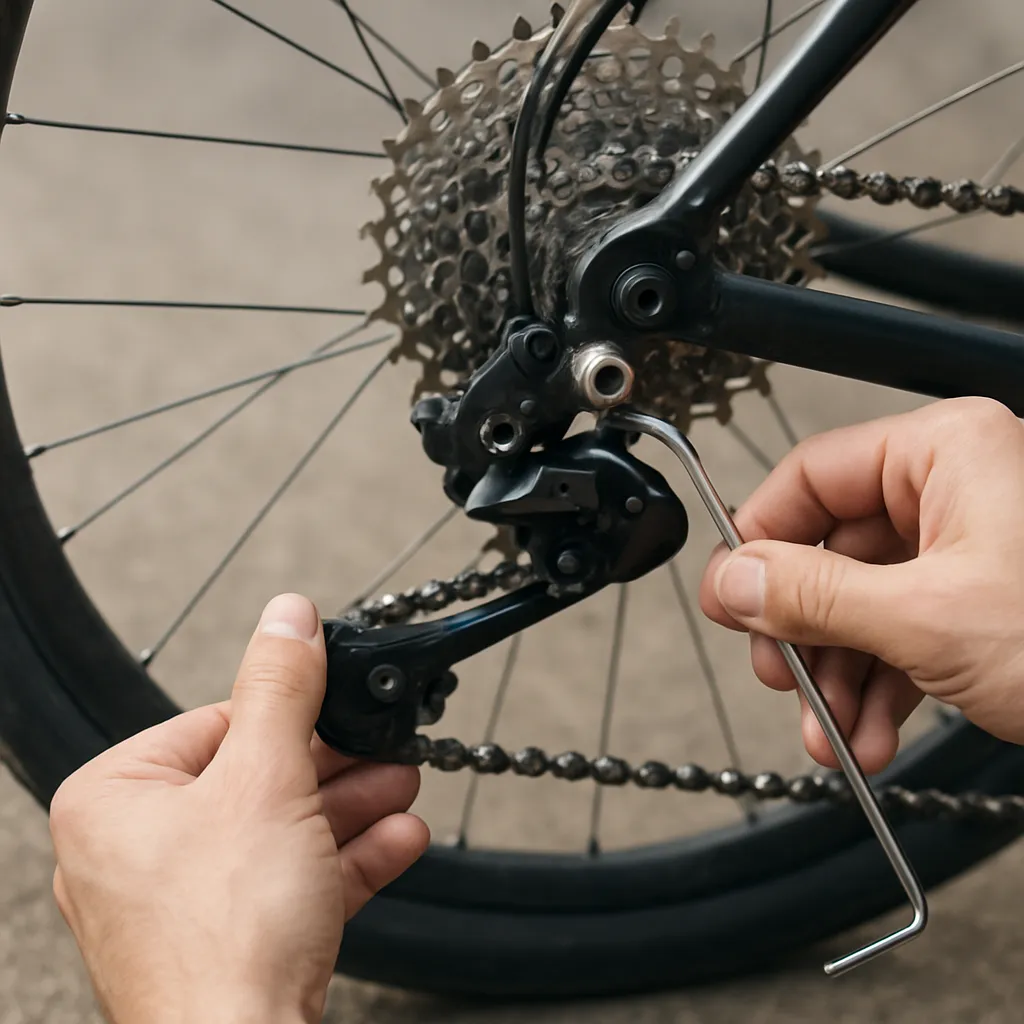
Regular maintenance keeps a power meter operating at peak accuracy. After several months of use, sensors may drift or develop small offsets. Performing a zero-offset calibration before each ride helps eliminate these errors. Many models offer automated in-field calibration routines accessible through compatible bike computers or mobile apps.
Battery level monitoring is also crucial. Some power meters rely on coin-cell batteries, while others use rechargeable units. Riders should follow manufacturer guidelines to replace or recharge batteries before long events. A sudden drop in power readings during a ride often indicates low battery voltage rather than a mechanical issue.
Environmental factors like temperature fluctuations and humidity can affect sensor performance. Storing the bike in a controlled environment and keeping firmware updated reduces unexpected inaccuracies. When significant discrepancies arise, a factory reset or professional service from an authorized dealer ensures reliable long-term performance.
Cost Considerations and ROI
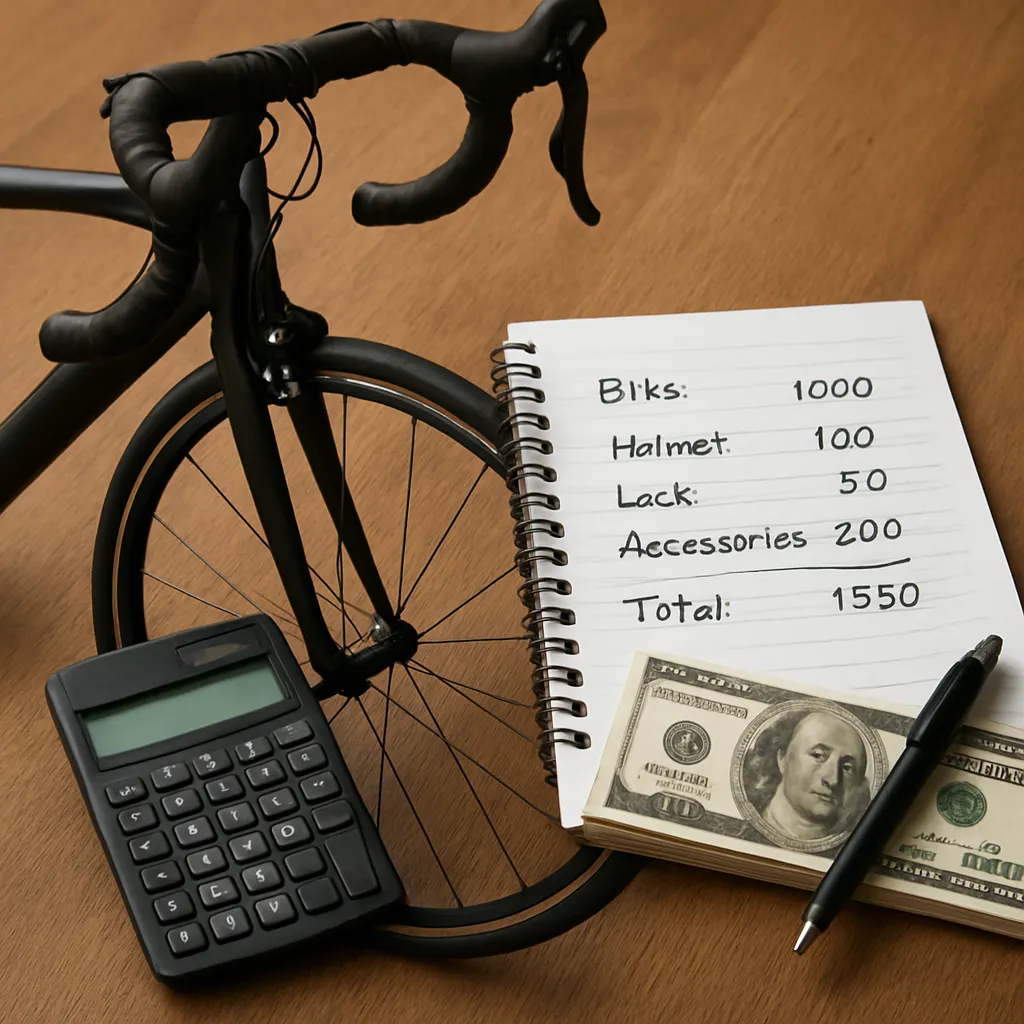
Investing in a power meter represents a significant expense for many cyclists. Prices vary widely based on design, brand, and feature set. Entry-level models offer essential wattage metrics, while premium units include advanced features like pedal stroke analysis and Bluetooth/ANT+ connectivity. Before purchasing, riders should assess their training goals and budget constraints.
Despite the upfront cost, the return on investment often justifies the purchase within a single season. By training more effectively, cyclists achieve fitness gains faster and reduce wasted effort. This translates into improved race results, more enjoyable group rides, and a clearer understanding of personal limits. For dedicated enthusiasts and competitive athletes alike, the gains in performance and enjoyment far outweigh the financial outlay.
Furthermore, power meters retain resale value better than other components. Upgrading to a new bike or model often allows transferring the device, spreading the investment across multiple platforms. When maintained properly, a quality power meter can serve several training seasons, delivering sustained benefits and elevating every ride.