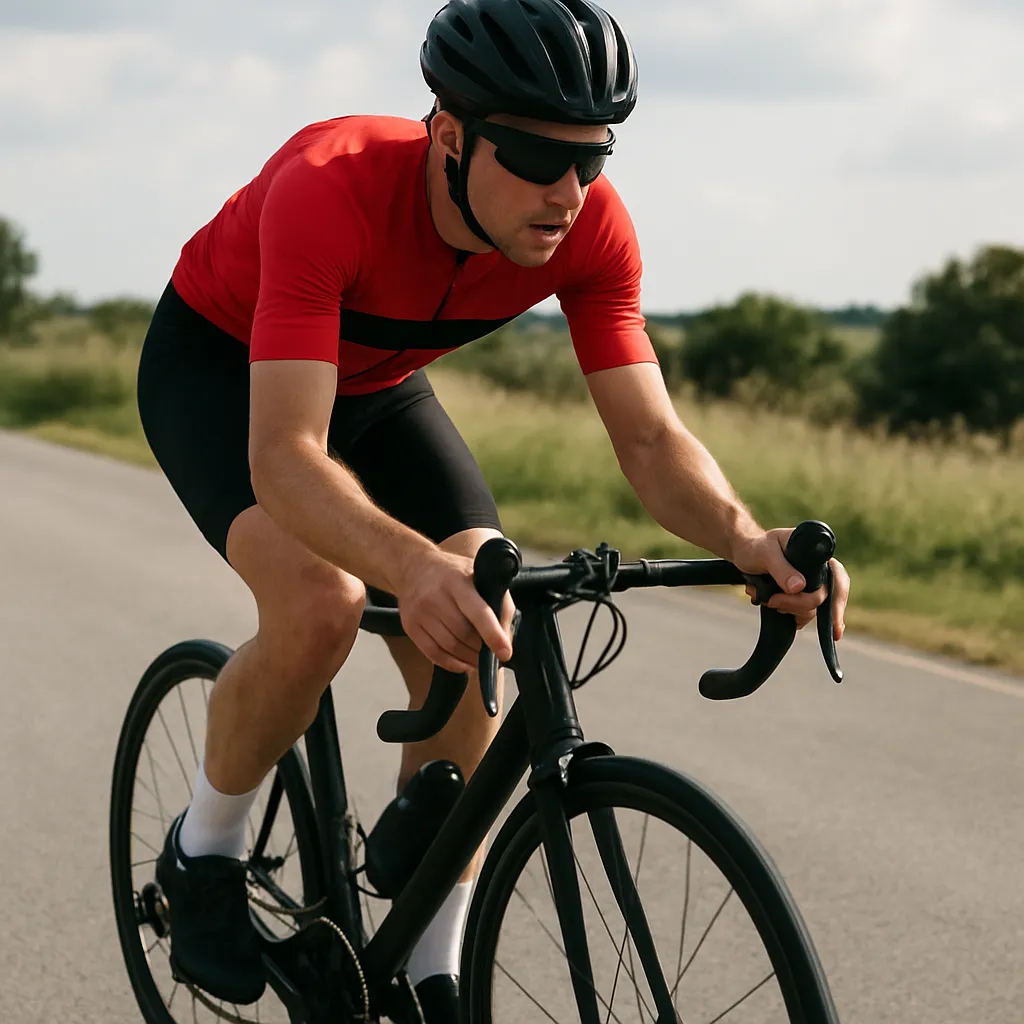
Training like a professional cyclist means embracing a holistic approach that balances structured workouts, precise nutrition, optimized equipment, and dedicated recovery. By understanding the principles behind elite-level preparation and adopting them into your routine, you can elevate your performance and ride with confidence.
Periodization and Structured Planning
Creating a well-designed training plan involves dividing your season into distinct phases, each with specific objectives. This method, known as periodization, ensures you develop foundational fitness, peak at critical races, and avoid burnout.
Base Phase: Building Aerobic Endurance
- Focus on long, steady rides at endurance pace (Zone 2). Duration should gradually increase from 1.5 to 4 hours.
- Maintain a comfortable cadence between 85–95 rpm to train muscular efficiency.
- Include one or two days of active recovery with easy spins or cross-training.
Build Phase: Threshold and VO2 Max Workouts
- Introduce intervals to elevate your lactate threshold. Example: 2 x 20 minutes at 88–92% of functional threshold power (FTP).
- Add short VO2 max efforts: 5 x 4 minutes at 105–110% FTP with equal rest.
- Balance hard sessions with recovery rides to maintain freshness.
Peak Phase: Race-Specific Intensity
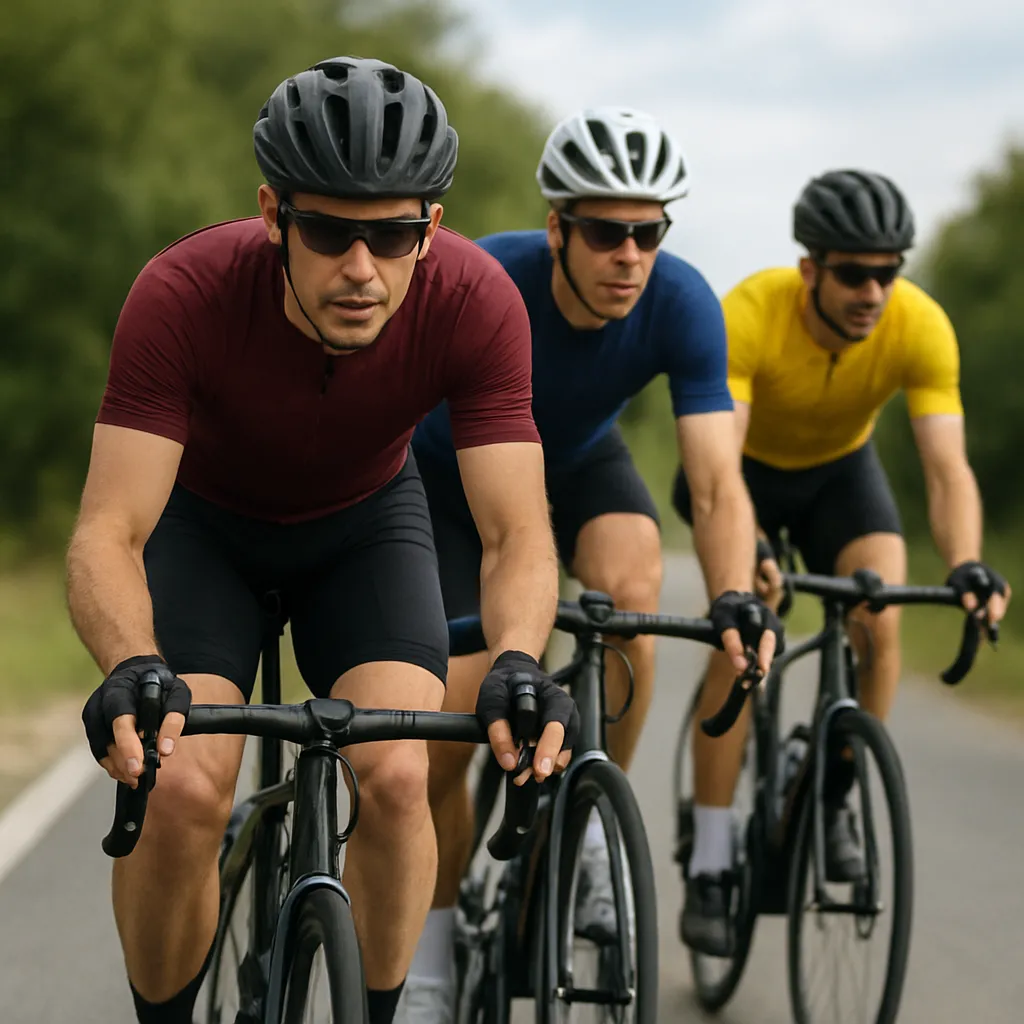
- Simulate race dynamics with group rides, sprint drills, and repeated hill attacks.
- Refine tactics such as drafting, cornering, and finishing sprints.
- Taper volume by 30–50% in the final 7–10 days but keep intensity to stay sharp.
Nutrition and Hydration Strategies
What you eat and drink plays a decisive role in sustaining high training loads and speeding up recovery. Professional cyclists follow meticulous fueling plans to optimize performance.
Daily Macronutrient Balance
- Carbohydrates: 5–7 g/kg of body weight per day during base; up to 10 g/kg during intensive phases. Prioritize whole grains, fruits, and energy bars.
- Proteins: 1.6–2.2 g/kg daily to support muscle repair. Lean meats, dairy, legumes, and plant-based protein powders are staples.
- Fats: 20–30% of total calories, focusing on healthy sources like avocados, nuts, seeds, and olive oil.
Pre-Workout and In-Ride Fueling
- Consume 1–2 g/kg carbs 2–3 hours before long sessions. Example: oatmeal with banana and honey.
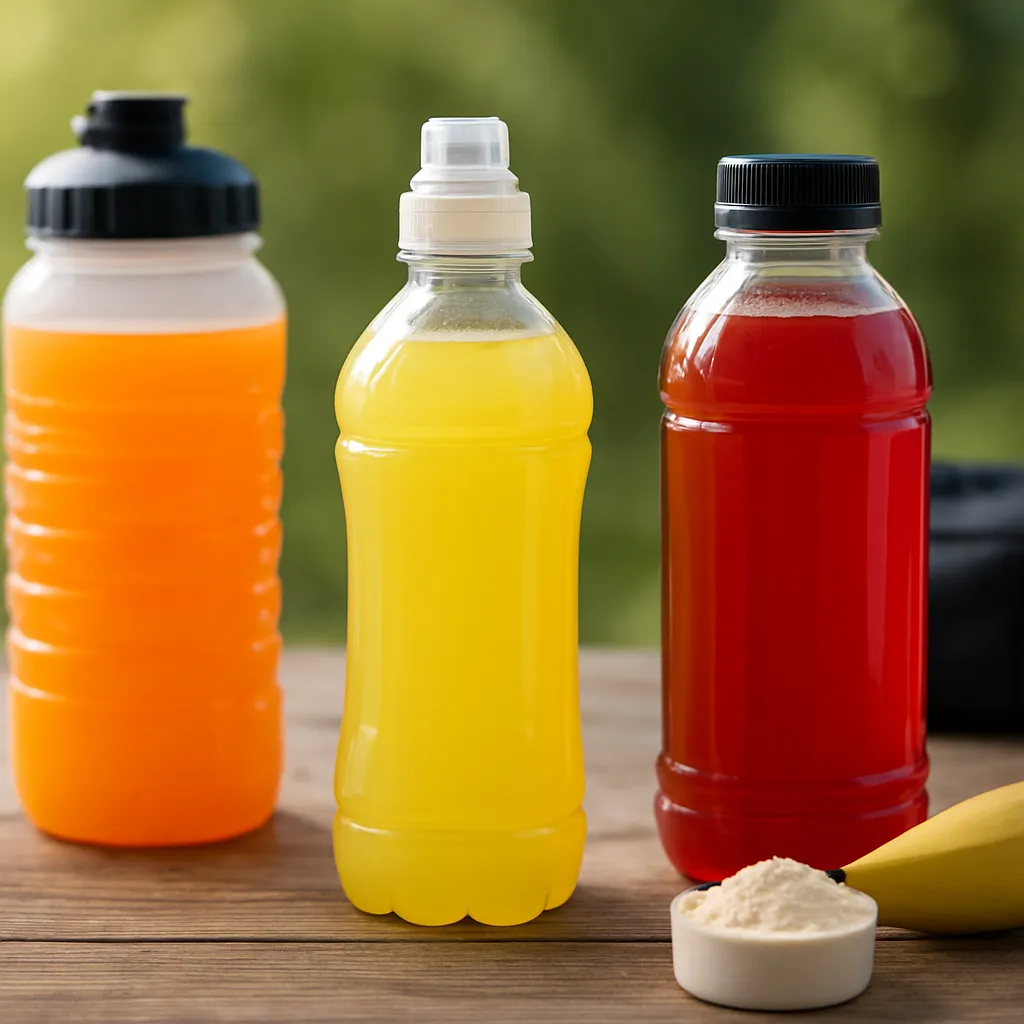
- During rides exceeding 90 minutes, aim for 60–90 g of carbs per hour via gels, drinks, or chews.
- Balance simple sugars with maltodextrin blends to improve gastric tolerance.
Hydration and Electrolyte Management
- Monitor sweat rate by weighing before and after training. Replace fluid losses accordingly.
- Include sodium (500–700 mg/L) in drinks to maintain plasma volume and avoid cramping.
- Use electrolyte tablets or salt sticks when riding in hot, humid conditions to sustain hydration.
Equipment, Bike Fit, and Aerodynamics
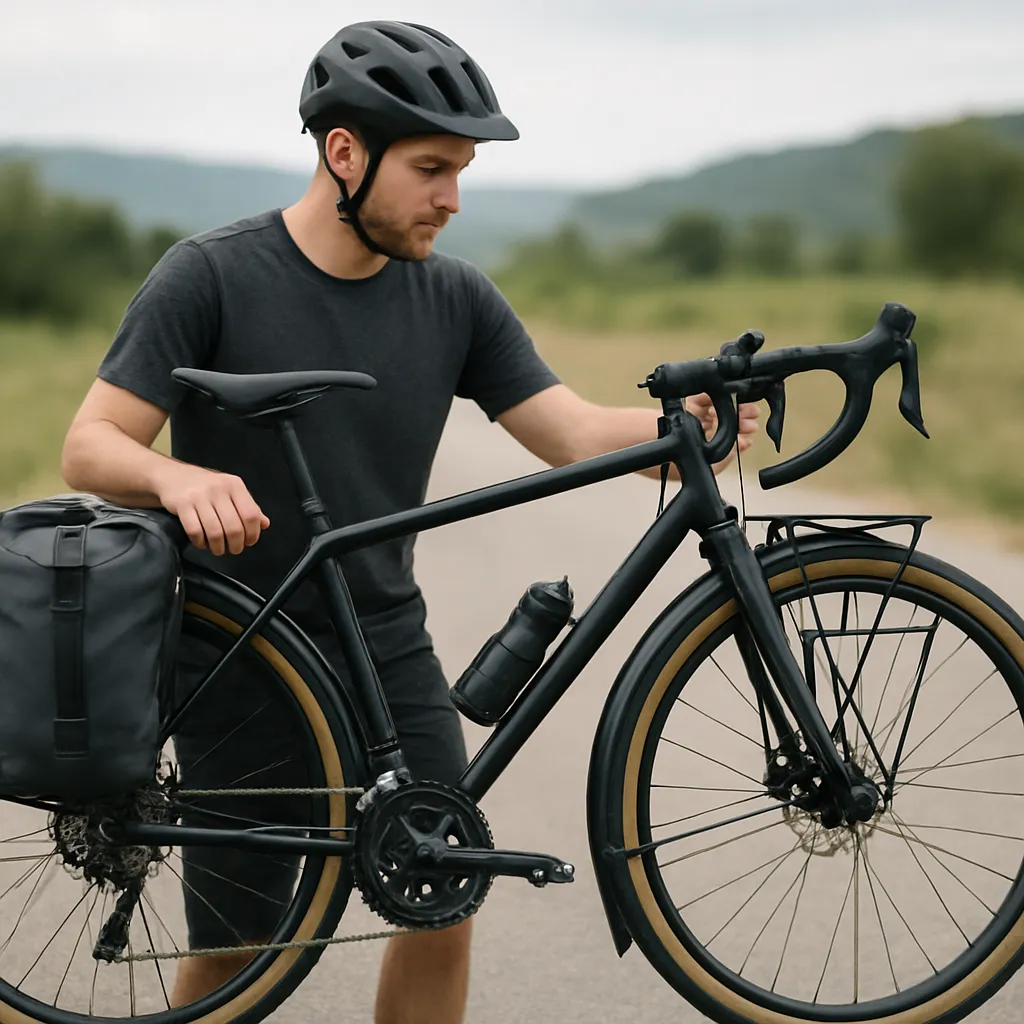
Professional cyclists invest in precision equipment and customized bike fits to maximize comfort, efficiency, and speed.
Optimizing Bike Fit
- Engage a certified fitter to adjust saddle height, fore-aft position, and handlebar reach.
- A proper fit enhances power output, reduces fatigue, and prevents overuse injuries.
- Consider dynamic fitting methods that capture your posture under load.
Choosing the Right Components
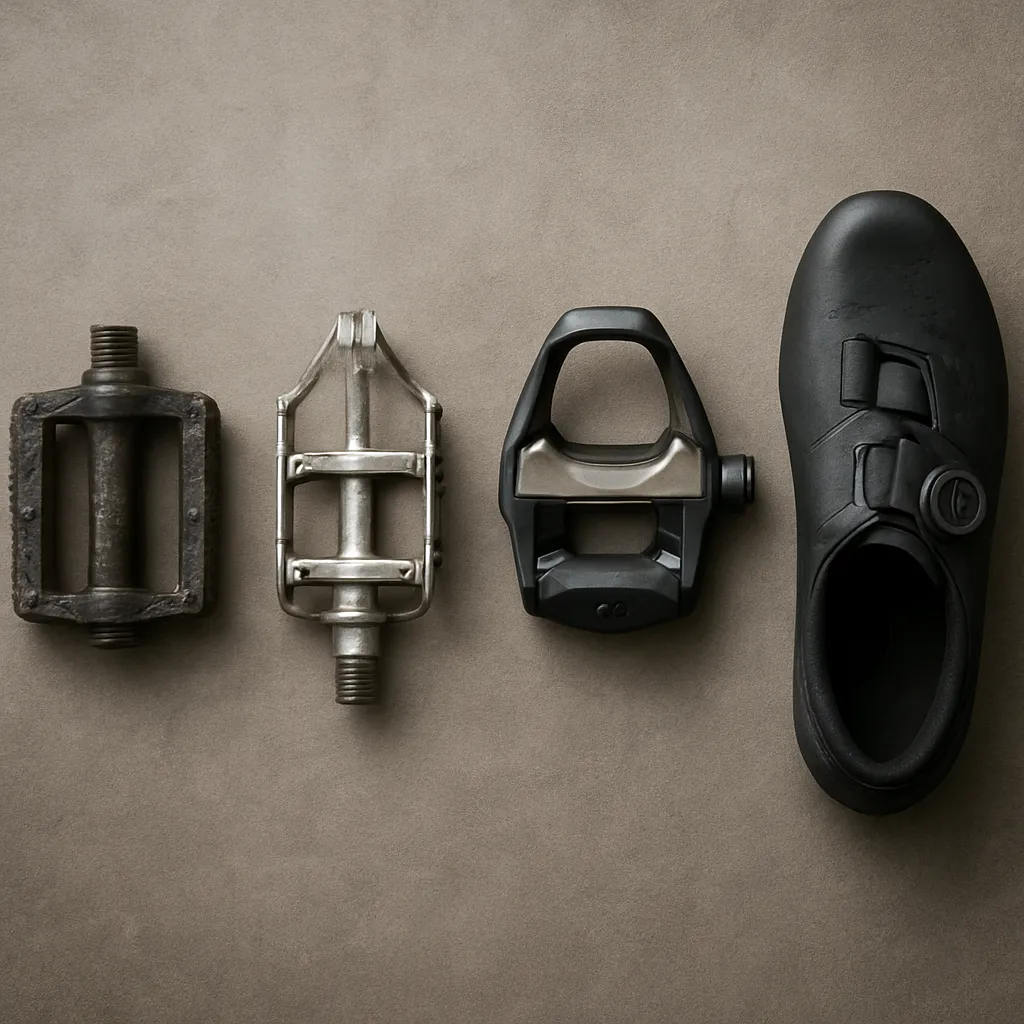
- Wheels: Select deep-section rims for time trials and flat terrain; lighter, shallow rims for climbing.
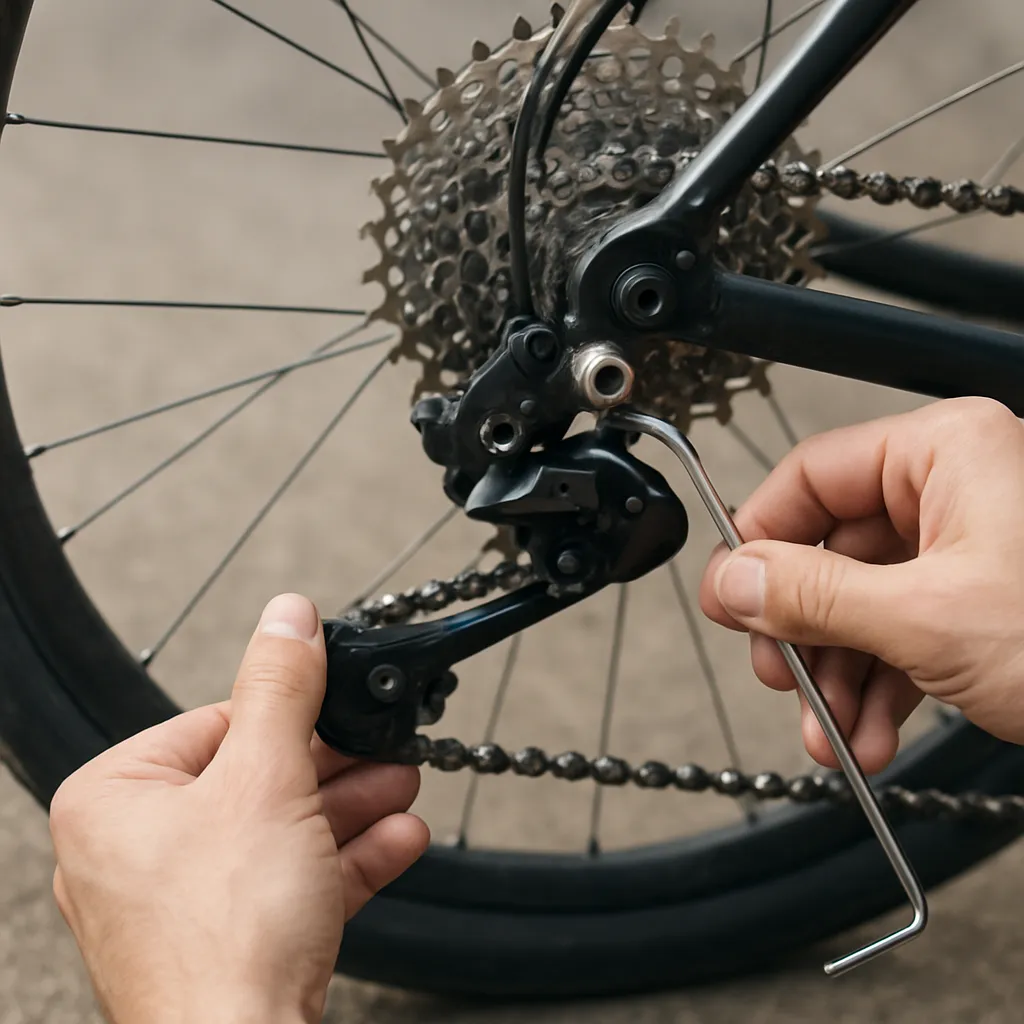
- Drivetrain: Electronic shifting provides faster, more reliable gear changes under high torque.
- Tyres: Tubeless setups allow lower pressures, improving comfort and reducing punctures.
Aerodynamic Enhancements
- Use aero handlebars, narrow-profile frames, and fitted clothing to cut drag.
- Practice an aerodynamic tuck on flat sections, maintaining a straight back and high elbows.
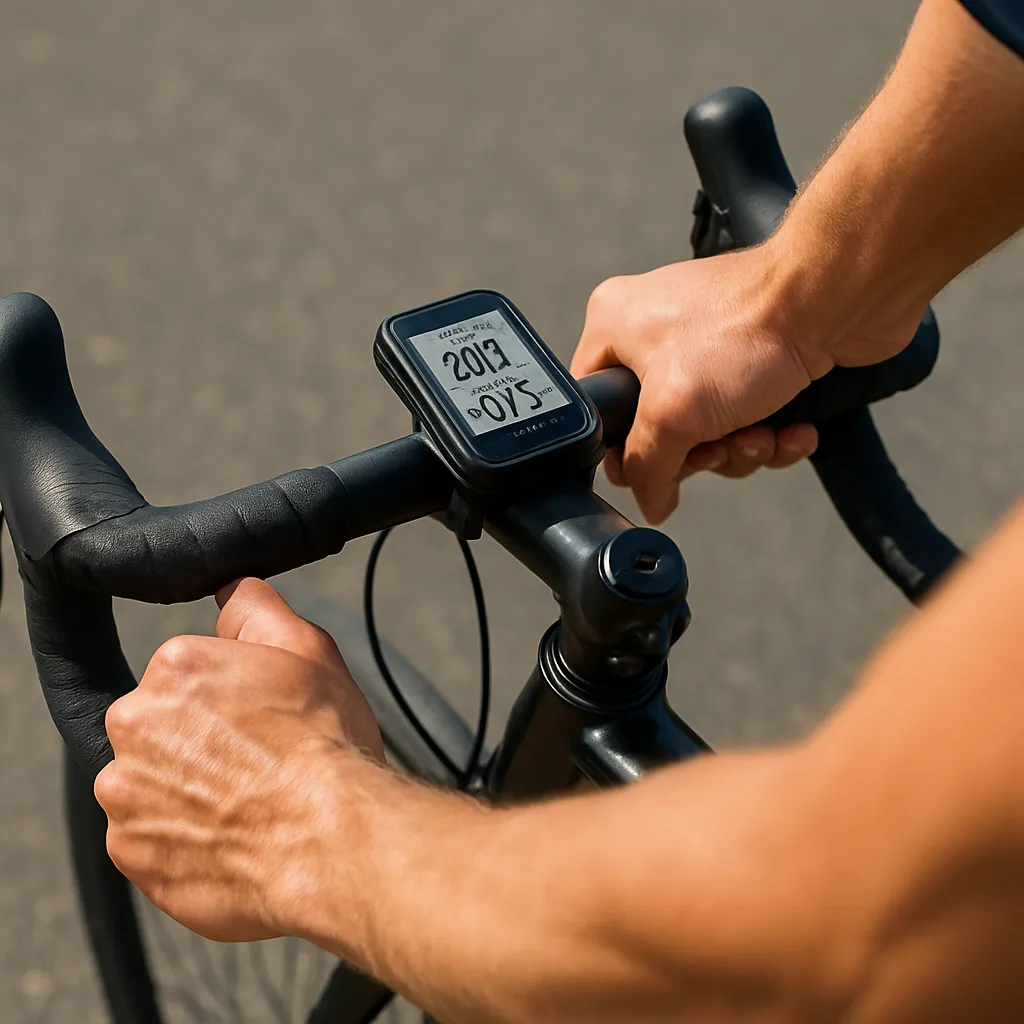
- Test equipment in a wind tunnel or use on-bike power meters to measure drag reduction.
Advanced Training Techniques
Riding like a pro involves targeted workouts that challenge specific energy systems, promote power gains, and refine technical skills.
Functional Threshold Power (FTP) Calibration
- Perform a 20-minute time trial every 6–8 weeks. Calculate FTP as 95% of average power.
- Adjust training zones based on the latest FTP, ensuring workouts remain appropriately challenging.
High-Intensity Interval Training (HIIT)
- Incorporate short, maximal efforts: 10 x 30 seconds all-out sprints with 4 minutes rest.
- Include Tabata-style repeats: 8 x 20 seconds at 150% FTP with 10 seconds rest.
- Limit HIIT to one session per week to avoid overtraining.
Strength and Cross-Training
- Lift weights twice weekly, focusing on compound movements: squats, deadlifts, lunges, and core work.
- Use plyometrics and stability exercises to enhance neuromuscular coordination.
- Cross-train with swimming or running for aerobic diversity and injury prevention.
Recovery and Injury Prevention
Effective recovery strategies allow you to absorb training stress, rebuild tissues, and prepare for the next session. Neglecting this area can lead to plateaus or setbacks.
Active and Passive Recovery
- Integrate easy rides (Zone 1) or gentle spins the day after hard efforts to promote blood flow.
- Utilize foam rolling, massage, and mobility drills to release muscle tension.
- Consider contrast water therapy (alternating hot and cold baths) to reduce inflammation.
Sleep and Hormonal Balance
- Aim for 7–9 hours of quality sleep each night to facilitate growth hormone release and muscle repair.
- Create a consistent sleep routine by going to bed and waking up at the same time.
- Limit screen exposure before bedtime and keep the bedroom cool, dark, and quiet.
Monitoring Fatigue and Adaptation
- Use wearable devices or apps to track heart rate variability (HRV) as an indicator of recovery status.
- Maintain a training diary logging RPE (rate of perceived exertion), mood, and sleep quality.
- Adjust volume and intensity if persistent fatigue, elevated resting heart rate, or irritability appear.