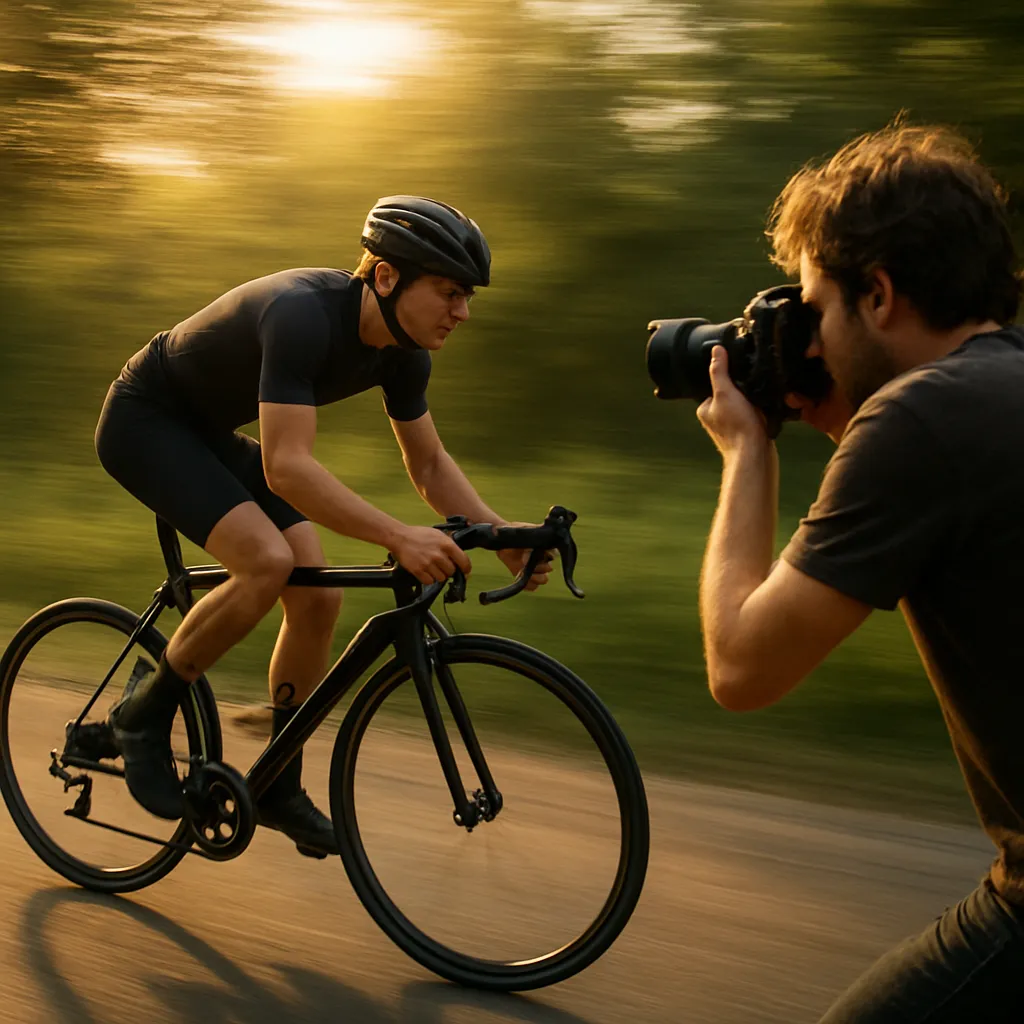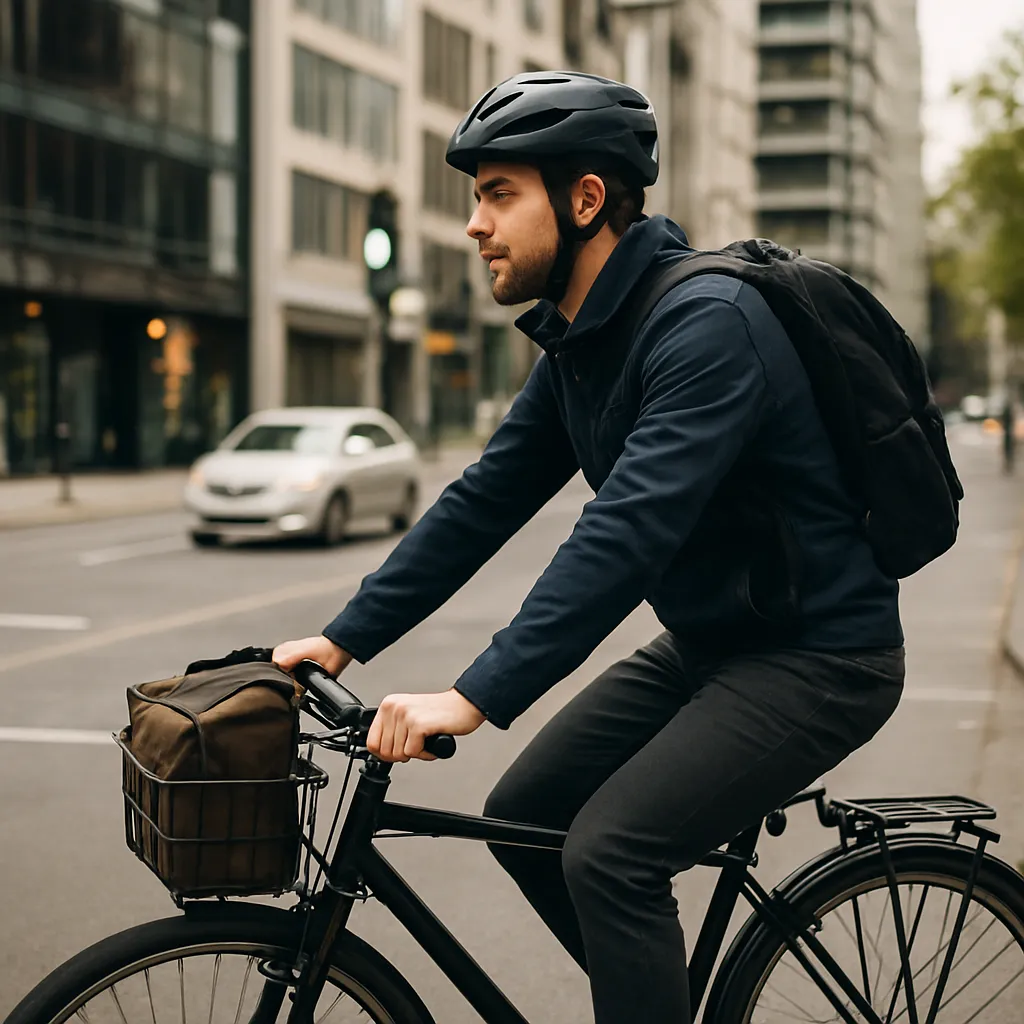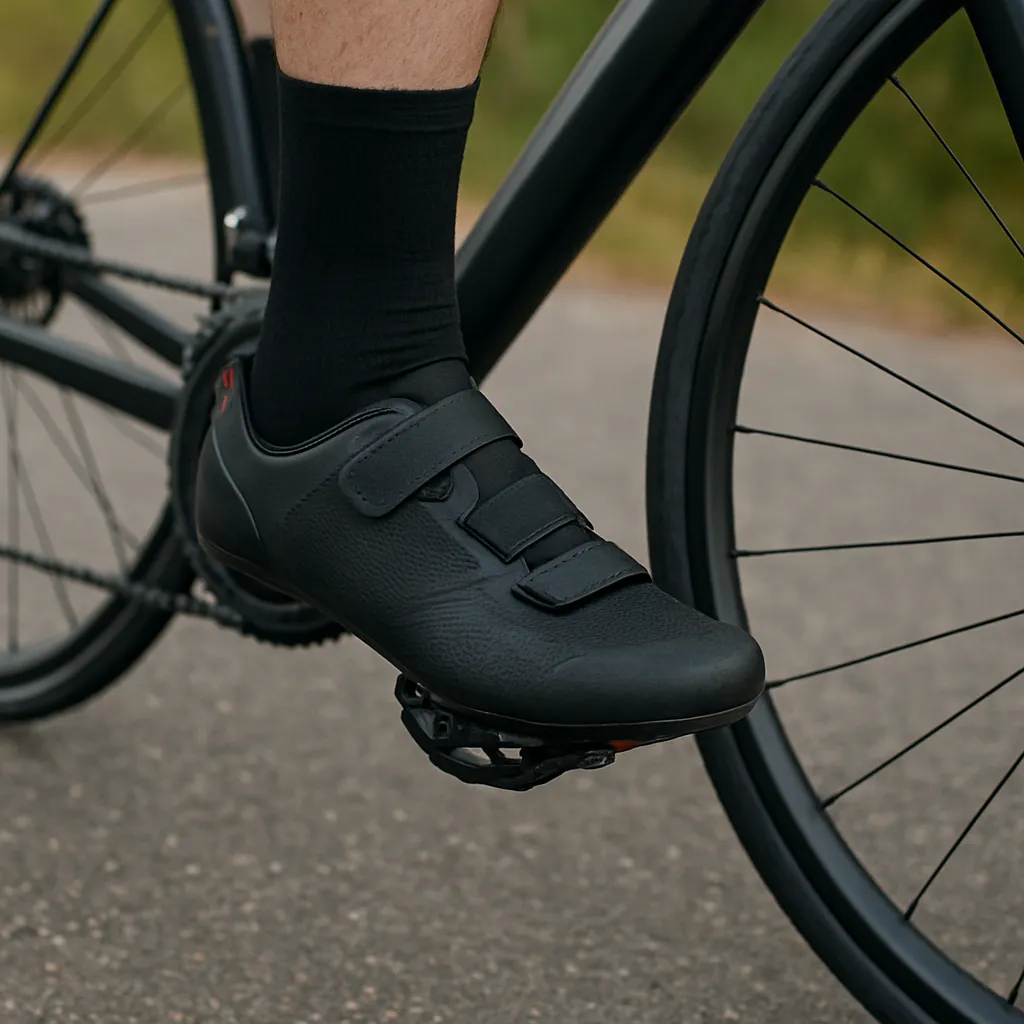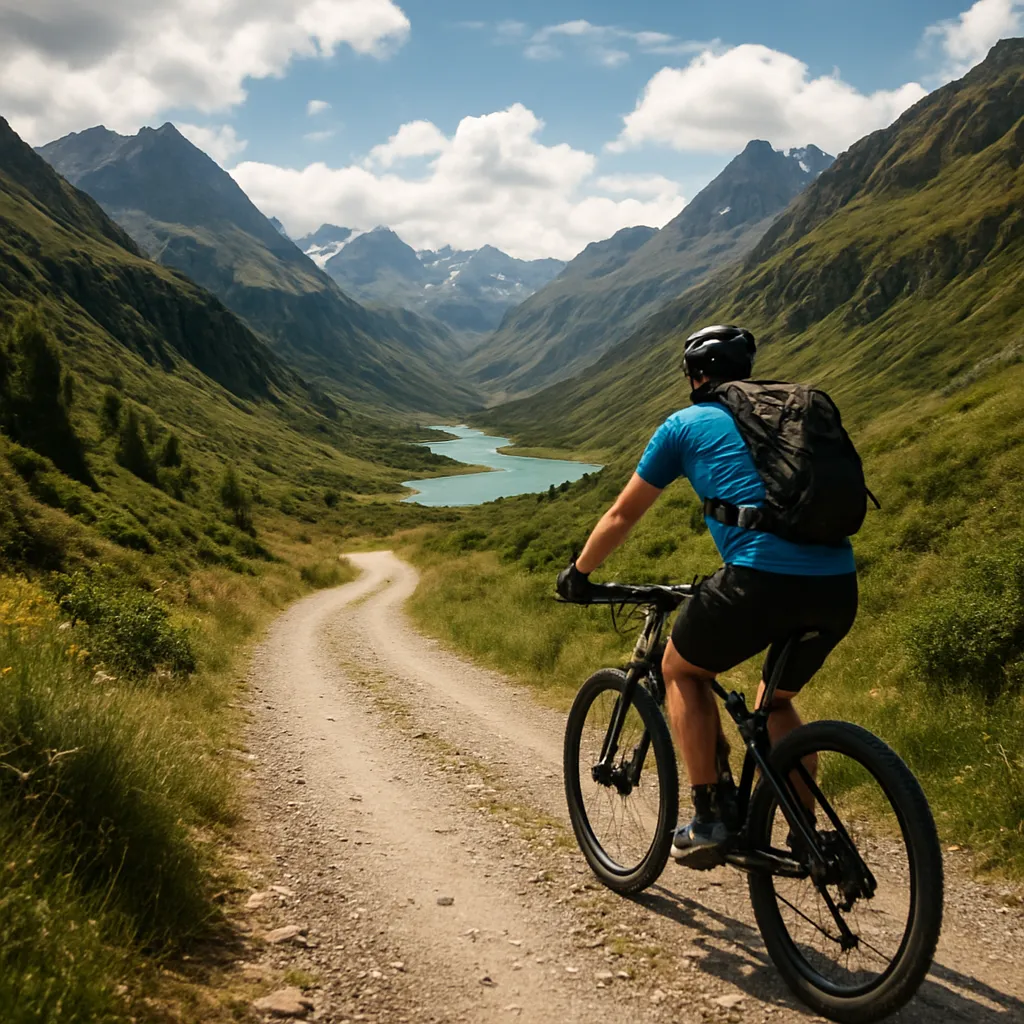
Embarking on a bicycle journey combines the thrill of adventure with the freedom of exploring diverse landscapes at a human pace. From smooth coastal roads to remote mountain passes, the world opens up in unprecedented ways when you pedal your way through it. Whether you’re a seasoned rider seeking your next challenge or a curious newcomer eager to experience the wind in your hair and the road beneath your wheels, cycling adventure travel offers unforgettable memories, stunning vistas, and a profound sense of accomplishment.
Exploring Epic Bike Routes Across Continents
There’s no shortage of phenomenal long-distance trails and off-road passages catering to riders of varying skill levels. These legendary paths allow cyclists to witness breathtaking scenery, immerse themselves in local customs, and conquer diverse terrain without the constraints of motorized transport. Below are some of the world’s most celebrated routes.
EuroVelo Network – Europe
The EuroVelo network comprises over 17 routes covering more than 90,000 kilometers across Europe. From the Mediterranean coast to the Arctic Circle, each corridor offers unique cultural encounters.
- EV6 – Atlantic to Black Sea: Traversing forests, rivers, and historic towns from Nantes to Constanta.
- EV15 – Rhine Cycle Route: Linking Switzerland to the North Sea through Germany’s picturesque wine regions.
Pacific Coast Route – North America
Stretching from Vancouver Island down to the border of Mexico, this coastal odyssey features dramatic ocean views, dense rainforests, and rugged cliffs. Cyclists must prepare for rolling hills and variable weather but are rewarded with stunning sunsets and vibrant seaside towns.
Munda Biddi Trail – Australia
Meaning “path through the forest” in the local Noongar language, the Munda Biddi spans almost 1,000 kilometers of dedicated mountain bike trail in Western Australia. Expect hard-packed dirt, eucalyptus-scented air, and rustic campsites equipped with water refill stations.
Annapurna Circuit – Nepal
For those craving high-altitude thrills, the Annapurna Circuit delivers panoramic Himalayan views, sweeping valleys, and challenging passes above 5,000 meters. This remote route demands solid physical endurance and acclimatization planning.
Carretera Austral – Chile
One of the most remote but rewarding highways in the world, the Carretera Austral weaves 1,240 kilometers through fjords, temperate rainforests, and glacial valleys. Opportunities for camping alongside pristine rivers and spotting guanacos and condors abound.
Essential Gear and Preparation for the Journey
Successful adventure cycling hinges not only on physical readiness but also on thorough preparation. From your bicycle choice to the smallest accessories, every item plays a role in comfort, performance, and safety.
- Bicycle Selection: Touring bikes, gravel bikes, and hardtail mountain bikes all have specific strengths. Choose a frame that balances durability and weight for the expected terrain.
- Panniers and Racks: Reliable luggage systems distribute load evenly and protect belongings from dust and rain.
- Sleeping Systems: Ultralight tents, bivvy sacks, and compact sleeping bags rated for local temperatures are crucial for restful nights under the stars.
- Multi-Tool Kit: A compact kit including tire levers, spare tubes, chain links, and a tire pump can save an expedition from disaster.
- Navigation Aids: GPS devices, paper maps, and mobile apps with offline maps ensure you stay on course even in remote regions.
- Protective Clothing: Quick-dry jerseys, padded shorts, and a waterproof jacket will safeguard against sun, moisture, and wind chill.
- Hydration and Nutrition: Collapsible water reservoirs, energy gels, and high-protein bars keep your body fueled over long stretches without reliable food stops.
- First Aid Kit: Basic supplies, antiseptic, blister treatments, and any personal medications are a must for self-reliant travelers.
- Lighting and Power: Dynamo hubs or USB-charged lights and power banks maintain visibility and connectivity during multi-day rides or emergencies.
Mastering Physical and Mental Training
Proper conditioning can make or break an extended bicycle expedition. A training plan should blend endurance rides, interval workouts, and strength exercises to build a robust foundation.
- Long-Distance Rides: Gradually increase mileage to adapt muscles, joints, and cardiovascular systems to sustained effort.
- Hill Repeats: Conquering steep climbs in intervals sharpens leg strength and simulates real-world challenges found on many iconic routes.
- Core Stability: Planks, bridges, and rotational exercises protect your back and improve overall riding posture.
- Mental Resilience: Techniques like visualization, goal-setting, and mindful breathing help tackle fatigue, unpredictable weather, and unfamiliar environments.
Embracing the Culture and Community on Two Wheels
Cycling journeys offer more than physical accomplishment; they open doors to cultural exploration and meaningful connections. The following strategies enhance the social dimension of your travels:
- Local Homestays and Warmshowers: Platforms like Warmshowers connect touring cyclists with welcoming hosts for a comfortable night and insider tips.
- Farm Stays and Agritourism: Pitch your tent on a working farm to learn traditional cultivation methods and sample fresh, local produce.
- Bike Cafés and Clubs: Cycling hotspots worldwide offer group rides, mechanics’ corners, and a chance to swap stories over coffee.
- Language Basics: Simple phrases in the local language foster goodwill and often unlock unique hospitality experiences.
- Volunteer Opportunities: Combining cycling with conservation or community projects enhances cultural immersion and gives back to regions you traverse.
Safety, Sustainability, and Environmental Impact
Responsible adventurers prioritize safety protocols and environmental stewardship to preserve the beauty of our planet. These practices ensure that future generations of cyclists can continue roaming these epic trails.
- Leave No Trace: Pack out all trash, minimize campsite impact, and respect wildlife habitats.
- Road Safety: Wear reflective gear, obey local traffic laws, and use hand signals to communicate with motorists and fellow cyclists.
- Sustainable Choices: Opt for refillable water containers, solar chargers, and eco-friendly toiletries to reduce a trip’s carbon footprint.
- Emergency Planning: Share your itinerary with contacts, carry a satellite communicator or personal locator beacon, and know local emergency numbers.
- Respect Local Regulations: Some protected areas require permits or prohibit camping; always verify rules in advance.
Conclusion
While a bicycle trip can test your limits, it ultimately delivers unparalleled freedom, meaningful connections, and a fresh perspective on the world. By selecting the right route, gearing up effectively, and embracing local communities with respect and curiosity, you’ll transform each pedal stroke into a story of exploration, growth, and unforgettable experiences.