Keeping your bicycle safe while parked outdoors can save you the headache of dealing with theft and the expense of replacement. By choosing the right equipment, applying proper techniques, and employing supplementary measures, you can greatly reduce the risk of losing your ride. This article explores effective methods to secure your bike and protect your investment.
Selecting the right lock type
U-locks (D-locks)
U-locks are widely regarded as one of the most durable and tamper-resistant solutions for protecting bicycles. They consist of a hardened steel shackle that forms a “U” shape, which resists cutting and leverage attacks. When shopping for a U-lock, consider the following:
- Shackle thickness: Aim for at least 14mm of hardened steel.
- Lock cylinder quality: A pick-resistant cylinder reduces the chance of quick-release manipulation.
- Size and weight: Smaller shackles leave less room for thieves to insert tools, but ensure it fits your frame and common locking points.
Chain locks
Heavy-duty chain locks combine flexibility with strength. A high-quality chain is made from hardened steel links and covered in a protective sleeve to prevent frame scratches. Key features include:
- Link size and grade: Thicker and higher-grade steel demands more effort and time to cut.
- Lock mechanism: Integrated padlocks or external locks should be resistant to drilling and picking.
- Length: Allows you to wrap around larger fixed objects, but keep it short enough to minimize slack.
Cable locks
Cable locks are lightweight and convenient, but generally less secure than U-locks and chains. They work best as supplementary devices rather than the sole deterrent. Use them to secure wheels or accessories:
- Brightly colored cables can be a visual deterrent.
- Thicker cables with braided steel cores resist basic cutting tools.
- Combine with a primary lock to increase overall security.
Best practices for locking your bike
Choosing an optimal location
Where you park can be as important as how you lock. Selecting a high-traffic, well-lit spot significantly reduces the likelihood of a theft attempt. Keep these tips in mind:
- Avoid secluded areas or blind spots out of security camera range.
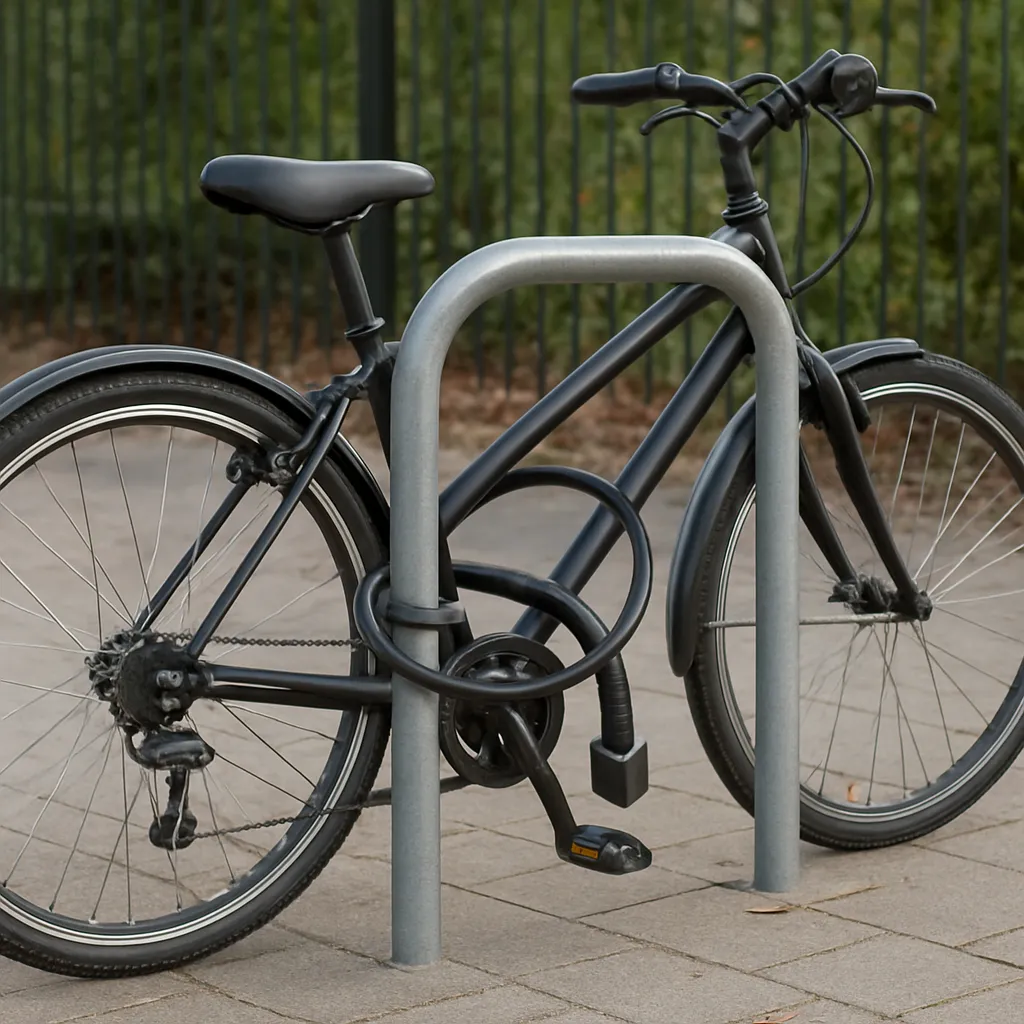
- Park near existing bicycle racks or sturdy street furniture.
- Ensure the object you lock to is anchored and cannot be dismantled.
Proper locking technique
Even the best lock can be ineffective if used improperly. Follow these guidelines to maximize protection:
- Lock the frame and rear wheel to an immovable object.
- Position the lock off the ground to hinder leverage attacks.
- Fill as much empty space inside the lock as possible to limit tool access.
- Aim the keyhole downward or sideways to deter water ingress and prying tools.
Securing removable parts and accessories
Components such as front wheels, saddles, and lights are easy targets for quick grab-and-go thefts. Protect these items by:
- Installing security skewers or locking nuts in place of standard quick-release levers.
- Cable-locking the front wheel to the frame or main lock.
- Taking expensive accessories, such as pumps and saddlebags, with you.
Supplementary security measures
Anchored parking infrastructure
When possible, use dedicated bicycle parking facilities equipped with ground anchors or wall mounts. These fixtures are bolted into concrete, making it extremely difficult for a thief to remove the entire assembly. Some campuses and businesses install secure enclosures or bike lockers that provide additional protection from the elements and opportunistic thieves.
Bike alarms and GPS trackers
Electronic deterrents can dissuade thieves and help recover stolen property. Consider investing in:
- Alarm systems that trigger a loud siren when the lock is disturbed.
- GPS trackers hidden inside the frame to pinpoint your bicycle’s location in real time.
- Motion sensors that notify your smartphone when movement is detected.
Registration and insurance
Registering your bicycle with local authorities or national databases creates a record of ownership, making it harder for thieves to resell. Discuss these options with your insurance provider:
- Standalone bicycle theft policies that cover repair or replacement costs.
- Homeowner’s or renter’s insurance with a bicycle endorsement.
- Storing purchase receipts and serial numbers in a secure digital folder for swift claims processing.
By combining robust locking hardware, smart techniques, and added layers of protection, you significantly lower the risk of falling victim to bicycle theft. Treat your bike like a valuable asset by committing to these practices every time you park outdoors.