Choosing the right bicycle frame can transform your riding experience, affecting everything from comfort and speed to maintenance and long-term satisfaction. When faced with the decision between aluminum and carbon fiber frames, cyclists often weigh factors such as weight, durability, cost, and ride quality. This guide explores the key differences, helping you make an informed choice that aligns with your riding style and budget.
Frame Material Basics
Every bicycle frame is built on the foundation of its material properties. Both aluminum and carbon fiber have distinct manufacturing processes and inherent characteristics. Understanding these fundamentals is the first step toward selecting the best frame for your needs.
Aluminum Manufacturing
- Aluminum frames are typically made from welded tubes of various alloys (e.g., 6061, 7005).
- Welding joins these tubes into a rigid structure, often resulting in a slightly heavier frame compared to carbon.
- Aluminum offers excellent stiffness for power transfer and is resistant to corrosion.
Carbon Fiber Layup
- Carbon frames use layers of carbon fiber sheets bonded with epoxy resin.
- The layup process allows manufacturers to tailor the frame’s characteristics in different zones, optimizing compliance and strength exactly where needed.
- While the raw material is lightweight, the final cost tends to be higher due to labor-intensive molding and curing processes.
Both materials serve as excellent platforms for a wide range of riding disciplines, but their differences can strongly influence performance and comfort.
Performance Characteristics
When evaluating how a bicycle frameset will perform, key metrics include weight, stiffness, and ride compliance. These factors interplay to define acceleration, handling, and comfort.
Weight and Acceleration
Carbon fiber frames generally provide a significant advantage in total weight, enabling quicker acceleration and more efficient climbing. Top-tier carbon road bikes can tip the scales nearly half a kilogram lighter than their aluminum counterparts. For racers and hill climbers, every gram matters. While premium aluminum frames have narrowed the gap, carbon remains the gold standard for ultra-light builds.
Stiffness and Power Transfer
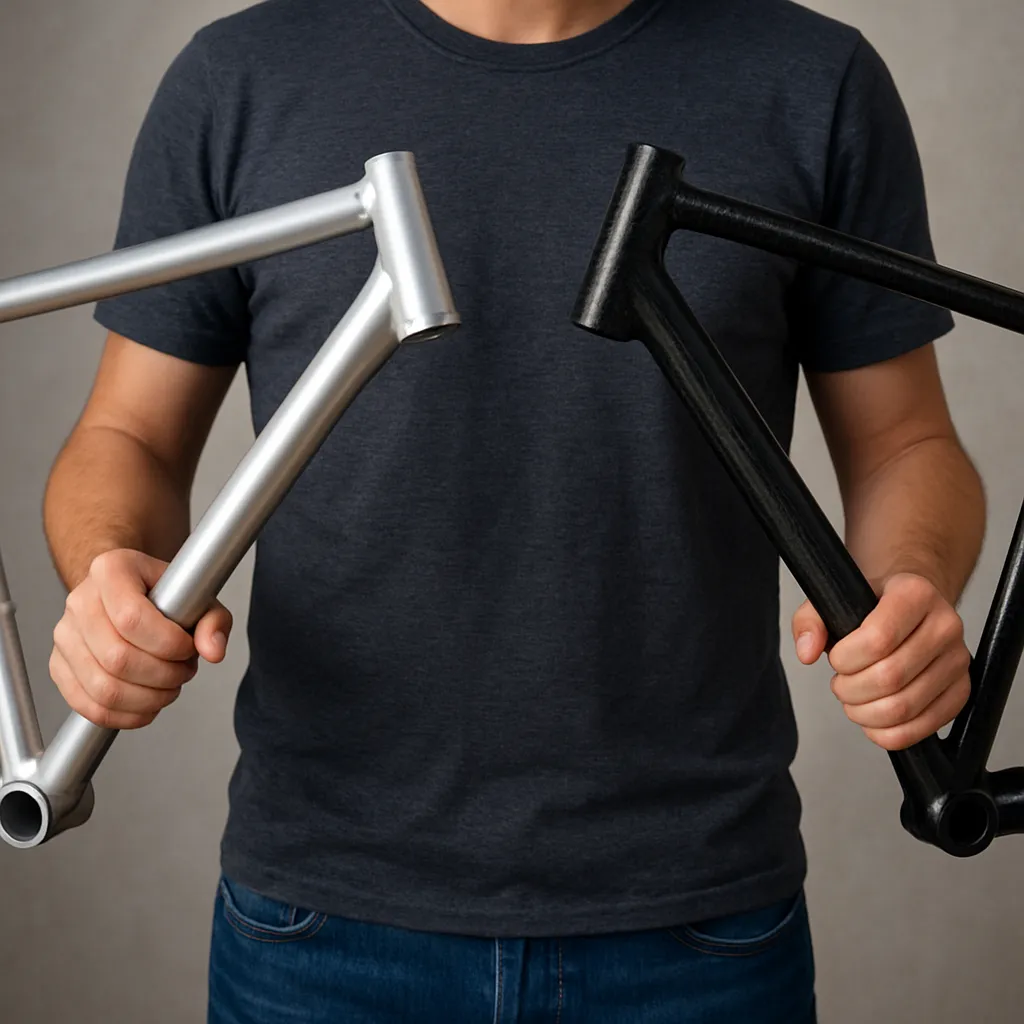
Stiffness directly affects how much of your pedal thrust gets translated into forward motion. Aluminum’s metallic structure offers naturally high torsional stiffness, making it ideal for sprinting and high-power efforts. Carbon’s stiffness can be customized, meaning certain sections of the frame can be made softer for comfort while other sections remain rigid for performance. This precise control often yields a lively and responsive ride.
Vibration Damping and Comfort
One of carbon fiber’s standout benefits is its ability to absorb road buzz and shocks, delivering a smoother ride over rough surfaces. The composite’s natural damping properties reduce rider fatigue on long rides. Aluminum frames, while stiff, transmit more vibrations to the rider, which can be fatiguing over time. Some manufacturers counteract this by using shaped tubes or adding compliance zones, but carbon still retains an edge in comfort.
Cost and Durability Considerations
Budget and longevity play pivotal roles in selecting a frame. While the upfront cost differences between aluminum and carbon may be significant, long-term factors such as maintenance, repairs, and resale value should also inform your decision.
Initial Investment
Aluminum frames are generally more affordable due to lower material costs and simpler production methods. You can find high-quality aluminum road and mountain bikes at accessible price points, with performance that often rivals entry-level carbon. Carbon fiber frames command premium prices, reflecting the complexity of their manufacturing. If you seek the lightest, most finely tuned ride, expect to invest more.
Repair and Crash Resistance
Aluminum frames can undergo plastic deformation in the event of a crash, sometimes making repairs straightforward (e.g., re-aligning bent stays). However, cracks and stress fractures can develop, and once a critical crack appears, the frame’s safety is compromised. Carbon fiber is more prone to catastrophic failure under severe impact—hidden delamination may necessitate professional inspection or replacement. On the upside, minor carbon damage can sometimes be repaired by specialists, albeit at a higher cost.
Longevity and Fatigue Life
Aluminum experiences metal fatigue over time; the repeated stress cycles can cause micro-cracks. High-quality aluminum frames are designed to last thousands of miles, but riders who log extreme mileage should monitor their frames for signs of wear. Carbon fiber doesn’t fatigue in the same way; if the layup remains intact, the frame can endure for many years. Nonetheless, UV exposure and environmental factors can degrade resin over time, so proper maintenance and storage are crucial.
Riding Style and Application
Your chosen discipline—road racing, gravel, mountain biking, touring—will heavily influence whether aluminum or carbon is more suitable. Each material has strengths that align more closely with specific cycling activities.
Road Racing
- Carbon frames dominate the professional peloton due to their exceptional power-to-weight ratio.
- Advanced aerodynamic shaping and precise layup techniques provide marginal gains crucial at elite levels.
Gravel and Adventure Riding
- Riders often prioritize comfort and durability over absolute weight savings.
- Aluminum’s rugged nature and cost-effectiveness make it a popular choice for gravel grinders.
- Carbon models offer more compliance on rough terrain but can be pricier to repair after a hard-packed hit.
Mountain Biking
- Carbon’s damping characteristics and ability to be molded into complex shapes deliver confidence on technical descents.
- Aluminum shines for all-mountain riders seeking value and ease of repair in remote locations.
Touring and Commuting
For everyday riders and long-distance tourers, reliability and comfort often outweigh minimal weight savings. Aluminum frames require less tinkering and are more forgiving if loaded with panniers or gear. While carbon touring frames exist, they may not offer the same robustness for heavy cargo over challenging roads.
Environmental and Maintenance Factors
Beyond performance and cost, environmental impact and ongoing maintenance should also inform your choice. From manufacturing footprints to end-of-life recycling, each material presents distinct considerations.
Sustainability and Recycling
Aluminum is highly recyclable with well-established global recycling streams. Recycling aluminum consumes significantly less energy compared to producing virgin metal. Carbon fiber recycling remains in its infancy; although emerging technologies can repurpose scrap fiber, widespread recycling solutions are not yet mainstream.
Routine Maintenance
Both frame types require similar upkeep of components (drivetrain, brakes, bearings). However, spotting damage on aluminum—such as visible cracks—can be more straightforward, while carbon damage may be hidden beneath the surface. Regular inspections and occasional professional checks are recommended for carbon frames, especially after heavy impacts.
Longevity of Finish
Paint and clear coatings on aluminum can chip or corrode at exposed welds, but protective treatments and proper care mitigate these issues. Carbon fiber often comes with a clear finish that highlights the weave, but UV inhibitors in the resin are essential to prevent discoloration over time.
Choosing between aluminum and carbon frames ultimately comes down to balancing performance goals, budget constraints, and personal riding preferences. Both materials offer compelling advantages, and the best choice aligns with your individual cycling journey.