Selecting the perfect bicycle tires can transform your ride from ordinary to exceptional. Whether you’re navigating city streets, carving through mountain trails, or tackling gravel paths, the right set of tires ensures optimal performance and safety. This guide will walk you through the essential factors to consider, from picking the correct tread design to mastering maintenance techniques for long-lasting performance.
Understanding Terrain Variations
Your choice of tires begins with analyzing where you ride most often. Different surfaces demand specialized features.
Pavement and Urban Cycling
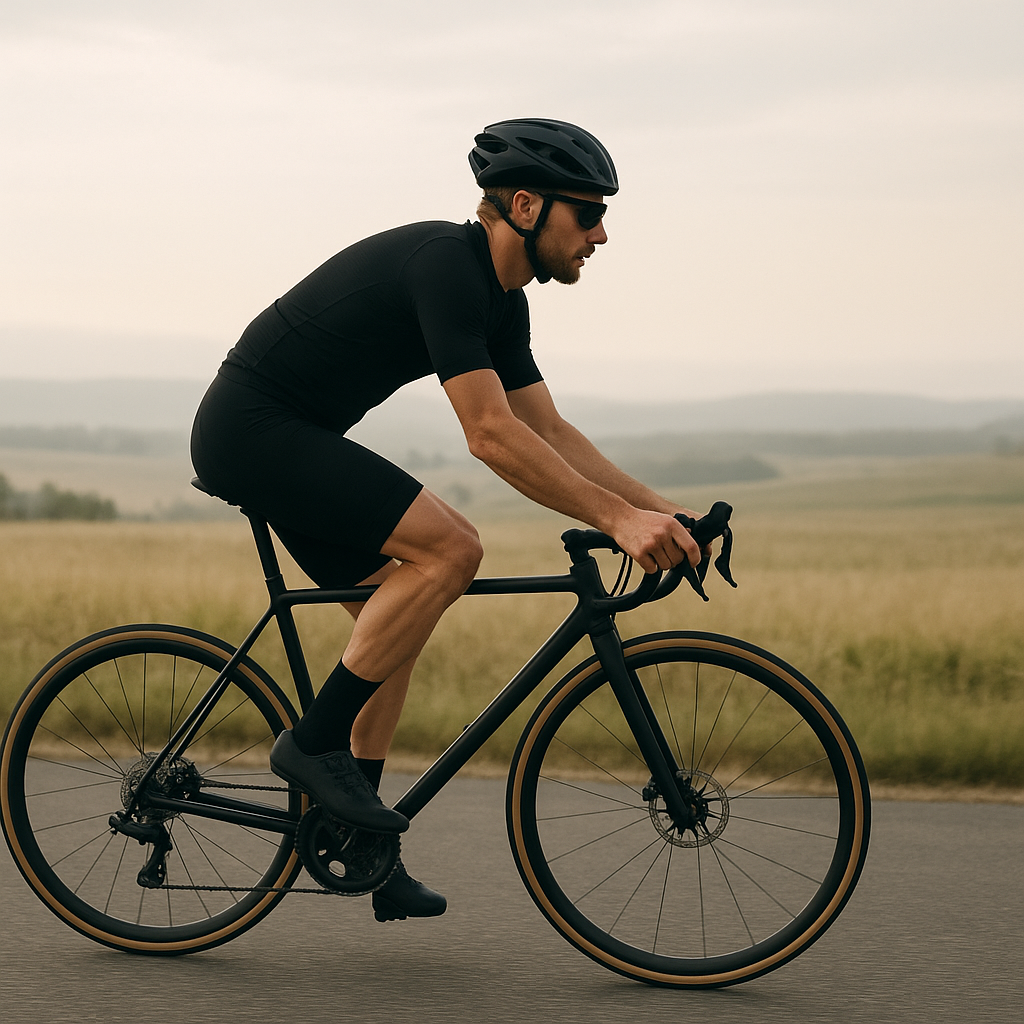
City streets are generally smooth and consistent, so you’ll want tires with low rolling resistance and reliable grip. Look for a tread pattern designed to minimize contact area without compromising stability. Many urban riders also value puncture resistance technologies, such as reinforced belts or protective liners, which help avoid flats from glass or debris.
- Width: 25–32 mm for speed and agility
- Pressure: 80–120 psi for smooth surfaces
- Features: reflective sidewalls, anti-puncture layers
Gravel and Mixed-Surface Riding
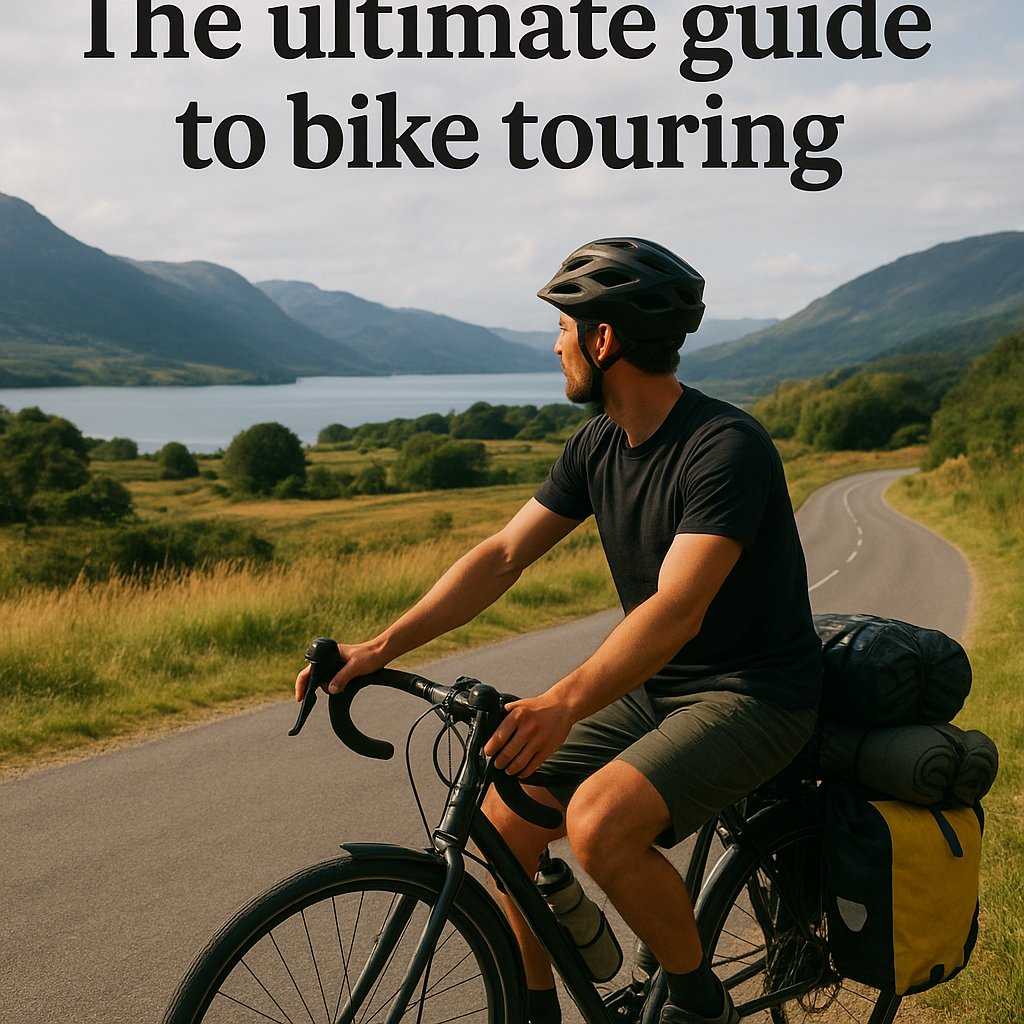
Riding on gravel roads, fire trails, or mixed surfaces requires versatility. Tires between 35–45 mm wide strike a balance between speed and cushioning. Their compound must be supple enough to absorb small stones while durable enough to resist cuts. A semi-aggressive center tread helps maintain momentum, while side knobs provide cornering grip.
- Width: 35–45 mm for stability
- Pressure: 40–60 psi for comfort and control
- Features: tubeless-ready design, folding bead for weight savings
Off-Road and Mountain Biking
For singletrack or technical trails, your tires are crucial for traction and confidence. Aggressive knobs dig into loose surfaces, providing exceptional traction. Look for high-volume tires (2.2–2.5″) with robust sidewalls for cornering support. Advanced tubeless setups reduce pinch flats and allow you to run lower pressures.
- Width: 2.2–2.5″ for shock absorption
- Pressure: 20–35 psi for grip
- Features: reinforced sidewall, dual-compound construction
Matching Tire Characteristics to Terrain
The interplay between tire features defines your ride quality. Below are key attributes and how they affect performance across different environments.
Tread Pattern and Knob Configuration
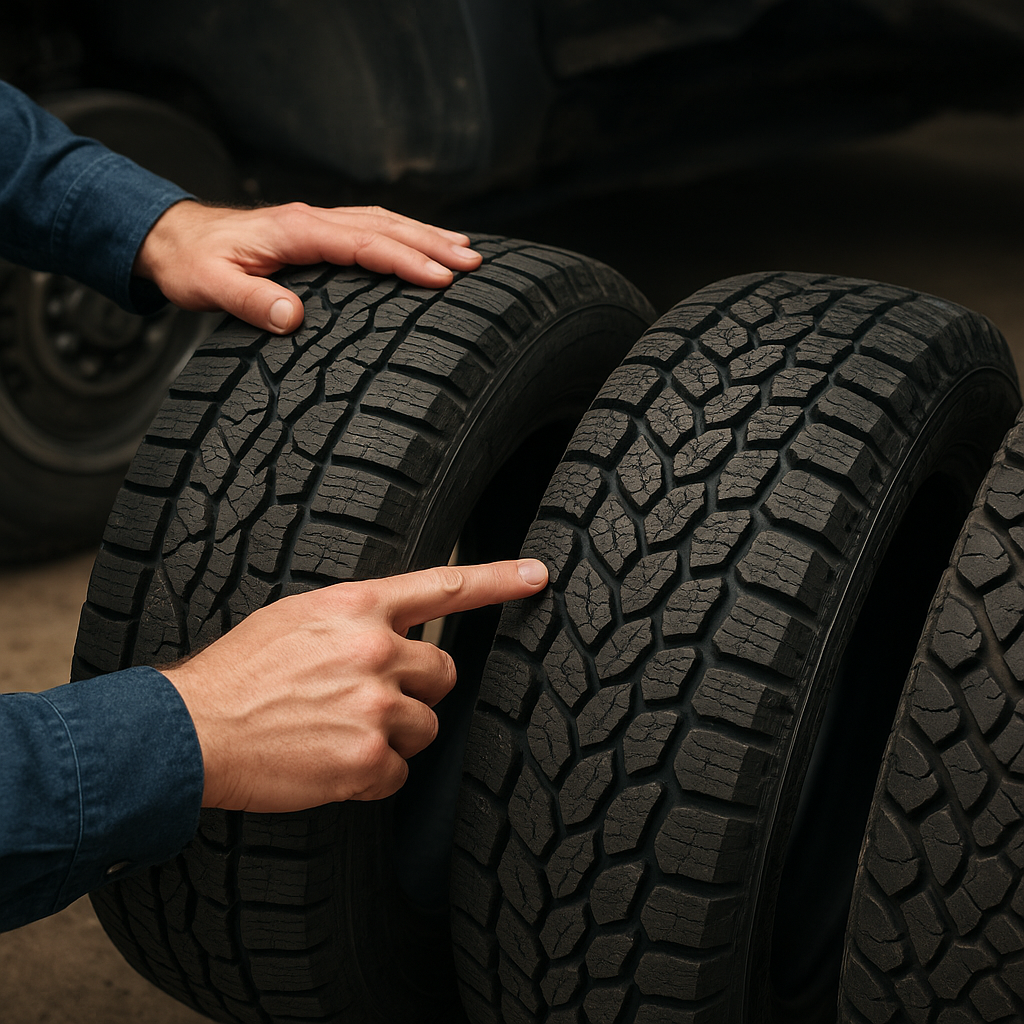
Tread design influences rolling resistance, cornering, and braking. Smooth center treads excel on hardpack, while open shoulder knobs shed mud on soft trails. Hybrid approaches combine a slick middle with pronounced side blocks. Understanding these nuances lets you choose a tire that performs exceptionally where you ride most.
Rubber Compound and Durability
Tire compounds involve trade-offs between grip and longevity. Softer mixtures enhance traction in wet or loose terrain but wear faster. Harder compounds resist abrasion, making them ideal for rocky or urban routes. Some premium tires incorporate multi-compound layers, using a softer edge for cornering and a hard center for straight-line durability.
Bead Types and Installation
You’ll encounter two main bead types: wire and folding (Kevlar or aramid). Wire beads are cost-effective but heavier, while folding beads save grams and pack flat for emergencies. For many modern riders, tubeless-ready folding tires provide the best combination of low weight, tubeless compatibility, and ease of storage.
Maintenance and Installation Tips
Proper tire care extends lifespan and ensures consistent performance.
Inspecting for Wear and Damage
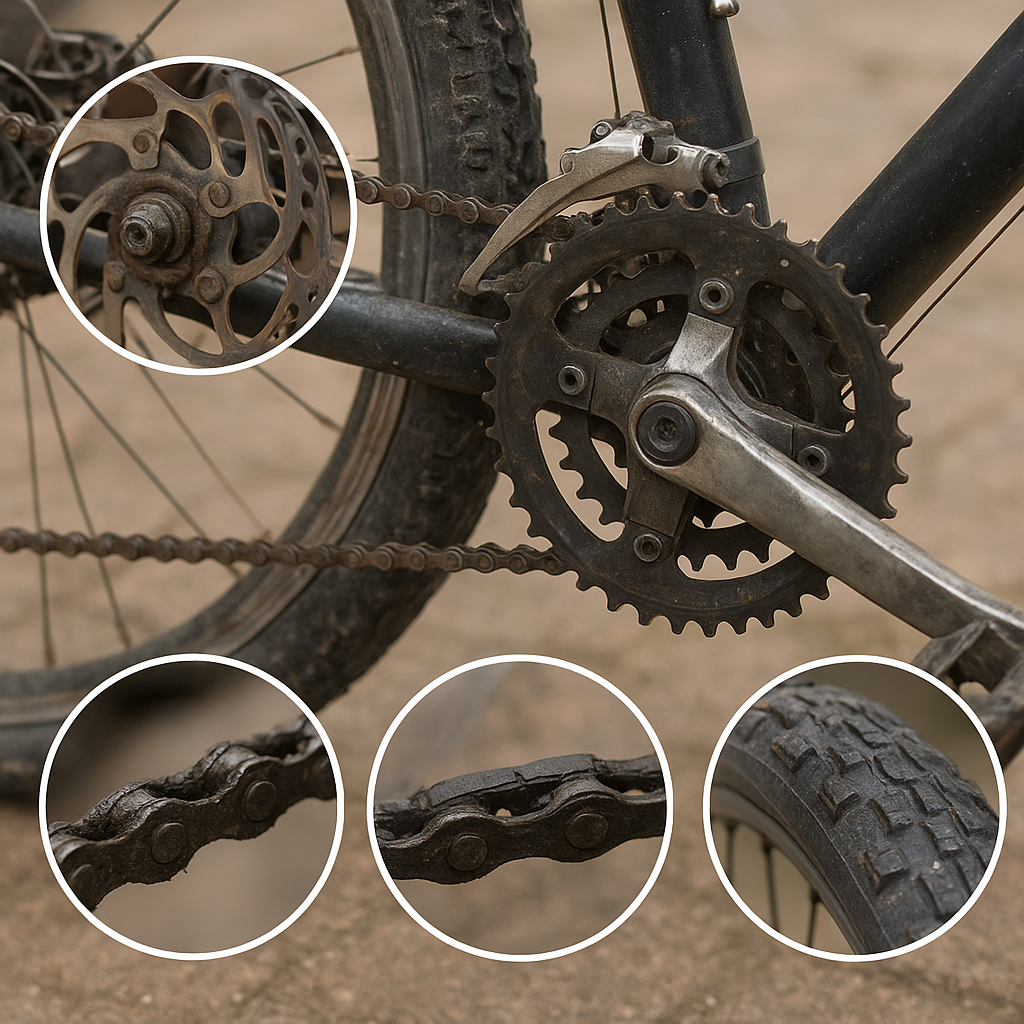
Regularly check your tires for cuts, embedded debris, or excessive wear. Pay attention to sidewalls and tread depth. Small tears can grow into serious failures, so address damage immediately. A quick wipe-down after every few rides keeps grit from abrading the rubber.
Setting Correct Tire Pressure
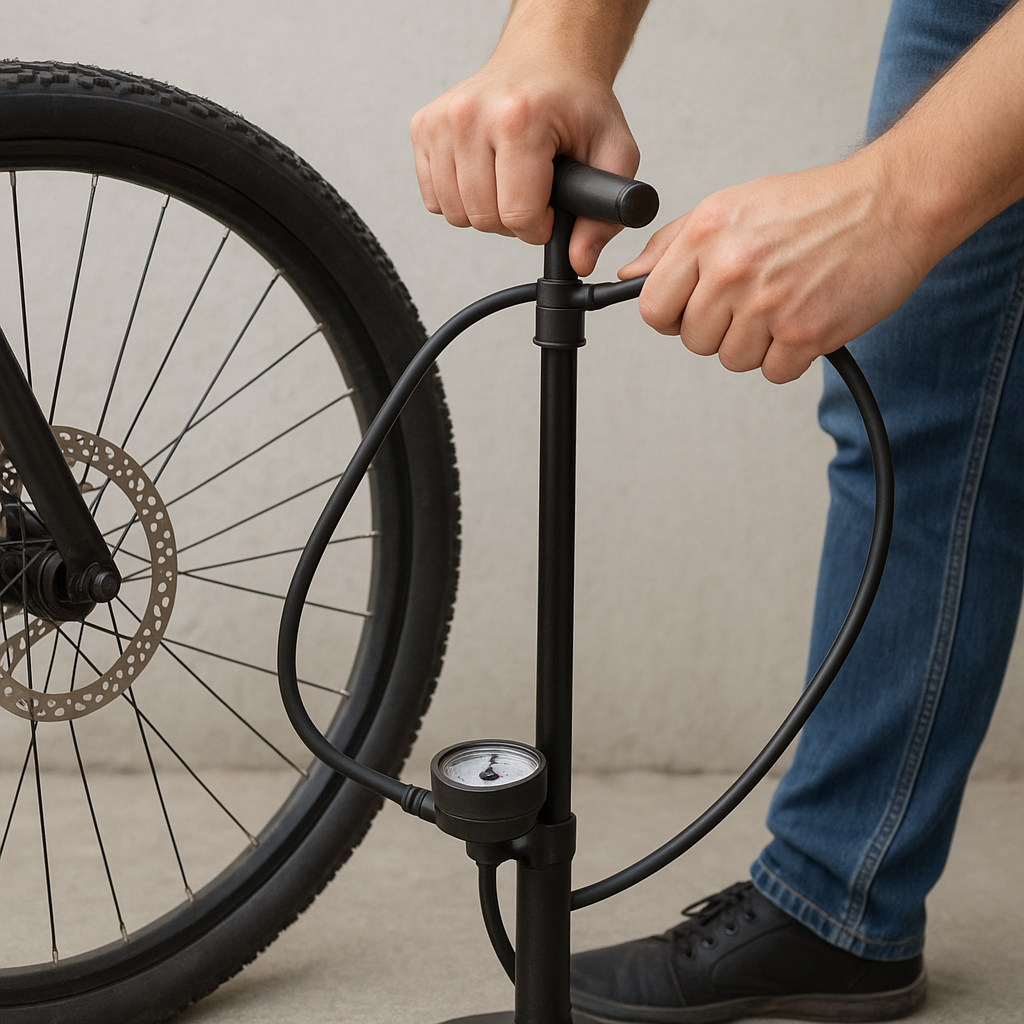
Optimal pressure varies by tire width, rider weight, and terrain. Using a high-quality pump with a gauge, dial in the recommended range printed on the sidewall. Lower pressures increase contact patch and grip on loose surfaces, while higher pressures reduce rolling resistance on hardpack roads.
- Road: 80–120 psi
- Gravel: 40–60 psi
- Mountain: 20–35 psi
Installing and Sealing Tubeless Tires
For tubeless setups, ensure the rim tape is properly seated and free of gaps. Add the correct amount of sealant, typically 30–60 ml depending on tire volume. Inflate quickly using a booster or track pump to seat the bead. Rotate and shake the wheel to distribute sealant evenly for optimal puncture protection.
- Clean rim bed and apply tubeless tape
- Install tubeless valve and tighten securely
- Add sealant, inflate, and rotate wheel
Choosing the Right Tire for Your Riding Style
Consider how aggressively you ride. Race-focused cyclists prioritize weight savings and speed, often opting for narrow, slick tires with lightweight casings. Leisure or adventure riders may favor wider, more durable options that handle rough roads and light trails alike. Align your selection with your priorities: speed, comfort, or reliability.
By understanding the relationship between tire design and riding conditions, you can confidently choose the right set for your adventures. Investing time in the selection process, proper installation, and regular maintenance will pay dividends in performance and safety on every ride.