Storing a bicycle properly at home can greatly extend its lifespan and keep your living space organized. With the right approach, you can protect your valuable ride from damage, free up valuable floor floor, and create a clean, attractive environment for both you and your guests. This guide explores various storage solutions, installation tips, and maintenance tasks to ensure your bike remains in prime condition when not on the road.
Choosing the Right Storage Location
The first step in effective bike storage is identifying the ideal spot in your home. Consider factors like space availability, accessibility, and environmental conditions. A cluttered corner of your living room may offer quick access but could expose your bike to accidental knocks or dust accumulation. A garage or utility room provides more privacy, yet fluctuating temperatures and moisture can pose challenges.
Assessing Environmental Factors
- Temperature Variations: Extreme heat or cold may affect components such as tires and lubricants.
- Humidity Levels: High humidity promotes rust and corrosion, so aim for a dry area or use a dehumidifier.
- Ventilation: Good airflow prevents musty odors and moisture buildup around metal parts.
Ideally, choose a space with stable temperature, low humidity, and minimal direct sunlight. If natural light is unavoidable, consider UV-resistant covers to maintain protection against fading or plastic component damage.
Wall-Mounted and Ceiling Racks
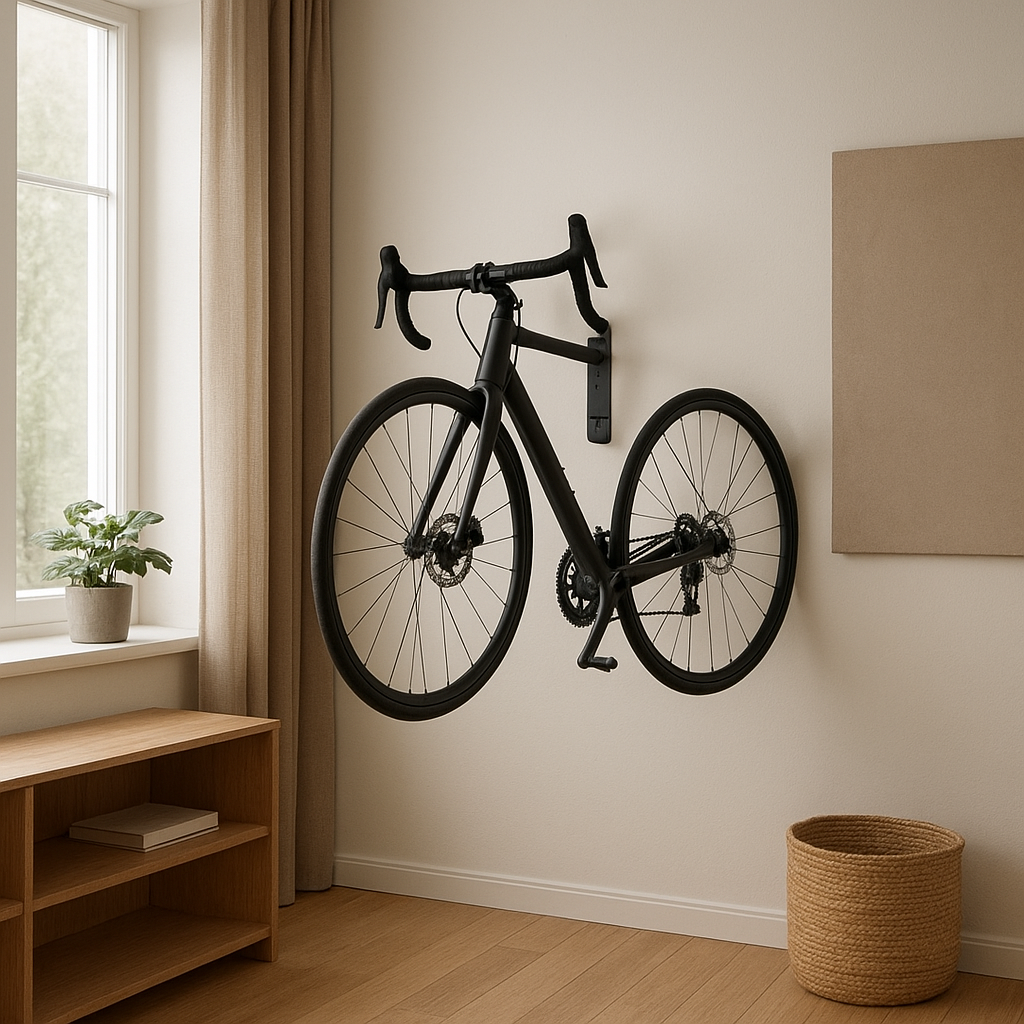
Wall and ceiling mounts offer a cost-effective way to store one or multiple bikes while reclaiming floor area. These systems come in various forms, from simple hooks to sophisticated pulley mechanisms that help lift heavy frames effortlessly.
Wall Hooks and Brackets
- Simple Hooks: Ideal for lightweight or children’s bikes, but ensure they are firmly anchored into studs or solid masonry.
- Adjustable Brackets: These support a wider range of frame sizes and shapes, offering adjustable cradle positions.
- Protective Padding: Look for designs with rubber or foam inserts to prevent scratches on your frame.
Ceiling-Mounted Pulley Systems
- Ease of Installation: Most kits include pulleys, ropes, and mounting hardware for quick setup.
- Weight Capacity: Confirm the system supports your bike’s weight, plus any accessories like baskets or racks.
- Space Efficiency: Lifting your bike overhead frees up floor space for exercise equipment or storage boxes.
Prior to installation, locate ceiling joists or wall studs with a stud finder. Use heavy-duty screws or lag bolts and check for nearby electrical wires or plumbing behind walls. Always follow manufacturer instructions for secure installation and consider professional help for heavy-duty systems to ensure long-term durability.
Freestanding Racks and Stands
If drilling into walls or ceilings isn’t an option—due to rental restrictions or aesthetic concerns—freestanding racks and stands are excellent alternatives. These units range from compact single-bike holders to multi-bike salon displays suited for garages and basements.
Types of Freestanding Solutions
- A-Frame Stands: Economical and stable, these hold the bike by wheels and require no adhesives or hardware.
- Vertical Floor Racks: Secure the bike upright by clamping the front wheel or frame, maximizing vertical space.
- Multi-Tier Racks: Designed for multiple bikes, often used in family homes or shared living arrangements.
Freestanding racks offer portability and convenience—you can reposition them as needed. However, ensure your chosen model has non-skid rubber feet or a weighted base to prevent tipping. For repeated use, select a sturdy design crafted from robust materials like steel or reinforced aluminum.
Maintenance Considerations for Stored Bikes
Proper storage goes hand in hand with routine maintenance. Even a well-positioned bike can suffer if left untouched for long periods. Follow these steps to keep your ride in optimal condition:
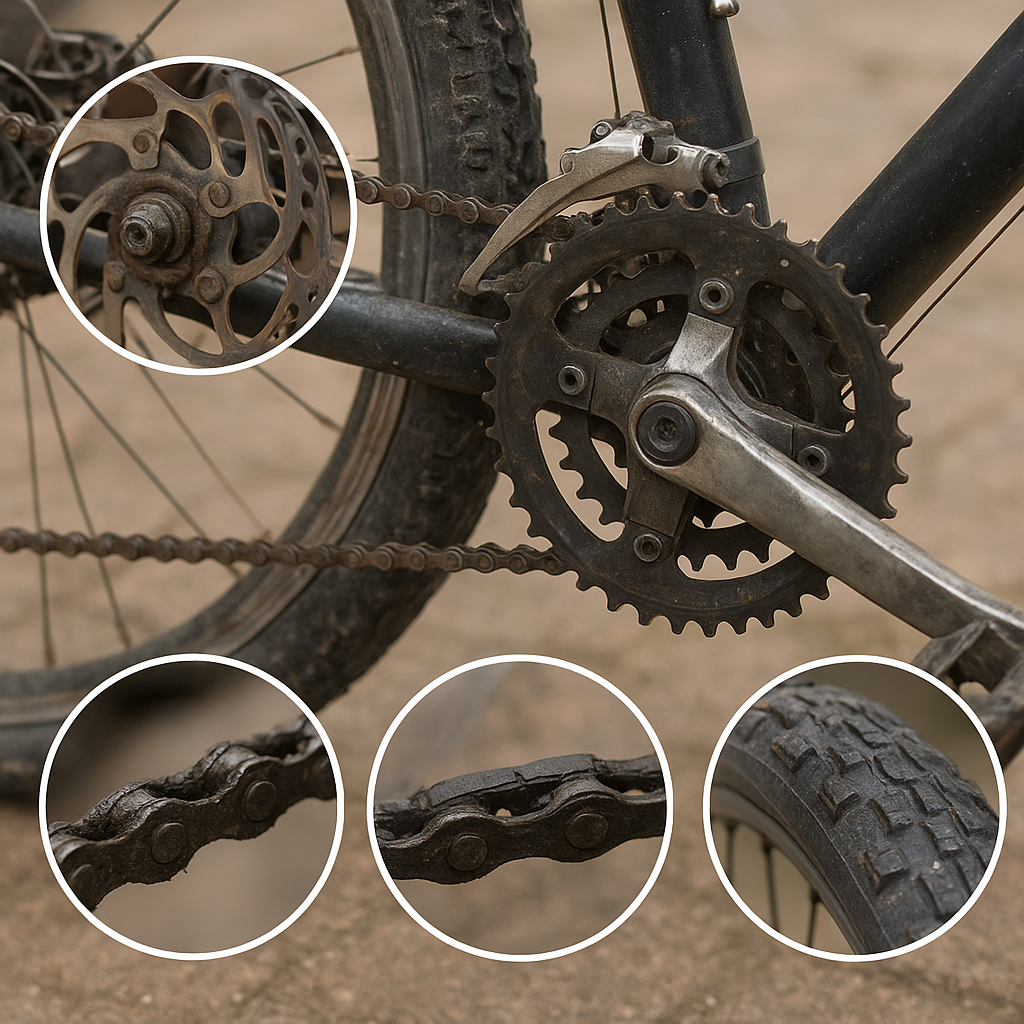
- Cleaning Before Storage: Wipe down the frame, drivetrain, and components to remove grime and road salt.
- Lubrication: Apply chain lube and oil pivot points to prevent rust. Remove excess lubricant to avoid attracting dust.
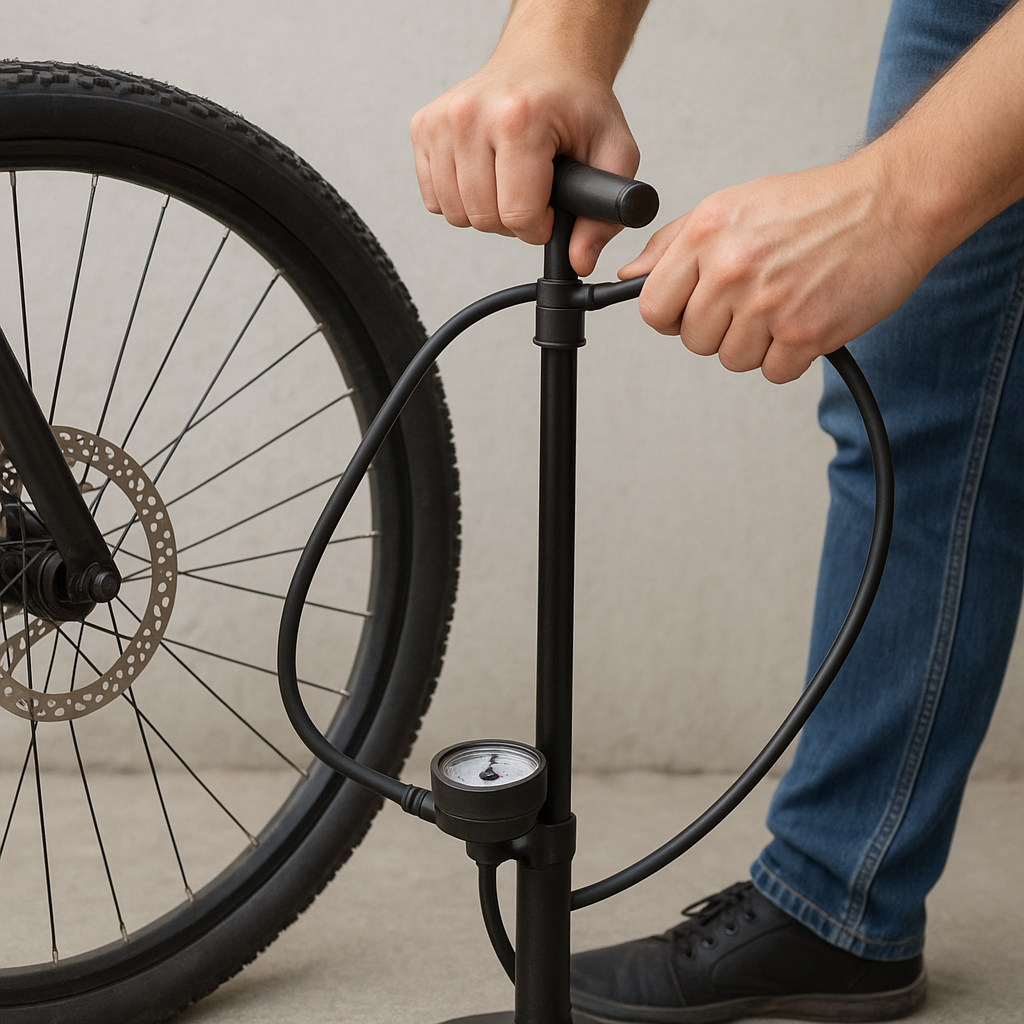
- Inflation Check: Maintain recommended tire pressure to avoid flat spots or rim damage over time.
- Covering: Use a breathable bike cover or cloth drape to guard against dust, while still allowing air circulation.
- Periodic Inspection: Rotate wheels, shift gears, and briefly ride the bike every few weeks to redistribute lubricants and keep seals functional.
For long-term storage, consider using a frame protector spray or silicone-based coating on exposed metal joints. This additional layer of protection helps shield against moisture and corrosion, especially in areas prone to dampness.
Security and Accessibility
Your bike’s storage solution should balance security with easy access for spontaneous rides. Here are several strategies to consider:
- Lockable Storage Cabinets: Enclose your bike in a metal cabinet with a built-in lock, ideal for high-value models.
- Indoor Bike Locks: Use a compact U-lock or cable lock to secure your bike to an immovable anchor point inside.
- Hidden Alcoves: Create a discreet niche behind doors or in closets to discourage theft while maintaining quick access.
Install motion-sensor lights or small CCTV cameras for added peace of mind in shared spaces like basements or garages. Combine physical deterrents with well-chosen placement to reduce potential theft risks.
Cost-Benefit Analysis
When selecting a storage solution, weigh the initial investment against long-term benefits. While premium wall-mounted systems or freestanding racks may carry a higher upfront cost, they prevent damage, reduce clutter, and save money on repairs down the line. Conversely, DIY alternatives using reclaimed wood or surplus hardware can be cost-effective, but always prioritize durability and safety to safeguard your bicycle.
- High-End Solutions: Often backed by warranties and professional support.
- DIY Projects: Customizable to fit unique spaces but require careful planning and quality materials.
- Budget-Friendly Racks: Available online or at sporting goods stores, ideal for casual cyclists.
By evaluating your budget, expected usage, and available space, you can select the optimal storage strategy that aligns with your lifestyle and bike habits.
Final Thoughts on Design and Functionality
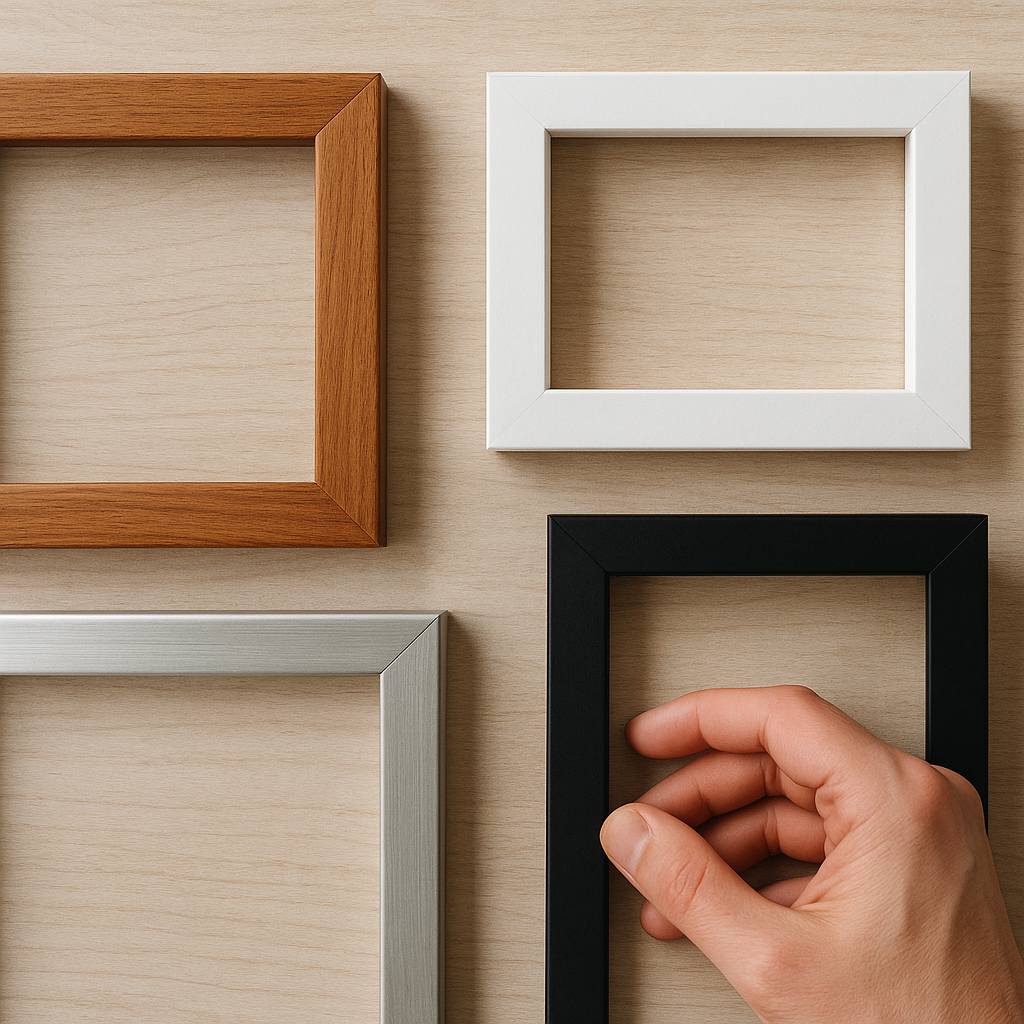
Combining your storage solution with home decor can yield both practical and aesthetic dividends. Explore options such as decorative wooden racks, painted metal hooks, or even repurposed architectural elements to integrate your bicycle into the living room or hallway as a stylish focal point.
Key Takeaway
Whether you opt for a sleek wall-mounted hook system, a versatile freestanding stand, or a concealed closet setup, prioritizing proper installation, routine maintenance, and thoughtful site selection will ensure your bike remains in top condition and ready for every ride.