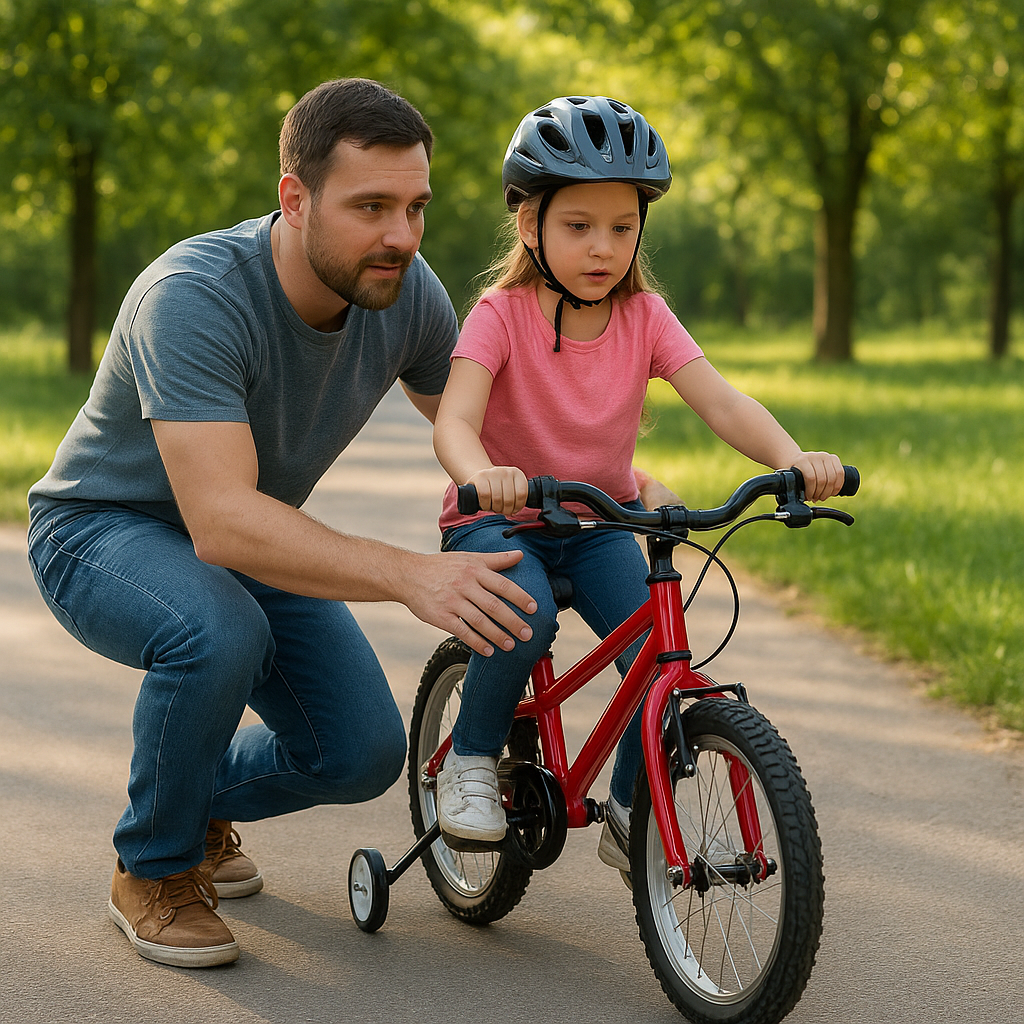
Learning to pedal independently opens doors to new adventures and personal growth. Guiding a young rider from tentative first steps to confident glides involves more than merely teaching them to pedal; it’s about nurturing confidence, fostering balance, and celebrating every small progress. This comprehensive guide covers all essential aspects, offering parents practical tips and creative approaches to help their little one develop skills, safety awareness, and a lasting love for cycling.
Choosing the Right Bike and Safety Gear
Selecting the Frame and Wheels
Finding a bicycle that suits your youngster’s height, weight, and coordination level is the very first step. A correctly sized bike will allow your child to plant their feet firmly on the ground when seated, ensuring a sense of security. Look for:
- Lightweight aluminum or steel frames, which are easy to maneuver
- Wheels sized appropriately: 12-inch for toddlers, 14–16-inch for preschoolers, and upward for older kids
- An adjustable seat post and handlebars to grow with your little rider
While a snug fit is crucial, avoid forcing a bike that’s too small; this can hamper comfort and stunt the learning process.
Essential Protective Gear
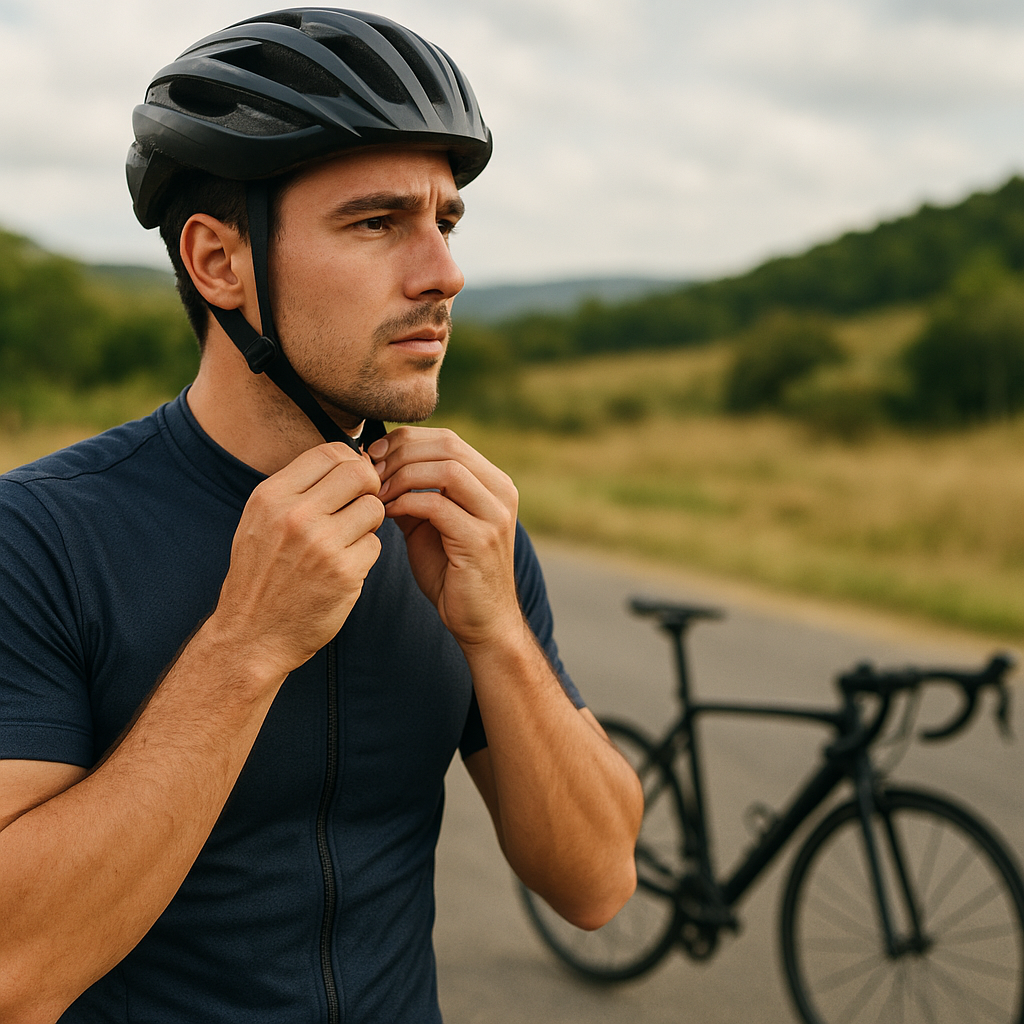
Safety must always come first. Equipping your child with the proper gear not only reduces the risk of injury but also boosts their sense of support and security. Ensure they wear:
- Helmet: A snug, well-ventilated helmet that meets safety standards
- Knee and elbow pads with soft padding for falls
- Closed-toe shoes with a firm grip on the pedals
- Bright or reflective clothing for enhanced visibility
Teaching your young cyclist to fasten straps correctly and check for proper fit instills habits that will serve them well on every ride.
Building Balance and Confidence
Starting with Balance Bikes
Balance bikes, which lack pedals, are an innovative way to help children master balance and confidence before introducing pedaling. By pushing with their feet and coasting, kids learn to:
- Sit upright and look ahead, crucial for steering
- Feel how body weight shifts influence direction
- Develop core strength and coordination naturally
Regular short sessions on a smooth, flat surface enable your little one to focus on steering and gliding without worrying about pedaling mechanics.
Removing Training Wheels
While training wheels may seem helpful, they can prevent a child from experiencing true balancing dynamics. If you transition early, you encourage active weight shifting and independent adjustment. Strategies include:
- Lowering the saddle so feet touch the ground easily
- Practicing coasting by having the child push off with one foot and lift both feet once momentum is achieved
- Holding only the back of the seat initially, rather than the handlebars, to avoid pulling the handlebars in the wrong direction
This approach cultivates independence and accelerates their ability to balance unassisted.
Progressive Teaching Techniques
One-Step at a Time
Breaking down the learning process into manageable tasks reduces overwhelm. Consider structuring lessons as follows:
- Session 1: Scooting and pushing off with feet to glide
- Session 2: Introducing gentle turns at low speeds
- Session 3: Adding controlled braking exercises
By mastering each skill before moving on, your child gains tangible wins and stays motivated.
The Running Start Method
Once a basic glide is comfortable, encourage your young rider to begin from a running start. Help them stand beside the bike, walk or jog, and then hop onto the seat once the bike reaches light speed. This method helps them:
- Learn to mount the bike quickly
- Manage balance at the moment of takeoff
- Feel the rhythm of pedal strokes immediately
Offer gentle reminders about looking forward and relaxing their grip on the handlebars to maintain smooth momentum.
Guided Coasting
Transition from holding the seat to lightly touching the child’s back or shoulders. This less intrusive support lets them sense the natural lean required for turns and helps refine their steering technique. Tips for effective guided coasting:
- Stay close but avoid controlling the bike’s direction
- Encourage them to “steer with their eyes,” looking where they intend to go
- Use verbal cues like “lean with your body” rather than pulling handlebars
Gradually reduce support over a series of sessions until they’re coasting completely solo.
Maintaining Momentum and Enjoyment
Positive Reinforcement
Hearing praise from a trusted adult fuels a child’s eagerness to learn. Focus on specific achievements:
- “Great job keeping your back straight!”
- “I love how you tapped your brakes gently.”
- “You just made that turn so smoothly!”
A small reward, like a sticker or an extra trip around the block, can turn practice into a fun celebration of effort and improvement.
Fun Riding Games
Turning lessons into playful challenges sustains interest and builds core skills. Try:
- An obstacle course of cones to navigate tight turns
- A slow race, where the last to cross the finish line wins, to refine braking and balance
- Follow-the-leader rides, alternating roles to teach pacing and observation
Games encourage creativity and help your child associate cycling with shared joy, boosting their intrinsic motivation.
Regular Maintenance and Next Steps
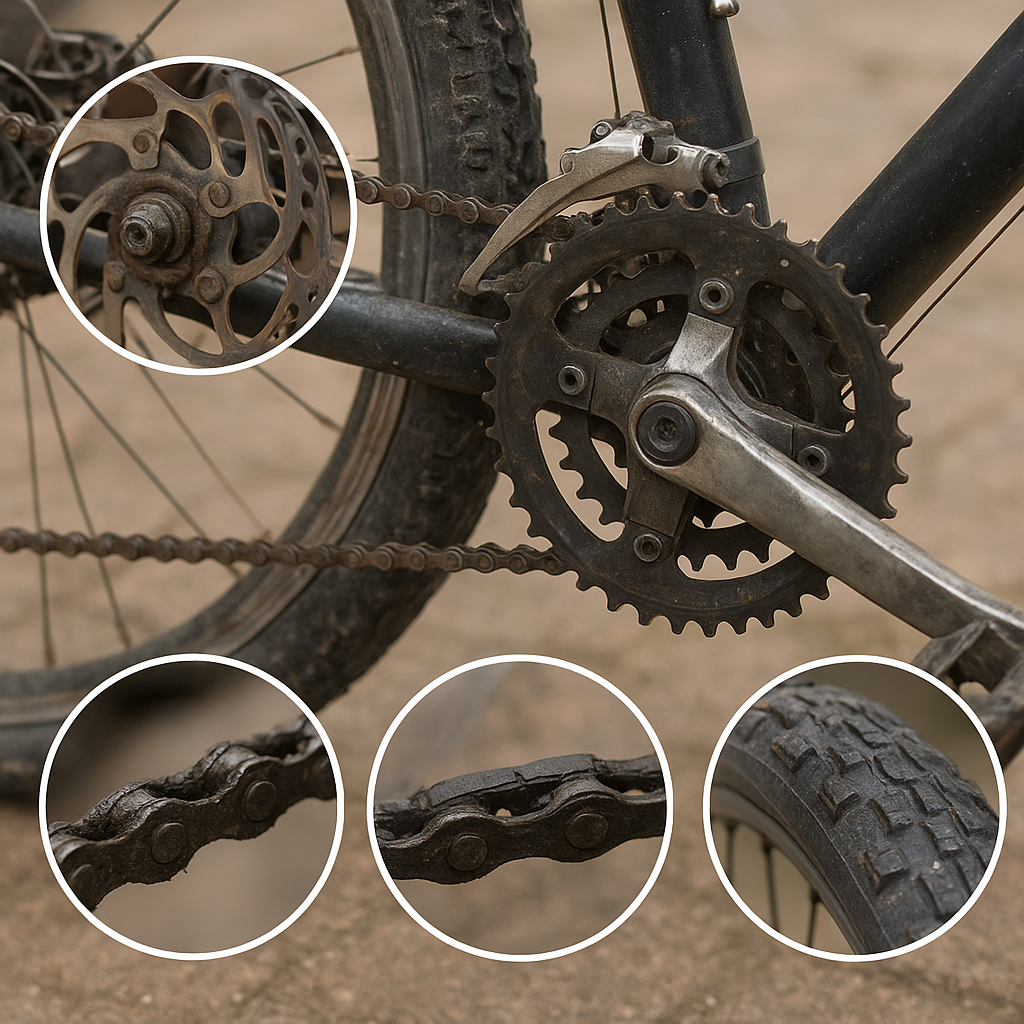
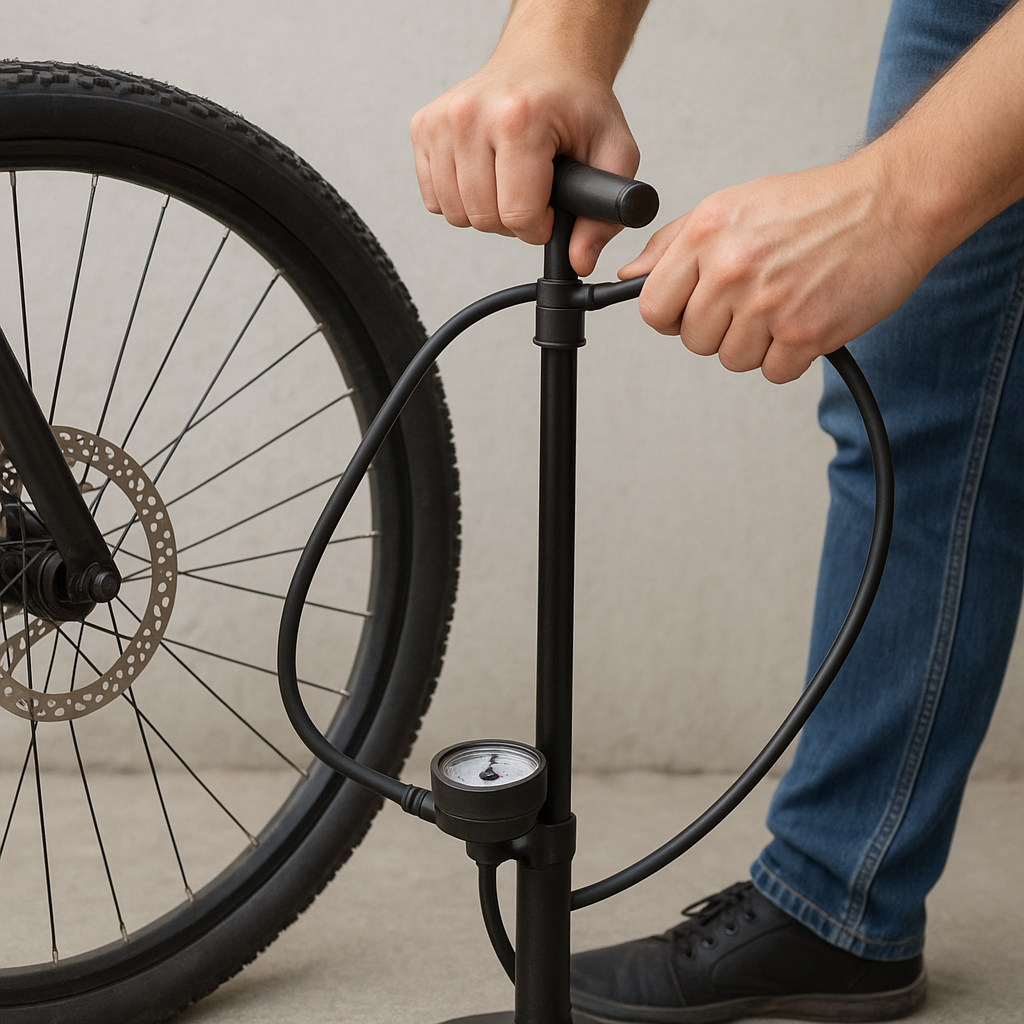
Teaching basic bike care empowers young riders to take ownership of their equipment. Simple tasks include:
- Checking tire pressure and inflating as needed
- Lubricating the chain for smooth pedal strokes
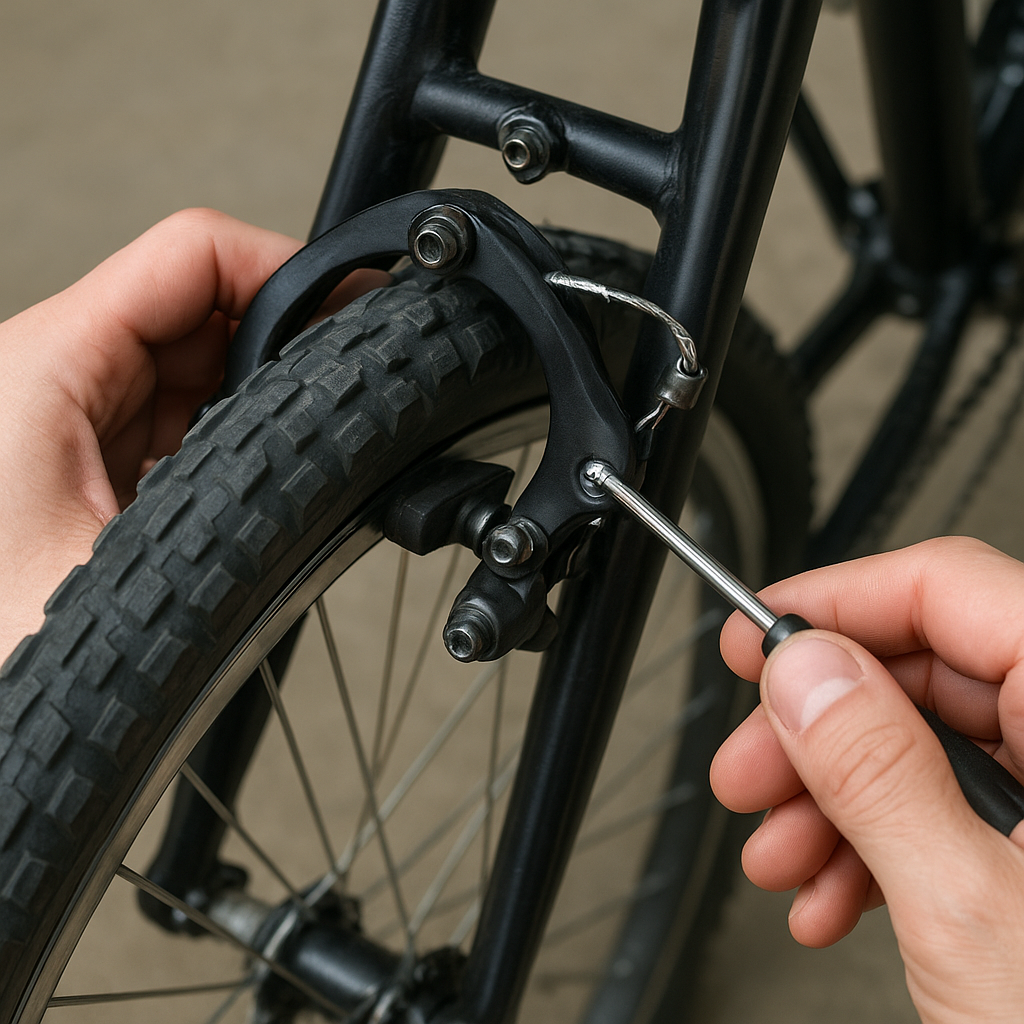
- Tightening loose nuts or bolts under adult supervision
As skills solidify, introduce more advanced elements such as gear shifting, hill climbing, or group rides with neighborhood friends. Always reinforce that perseverance and persistence lead to mastery.
Every young cyclist’s journey unfolds at its own pace. By combining the right equipment, measured teaching methods, and a healthy dose of encouragement, you’ll set the stage for lifelong memories and a passion for two-wheeled adventures.