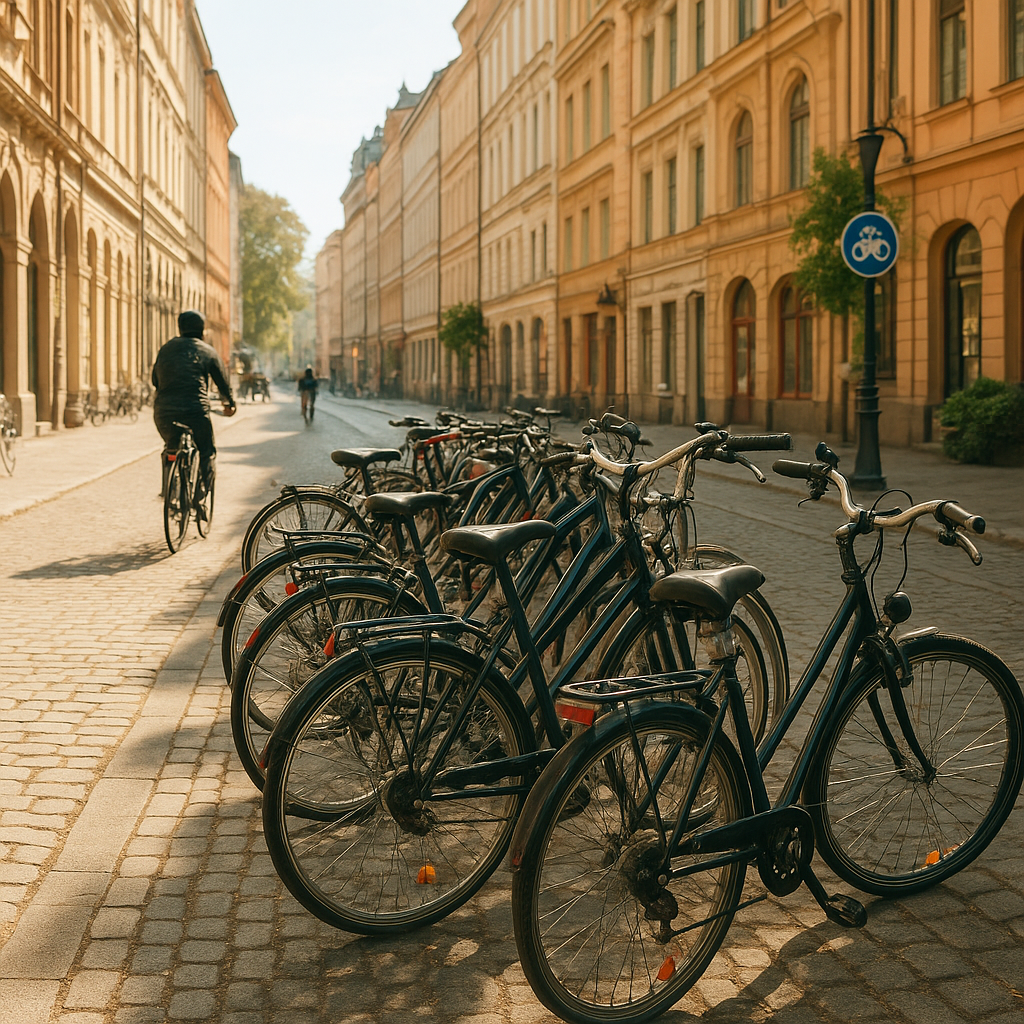
Cycling has transcended mere recreation to become a pivotal mode of **urban** transport, reshaping how communities interact with their surroundings. From meticulously designed lanes to cutting-edge bike-sharing programs, the world’s most esteemed cycling havens exemplify a **holistic** approach to mobility. This article explores the essential ingredients that elevate certain metropolises above the rest: visionary **infrastructure**, robust policy frameworks, and a cultural embrace of the humble bicycle.
Efficient Cycling Infrastructure in Leading Cities
Amsterdam: A Model of Accessibility
Often considered the gold standard for cyclists, Amsterdam boasts an interconnected network of more than 500 km of designated **bike** lanes. These lanes are segregated from vehicular traffic, granting riders a safe conduit through the city’s historic canals and narrow streets. A hallmark feature is the elaborate system of multi-level bicycle parking facilities, which can accommodate thousands of bikes at train stations such as Amsterdam Central. The result is an environment where cycling is not only convenient but integral to daily life.
Copenhagen: Prioritizing Safety
In Copenhagen, nearly half of all commuters choose to cycle to work. This high modal share stems from rigorous safety standards and a comprehensive policy that mandates a minimal distance between car lanes and cycle tracks. Elevated cycle bridges, like the famed Cykelslangen (“The Cycle Snake”), weave through the harborfront, offering a **picturesque** and uninterrupted path above pedestrian zones. By combining thoughtful design with strict enforcement of traffic laws, Copenhagen has cultivated one of the safest cycling ecosystems globally.
Community Engagement and Urban Planning
Portland: Grassroots Movements Driving Change
Portland’s journey to becoming a cycling powerhouse began with community advocacy groups championing protected bike lanes. The city’s visionary Bureau of Transportation listens to local voices, incorporating **public** feedback into every project. Initiatives such as Sunday Parkways temporarily close major roads to cars, inviting families to explore neighborhoods on foot or two wheels. This participatory approach has nurtured a strong cycling culture where residents feel personally invested in infrastructure improvements.
Bogotá: Embracing Ciclovía
Every Sunday and holiday, Bogotá transforms over 120 km of streets into a cyclist’s paradise with its iconic Ciclovía program. Millions of residents traverse these car-free corridors, enjoying a day of **community**, exercise, and commerce as local vendors set up pop-up markets. Beyond recreation, the initiative underscores how temporary closures can spark permanent policy changes, leading to expanded networks of protected lanes throughout the urban core.
Integrating Bicycles with Public Transportation
Seoul: High-Tech Bike-Sharing
Seoul’s Ddareungi system exemplifies **innovation** in bike-sharing. With hundreds of docking stations strategically located near subway exits and bus terminals, commuters seamlessly switch modes within minutes. A smartphone app provides real-time availability and navigation assistance, reducing the friction often associated with last-mile connectivity. Additionally, the city’s flat fee structure and smart-lock technology ensure affordability and user convenience.
Montreal: Seamless Connections
In Montreal, the BIXI program works in tandem with the metro network to encourage multi-modal journeys. Secure bicycle racks are installed on trains, and select stations feature indoor bike parking with 24-hour access. During winter months, the city maintains designated bike lanes to promote year-round cycling. By blending public transit with bicycle infrastructure, Montreal demonstrates how **accessibility** can flourish in diverse climates.
The Role of Tourism and Innovation
Tokyo: Tech-Forward Commuting
Japan’s capital integrates cycling into its high-paced rail system. Lockers and covered bicycle parks cluster around major **train** hubs, while sharing services like Docomo Bike Share provide GPS-enabled rentals across the 23 wards. Cutting-edge features include automated bicycle lifts in underground garages, conserving street space and enhancing security. Tokyo’s blend of tradition and technology offers a glimpse into the future of smart **mobility**.
Berlin: Historic Routes Reimagined
Berlin invites tourists to explore its rich history along the Baltic Cycle Route and the Berlin Wall Trail. Guided tours combine heritage sites with ample bike lanes, supported by a public-rental scheme known as Nextbike. By capitalizing on cultural landmarks and repurposing old railway lines into scenic greenways, Berlin has turned cycling into an appealing form of **tourism** that also benefits local economies.
Challenges and Future Directions
Despite these success stories, even the most bike-friendly cities face ongoing **challenges**: equitable access across neighborhoods, seasonal weather fluctuations, and the integration of emerging micromobility devices. Future urban plans will likely emphasize adaptive designs, such as modular lanes that can be reconfigured based on traffic patterns, and **data-driven** analytics to optimize maintenance schedules and expansion projects. As cities worldwide observe best practices from pioneers like Amsterdam and Copenhagen, the bicycle’s role in shaping sustainable, livable communities will only grow stronger.