The realm of professional cycling has long been a laboratory for cutting-edge advancements, shaping not only elite performance but also the daily experiences of recreational riders. From refined bike frames to advanced training protocols, the influence of top-tier athletes and teams permeates every aspect of cycling culture. This article delves into how innovations pioneered at the highest level resonate down to weekend riders, boosting enthusiasm, skill, and safety across the globe.
Aerodynamics and Technology Transfer
Frames and Materials
Professional teams invest millions in research to optimize every gram of a bicycle. The use of carbon fiber composites, originally developed for space and aviation, has been refined by pro mechanics into lighter, stiffer frames. Today’s everyday rider can choose from a vast array of innovation-driven frames that deliver unparalleled ride quality and durability. These advanced materials not only improve power transfer but also enhance comfort by dampening road vibrations.
Aerodynamic Equipment
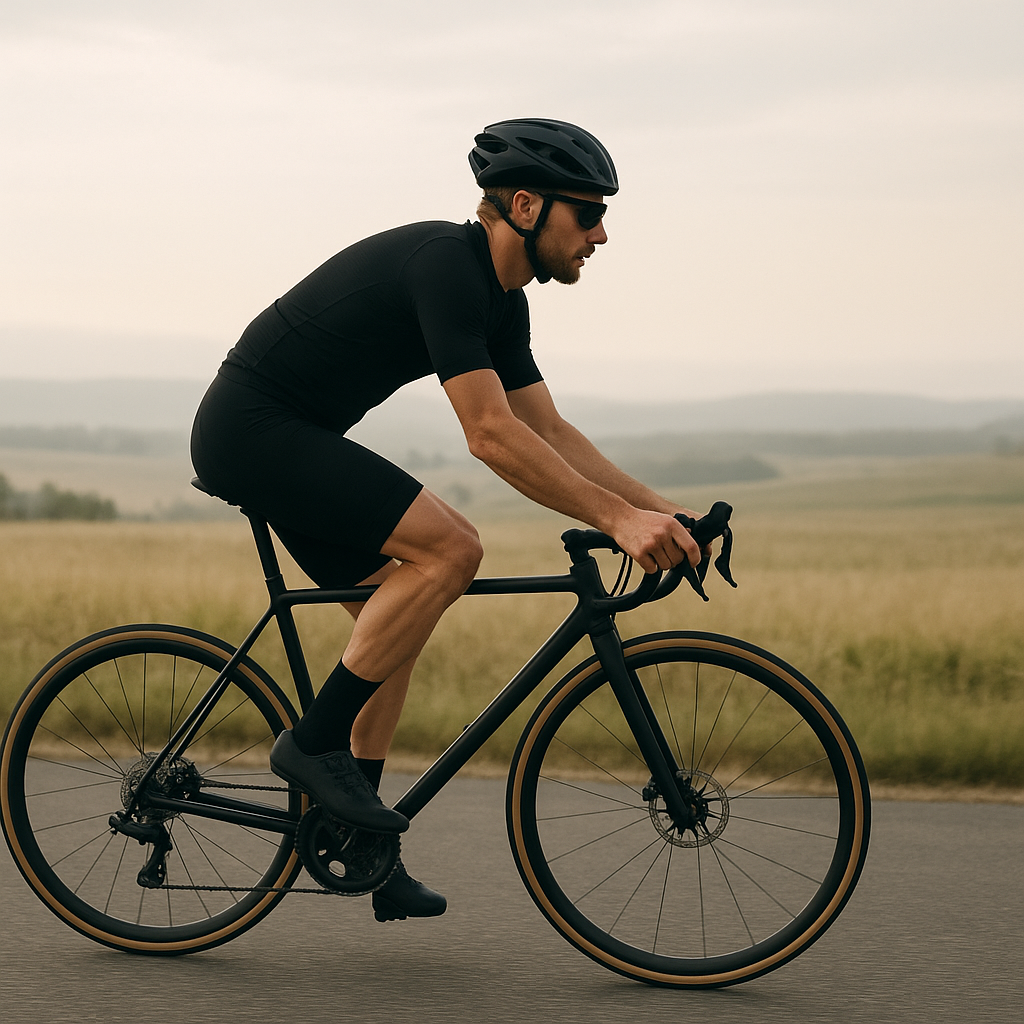
Wind-tunnel testing is no longer the exclusive domain of UCI WorldTour teams. Affordable aero bars, streamlined helmets, and deep-section wheels—once the preserve of elite racers—have trickled down into hobbyist product lines. By adopting these designs, weekend warriors benefit from reduced drag and can achieve higher speeds with less effort. The proliferation of off-the-shelf carbon wheels and skinsuits demonstrates how breakthroughs in professional settings translate into tangible gains for all cyclists.
Training Methodologies and Performance Gains
Elite coaches have revolutionized training with data-driven programs and scientific methods. These strategies focus on maximizing rider endurance, power output, and recovery. The advent of power meters, initially priced beyond the reach of most, now offers affordable models for the average enthusiast. Tracking metrics such as watts-per-kilogram allows recreational riders to monitor progress with the same precision as their pro idols.
- High-Intensity Interval Training (HIIT): Pro pelotons swear by structured intervals to boost VO2 max and anaerobic capacity.
- Periodization: Scheduling blocks of base miles, build phases, and taper weeks ensures riders peak for key events.
- Recovery Protocols: Cold-water immersion and compression garments, once experimental, are now mainstream in weekly regimens.
Adopting these training philosophies empowers cyclists of all levels to set measurable goals. Online platforms and mobile apps offer tailored workout plans, bridging the gap between professional and recreational coaching. This democratization of sport science creates a culture where every rider can aspire to higher performance benchmarks.
Community, Inspiration, and Motivation
The spectacle of road races and Grand Tours ignites the imaginations of cycling enthusiasts worldwide. Televised stages through mountain passes and cobblestone classics foster a sense of global community. Fans unite under team colors, sharing routes and strategies on social media. This collective excitement motivates riders to explore new terrain and push personal limits.
- Virtual Events: Platforms host online races that mimic pro circuits, connecting cyclists across continents.
- Strava Challenges: Monthly leaderboards encourage segments competitions, fostering friendly rivalry.
- Cycling Clubs: Hybrid group rides blend training tips from experienced members with social riding dynamics.
By channeling the motivation gleaned from pro races into local group rides, cyclists develop camaraderie and accountability. Bike shops often schedule watch parties and training workshops around marquee events, strengthening regional networks. This synergy between professional spectacle and grassroots action sparks a sustained passion for two-wheeled adventures.
Health, Nutrition, and Sustainability
Optimized Fueling Strategies
Nutritionists for pro teams craft detailed plans to balance macronutrients and electrolytes. Everyday riders now access energy gels, bars, and hydration systems formulated on the same scientific principles. Implementing these fueling tactics enhances stamina and reduces muscle fatigue during long rides. Simple practices—such as timing carbohydrate intake and maintaining electrolyte balance—can transform a casual outing into a high-output training session.
Environmental Awareness
Professional outfits champion sustainability by reducing single-use plastics, adopting reusable water bladders, and sourcing eco-friendly kit. This ethos resonates with weekenders who opt for recyclable packaging and bike maintenance products with minimal ecological impact. Cycling itself stands as a low-carbon mode of transport, and the trend toward greener gear underscores the sport’s role in promoting environmental stewardship.
- Reusable Bottles and Bladders: Cutting down on plastic waste during group rides.
- Biodegradable Lubricants: Protecting waterways from harmful chemical runoff.
- Local Sourcing: Choosing components and apparel from manufacturers with transparent supply chains.
Embracing these habits mirrors the green policies implemented by race organizers who aim to reduce the carbon footprint of major events. Such initiatives reinforce cycling’s image as a health-conscious, planet-friendly pursuit.
Accessibility and Inclusivity
Professional cycling’s push for gender equality and para-sport integration has influenced every rung of the sport. High-profile women’s tours and adaptive racing categories have inspired local leagues to prioritize mixed-gender events and accessible course designs. This wave of inclusivity ensures more riders feel welcome, fostering diversity across age groups, abilities, and backgrounds.
- Gravel Grinder Events: Open-format races that accommodate road, mountain, and adaptive bikes.
- Beginner Clinics: Workshops led by certified coaches, offering skills sessions on bike handling and safety.
- Community Outreach: Programs introducing cycling to underserved neighborhoods, bridging socioeconomic gaps.
By reflecting professional cycling’s commitment to broaden participation, regional organizations amplify the sport’s transformative potential. Every rider, regardless of expertise, can experience the thrill of two-wheeled exploration in a supportive environment.