Riding a bicycle after sunset brings an exhilarating sense of freedom, but it also requires extra precautions to stay safe and confident on the road. By focusing on the right gear, proper preparation, and mindful riding techniques, cyclists can transform nighttime journeys into enjoyable and secure adventures. In this article, we’ll explore essential strategies and tips for glowing through the darkness with comfort and peace of mind.
Essential Safety Equipment
Before heading out into the night, you’ll want to equip yourself and your bike with tools that maximize visibility and protection. A few simple upgrades can make a dramatic difference when sharing the road with motorists and pedestrians.
Proper Lights and Reflectors
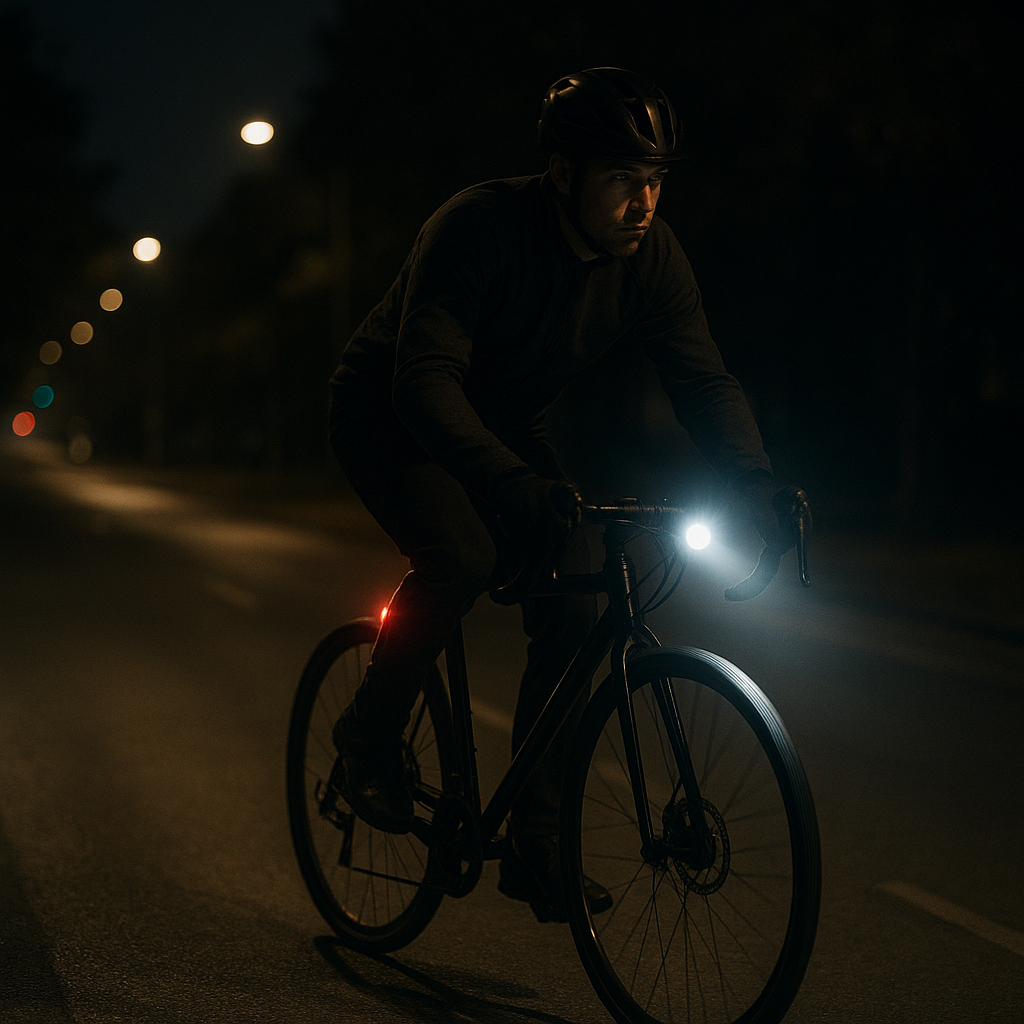
- Front and Rear Lights: Invest in a high-quality headlight offering at least 200 lumens of illumination, and a rear light with flashing and steady modes. Position them on your handlebars and seat post for optimal beam projection.
- Wheel and Pedal Reflectors: Clip-on spoke reflectors are inexpensive yet highly effective. They create a rolling circle of bright contrast as your wheels spin.
- Frame Tape: Reflective tape applied along the frame and fork edges enhances side visibility.
Protective Gear
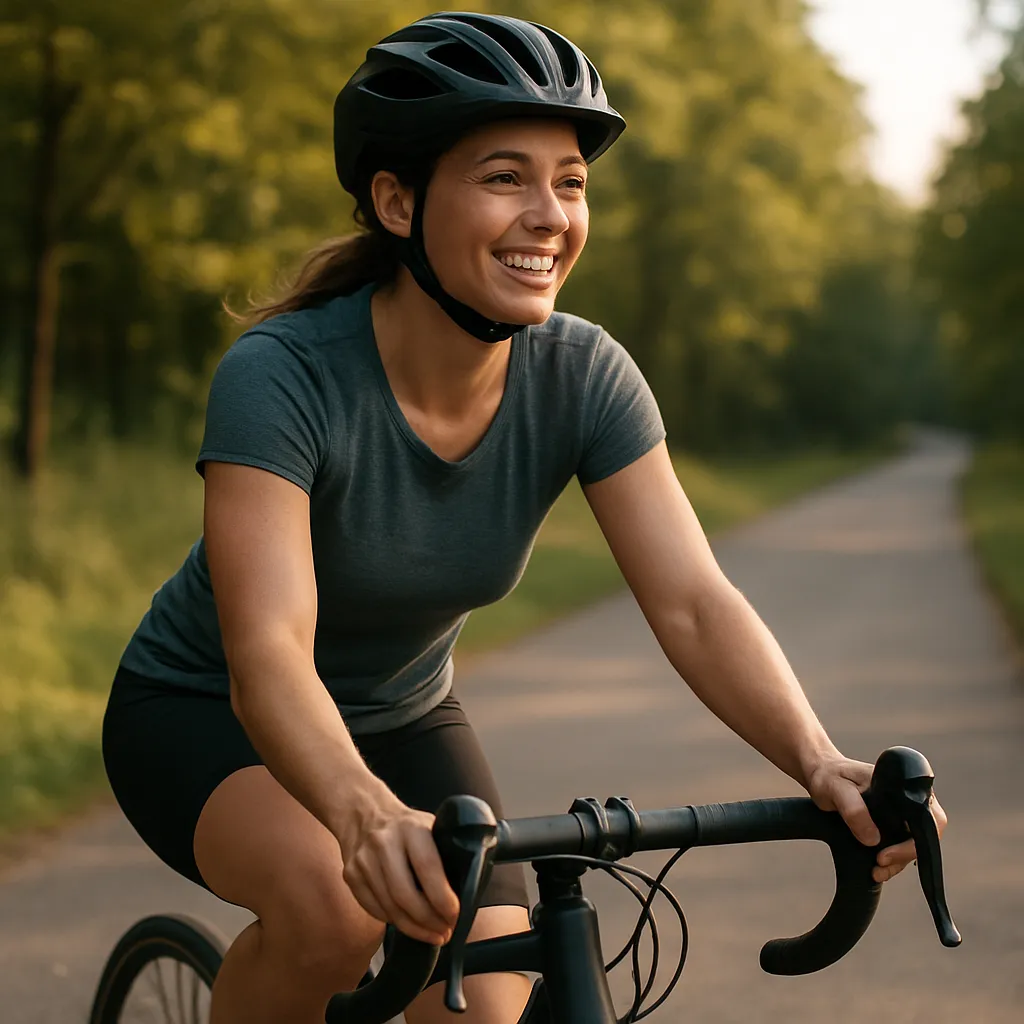
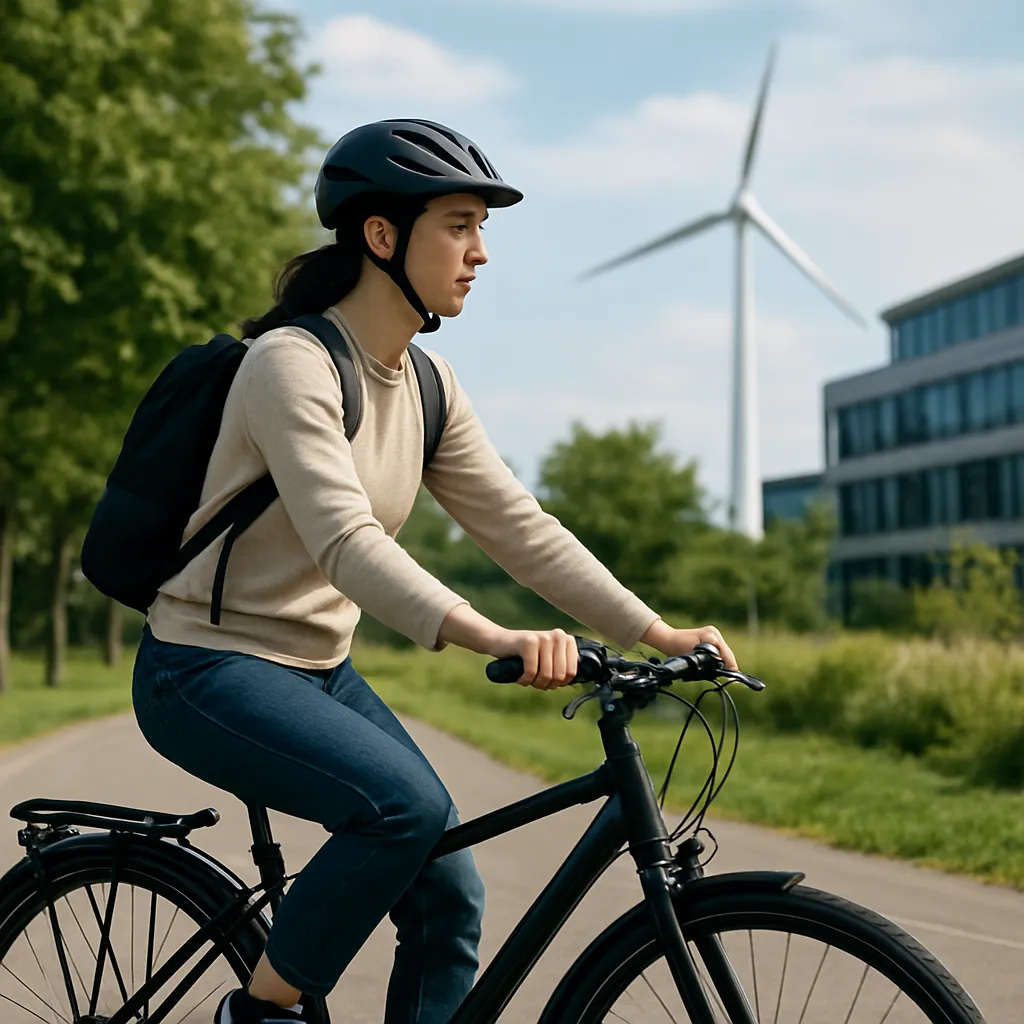
- Helmet with integrated light mount or built-in rear LED. Ensure it meets safety standards and fits snugly without wobbling.
- High-contrast or reflective clothing. Even a simple vest can drastically improve how motorists perceive you against dark backgrounds.
- Gloves with reflective patches. They help signal your turns more clearly.
Choosing the Right Route and Timing
Effective route planning minimizes surprises and reduces the chance of encountering unexpected hazards. When you know the road ahead, you ride with confidence.
Scout Familiar Paths
Stick to roads and trails you’ve already explored during daylight hours. Familiarity with curves, hidden driveways, and rough patches lets you anticipate obstacles and adapt quickly to road conditions.
Prefer Well-Lit Streets
Whenever possible, choose streets outfitted with streetlamps or other ambient lighting. Even partial illumination can help you spot potholes, gravel, or debris that would otherwise blend into the darkness.
Avoid High-Traffic Periods
Nighttime rides can feel calmer, but rush hours or late-night work shifts may still generate significant car flow. Aim for times when both vehicular and pedestrian traffic are at their lowest to lower collision risk.
Techniques for Safe Night Riding
Navigating at night relies on making deliberate moves and staying acutely aware of your surroundings. Your ability to react swiftly depends on three critical skills: scanning, signaling, and controlling your speed.
Scanning and Cornering
- Look ahead at least 10–15 meters to spot hazards early.
- Slow down when approaching bends or intersections. Make sure your front light illuminates the entire arc before you lean in.
- Keep your head up and eyes moving side-to-side to maintain broader spatial awareness.
Clear Signaling
- Use strong hand gestures for turns and stops, held slightly longer than during the day.
- Add a brake light to your rear light system, automatically activating when you slow down.
Speed Management
Lower speeds give you more reaction time on poorly lit sections. Adjust your pace according to how bright your lights are and how well you can see the road’s surface.
Dealing with Environmental Factors
Night rides introduce specific environmental challenges such as reduced temperature, damp pavement, and limited peripheral vision. Preparing for these can help you avoid common pitfalls.
Weather and Road Conditions
- Check the forecast for rain or fog. Damp roads increase stopping distance, so ride more cautiously when surfaces are slick.
- Watch for dew or frost in the early hours. Cold spots on pavement may be harder to spot but can lead to sudden slips.
- Wind gusts can be stronger at night; maintain a firm grip on handlebars to stay steady.
Avoiding Wildlife and Pets
Tree-lined roads can harbor unexpected critters. Listen carefully for rustling in nearby bushes and use your bell or horn to alert animals before passing.
Maintaining Your Bike for Nightly Reliability
Regular bike checks are crucial when riding at any time, but consequences of mechanical failure grow more serious in the dark. A well-maintained bicycle bolsters your confidence and safety.
Tire and Brake Inspection
- Maintain proper tire pressure for predictable handling and traction. Underinflated tires can skid on damp surfaces.
- Check brake pads for wear and proper alignment. Ensure your cables or hydraulics respond instantly with no spongy feel.
Chain and Drivetrain Care
- Clean and lubricate the chain regularly to prevent skipping or sudden jolts while pedaling. A dry chain can freeze up when temperatures drop.
- Inspect gears and derailleurs for smooth shifting. Misadjusted rear derailleurs can cause chain drops on dark routes, leading to dangerous stops.
Light and Reflector Upkeep
Test all lights before each ride to confirm batteries are fully charged. Replace torn or weathered reflectors immediately to avoid blind spots in your illumination sphere.
Staying Alert Against Fatigue and Distractions
Riding at night can be far more mentally and physically taxing than daytime cycling. Combatting tiredness and staying engaged are essential for a safe journey.
Recognize Signs of Fatigue
Yawning frequently, wandering thoughts, or difficulty focusing on your surroundings are red flags. If you notice any of these, pull over at a safe spot to rest, hydrate, or have a quick snack.
Limit Distractions
- Avoid loud music or headsets that cover both ears; you need to hear cars, horns, and other riders approaching.
- Keep your smartphone tucked away, using handlebar mounts only for essential navigation. Alerts and messages can wait until you reach a well-lit area.
Ride with a Partner
Whenever possible, team up with a friend. Riding in pairs increases your proximity to help in case of mechanical issues or emergencies, and two sets of eyes can spot hazards more effectively.
Building Confidence Through Practice
Night riding mastery comes from gradual exposure and practice under controlled conditions. By consciously honing your skills, you’ll become a more capable and self-assured cyclist, no matter how pitch-black the road may be.
Short Evening Loops
Start with familiar, well-lit neighborhoods for brief after-dusk spins. As you grow comfortable, extend your rides into darker areas or longer distances.
Skill Drills in a Safe Environment
- Practice emergency braking in an empty parking lot with varied light settings.
- Try slow-speed balance runs down a quiet street to sharpen your bike-handling precision.
Joining Nighttime Cycling Groups
Local clubs often host guided rides or group training sessions after dark. Participating not only boosts your comfort but also exposes you to pro tips and camaraderie.
Embracing night riding can open up a whole new world of exploration and freedom. By investing in the right equipment, sharpening your skills, and staying ever attentive, you’ll turn each moonlit journey into a safe and rewarding adventure.