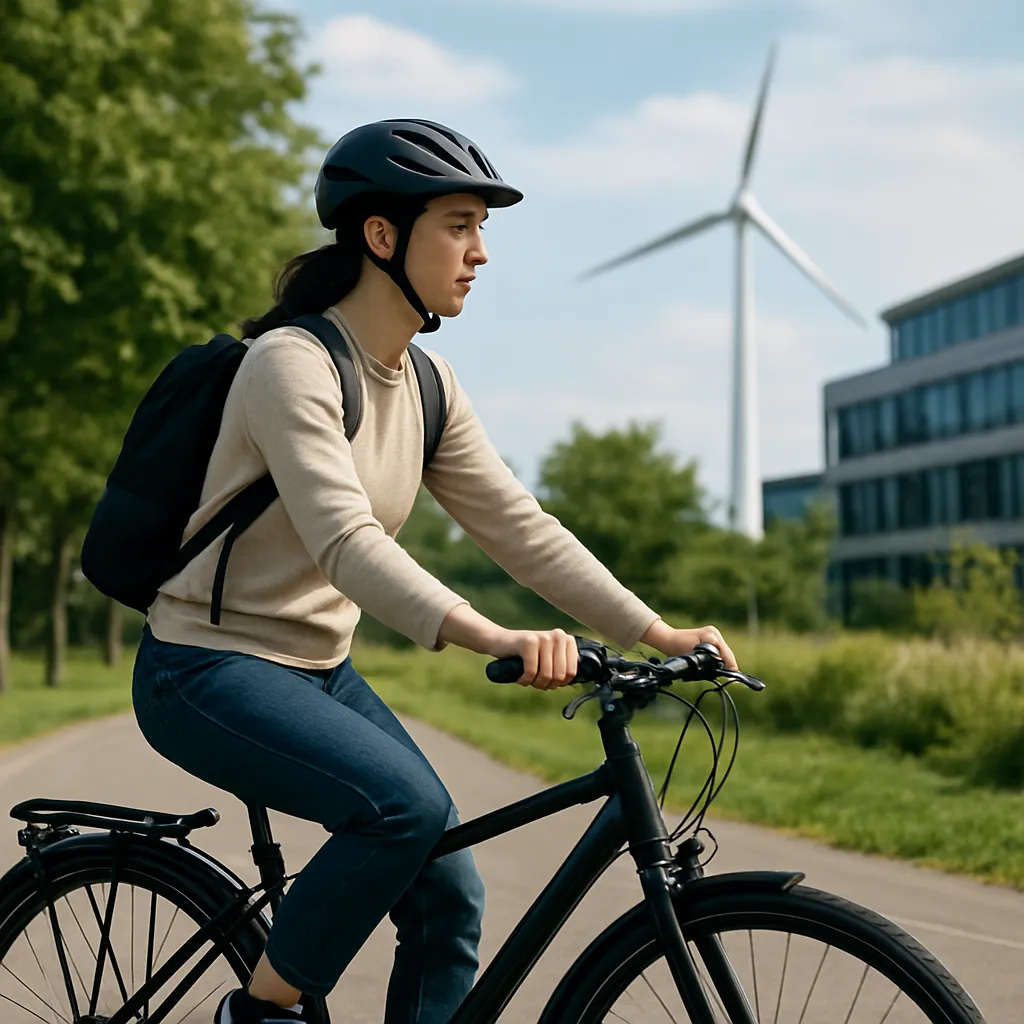
Mastering bike handling skills transforms every ride into an exhilarating journey. Riders who refine their techniques not only gain confidence but also enjoy greater control, safety, and responsiveness on diverse terrain. This guide explores essential foundations, advanced maneuvers, targeted drills, and maintenance tips to elevate your cycling prowess.
Essential Foundations for Confident Riding
Before delving into complex moves, it’s crucial to build a solid base. The following elements form the bedrock of superb handling:
- Balance and Stability: Developing a centered stance helps you react swiftly to sudden shifts in terrain. Practice riding with one hand off the handlebar to reinforce core engagement.
- Posture: Keep a slight bend in elbows and knees. This dynamic posture absorbs shocks and dampens vibrations, reducing fatigue over long distances.
- Grip Technique: Avoid a death grip on handlebars. A relaxed hold maintains sensitivity to subtle feedback from the tires.
- Weight Distribution: Learn to shift weight forward or backward depending on gradient. On climbs, lean forward to keep the front wheel grounded; on descents, shift rearward to prevent flipping.
- Traction Management: Smooth application of power and braking prevents wheel slip. Familiarize yourself with how different surfaces—wet asphalt, gravel, or roots—affect grip.
Spend time on open and flat areas where you can work on these principles without distractions. Experiment with slow-speed drills, weaving around cones or markers to heighten coordination.
Advanced Techniques for Precision and Control
Once foundational skills are solid, move on to maneuvers that demand heightened awareness and split-second decisions.
Cornering Like a Pro
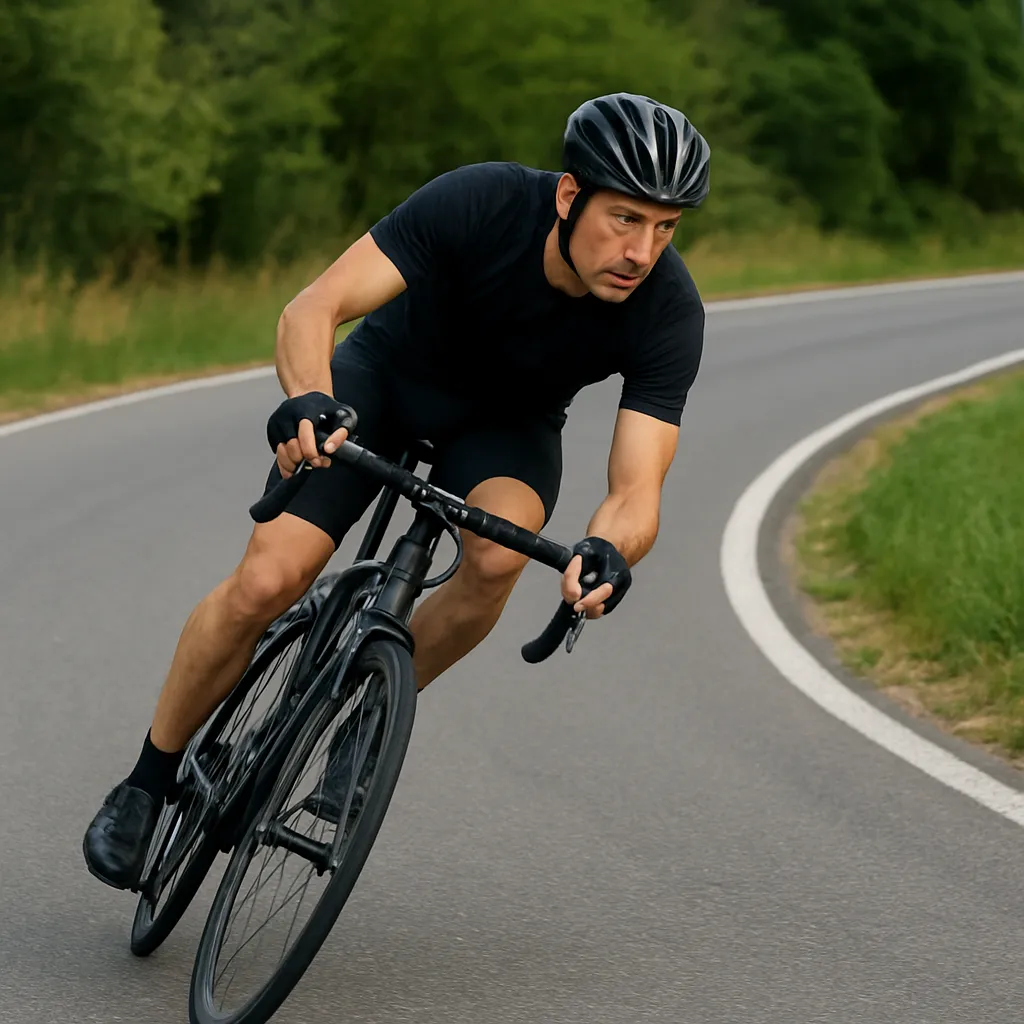
Cornering fast and clean separates enthusiasts from seasoned riders. Key steps include:
- Approach at Controlled Speed: Mark an entry point and slow down before it. Braking in the turn destabilizes your bike.
- Lean and Look: Tilt the bike through the corner while keeping your head level, eyes focused on the exit.
- Body Position: Drop your inside heel slightly and shift hips toward the outside. This lowers the center of gravity and improves grip.
- Power Throttle: Gradually re-apply power halfway through the turn to maintain momentum and stabilize the bike.
Effective Braking Strategies
Mastering brakes enhances stopping power and safety. Techniques include:
- Progressive Modulation: Apply steady pressure rather than abrupt squeezes. This prevents lock-ups and skids.
- Front vs. Rear Brake Balance: Most stopping power comes from the front caliper, but over-relying on it can cause flips. Distribute force judiciously.
- Pump and Release: On loose surfaces, pump brakes gently in quick bursts, allowing the wheel to regain traction between pulses.
Efficient Obstacle Negotiation
Whether tackling roots, rocks, or debris, the technique remains consistent:
- Preload and Pop: Compress your suspension or bent limbs before the obstacle, then extend explosively to “pop” over it.
- Relaxed Grip and Knees: Tension inhibits movement. Stay loose to absorb impacts.
- Line Choice: Scout the clearest path. A slightly longer but smoother route often keeps momentum where a direct but jarring line stops you cold.
Training Strategies to Boost Your Reflexes
Reflexive riding comes from targeted drills that sharpen your instincts and agility:
- Mirror Drills: Find a partner or use video playback. Duplicate each other’s movements to refine quick adjustments and body positioning.
- Cones and Maze Courses: Set up tight slalom courses to practice rapid directional changes. Increase speed gradually to simulate varied race conditions.
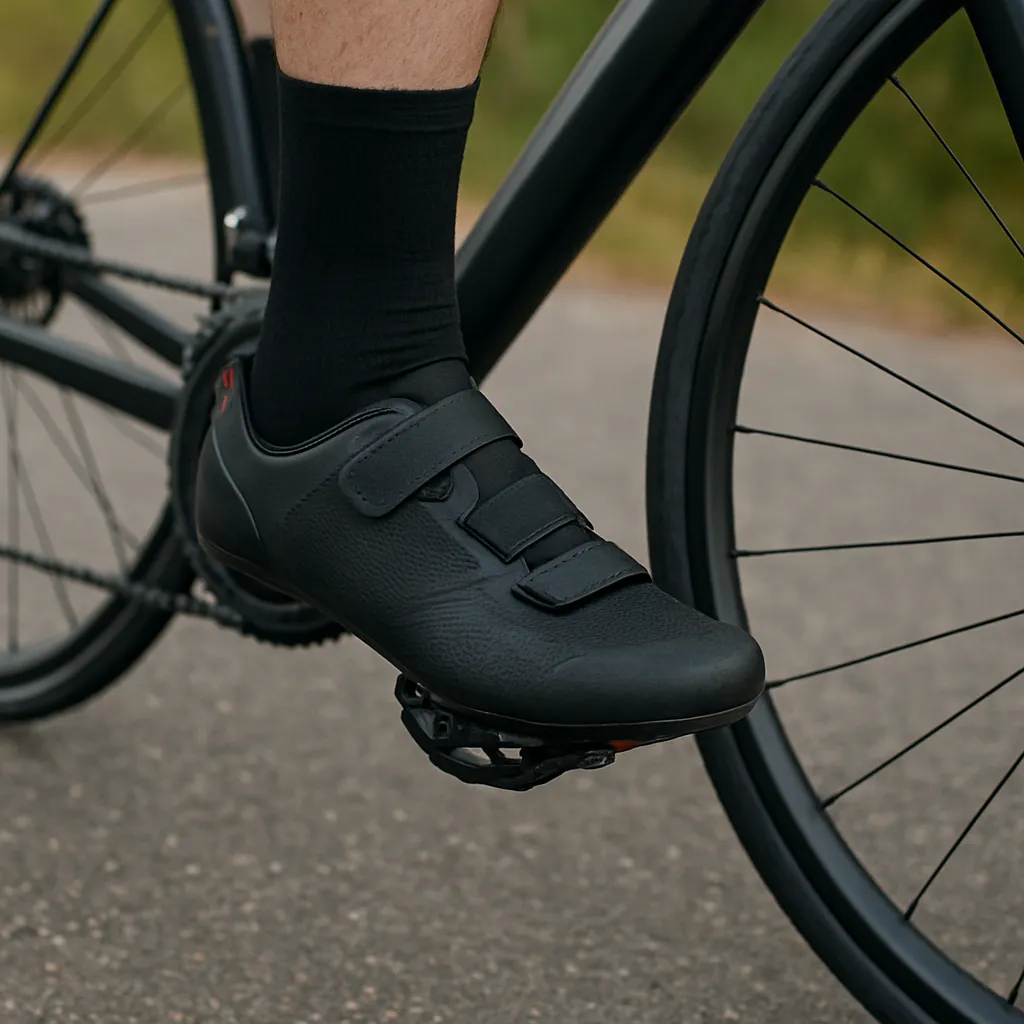
- Single-Leg Pedaling: Clip in one foot and circle pedals in both directions. This builds even power distribution and leg control.
- High-Speed Emergency Stop: Sprint then brake hard at a marked point. Repeat from various approaches to master panic stopping.
- Reaction Time Games: Ask a friend to call or display random signals prompting you to swerve left or right or brake instantly.
Consistency matters. Allocate short, focused sessions multiple times per week instead of long, infrequent rides. This approach engrains skills in muscle memory.
Maintaining Your Bike for Optimal Performance
Even the most talented rider suffers when the machine underperforms. A well-maintained bike amplifies your handling prowess:
- Tire Pressure Checks: Experiment within recommended ranges to find the sweet spot between comfort and rolling resistance.
- Brake Pad Inspection: Replace worn pads before stopping power degrades. Keep rotors and rims free of oil and debris.
- Suspension Tuning: Adjust preload, rebound, and compression settings to match rider weight and terrain demands.
- Chain and Drivetrain Care: Regular cleaning and lubrication reduce friction and ensure crisp gear shifts.
- Headset and Hub Play: Periodically check for looseness. Tighten bearings to eliminate unwanted wiggle that undermines precision.
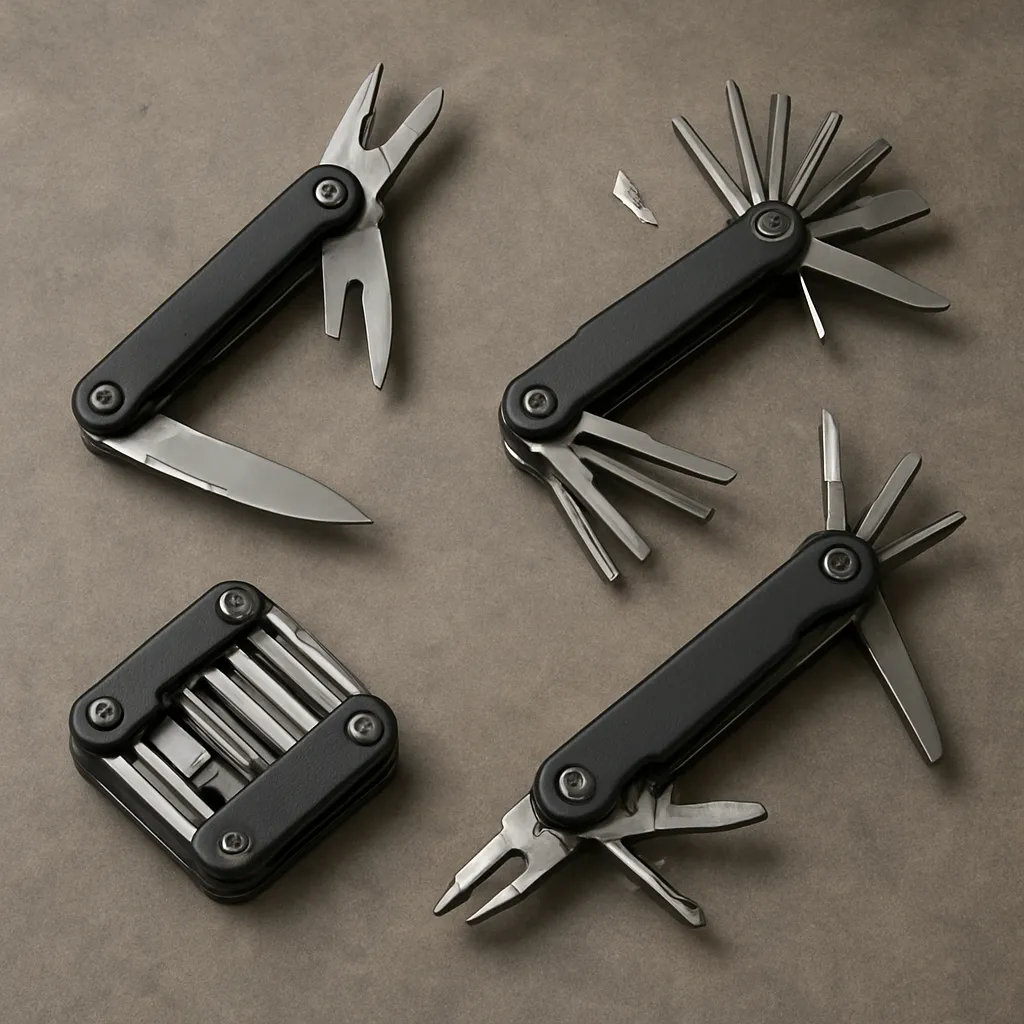
Routine maintenance prevents mechanical failures that could jeopardize both safety and skill progression. Keep a simple toolkit at home and one on long adventures.